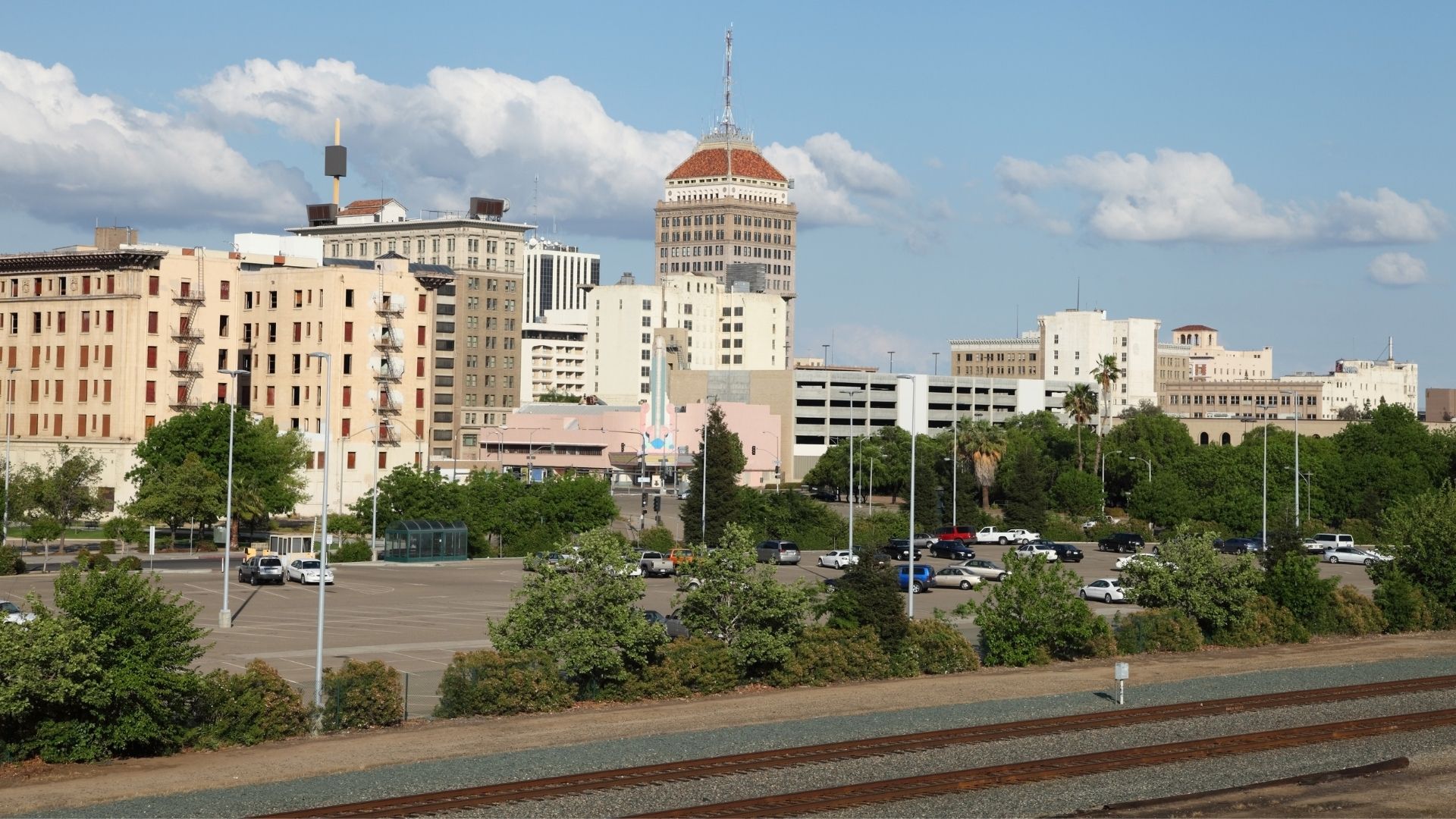
If you're a director of nursing, administrator, or scheduler at a Fresno-area hospital, nursing home, or home health agency, you're probably weighing healthcare staffing solutions in Fresno, CA, against a patient base that keeps getting older. The metro's population age 65 and older grew about 13% between 2020 and 2025, to roughly 176,600 people, while the population overall grew about 3%. That gap points to rising demand for skilled nursing, post-acute, and home health care.
Your options for healthcare talent in Fresno
Most facilities blend these healthcare staffing options in Fresno, matching each to a different kind of gap.
Per diem shifts
Per diem coverage fills single shifts, like weekend call outs. As contingent, on-demand staffing, it books only the hours you need.
Watch out for continuity of care: Patients on continuity-sensitive units settle better with familiar clinicians, so choose a model that lets you rebook trusted per diem nurses.
Internal float pool
Experienced ICU or ER nurses on your own staff move between units as demand shifts, which supports flexible scheduling and a fluctuating patient census.
Watch out for pool depth: When several units surge on the same day, a lean pool gets stretched thin, so size it from past census peaks rather than an average week.
Block booking or travel nursing
Block booking reserves one clinician for a run of shifts, which suits known gaps like nurse leave coverage. Agency travel contracts cover longer gaps.
Watch out for fixed commitments: Blocks and travel contracts are paid through their full term, so a mid-contract census dip still leaves you covering the cost.
Direct hire
Full-time and part-time staff nurse recruiting builds the team behind your baseline census and replaces roles lost to sudden turnover.
Watch out for time-to-fill: Permanent positions tend to stay open longest, so arrange temporary coverage until the new hire starts.
Local staffing insights for Fresno
Healthcare staffing in Fresno sits between a growing nurse workforce and an aging patient base. Figures cover the Fresno metro unless noted.
Supply: Workforce, schools, and competing employers
- Workforce: The metro employed about 11,000 registered nurses (RNs) and 3,900 nursing assistants in May 2025, and both groups have grown since 2023.
- Training pipeline: Fresno City College and Madera Community College awarded about 230 associate degrees in nursing in 2024-25. Clinical placement partnerships through Nursa Study for Facilities connect facilities with students before graduation.
- Competing employers: Community Medical Centers held about 52% of metro hospital beds in 2023, ahead of Trinity Health's St. Agnes Medical Center (about 18%) and Valley Children's Healthcare (about 16%). These systems set local pay expectations.
Demand: Steady openings and post-acute capacity
- Projected growth: California projects 13.5% RN employment growth from 2024 to 2034, with about 22,900 openings a year statewide.
- Facility density: The metro had 36 skilled nursing facilities (SNFs) with about 3,180 certified beds in 2026, roughly 18 beds per 1,000 residents 65 and older.
Pay benchmarks
Fresno RNs earned a median of about $60 an hour in May 2025, below California's $67 but well above the U.S. median of $47. The middle half earned about 51-68 an hour, the range a facility competes within.
Seasonality
California averaged about 9 weeks per season at high or very high respiratory illness activity from 2021-22 through 2025-26, versus about 7 weeks for the median state. High activity usually runs from early December through late February.
What this means for your facility
Large systems set the pay bar while post-acute demand climbs, so facilities that lock in core staff and winter coverage before December are better placed for the peak. Groups operating across the San Joaquin Valley can apply the same planning in Visalia and Merced.
Staffing and compliance requirements in California
California's hospital ratio rules below come from our guide to RN-to-patient staffing ratios by state, current as of March 4, 2026.
- Mandated ratios: California requires licensed nurse-to-patient ratios at all times in general acute care, acute psychiatric, and specialty hospitals, such as 1:2 in ICUs and 1:5 on medical-surgical units. Since Jan. 1, 2026, each day out of compliance counts as a separate violation.
- Licensure: California is not a Nurse Licensure Compact member (as of Sept. 18, 2026), so a compact multistate license does not cover practice here.
- Breaks: California requires a 30-minute meal period when work runs past 5 hours and a paid 10-minute rest period per 4 hours worked (as of Jan. 1, 2023).
- Nursing homes: HHS repealed the staffing provisions of the 2024 CMS minimum staffing rule on Dec. 2, 2025, leaving the earlier federal floor in place.
Facilities with sister sites in Modesto or Stockton can apply this checklist across locations.
How to match your strategy to your needs
Start by diagnosing the gap:
- Is it predictable, like respiratory season, or sudden, like a weekend call out?
- Will it last 1 shift, several weeks, or indefinitely?
- Does it need a specialty, such as pediatrics?
- How much does your census swing by week and by season?
- What are your current overtime rates and time-to-fill?
Many facilities staff permanent roles to a typical low-to-mid census and use per diem staffing, shift blocks, or a float pool above it. Continuity-sensitive settings like memory care favor repeat clinicians, while high-acuity units need tight credential matching.
A worked cost example
At May 2025 Fresno wages, a 12-hour RN shift costs about $612 in base wages at the 25th percentile ($51 an hour) and $816 at the 75th ($68). At a 1.5x overtime premium, the same shift runs about $918-$1,224 before burnout or turnover costs—the range to weigh outside quotes against.
Metrics and partner questions
Track fill rate, time-to-fill, overtime as a percentage of hours, contingent labor share, turnover, and cost per worked hour as part of healthcare workforce management. Operators with sites in Bakersfield can compare these side by side.
Whether you're evaluating healthcare staffing agencies in Fresno or nurse staffing companies, ask each partner how it verifies credentials, what fill rates it sees for your shift types, what its cancellation policy is, whether you can request repeat clinicians, and how it handles California's ratio and break rules.
How Nursa supports Fresno facilities
Nursa for Facilities is one option to weigh: a healthcare workforce platform, not a staffing agency, and usually a lower-cost alternative to agencies. Fresno facilities use Central Staffing to replace manual scheduling, the Nursa Marketplace to reach local clinicians who work as independent contractors, and full-time job postings to hire full-time nurses in Fresno, CA.
- Central Staffing: Scheduling, call outs, shift swaps, and time-off requests in one place.
- Nursa Marketplace: Per diem shifts, block shifts, and permanent roles.
- Favorites list and Auto-Schedule: Automatically schedules favorited clinicians who request your shifts.
- Screening lists and credential verification: You set the credentials each shift requires, and Nursa verifies licenses and runs background checks.
- ShiftReady: A learning management platform for facility-specific training shared with staff and Marketplace clinicians.
- Digital CDPH Form 530: California facilities sign it for each completed shift while verifying the shift report.
- Permanent Positions: Hire per diem clinicians you like with no hire-away fees.
Sources:
- Occupational Employment and Wage Statistics
- Projections Central
- Population and Housing Unit Estimates
- IPEDS Completions Survey, 2024-25
- Compendium of U.S. Health Systems, 2023
- Provider Information
- CDC FluView Interactive
- NCSBN, Nurse Licensure Compact
- Minimum Length of Meal Period Required under State Law for Adult Employees in Private Sector
- Minimum Paid Rest Period Requirements Under State Law for Adult Employees in Private Sector