

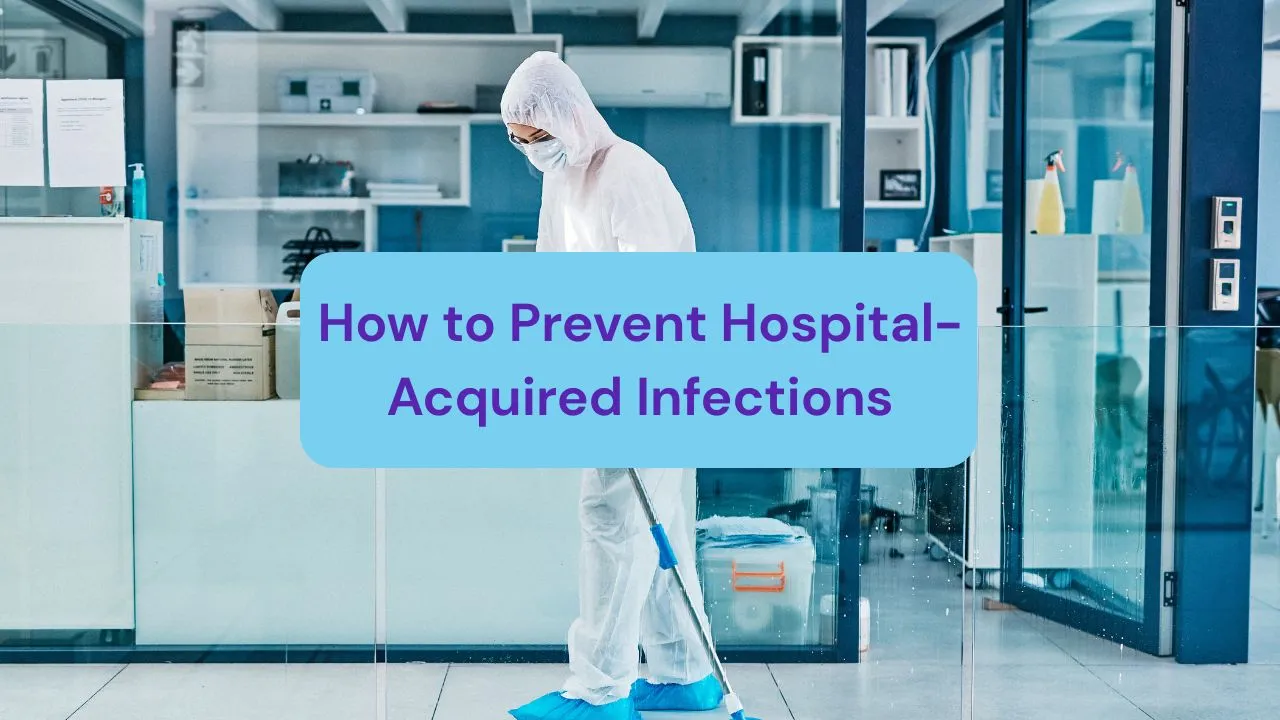
Hospital-acquired infections (HAIs) continue to pose a serious risk to patients and healthcare systems across the country. According to the Agency for Healthcare Research and Quality, about 633,000 patients contract HAIs annually.
Prevention of hospital infections is a priority for facilities, especially as staffing gaps and workflow inefficiencies can leave room for lapses in protocols. While some risk factors may be unavoidable, most HAIs are preventable through evidence-based protocols, education, and consistent communication among staff.
This guide reviews current types of hospital infections, common causes, and best practices for reducing hospital infections while maintaining safe, efficient patient care.
Understanding hospital-acquired infections
Hospital-acquired infections, also called nosocomial infections or healthcare-associated infections, are infections that patients develop while receiving treatment in a healthcare facility. They typically appear 48 hours or more after admission and are not present or incubating at the time of admission.
Common types of hospital infections
Most hospital-acquired infections fall into four primary categories:
- Catheter-associated infections: These include urinary tract infections (CAUTIs) and bloodstream infections (CLABSIs) linked to indwelling urinary or central venous catheters
- Surgical site infections (SSIs): Occur after surgical procedures due to improper technique or wound care
- Hospital-acquired pneumonia (HAP): Common in ventilated patients and those with compromised lung function
- Gastrointestinal infections: Often caused by pathogens like Clostridioides difficile (C. diff)
These infections can increase patient morbidity, prolong hospital stays, and lead to long-term complications or death.
Hospital-acquired infection statistics
According to the U.S. Centers for Disease Control and Prevention (CDC), approximately 1 in 31 hospital patients has at least one healthcare associated infection on any given day. Research estimates the cost of HAIs to the U.S. healthcare system is between $28 billion and $45 billion annually.
Even one HAI can disrupt care quality metrics and increase financial penalties for a facility. As a result, hospital infection control has become a cornerstone of modern clinical practice.
Causes of hospital infections
Hospital settings—where immunocompromised patients, invasive devices, and high patient turnover intersect—create an environment where infections can thrive. The following are the most common causes of hospital infections:
- Inadequate hand hygiene: Despite known benefits, adherence to hand hygiene protocols remains inconsistent
- Improper catheter use or maintenance: Failing to follow sterile technique during insertion or routine care
- Environmental contamination: Unclean surfaces, medical equipment, or bedding can spread pathogens
- Overuse or misuse of antibiotics: This contributes to drug-resistant strains
- Staff fatigue or communication breakdowns: Miscommunication during shift changes, for example, may lead to lapses in care. (Nursing huddles can help prevent this.)
Impact of hospital infections on patient care
Beyond financial implications, hospital infection outbreaks directly affect patient safety, clinician workload, and the public’s trust in healthcare institutions. Hospital-acquired infections can:
- Delay recovery and discharge
- Increase readmission rates
- Require additional interventions such as IV antibiotics or secondary surgeries
- Causes emotional distress for patients and their families
These outcomes reinforce the importance of proactive hospital infection prevention guidelines and real-time infection surveillance.
Hospital infection prevention guidelines
Evidence-based infection control strategies help facilities standardize protocols, improve patient outcomes, and reduce the risk of infection outbreaks.
Core elements of infection prevention
While guidelines may vary slightly across states or organizations, most facilities follow core principles established by the CDC or the World Health Organization.
- Hand hygiene: Regular, thorough handwashing remains the most effective strategy. Every nurse should understand and follow standard precautions. There’s even a day to campaign the practice: World Hand Hygiene Day.
- Environmental cleaning: Surfaces and equipment must be cleaned between patient use.
- Antibiotic stewardship: Avoid unnecessary antibiotic use to reduce resistance.
- Patient care protocols: Consistent use of sterile technique, proper catheter insertion, and wound care protocols.
- Communication and education: Lead by example and offer team reminders to improve adherence.
Infection preventionists play a key role in these efforts. Learn more about the infection preventionist career path.
Facility roles in reducing hospital infections
Facilities have a direct role in lowering hospital infection rates by supporting clinicians and creating an environment where safety is the standard. This includes the following:
- Hiring trained, skilled nurse professionals who understand standard precautions
- Providing time management tools and supportive workflows
- Offering regular continuing education
- Ensuring that nurses take scheduled lunch breaks to reduce fatigue
- Fostering team accountability and addressing difficult workplace dynamics
Facilities also benefit from using technology to track hospital infection surveillance metrics in real time.
Clinician habits that affect infection rates
Nurse contractors and other clinicians working PRN shifts can significantly influence patient safety by adopting good habits. Whether working full time or picking up flexible per diem shifts, clinicians can:
- Prioritize hand hygiene between every patient contact.
- Follow standard precautions consistently—even when in a rush.
- Use a structured head-to-toe assessment to identify early signs of infection.
- Stick to their care plan—review nursing care plans regularly.
- Avoid common bad habits such as skipping glove changes or multitasking during sterile procedures.
- Stay focused and honest in documentation.
A safe, clean clinical environment starts with individual responsibility and consistent execution of core practices.
Read about veracity in nursing for more on clinical integrity.
The role of staffing in infection control
Safe staffing levels are essential to reduce hospital infections. Understaffing increases the likelihood of errors, shortcuts, and burnout—all of which can lead to infection control lapses. Facilities using traditional staffing methods may find it challenging to meet short-notice needs.
Platforms like Nursa offer real-time access to qualified 1099 nurses—licensed practical/vocational nurses, registered nurses, and certified nursing assistants—who can pick up per diem shifts directly through the app. This model empowers facilities to:
- Reduce reliance on costly agencies
- Cover last-minute call outs with local nurse contractors
- Maintain safe patient ratios during high-volume periods
- Improve continuity of care through repeat contractors
This flexible approach to nurse staffing supports infection prevention efforts by reducing gaps in care.
A culture of accountability and prevention
A culture that values infection prevention will always outperform a system that only reacts to infection outbreaks.
Summer is here—a time when call outs and vacations can strain schedules—facilities and clinicians must stay focused on the basics. Summer break fatigue can impact vigilance, making it even more important to follow protocols.
Facilities that consistently reinforce best practices, reward attention to detail, and invest in supportive systems see the best results. The same is true for nurse contractors who approach each shift with intention and professionalism.
Final takeaways
Preventing hospital-acquired infections is an ongoing commitment that requires everyone’s involvement—from executive leadership to nursing staff and nurse contractors at the bedside.
With the right tools, habits, and staffing models, hospitals and other facilities can reduce infection risks and provide safer, more efficient care.
Find out what’s trending in healthcare this year.
Sources:
- Centers for Disease Control and Prevention: HAIs: Reports and Data
- Agency for Healthcare Research and Quality: Tools To Reduce Healthcare-Associated Infections
- World Health Organization: Infection prevention and control
- National Library of Medicine: Evidence-Based Recommendations on Measures for the Prevention of Surgical Site Infection
- National Library of Medicine: Economic burden of healthcare-associated infections: an American perspective
- The Agency for Healthcare Research and Quality


.png)

.png)

