

Practice high-level autonomy and sharpen your triage skills in South Dakota's rural and frontier settings. This unique medical landscape, including tribal and agricultural health, offers an incredible training ground where nurses can become vital, self-reliant community leaders.
South Dakota
Jump to section on this page

Anchor Link
PRN Nursing in South Dakota: A Clinician’s Guide

South Dakota is one of the most rural states in the United States. Populations are widely dispersed, and it is not uncommon to have to travel long distances to reach healthcare facilities, creating a unique medical landscape.
Nursing in South Dakota: A clinician’s guide to practice
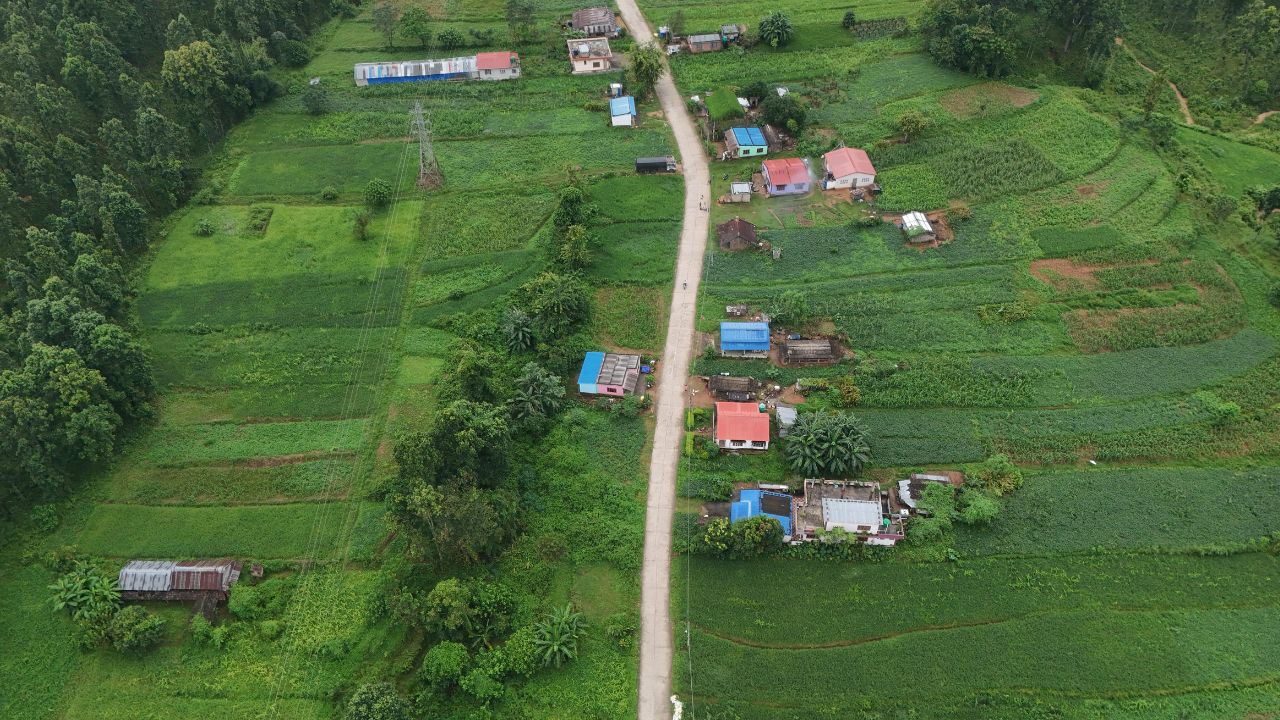
The medical situation in South Dakota is defined by its geography. Approximately 43% of South Dakota residents live in rural or frontier areas; in fact, 30 of the state’s 66 counties are classified as rural and 34 as frontier.
This frontier medical situation presents a distinct set of challenges:
- Vast distances often separate patients and providers.
- Teams are smaller and must operate with limited resources.
- Unexpected weather can cause sudden surges in patient volume.
For many clinicians, this environment makes for a great learning ground where independence and critical thinking are valued above technology and accessibility.
If you are looking to gain hands-on experience, South Dakota is the place to be. This challenging and demanding environment is sure to help you develop your clinical skills and ultimately drive your career forward.
Why is South Dakota a meaningful place to practice?
In a densely urban area, during emergencies, a trauma patient will quickly be transferred to a Level 1 Trauma unit. In a “frontier medical situation,” this is often not an option.
As a nurse, you may be required to rely much more on your own critical thinking and skills to stabilize the patient.
Beyond this empowering point, working in a rural health setting also allows you to be much more than just an anonymous provider—you become a vital part of a community.
Rural settings strengthen clinical adaptability
Clinicians working in medical centers in South Dakota outside the main urban corridors often operate with leaner teams and fewer diagnostic tools than their metropolitan counterparts.
This environment forces nurses and aides to rely heavily on:
- Physical assessment: You must trust your physical assessment skills rather than rely solely on advanced technology.
- Critical thinking: Without a full specialist team down the hall, you must problem-solve independently.
- High-level autonomy: A nurse in a remote Critical Access Hospital (CAH) often acts as the primary eyes and ears for a physician on call.
Tribal partnerships shape culturally attuned practice
A significant portion of registered nurse (RN) and licensed practical nurse (LPN) jobs in South Dakota intersect with tribal health systems.
The Indian Health Service (IHS) and tribally operated facilities provide essential care to the Lakota, Dakota, and Nakota nations.
Working in these settings requires more than just clinical technicality; it requires:
- Cultural humility: Moving beyond clinical technicality is necessary to understand deep community roots.
- Historical awareness: Understanding historical trauma is essential for effective care.
Agricultural trauma patterns are consistently present
In South Dakota, "occupational health" is synonymous with trauma medicine. Agricultural injury care is a core competency for emergency and surgical teams across the state.
The patterns of injury here are distinct:
- Machinery accidents: Teams must handle complex power take-off shaft entanglements and heavy machinery crushes.
- Livestock injuries: Teams must be prepared for crush injuries involving cattle.
- Environmental complications: Teams must anticipate high infection risks from soil contamination.
Clinicians develop sharper stabilization skills

Specialized tertiary care can be hundreds of miles away, so the initial stabilization phase is paramount.
Nurses in hospitals in South Dakota become experts at "packaging" patients for transport—managing airways, stabilizing fractures, and administering blood products before a flight team arrives.
This makes critical access hospital nursing an incredible training ground for those who want to master the absolute fundamentals of emergency care.
A fit for clinicians valuing continuity over volume
In healthcare facilities in South Dakota, particularly in rural towns, you are rarely treating strangers.
The "small town" dynamic means you often care for neighbors, former teachers, and community elders.
- High accountability: Work-life balance is deeply intertwined with community standing.
- Human-centric care: Positive change for clinicians feeling burnt out by the anonymous "churn" of big-city emergency rooms (ERs).
Where are clinical needs growing in South Dakota?
The demand for per diem nursing jobs in South Dakota is driven by specific demographic and geographic factors.
Primary care in rural counties
As local clinics face staffing shortages, there is a constant need for support in managing diabetes, hypertension, and chronic obstructive pulmonary disease (COPD). This is critical in counties where the nearest pharmacy might be an hour away.
Tribal health nursing
Tribal health nursing in South Dakota is a perennial need. These facilities often rely on PRN platforms, such as Nursa, to maintain safe ratios, creating consistent South Dakota shifts for those willing to travel to reservation communities.
Cardiac and endocrine burden
South Dakota’s population is aging. This demographic shift is driving an increase in telemetry and medical-surgical needs, as older agricultural workers require management for heart failure and metabolic conditions while continuing to work physically demanding jobs.
Seasonal trauma patterns
In South Dakota, spikes in injury occur during planting and harvest seasons, driving demand for temporary nursing jobs. ER nurses and surgical support staff may experience increased volume during these windows.
Nursing roles and workforce in South Dakota
Understanding the workforce mix is essential for anyone looking for PRN nursing jobs in South Dakota.
The hierarchy here is often flatter than in academic medical centers, with a heavy reliance on LPNs and aides to function at the top of their scope of practice.
Certified nursing assistants (CNAs) and LPNs
In many states, acute care is dominated almost exclusively by RNs.
However, in South Dakota's rural hospitals and nursing homes, these nursing jobs are in high demand:
- LPNs often handle complex wound care, medication administration, and even charge roles in long-term care (LTC) settings.
- CNAs serve as the backbone of rural healthcare. Aides are often the most consistent face residents see, playing a massive role in maintaining continuity of care.
RNs lead stabilization in low-resource settings
For RN jobs in South Dakota, leadership is expected. In a small rural ER, the RN may be the most experienced trauma clinician in the room until the physician arrives.
This role requires:
- Advanced Cardiovascular Life Support (ACLS) skills
- Strong independent decision-making skills
- The ability to remain calm and directive under pressure
Generalist breadth is valuable
While specialists are needed in major hubs, the rural clinician must be a generalist.
A nurse might handle a pediatric fever, a geriatric fall, and a cardiac arrest in the same shift. This breadth makes flexible nursing shifts particularly appealing for those who want to avoid being pigeonholed into a single specialty.
Common clinical environments for nurses
Where do South Dakota nurses work?
Critical access hospitals (CAHs)
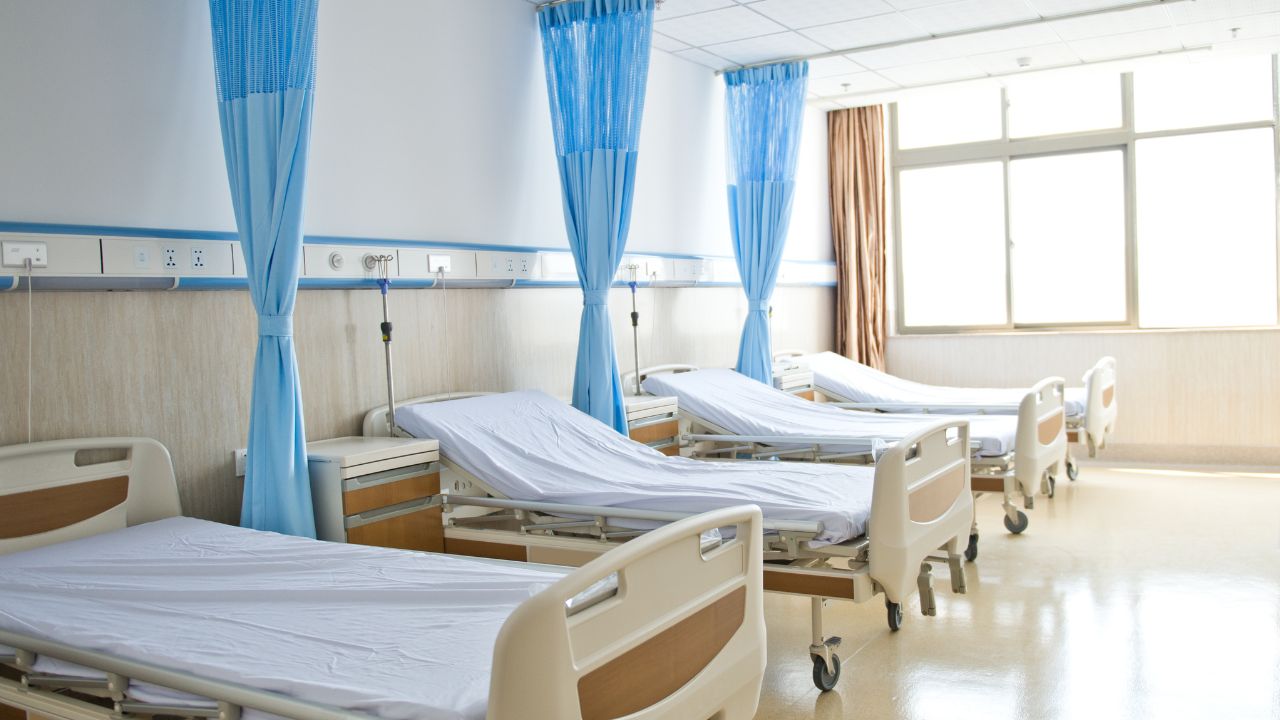
These are 25-bed facilities designed to provide essential services to rural communities. They are the frontline of frontier medicine in South Dakota.
Shifts here can range from incredibly quiet to chaotic, requiring nurses to be ready for anything. You might find these opportunities in towns like Winner or Highmore, where the hospital is the heart of the community.
Tribal and IHS facilities
Tribal health nursing in South Dakota is highly distinct, often focusing on community health integration and managing chronic conditions within a cultural context.
Long-term care and rural nursing home settings
With an aging population, the nursing shortage in South Dakota is most acutely felt in long-term care. CNA jobs in these facilities are plentiful, and the culture is often familial and tight-knit.
Small regional hospitals
Cities like Aberdeen and Huron act as regional hubs. They offer more resources than a CAH but still maintain a community feel.
Outpatient and community clinics
For those seeking part-time nursing jobs in South Dakota with regular hours, rural health clinics are a key option. Nurses are responsible for the full spectrum of healthcare, from vaccinations to chronic disease management.
Rural emergency department stabilization settings
These are often attached to CAHs. The focus is on keeping the patient alive for the 60-90 minutes it takes for a helicopter or ambulance transfer. This is a high-stakes environment perfect for ER nurses looking to sharpen their triage skills.
Licensing and practice structure in South Dakota
South Dakota is a member of the Nurse Licensure Compact (NLC). If you hold a multistate license from another compact state, you can practice here without obtaining a new single-state license.
This makes it incredibly easy for traveling clinicians to pick up per diem nursing jobs in the state.
Primary license pathways
For those residing in South Dakota or moving from a non-compact state, licensure is handled by the South Dakota Board of Nursing.
The process involves verification of education and passing the NCLEX. Renewal cycles are typically biennial, ensuring the workforce remains current.
PRN shifts aid adaptation
Because rural practice is so different, jumping into a full-time role can be intimidating. PRN shifts in South Dakota allow you to "date" a facility or a region. You can work a few shifts to see if the rural pace suits you before committing to a permanent position.
CNA and medication aide titles in South Dakota
When searching for med aide jobs, it is crucial to use the correct terminology recognized by the South Dakota Board of Nursing.
Registered medication aide
In South Dakota, the official title for a medication aide working in a licensed facility (such as a nursing home, assisted living center, or hospital) is registered medication aide (RMA).
To become an RMA, an individual must be listed on the South Dakota Board of Nursing’s Medication Aide Registry. This requires completing a board-approved training program and passing a state exam.
You may see job postings loosely using terms like "med aide", but strictly speaking, RMA is the regulatory title in this state.
You might also encounter the term "unlicensed medication aide" (UMA) in settings with less regulation or for specific non-facility care, but for professional med aide opportunities in South Dakota, you are typically looking at the RMA scope of practice.
Economic and flexibility factors for clinicians
The nursing shortage in South Dakota has created more demand for PRN help. This allows you to test the waters in different locations. Maybe you want to see if you enjoy the autonomy of a facility near Sioux Falls before taking a permanent role.
Lifestyle matches via regional variation
You can choose your environment. Do you want the busy, resource-rich environment of a regional hub? Or the quiet, starry nights of a frontier outpost?
Nursa South Dakota shifts give you the power to curate your work environment to match your personal life.
Cost of living supports flexibility
It’s worth noting that the cost of living in South Dakota is generally lower than the national average.
Housing in many towns, especially those that rank among the cheapest cities in South Dakota (often rural agricultural hubs), is highly affordable.
This means that even if you work part-time nursing jobs in South Dakota, your nursing salary may stretch further than in coastal states.
Freedom over finances
Clinicians often find that PRN nurse shifts in South Dakota offer a rate premium due to the urgent nature of the staffing need. This, combined with the lower cost of living, allows for a lifestyle that prioritizes time off for other pastimes.
Clinical strengths for successful practice
To thrive in South Dakota while working nursing jobs, specific traits are valuable beyond standard clinical competencies:
- Triage reasoning: You must be able to quickly spot the "sick vs. not sick" patient. In rural settings, you often need to make these determinations without the safety net of immediate advanced labs.
- Decision-making confidence: There is no hiding in the back of the room here. With smaller teams, you are often the leader, requiring the confidence to make calls independently.
- Rapport building: Whether you are working in a farming community or a tribal setting, respect is the currency of care. The ability to connect culturally is just as important as your clinical skill set.
Lifestyle and cultural appeal

Life in South Dakota is marked by a strong connection to the land, a deep sense of community, and a slow-paced, nature-oriented lifestyle.
Connection to the land
As a clinician, you may find that building rapport with patients often involves engaging in small talk about the weather, harvests, or herds. Understanding this deep connection to nature will allow you to build trust and a stronger relationship with the local patient population.
Slow living
As in many rural areas, the pace of life in South Dakota is completely different from the fast-paced rhythm of urban life.
While you may have longer distances to commute to get to work, you are more likely to see deer and pheasants than get stuck in traffic. This slower pace is a major factor in quality of life, supporting lower stress levels and a more relaxed daily routine.
Outdoor lifestyle
If you enjoy the outdoors, working in South Dakota can feel like a paradise. There is a wide range of outdoor activities that you can engage in in your free time. These include, but are not limited to: walleye fishing on the Missouri River, pheasant hunting in the fields, and hiking in the Badlands.
Work-life balance is tangible here: you can finish a shift and be hiking a trail within 30 minutes.
Why does working PRN with Nursa benefit clinicians?
Using Nursa to find South Dakota nursing jobs puts the control into your hands.
Test multiple contexts
You can pick up a shift in intensive-care unit settings in a regional hub one week, and a medical-surgical shift in a rural CAH the next. This variety keeps you learning, challenged, and keeps burnout at bay.
Build frontier capability
There is no better way to sharpen your skills than by working in environments where you are relied upon heavily. Nursa shifts in South Dakota help you become a more well-rounded clinician.
Align locations with growth
Whether you are a student at one of the nursing schools in South Dakota looking for shifts to build experience or a seasoned RN looking for a slower pace of life, the platform allows you to match shifts to your professional goals.
Sign up for PRN shifts in South Dakota today
Build autonomy, frontier clinical confidence, and cultural competence across diverse rural care settings.
Sign up with Nursa and explore PRN shifts across South Dakota.
Sources:
Share this page:


GO BEYOND A SINGLE JOB
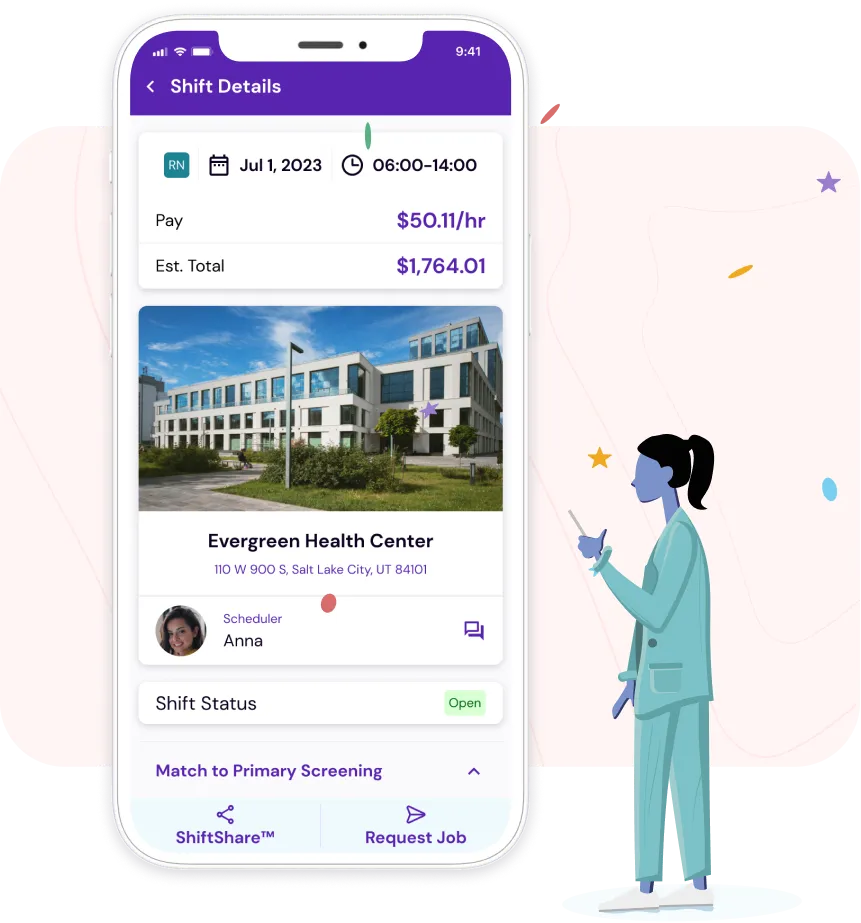
Nursa isn't just about finding a job; it's about crafting your ideal work schedule by selecting shifts. Once you create a Nursa profile, you will experience the convenience of scheduling shifts in real-time.
Loading shifts…
Completed! We will notify you when we have desired shifts for you.
Until then, you can continue with the app to signup or login.
Continue
Until then, you can continue with the app to signup or login.
Oops! Something went wrong while submitting the form.
See More Shifts and Apply Now
Explore and find where you would like to work
Search ShiftsPer Diem JobsPopular Topics
Start exploring PRN jobs opportunities here
These quick links are here to streamline your search and discover a range of opportunities tailored to your preferences.
Interested in healthcare shifts?
Apply for Jobs
Pick Up a Job Today
Find per diem PRN job opportunities in your area. High paying CNA, LPN and RN and many more licences are available now.
Join Nursa
Post Your Jobs Today
Facilities who use Nursa fill 3 times as many open per diem shifts, on average, compared to trying to fill the shifts themselves.
Post Jobs