

Maine's healthcare, shaped by an aging population and chronic care, offers stable PRN nursing jobs with high hourly rates and a calm coastal work-life balance. Clinicians gain deep mastery in geriatric care while helping address the state's staffing needs.
Maine
Jump to section on this page

Anchor Link
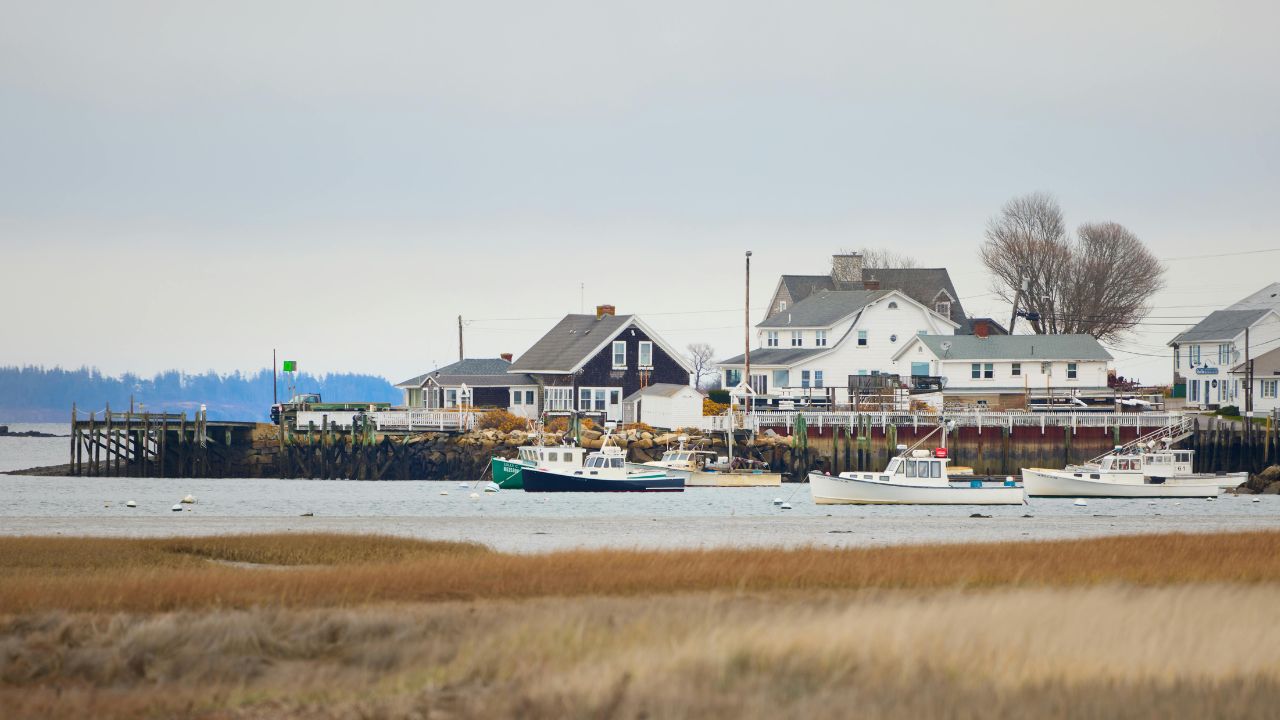
Nursing in Maine: Clinician’s guide to PRN jobs
An aging population, steady rehabilitation needs, and predictable seasonal shifts shape Maine’s healthcare landscape.
The state's high proportion of older residents drives increased demand for healthcare services. By 2030, the state will need 2,817 extra registered nurses (RNs).
Healthcare facilities in Maine, from small hospitals in cities like Waterville and Lewiston to assisted living campuses near the coast, seek solutions to maintain consistent staffing amid these demographic realities.
Why is Maine an appealing place to practice?
.jpg)
The benefit of practicing in Maine lies in the professional stability provided by its patient population.
The prevailing demographic trend—an aging population—creates a learning environment rich in opportunities for chronic disease management.
Nurses here do not merely treat acute symptoms; they manage complex comorbidities over extended periods. This fosters a depth of clinical understanding regarding the progression of conditions such as diabetes, heart failure, and dementia.
Other benefits of working in Maine include:
- Predictable seasonal patterns: While the summer months see a population increase due to tourism, healthcare demand is mainly manageable and anticipated.
- More time for patient care: The environment is excellent for clinicians who want meaningful patient interactions and a slower clinical pace.
- PRN nursing shifts in Maine year-round: The consistent need for coverage across healthcare facilities in the state means reliable access to shifts.
Licensing and practice structure considerations for Maine
Navigating the regulatory landscape is the first critical step for any clinician wishing to practice in Maine. The state has specific requirements that ensure safety and competency, but it also offers significant flexibility through interstate agreements.
The Nursing Licensure Compact (NLC)
Maine is a longstanding member of the Nursing Licensure Compact (NLC). This allows an RN or a licensed practical nurse (LPN) with an active, unencumbered multistate license from another compact state to practice in Maine without obtaining a separate single-state license.
Overview of nurse license categories
Nursing clinicians fall primarily under the following main categories:
- Certified nursing assistants (CNAs) provide basic care under the supervision of a licensed nurse.
- LPNs provide focused, stable care and are critical in long-term care (LTC) settings.
- RNs provide comprehensive patient care, coordinate the care team, and manage acute illness.
State-specific title terms for CNAs and medication aides
Terminology in healthcare professions can vary significantly from state to state. Using the correct title is not just a matter of semantics; it defines the legal scope of practice.
CNAs
The standard title for assistive personnel in Maine is certified nursing assistant. These professionals are the backbone of direct patient care.
Medication aides
CNAs with additional board-approved training can have the designation CNA-M added to their title. They are authorized to administer selected non-parenteral medications in skilled nursing facilities.
Clinicians seeking med aide jobs in Maine must carefully review the facility's requirements to ensure their certification aligns with the setting.
PRN shifts allow clinicians to test rural coastal pacing
.jpg)
For clinicians considering a move to areas like Orono or South Portland, picking up PRN nurse shifts in telemetry or medical-surgical units offers an easy way to try a place out before committing to a full-time role.
Economic and work considerations for Maine nurses
The economic landscape for healthcare workers in Maine is a study in contrasts, with the coastal southern region and the rural interior presenting distinct differences. Understanding these dynamics helps clinicians maximize their earnings and lifestyle.
- Coastal vs. rural cost of living: Maine's cost of living varies dramatically. The Greater Portland area commands a premium. However, venturing just an hour north or west into cities like Waterville or Sanford may change the equation.
- Cheapest cities in Maine: For those prioritizing savings, targeting facilities in inland hubs offers a strategic advantage. Cities like Augusta and Lewiston offer urban amenities without the coastal markup.
- PRN pay advantage: Clinicians seeking the highest-paying nursing jobs in Maine often find that working PRN offers a superior financial return. Because PRN shifts do not carry the overhead of benefits packages, facilities may offer higher hourly rates.
- Work-life balance: Flexible nursing shifts in Maine allow professionals to align their work with the seasons. They may scale back hours in the summer to enjoy Maine’s legendary outdoor lifestyle, demonstrating how PRN supports work-life balance.
Maine healthcare data overview
According to the Organization of Maine Nurse Leaders, Maine has unique healthcare needs that require attention. The following data shows projections and challenges the state is facing and will face in the next few years.
Between 2020 and 2030, the population aged 65 and older is expected to grow by 36.2%. Due to the resulting increased demand for healthcare services, there is a projected shortage of 2,817 RNs by 2030.
The Health Resources and Services Administration also projects a deficit of 2,750 LPNs by 2030.
Clinical strengths that support success in Maine
A specific set of clinical and interpersonal skills is required to find nursing jobs in the state.
Effective communication with older adults
The ability to communicate clearly, patiently, and respectfully with an older patient population is essential, often requiring the ability to navigate hearing or cognitive impairment—a critical skill in LTC nursing.
Chronic care proficiency
A deep understanding of managing long-term conditions and the principles of functional maintenance and rehabilitation is paramount. Skills in wound care, medication management for multiple comorbidities, and coordination of physical therapy are highly valued in LTCs and hospitals in Maine.
Comfort working at a slower clinical pace
Nurses who excel in this state are comfortable with a steady, predictable workflow. They mostly manage risk through consistent monitoring and prophylactic care, rather than relying on the rapid, high-intensity interventions that characterize busy, high-acuity urban medical centers.
Lifestyle and cultural alignment for practicing in Maine
.jpg)
Maine offers a particular quality of life that attracts healthcare professionals seeking a work-life balance distinct from other regions of the United States. The lifestyle directly complements the flexibility of the PRN shifts available through platforms like Nursa.
Coastal identity and nature-forward living
The proximity to the ocean, mountains, and forests provides immediate access to a wealth of outdoor activities. This deep connection to the natural world is a major draw for professionals.
Coastal nursing in Maine is as much a lifestyle choice as a career path.
Calm pace and quieter community structure
The social structure is low-key, fostering a sense of community contribution. The communities in Lewiston, Sanford, and Windham exemplify this structure.
Meaningful clinical work without constant escalation
The combination of a calm, professional environment and a restorative personal life creates an ideal setting for long-term career sustainability.
Best cities for nurses in Maine
Cities like Augusta and Bangor are often cited among the cheapest cities in Maine. Communities like Scarborough and South Portland offer suburban convenience with excellent healthcare facilities.
Where are clinical needs increasing across Maine?
The greatest demand for temporary PRN nursing jobs in Maine is concentrated in areas that provide long-term care and support rural communities.
- LTC facilities are expanding statewide: There is a high demand for nursing professionals in these settings, especially LPNs skilled in rehabilitation and mobility recovery.
- Rural and coastal nursing: Small clinics and hospitals along the coast require support to ensure continuity of care.
Why work PRN shifts in Maine with Nursa?
The PRN platform Nursa empowers clinicians to find PRN jobs that precisely match their schedule, specialization, and desired pace of work.
Using the Nursa platform, a nurse can filter shifts to target the settings that appeal most to them. They can also benefit by:
- Refining geriatric care and mastery of chronic conditions: The platform can provide access to roles in LTC nursing and chronic geriatric care in Maine. Use PRN shifts to master these high-demand clinical areas.
- Growing clinical confidence and gaining flexibility: By choosing their own pace and setting, nurses can gain experience in various settings and develop additional skills. Flexibility allows clinicians to obtain a work-life balance, reduce stress, and prevent burnout.
- Receiving higher hourly compensation: Clinicians who choose to pick up PRN nursing jobs in Maine often receive higher hourly wages since they work as contractors. Therefore, clinicians not only gain flexibility but also have the opportunity to increase their income.
Sign up for PRN nursing jobs in Maine today
Maine has unique healthcare needs, and the staffing shortage has dramatically increased the demand for PRN nurses.
Choosing to work as a PRN nurse offers you the opportunity to gain experience across different settings, have more control over your schedules, achieve better work-life balance, and reduce stress and burnout.
Experience the calm coastal pace of healthcare—while developing strong geriatric care and chronic continuity skills. Explore PRN shifts in Maine and take control of your career.
Sources:
Share this page:


GO BEYOND A SINGLE JOB
Nursa isn't just about finding a job; it's about crafting your ideal work schedule by selecting shifts. Once you create a Nursa profile, you will experience the convenience of scheduling shifts in real-time.
Loading shifts…
Completed! We will notify you when we have desired shifts for you.
Until then, you can continue with the app to signup or login.
Continue
Until then, you can continue with the app to signup or login.
Oops! Something went wrong while submitting the form.
See More Shifts and Apply Now
Explore and find where you would like to work
Search ShiftsPer Diem JobsPopular Topics
Start exploring PRN jobs opportunities here
These quick links are here to streamline your search and discover a range of opportunities tailored to your preferences.
Interested in healthcare shifts?
Apply for Jobs
Pick Up a Job Today
Find per diem PRN job opportunities in your area. High paying CNA, LPN and RN and many more licences are available now.
Join Nursa
Post Your Jobs Today
Facilities who use Nursa fill 3 times as many open per diem shifts, on average, compared to trying to fill the shifts themselves.
Post Jobs