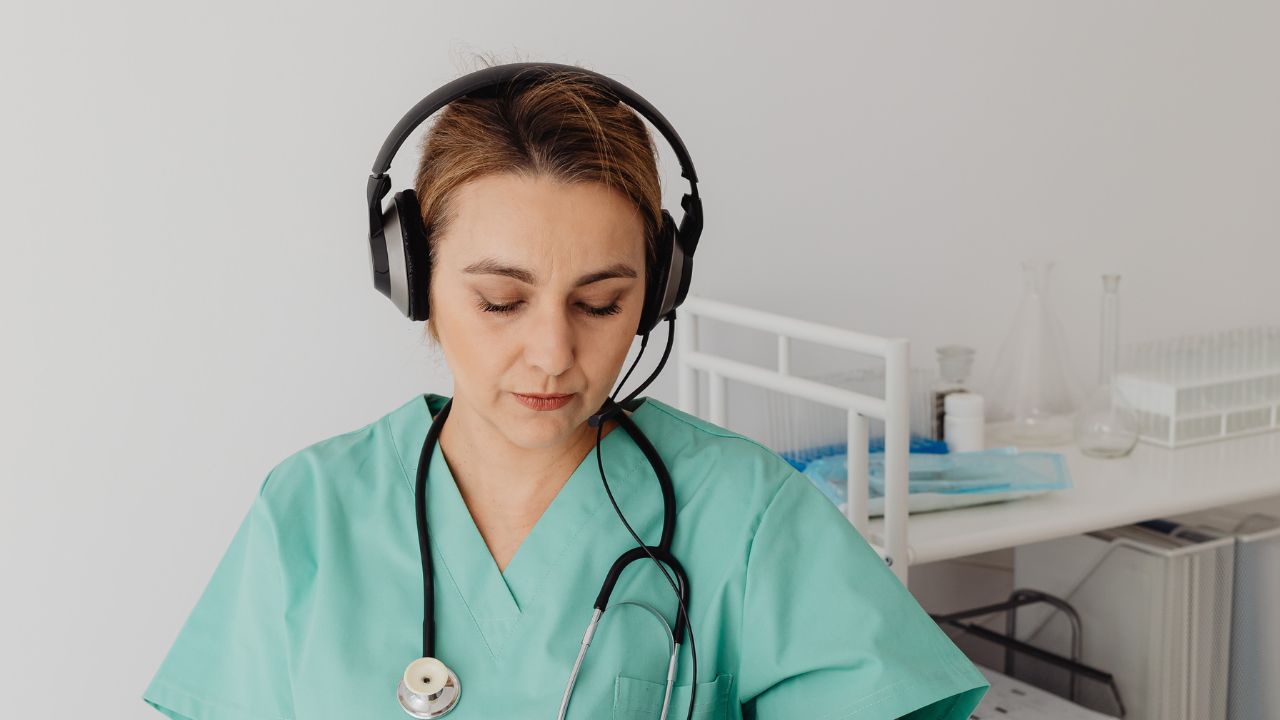
Not all nurses thrive in high-energy and high-pressure environments.
While it may seem like most nurses excel in bedside specialties such as medical surgical or pediatrics, some nurses prefer a more calm and steady pace with a little less human interaction.
What types of job specialties for introverted nurses are there? Glad you asked.
Contrary to popular belief, there are plenty of nurse roles that require a more introverted and “quiet” approach to nursing.
If you are an introverted nurse and want to shine in your specialty, here are some introvert nurse tips that will help you find a fulfilling role in your field of expertise.
Understanding the introverted nurse experience
Being an introverted nurse means leveraging natural strengths while addressing common obstacles that come with being an introvert.
Here’s a fun fact about introverted nurses: Introverted nurses in healthcare often notice details others might miss. This can provide calm reassurance in stressful situations.
An article published in the Angeles Institute states, “Introverts are known for appearing to be 'in their own heads' quite a lot, but they tend to pick up on things that more extroverted people do not.”
This kind of thinking is very advantageous when it comes to providing high-quality patient care.
Introvert strengths in nursing include:
- Attention to detail that helps prevent errors and ensures safe patient care
- Pattern recognition for early detection of complications
- Situational awareness in critical or rapidly changing situations
- Calm under pressure, which helps stabilize both patients and team members
- Deep empathy, enhancing introvert nurse-patient interaction, and fostering trust
Introverted nurses' involvement in quality improvement can lead to innovative solutions and improved patient outcomes.
Additionally, introverts often excel in one-on-one communication, allowing them to build strong therapeutic relationships with patients.
A hypothetical case example
During a night shift, an introverted nurse notices that a post-operative patient’s heart rate has slightly increased and their oxygen saturation has dropped—subtle changes that others might dismiss.
They double-check the medication chart and catch a dosage discrepancy before it causes harm. Later, they observe a fellow nurse struggling with a high workload and quietly offer support, helping them stay focused.
These actions showcase the strengths of introverts in nursing, such as attention to detail, pattern recognition, situational awareness, and empathy, highlighting the meaningful impact that introverted nurses have behind the scenes.
The challenges of being an introverted nurse
Despite these strengths, the challenges of being an introvert nurse are real. Many introverted nurses feel overstimulated, experience social exhaustion, or suffer from stress when navigating team dynamics.
How introverts thrive in nursing often involves structured reflection, deliberate introverted nurse coping strategies, and carefully designed introvert nurse work environments that support focus and energy management.
Which leads us to our next point…
Identifying nursing job specialties for introverts
Identifying nursing jobs for introverts is about choosing roles that fulfill them, rather than draining their energy. Introverts are a special and consequential breed in general.
A Harvard Review suggested that while “highly extroverted people are 25% more likely to land top jobs, introverts often make better leaders.”
So, what are the best nursing specialties for introverts who prefer one-on-one care or small teams?
Nursing jobs for introverts are those that allow quiet, focused work in low-stimulation work settings.
Some popular nursing specialties for introverts and career paths for introverted nurses include:
- Hospice/palliative care nurse: Providing compassionate, in-depth care in intimate settings
- Home health nurse: Managing patient care independently and building one-on-one relationships.
- School nurse: Balancing clinical skills with mentorship in a calm environment
- Occupational health nurse: Focusing on workplace wellness and preventive care
- Dialysis nurse: Delivering repeated, structured patient care in a predictable routine.
- Dermatology/allergy/sleep clinic nurse: Combining outpatient care with limited high-stress interaction
Which non-bedside or remote nursing jobs are good for introverts? Seeking even more autonomy?
Here are some quiet roles in nursing:
- Remote/telehealth nurse
- Telephone triage nurse
- Case management nurse
- Utilization review nurse
- Clinical documentation integrity (CDI) nurse
- Research nurse
- Nurse informaticist
These roles offer meaningful work, enabling introverts to utilize their strengths in nursing and mitigate sensory overload, while fostering professional growth.
Perioperative and technical nursing options
Is the operating room (OR), post-anesthesia care unit (PACU), endoscopy, or radiology nursing a good fit for introverted nurses?
For introverts who enjoy technical, high-skill work, roles that offer structured, focused responsibilities include:
- Perioperative/surgical nurse
- PACU nurse
- Endoscopy/GI nurse
- Radiology nurse
- Cath lab nurse
And what about the emergency room? Are these specialties a no-go for introverted nurses? Not necessarily.
A lot depends on what type of facility a nurse is working in and the team they are surrounded by.
Many of these positions allow introvert nurse-patient interaction in predictable, well-organized environments and often involve small-team units where collaboration is intentional and measured.
Benefits of working in these specialties include:
- Working in small-team units, reducing excessive social interaction
- Utilizing introvert strengths in nursing, like pattern recognition, calm under pressure, and attention to detail
- Finding opportunities for quiet leadership and reflective contributions
Introverts in these roles can thrive by developing introverted nurse communication skills and mastering technical procedures that showcase competence without constant social demand.
Transitioning to nursing as an introvert
Transitioning to nursing as an introvert involves careful planning, self-awareness, and gradual exposure to clinical environments.
Here are some strategies for introverted nursing students to get the ball rolling and feel comfortable in their nursing area of focus:
- Prepare thoroughly for clinical rotations, simulations, and group projects.
- Practice introverted nurse communication skills.
- Engage in one-on-one patient care or small-group experiences to build confidence.
- Use reflection to assess performance and set personal improvement goals.
By adopting these methods, students can strengthen introverted nurse coping strategies, build confidence, and develop resilience in the face of the challenges of being an introverted nurse.
Networking and mentorship
Sometimes, being a shy or reserved nursing professional can feel isolating and lonely.
So, how can introverted nurses effectively network in a predominantly extroverted field?
Introverts thrive in nursing settings by using the following introvert nurse networking strategies that emphasize quality over quantity.
These techniques include:
- Building one-on-one connections rather than significant, overwhelming events
- Seeking introverted nurse mentorship opportunities for personalized guidance
- Participating in an introverted nurse community support online and through professional organizations
This approach helps introverts maintain energy while expanding influence, gaining insight, and finding guidance without feeling overwhelmed.
Advocacy and workplace accommodations
Introverted nurse self-advocacy is key. Workplace accommodations will help an introvert thrive and be the best nurse they can be.
What strategies can help introverted nurses effectively advocate for their needs in the workplace?
Requesting workplace accommodations can help an introverted nurse thrive and perform at their best, ensuring they provide exceptional care while protecting their energy.
Workplace accommodations for introverted nurses may include:
- Quiet or private workspaces
- Flexible scheduling, night shift assignments, or hybrid/remote roles
- Placement in smaller census units or outpatient clinics
- Clear communication of personal workflow preferences to managers
Properly designed introvert-friendly nurse work environments support productivity, mental well-being, and the effective harnessing of introvert strengths in nursing.
Effective communication strategies
Today, there are numerous resources available on how nurses can utilize effective communication strategies to excel in their nursing careers.
What communication skills are good for introverted nurses?
Introverted nurses' communication skills are essential for clear and confident interactions.
Strategies include:
- Situation-Background-Assessment-Recommendation (SBAR), scripting, reflective listening, assertive communication, de-escalation, and motivational interviewing
- Using structured methods to enhance introvert nurse-patient interaction
- Demonstrating introvert empathy in nursing through careful observation and thoughtful responses
Strong communication enables introverts to engage effectively, minimizing social exhaustion and maintaining professional credibility.
Managing patient expectations as an introverted nurse
Managing patient expectations as an introverted nurse can present its own set of challenges. If you are not a naturally chatty person, having to speak with multiple patients on a daily basis could sound daunting.
So, how can introverted nurses thrive in healthcare teams without constant social interaction?
Navigating team dynamics as an introverted nurse includes:
- Using asynchronous messaging and structured handoffs to reduce interruptions
- Allocating protected focus time to complete tasks efficiently
- Implementing effective delegation strategies for introverted nurses
- Balancing introversion and patient care demands to maintain energy
These strategies enable introverts to participate meaningfully in teamwork while conserving their social energy.
Professional development and leadership for introverted nurses
As we saw earlier, introverts can actually make great leaders. If they are placed in the right roles and recognize their strengths and weaknesses, they can turn out to be some of the best nurses available.
How can introverted nurses effectively leverage their strengths in leadership roles?
Introverted nurse leaders possess skills such as quiet leadership, servant leadership, and reflective mentoring.
Growth opportunities for introverted nurses include:
- Engaging in professional development through certifications
- Leading through involvement in quality improvement projects
- Mentoring colleagues
- Demonstrating introvert strengths in nursing
- Utilizing reflective decision-making
In summary, introverts can thrive as leaders by leveraging their skills, insights, and quiet influence.
Time management and efficiency
Introverted nurses tend to excel at time management due to their naturally observant nature. They are also generally less impulsive and efficient with deadlines, and tend to think things through thoroughly.
With this in mind, what time management strategies work best for introverted nurses to reduce interruptions and decision fatigue?
Time management for introverted nurses includes:
- Batching tasks, charting efficiency, and EHR in-basket management
- Using asynchronous messaging for routine communication
- Choosing hybrid/remote roles, night shifts, or low-census units to maximize focus
These strategies support introvert nurse burnout prevention and allow introverts to complete work efficiently while preserving energy.
Preventing burnout and managing stress
The same strategies apply to preventing burnout in extroverted and introverted nurses.
The only difference is that introverted nurses are more prone to hold their feelings inside, building up resentment, which could lead to faster nurse burnout.
How can introvert nurses prevent burnout and manage stress while protecting their energy?
Managing stress as an introverted nurse relies on coping strategies and self-care tips, such as:
- Boundary setting, microbreaks, mindfulness, and grounding techniques
- Maintaining work-life balance for introverted nurses
- Planning recovery and downtime to restore social battery
Consistent self-care ensures sustained engagement and prevents exhaustion.
Introvert nurse emotional intelligence and patient care
Introverted nurses rely on emotional intelligence to provide excellent patient care.
So, what specific emotional intelligence skills should introverted nurses develop to enhance patient care?
Introvert nurse emotional intelligence helps:
- Enhance introvert empathy in nursing.
- Build meaningful introvert nurse-patient interaction.
- Develop situational awareness and reflective practice for thoughtful care.
These skills enable introverts to excel while conserving energy and supporting patient outcomes.
Coping strategies and resilience
Are you a shy nurse wondering what the main challenges of being an introverted nurse are and how to address them at work?
Coping strategies for the challenges of being an introverted nurse include:
- Coping with criticism as an introvert nurse constructively
- Journaling, reflection, and seeking mentorship
- Building resilience as an introvert nurse by identifying strengths and relying on supportive networks
Fostering relationships and mentorship
Making friends can be more challenging if you are an introverted nurse.
How can introverted nurses build meaningful connections with colleagues without feeling overwhelmed?
Fostering relationships with colleagues as an introvert nurse involves:
- Participating in structured committees or small-team units
- Seeking mentorship opportunities
- Engaging in community support and online forums
Frequently asked questions for introverted nurses
If you are reading this article and are an introverted nurse, or know someone who is, this can be a lot of information to take in.
Here’s a recap of some frequently asked questions for introverted nurses that you can refer back to when you need them:
- Which non-bedside or remote nursing jobs are good for introverts?
Roles like case management, utilization review, CDI, research/clinical research coordinator, and informatics allow introverts to focus on detailed work and autonomy without constant social interaction.
- Is the operating room, PACU, endoscopy, or radiology nursing a good fit for introverted nurses?
Yes! These quiet roles in nursing involve structured, technical tasks and small-team units, which are perfect for leveraging introverted strengths in nursing, such as deep listening, calm presence, and attention to detail.
- What are the main challenges of being an introverted nurse, and how can I address them at work?
Common challenges for introverted nurses include overstimulation and social exhaustion.
Apply introverted nurse coping strategies, such as reflection, journaling, and mentorship, for support.
- What communication skills help introverted nurses?
A shy nurse should master introverted communication skills, such as SBAR, scripting, reflective listening, assertive communication, and de-escalation, to facilitate clear and confident interactions.
- What introverted strengths in nursing should I highlight on my resume or in interviews?
If you are doing a resume, emphasize your introverted strengths in nursing. Some of these traits may include:
- Deep listening
- Observation
- Calm presence
- Attention to detail
- Pattern recognition
- Situational awareness
- Empathy
- Ability to remain calm under pressure.
6. Which work environments and shifts suit introverted nurses?
Ideal work environments for nurse introverts include low-stimulation settings like outpatient clinics, small-team units, night shift, low-census units, or hybrid/remote roles.
7. How can introvert nurses prevent burnout and manage stress while protecting their energy?
Utilize introvert-friendly nurse burnout prevention methods to maintain your energy throughout shifts, such as:
- Boundary setting
- Microbreaks
- Mindfulness
8. What self-care tips and coping strategies support introverted nurses after high-interaction shifts?
Self-care tips for introvert nurses include quiet reflection, journaling, grounding exercises, and restorative breaks to recharge the social battery.
9. How can introverted nurses build patient rapport and empathy without feeling drained?
Introverted nurses can build patient rapport by focusing on deep listening and observation, allowing them to respond thoughtfully and make patients feel genuinely heard.
By setting gentle boundaries and practicing mindful communication, they can express empathy and connection while conserving emotional energy throughout the day.
10. What leadership opportunities exist for introverted nurses, and how do I prepare?
Introverted nurse leadership skills shine in quiet leadership, precepting, and the involvement of introverted nurses in quality improvement.
Preparation involves reflective practice, mentoring, and leveraging the strengths of introverts in nursing.
11. Where can introverted nurses find community support, mentors, or forums to share strategies?
Introverted nurses can find community support and mentorship through organizations like the American Nurses Association (ANA), specialty groups on platforms such as AllNurses, Reddit’s r/nursing, and LinkedIn, and professional mentorship programs offered by hospitals or nursing schools.
These spaces provide introvert-friendly ways to exchange ideas, seek guidance, and connect with peers who understand their work style and strengths.
12. How can introverted nurses effectively network in a predominantly extroverted field?
Introverted nurses should focus on one-on-one connections, structured mentoring, and online engagement to build meaningful relationships without draining energy.
13. What strategies can help introverted nurses advocate for their needs in the workplace?
Introverted nurses can advocate for their needs by communicating preferences clearly and professionally—for example, requesting quiet workspaces, flexible scheduling, or smaller team assignments during evaluations or check-ins.
They can also document successes, seek support from trusted mentors or managers, and use self-advocacy tools from organizations like the American Nurses Association’s Healthy Nurse, Healthy Nation initiative to reinforce their case with confidence and evidence.
14. How can introverted nurses build meaningful connections with colleagues without feeling overwhelmed?
Introverted nurses can engage in small-team projects, structured committees, and introverted nurse mentorship opportunities to foster collaboration while maintaining energy.
15. What are the best practices for introverted nurses to manage high-stakes situations with confidence?
Shy or less assertive nurses should apply introvert nurse emotional intelligence, which includes calm decision-making and reflective strategies to navigate high-pressure scenarios successfully.
16. How can introverted nursing students prepare for clinical placements and group projects?
Strategies for introverted nursing students include pre-clinical preparation, practicing communication skills, participating in small-group projects or study groups, and gradually increasing exposure to collaborative environments.
Thriving as an introverted nurse
Being a shy or introverted nurse isn’t something that should hold you back from reaching your full potential in a nursing specialty. You already know how to succeed as an introvert nurse; it’s your natural instinct to observe and think before acting too hastily.
These are all ideal qualities that every nurse should practice; it just happens to come more naturally for you.
Finding fulfillment in specialty nursing jobs as an introvert stems from embracing introvert strengths and nursing. By valuing reflection, empathy, and quiet leadership, more reserved nurses can thrive in a range of job specialties.
Are you an introverted nurse looking for a flexible schedule where you pick the setting and the hours you want to work?
Pick up shifts with Nursa to take control of when and where you work.
Sources:


.jpg)