

The article explores PRN nursing in Mississippi, highlighting the state's low cost of living, high demand in long-term and rural settings, and strong focus on community-centered care. PRN shifts offer nurses flexible schedules, higher hourly rates, and a better work-life balance while contributing to essential chronic disease management and routine care continuity.
Mississippi
Jump to section on this page

Anchor Link
PRN Nursing In Mississippi: A Clinician’s Guide

PRN nursing jobs in Mississippi: Flexible local shifts
Are you wondering what it is like to work as a PRN nurse in Mississippi? Do you want to know what the cost of living is or where to find the highest-paying jobs in the state? Or maybe you want to know what it's like living in Mississippi or what to expect.
Mississippi combines strong community-centered values, long-term care demand, and small-town connection with meaningful clinical impact. Nurses here play an essential role in supporting older adults, managing chronic diseases, and providing routine care continuity—especially in regions with fewer system resources and higher reliance on flexible staffing support.
Clinicians seeking PRN nursing jobs in Mississippi can support long-term care, community hospitals, and rural facilities, while maintaining a work-life balance and building steady clinical experience.
The Magnolia State has a low cost of living compared to other states, which means that it may be easier for nurses to save money, even more so if they are working PRN, since these nursing jobs offer higher hourly rates compared to part-time and full-time in-house staff positions.
Flexibility, a better work-life balance, and experiencing the sense of community in a small town are just some of the benefits that Mississippi has to offer to nurses working PRN.
What makes nursing in Mississippi unique
Nursing jobs in Mississippi often center on relationship-based care, where nurses develop long-term relationships with patients and track their progress in managing chronic conditions. Clinicians get to know individual preferences, family dynamics, and community norms, which can help with adherence to care plans and early identification of problems.
Key characteristics:
- Heavy reliance on long-term care nursing in Mississippi’s skilled nursing facilities
- Strong licensed practical nurse (LPN) and certified nurse aide (CNA) job opportunities in Mississippi in resident-focused roles
- High value placed on communication and trust-building with families
Mississippi’s rural healthcare and small-town settings help create continuity in the patient-clinician relationship. In many areas, the local long-term care facility, community hospital, or clinic serves as a central hub not just for medical services but for community support overall.
Nurses often care for multiple members of the same family over the years, which can be professionally rewarding but also requires careful attention to boundaries and confidentiality.
The slower pace of life in many parts of Mississippi also influences how clinicians experience their careers. Commutes may be shorter, traffic is usually lighter than in large metro centers, and schedules can feel more predictable. For nurses who have experienced burnout in high-acuity, high-volume environments elsewhere, this shift can be significant.
Statewide nursing demand and workforce trends
The nursing workforce demand in Mississippi continues to grow as the population ages and chronic conditions remain common. State-level data and workforce reports consistently point to ongoing needs for registered nurses, licensed practical nurses, and certified nurse aides across multiple care settings.
Main drivers of demand:
- Long-term care and skilled nursing facilities that require round-the-clock staffing
- Community hospitals that manage medical, surgical, and emergency cases
- Chronic disease care programs focusing on conditions like diabetes, heart disease, and respiratory illnesses
Many facilities report persistent vacancies and turnover, especially in bedside roles that involve weekend, night, or holiday coverage. When full-time teams cannot cover every open slot, leaders turn to PRN staff, travelers, or contract workers.
PRN clinicians help absorb unexpected surges in census, cover parental leave or education leave, and step in when recruitment takes longer than planned.
For nurses, these gaps translate into consistent opportunities for growth. Registered nurse (RN), LPN, and CNA jobs in Mississippi are not limited to large hospitals. Long-term care centers, rehab facilities, specialty clinics, and home health agencies also need reliable clinicians willing to work flexible schedules.
PRN shifts in Mississippi frequently arise in smaller facilities that cannot maintain large full-time float pools. For clinicians who want predictable clinical volume without committing to a single schedule or unit, this environment is well-suited. It allows them to pick up shifts when it makes sense and pause when personal obligations come first.
Nursing workforce trends
Here is some data about the nursing workforce in Mississippi in 2024, according to the Mississippi Hospital Association:
- The RN turnover rate was 18%.
- The LPN and CNA turnover rates were 19.9% and 29.5%, respectively.
- The RN vacancy rate was 13.7%.
- The LPN and CNA vacancy rate was 11.2% and 18.3%.
- The number of contract, agency, and travel healthcare professionals in hospitals was as follows: 601 RNs, 53 LPNs, and 171 CNAs.
- The number of PRN professionals was as follows: 2,905 RNs, 204 LPNs, and 781 CNAs.
According to the Health Resources and Services Administration, by 2030, the RN supply is projected to meet only 92% of the demand.
On a brighter note, the supply of LPNs in Mississippi is expected to be sufficient to meet the demand by the same year.
RN, LPN, CNA, and med aide roles in Mississippi
Different licenses play complementary roles in Mississippi’s care ecosystem, especially in long-term care and community settings. Understanding how each role fits into the bigger picture can help clinicians choose jobs and shifts that align with their skills and goals.
Registered nurses
- Lead assessments, care plans, and coordination across disciplines
- Commonly work in higher-acuity areas such as medical-surgical, telemetry, and intensive care units
In many hospitals, RNs also respond to emergencies, manage complex IV therapies, and guide discharges and transfers.
In long-term care, they may serve as charge nurses, oversee medication passes, and coordinate with physicians and therapists.
RN jobs in Mississippi can therefore range from bedside-heavy roles to more supervisory or coordination-focused positions.
Licensed practical nurses
- Provide direct bedside care, medication administration, and focused treatments
- Frequently anchor staffing in long-term care and skilled nursing facilities across Mississippi
LPNs are central to long-term care nursing in Mississippi. They often handle wound care, basic assessments, routine treatments, and monitoring for changes in resident condition. Because they work closely with both residents and CNAs, they are crucial links in communication chains that keep care safe and responsive.
Certified nurse aides
- Assist with daily living, mobility, and routine vital sign monitoring
- Play a key role in the early detection of changes in resident status
CNAs typically spend the most time directly with residents and patients, assisting with activities such as bathing, dressing, feeding, mobility, and toileting. Over time, they notice subtle changes in mood, appetite, or energy level that might not be obvious during a brief assessment. Reporting those observations can prevent complications and hospitalizations.
Medication aides
While the Mississippi Board of Nursing does not license medication aides directly, the State Department of Health certifies them to work in specific settings.
Med aide job opportunities in Mississippi can exist under employer-specific titles. Clinicians interested in certified medication aide jobs in Mississippi may see titles such as CMA, medication aide, or medication technician in postings, and should always verify how these roles fit within state rules and facility policies. Clinicians interested in medication-focused support roles should also review facility job descriptions and confirm expectations with the State Department of Health before accepting a position.
Official state terminology and regulation
The Mississippi Board of Nursing and the Mississippi State Department of Health regulate nursing roles and nurse aide certification to protect patients and ensure safe practice standards statewide. Clear terminology around titles and the scope of practice helps both employers and clinicians avoid confusion.
Mississippi recognizes registered nurses, licensed practical nurses, and certified nurse aides through formal education and examination pathways. Each level has a defined scope, specific supervision requirements, and a defined renewal process. Facilities rely on this framework to build staffing models and determine which tasks can be delegated.
Clinicians should always follow up by reviewing the details on the Mississippi Board of Nursing site and asking employers clarifying questions about training, oversight, and allowed tasks.
Because regulations, titles, and expectations can evolve, checking official guidance periodically is important. This is especially true for clinicians who move into new roles, new facilities, or new regions of the state and want to remain fully compliant while expanding their responsibilities.
Where nurses work in Mississippi
Nurses in Mississippi practice across inpatient, post-acute, outpatient, and home-based care settings, creating multiple paths for both permanent and PRN work. Different environments suit different career stages and personal preferences.
Common practice settings:
- Skilled nursing and long-term care facilities, which often serve as entry points for new CNAs, LPNs, and RNs
- Community hospitals and regional medical centers in Mississippi
- Rehab and step-down units that support recovery after acute illness or surgery
Across hospitals and other healthcare facilities in Mississippi, nurses have a range of roles to choose from.
Larger medical centers in Mississippi may offer additional specialty units, leadership tracks, and preceptor opportunities that appeal to clinicians planning long-term careers.
Long-term care and skilled nursing facilities provide relatively consistent patient volumes and more predictable routines. They are common sites for CNA and LPN jobs. Many clinicians appreciate the opportunity to develop deeper relationships with residents, learn complex long-term care planning, and refine communication skills.
Community hospitals and small regional facilities, by contrast, may experience more varied daily census and acuity.
Nurses encounter a broader range of conditions and may be required to cross-cover multiple units in some settings. Shifts in emergency rooms or step-down areas provide clinicians with exposure to higher-acuity situations while remaining grounded in a smaller hospital environment.
Outpatient and chronic care clinics support patients with long-term conditions through scheduled visits and education. These settings can appeal to nurses who prefer daytime schedules, structured routines, and long-term coaching relationships.
Home health and assisted living roles are good fits for clinicians who enjoy autonomy, travel between homes or facilities, and one-on-one encounters that take place in less traditional clinical settings.
Flexible nursing shifts in Mississippi may be available in each of these environments. Clinicians can transition between settings over time, developing a broad, adaptable skill set.
Licensing overview and compact status
To practice legally, clinicians must hold an active Mississippi license or be eligible under the Nurse Licensure Compact with a valid multistate license. Although the specific steps differ by role, all pathways share a focus on approved education, successful examination, and compliance with state regulations.
Key licensing points:
- RNs and LPNs complete approved education programs and pass national licensure exams before applying to the Mississippi Board of Nursing.
- CNAs complete a state-approved nurse aide course and competency exam under the Mississippi State Department of Health.
Prospective clinicians can explore nursing schools in Mississippi to find programs that align with their goals, timelines, and preferred learning styles. Educational programs and continuing education options across the state also support those who want to advance from CNA to LPN or from LPN to RN.
Mississippi’s participation in the Nurse Licensure Compact allows many nurses with multistate licenses from other compact states to practice in Mississippi without obtaining a separate single-state license.
This arrangement enables clinicians to travel more easily, support family relocation, or respond to regional staffing needs. Out-of-state nurses still must confirm that their compact license is active and in good standing before working PRN shifts in Mississippi.
Because the nursing shortage in Mississippi remains a challenge, schools and employers often encourage progression and offer various route options for working adults. PRN nursing jobs in Mississippi can ease transitions for nurses who are new to the state, changing specialties, or testing a new facility type.
Short-term shifts allow them to learn about documentation systems, team culture, and patient populations without making an immediate long-term commitment.
Economic factors, pay, and flexibility in Mississippi
Mississippi’s cost of living is lower than in many other states, particularly in housing and everyday expenses. This means that hourly earnings can stretch further, especially outside the largest cities. For nurses, this dynamic can shift how they approach budgeting, overtime, and extra shifts.
Economic considerations
- The cost of living in Mississippi remains below the national average, helping nurses retain more of their income.
- PRN roles often pay higher hourly rates than some staff positions, although they typically do not include the same benefits and guaranteed hours.
When nurses compare their pay to the cost of living in Mississippi, many find that they can meet their financial goals with fewer total hours than in higher-cost regions. Some of the cheapest cities in Mississippi also house major healthcare systems, which can help nurses balance commute times, housing expenses, and access to shifts.
Clinicians can use flexible nursing shifts in MS to supplement income without committing to ongoing overtime. Some pick up a few extra PRN shifts each month to pay down loans or build savings. Others work PRN exclusively for a period, combining the needs of several facilities into a full schedule tailored to their preferences. Typically, well-chosen PRN roles offer higher hourly rates than traditional in-house positions.
Furthermore, the highest-paying nursing jobs in Mississippi are often in specialized or high-demand units.
Explore salary resources for RNs, LPNs, and CNAs to compare potential earnings across different settings and understand other factors that influence pay for nursing professionals.
For many clinicians, the combination of reasonable living costs, flexible extra shifts, and lower commute times creates a workable financial and personal model. It allows them to pursue goals outside of work, such as additional education, family responsibilities, or hobbies, without sacrificing stability.
Skills that help nurses thrive in Mississippi
Certain strengths align especially well with Mississippi’s patient population and facility mix, particularly in long-term and chronic disease care. Clinicians who emphasize these areas are likely to find success and satisfaction in both permanent and PRN roles.
Helpful strengths:
- Strong patient and family communication that focuses on education and trust
- Confidence in LTC-centered workflows, such as daily routines, documentation, and fall prevention
- Skill in chronic disease monitoring and symptom stabilization for conditions like diabetes and heart disease
Because many facilities operate with lean staffing models, especially in rural areas, flexibility in working with small teams is essential. Nurses may need to prioritize tasks quickly, step into unfamiliar roles for a shift, or support colleagues during unexpected surges in admissions.
Those who remain calm and organized under these conditions tend to be highly valued.
Critical thinking and early recognition of deterioration are also important, particularly in community hospitals in Mississippi, where transfer options may involve significant travel distances. In these settings, nurses play a central role in deciding when to escalate care, contact providers, and initiate emergency protocols.
Lifestyle, culture, and why clinicians choose Mississippi
Many clinicians choose Mississippi for a blend of professional reasons and lifestyle considerations. Lower costs, less congestion, and close-knit communities can offer an appealing contrast to larger, busier markets.
The slower pace and shorter commutes in many Mississippi communities support a work-life balance, allowing more time for family, school, or other interests. This rhythm can make it easier for nurses to sustain demanding clinical careers over the long term, especially when combined with flexible scheduling options, such as PRN shifts.
For clinicians seeking visible impact, rural healthcare and community hospitals in Mississippi often provide a front-row view of how consistent nursing care improves local health access over time. Seeing familiar patients return healthier or more stable can be a powerful motivator and a reminder of why the work matters.
Hubs such as Jackson, Gulfport, Hattiesburg, Biloxi, and Meridian are often considered some of the best cities for nurses in Mississippi because they combine access to employers, amenities, schools, and community resources.
Work-life balance is not just a phrase in this context; it is a practical reality for many clinicians who deliberately structure their schedules to leave room for rest and meaningful community engagement.
How Nursa supports PRN nurses in Mississippi
Nursa connects clinicians directly with real-time PRN shifts in Mississippi based on location, compensation, and fit. Instead of relying on word of mouth or waiting for a manager to call, nurses can view open shifts in one place and apply to the ones that work best for them.
What Nursa offers
- Access to long-term care, skilled nursing facility, hospital, and clinic PRN shifts across Mississippi
- The ability to view posted pay and shift details before applying
- Opportunities suitable for RNs, LPNs, CNAs, and other roles searching for temporary nursing jobs in Mississippi
Clinicians can find PRN shifts with Nursa in major hubs such as Jackson, Gulfport, Hattiesburg, Biloxi, and Meridian, along with smaller towns that feel the effects of the nursing shortage in Mississippi. Clinicians can filter opportunities by setting—such as emergency room, telemetry, or medical-surgical—to match their skills and interests.
Nurses interested in the highest-paying nursing jobs in Mississippi can use posted rates to prioritize specific units, shift lengths, or times of day. Those looking for PRN nurse jobs in Mississippi can narrow search results to roles that align with their license and scope. Over time, clinicians can develop a mix of favorite facilities and go-to units that align with their preferred style of practice.
Getting started with Nursa in Mississippi
Nursa not only provides easy access to high-paying PRN nurse shifts in Mississippi, but it also gives clinicians the opportunity to have more control over their lives.
With Nursa, nurses can find PRN shifts that align with their needs and clinical experience in various facilities, allowing them to decide where to work and when.
A mix of working in a close-knit community, enjoying a better work-life balance, and earning more while doing what you love—that is what Nursa has to offer Mississippi nurses who decide to open an account and start picking up PRN shifts.
Clinicians in Mississippi can choose when and where they work—supporting long-term care, community hospitals, and everyday access to care statewide.
Sign up with Nursa to explore real-time PRN shift opportunities across Mississippi.
Sources:
Share this page:


GO BEYOND A SINGLE JOB
Nursa isn't just about finding a job; it's about crafting your ideal work schedule by selecting shifts. Once you create a Nursa profile, you will experience the convenience of scheduling shifts in real-time.
This is some text inside of a div block.
See More Shifts and Apply Now
Explore and find where you would like to work
Search ShiftsPer Diem Jobs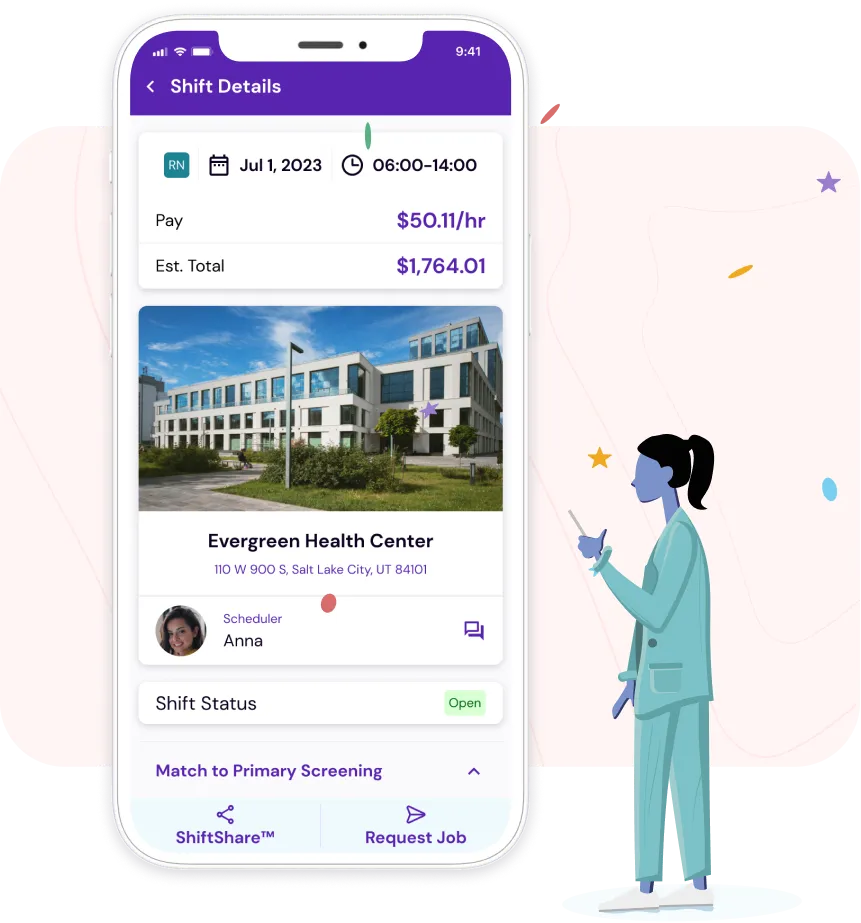
Completed! We will notify you when we have desired shifts for you.
Until then, you can continue with the app to signup or login.
Continue
Until then, you can continue with the app to signup or login.
Oops! Something went wrong while submitting the form.
Popular Topics
Start exploring PRN jobs opportunities here
These quick links are here to streamline your search and discover a range of opportunities tailored to your preferences.
Interested in healthcare shifts?
Apply for Jobs
Pick Up a Job Today
Find per diem PRN job opportunities in your area. High paying CNA, LPN and RN and many more licences are available now.
Join Nursa
Post Your Jobs Today
Facilities who use Nursa fill 3 times as many open per diem shifts, on average, compared to trying to fill the shifts themselves.
Post Jobs