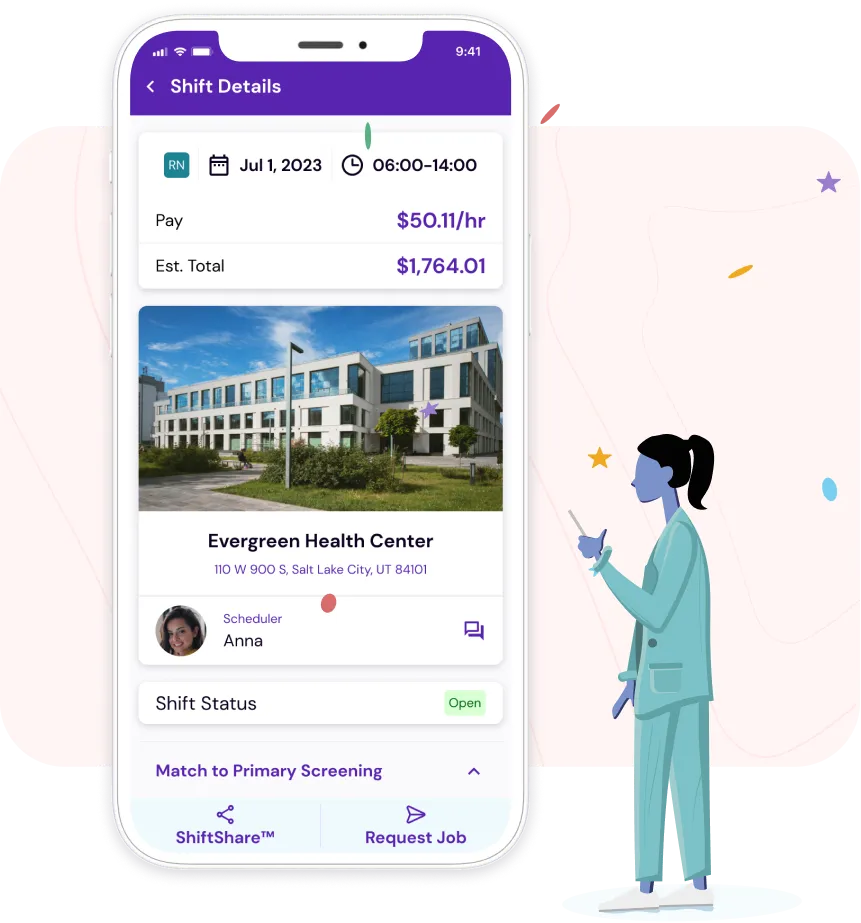
Nomoli Healthcare may require an orientation before approving clinicians to pick up shifts at its location. The record appears on a shift's credential list, and the policy behind it belongs to the operator.
What the record establishes and what it does not
An orientation confirms one thing: that a clinician has been through the material this operator provides for people working its buildings. It says nothing about clinical competence, which licensure, certification, and experience already document. Keeping that scope narrow is why the record belongs to the operator rather than to a certifying body, and why it does not carry anywhere else.
What these records typically include
Material of this type compresses what a permanent hire absorbs gradually into something completed beforehand.
- Facility protocols covering how the operator runs its units.
- Standards that apply to clinicians working on a registry basis.
- Resident care policies specific to the operator.
The first shift at an unfamiliar building
More of what makes a shift go smoothly is local than clinical: where things are kept, how handoff runs, who to call and when. An orientation is the operator's attempt to supply that in advance, which is worth completing with time to spare rather than close to a shift date.
How to add this credential to your Nursa profile
Facility orientations are added the same way as any other credential.
- Navigate to your Profile in the Nursa app.
- Locate Credentials on your profile view.
- Select the "+" button.
- Select "Add Credential."
- Select the credential you want to add.
- Follow the instructions to add your credential.
Depending on the credential type, this may require uploading proof of the certification, reviewing and signing a document, or completing a facility-required training in ShiftReady. ShiftReady is an online learning management platform that offers clinicians access to a library of third-party training resources.
Not on Nursa yet? Sign up with Nursa to start picking up PRN shifts.