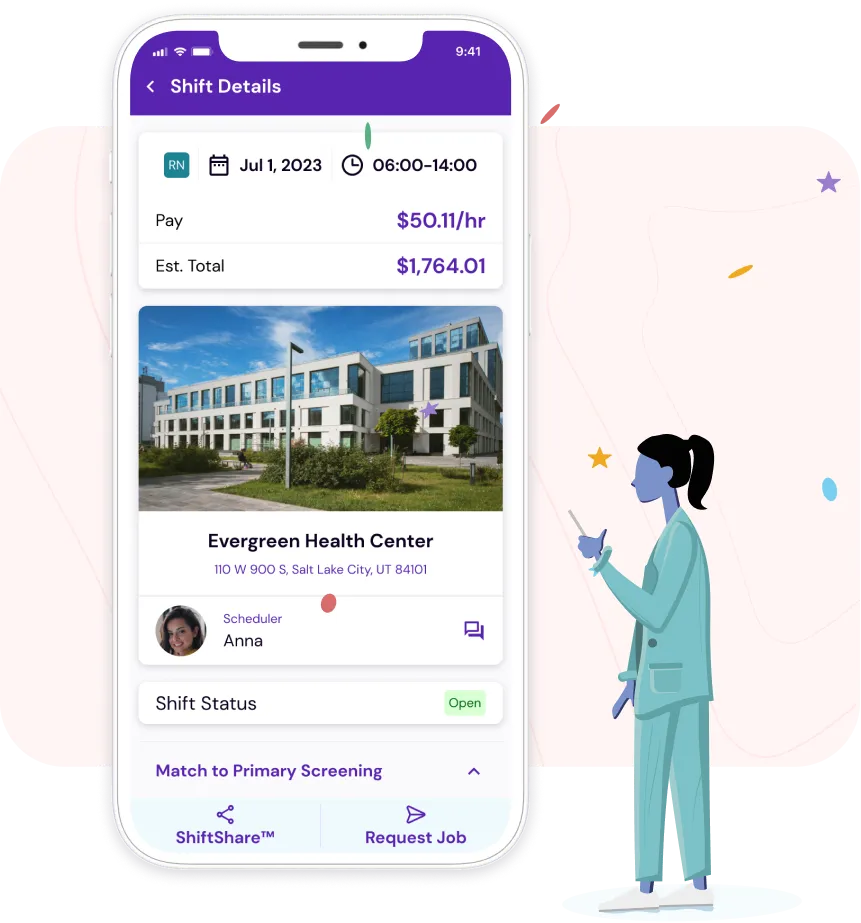
A well-crafted resume is an essential tool for healthcare professionals seeking to showcase their qualifications, experience, and unique value to potential employers. An effective healthcare resume highlights relevant education, licenses, certifications, clinical skills, and professional achievements in a clear, concise, and visually appealing format. By tailoring the content and design to the specific role and facility, healthcare professionals can increase their chances of standing out in a competitive job market and securing interviews for their desired positions. In addition to a strong resume, maintaining a robust online profile on platforms like Nursa can further enhance a candidate's professional visibility and credibility.
What are the key components of a healthcare resume?
While the exact sections and order may vary depending on the individual's background and the target role, a typical healthcare resume includes the following key components:
- Contact information: Name, professional credentials (e.g., RN, MD), phone number, email address, and location (city, state).
- Professional summary: A brief, high-level overview of the candidate's key qualifications, experience, and career goals, tailored to the specific position and facility.
- Licenses and certifications: A list of current professional licenses, certifications, and registrations, including numbers and expiration dates.
- Education: Degrees earned, institutions attended, and graduation dates, listed in reverse chronological order (most recent first).
- Clinical skills: A bulleted list or table highlighting proficiencies in relevant clinical skills, procedures, and technologies.
- Professional experience: Detailed descriptions of previous healthcare roles, including job titles, facility names, dates of employment, and key responsibilities and achievements, listed in reverse chronological order.
- Volunteer experience: Relevant volunteer work in healthcare settings or with patient populations.
- Professional affiliations: Memberships in professional organizations, committees, or advisory boards.
- Awards and honors: Recognition for outstanding performance, leadership, or contributions to the healthcare field.
- Continuing education: Recent courses, workshops, or conferences completed to maintain and enhance professional knowledge and skills.
Optional sections may include research experience, publications, presentations, language skills, and relevant technology proficiencies.
What are some best practices for formatting and content?
To create a resume that is both informative and visually appealing, consider the following best practices:
- Use a clear, legible font: Choose a professional font like Arial, Calibri, or Times New Roman in a readable size (10-12 points).
- Employ consistent formatting: Use consistent font sizes, styles, and spacing throughout the document to create a polished, cohesive look.
- Prioritize readability: Use bullet points, short paragraphs, and ample white space to break up text and make the content easy to scan.
- Lead with a strong summary: Craft a compelling professional summary that immediately conveys your key strengths, experience, and fit for the role.
- Emphasize relevant skills: Highlight clinical skills, procedures, and technologies that are most relevant to the target position and facility.
- Use strong action verbs: Begin each bullet point or achievement statement with a powerful action verb (e.g., "initiated," "coordinated," "improved") to convey your impact and leadership.
- Quantify achievements: Where possible, use specific numbers, percentages, or outcomes to demonstrate the scope and significance of your accomplishments (e.g., "Reduced patient falls by 25% through implementing a new risk assessment protocol").
- Tailor content to the role: Customize your resume for each job application, emphasizing the experiences, skills, and keywords that align with the position requirements and facility mission.
- Proofread carefully: Review your resume multiple times for spelling, grammar, and formatting errors, and consider asking a trusted colleague or mentor for feedback.
- Keep it concise: Aim for a resume length of 1-2 pages, focusing on the most relevant and impactful information for the target role.
By following these best practices, healthcare professionals can create resumes that effectively showcase their qualifications and experience in a compelling, easily digestible format.
How can healthcare professionals tailor their resumes for specific roles and facilities?
To make a resume stand out to a particular employer, it's essential to customize the content and language for each job application:
- Review the job description: Carefully read the job posting and note the key qualifications, responsibilities, and language used to describe the ideal candidate.
- Research the facility: Visit the facility's website and social media profiles to understand its mission, values, patient population, and strategic priorities.
- Highlight relevant experience: Emphasize previous roles, responsibilities, and achievements that closely match the requirements and priorities of the target position and facility.
- Use facility-specific language: Incorporate keywords and phrases from the job description and facility website into your resume, demonstrating your understanding of their unique needs and culture.
- Showcase aligned values: Highlight experiences or accomplishments that reflect the facility's mission and values, such as patient-centered care, teamwork, or continuous quality improvement.
- Feature transferable skills: If you lack direct experience in a particular setting or specialty, emphasize transferable skills and competencies that demonstrate your adaptability and potential to succeed in the role.
- Customize the summary: Tailor your professional summary to the specific position and facility, highlighting your most relevant strengths, experience, and passion for their mission.
- Prioritize key information: Structure your resume to feature the most important and relevant sections first, ensuring that the employer quickly sees your fit for their needs.
By taking the time to customize your resume for each opportunity, you demonstrate your genuine interest, attention to detail, and commitment to contributing to the specific facility and role.
Enhancing your professional presence beyond the resume
In addition to a strong resume, healthcare professionals can benefit from maintaining a robust online presence on professional platforms and networks:
- Create a Nursa profile: Sign up as a clinician on Nursa and complete your professional profile, highlighting your education, licenses, certifications, skills, and experience. Keep your profile up to date and aligned with your resume.
- Engage in professional networks: Join and actively participate in online professional communities, such as LinkedIn groups or industry-specific forums, to expand your network, stay current on trends, and demonstrate your expertise.
- Share your knowledge: Consider writing articles, blog posts, or social media updates that showcase your insights, experiences, and passion for your healthcare specialty. This can help establish you as a thought leader and enhance your professional reputation.
- Seek recommendations and endorsements: Request recommendations or skill endorsements from colleagues, supervisors, or mentors who can speak to your strengths and contributions. These third-party validations can bolster your credibility and help you stand out to potential employers.
By combining a compelling resume with a strong online professional presence, healthcare candidates can create a holistic and impactful narrative of their qualifications, experience, and unique value to prospective employers.