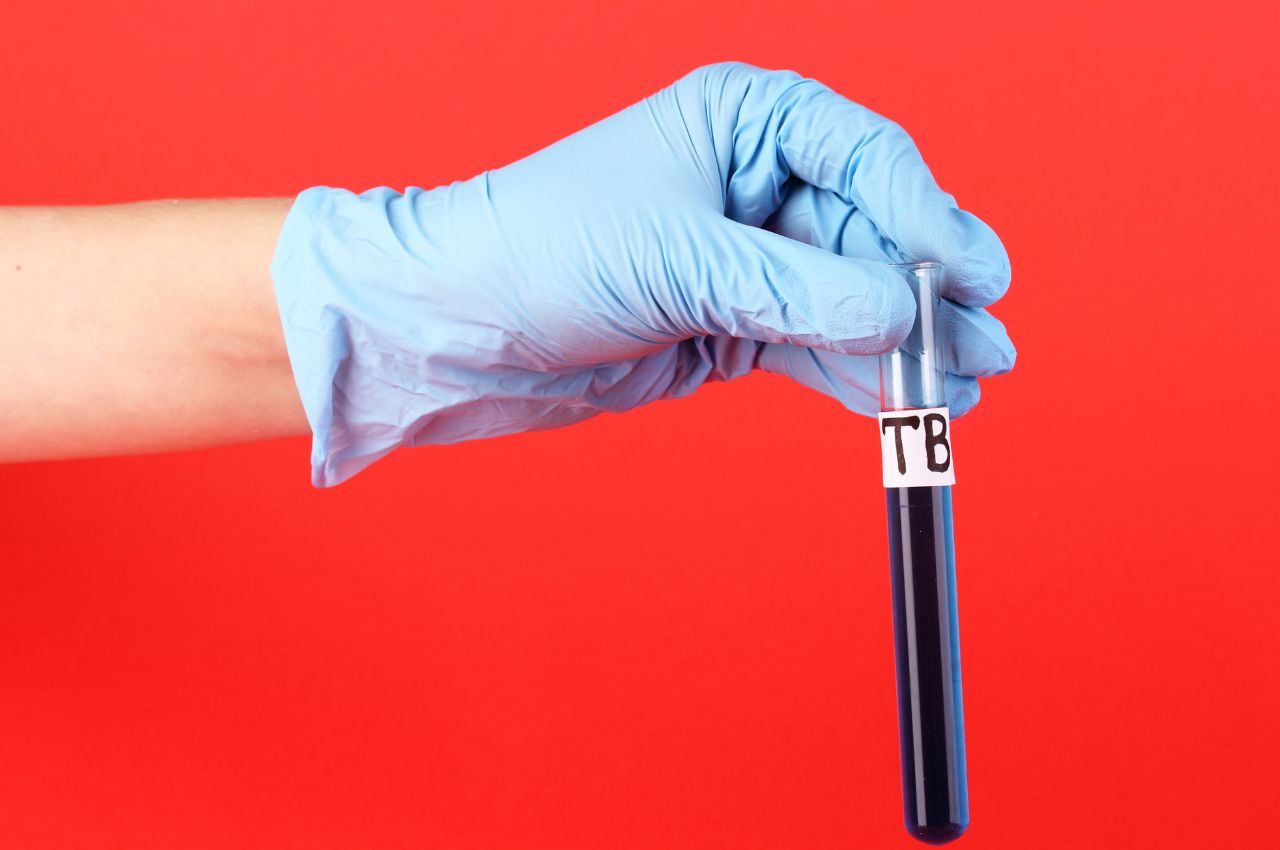
TB tests are diagnostic tools used to screen for tuberculosis (TB) infection. Healthcare professionals often undergo TB testing as part of pre-employment screening, annual surveillance, or post-exposure evaluation to prevent the spread of TB in healthcare settings. The two main types of TB tests are the tuberculin skin test (TST) and interferon-gamma release assays (IGRAs). The TST, also known as the purified protein derivative (PPD) test, involves injecting a small amount of tuberculin fluid under the skin and evaluating the site for a reaction 48 to 72 hours later. IGRAs, such as QuantiFERON-TB Gold (QFT) and T-SPOT.TB, measure the immune system's response to TB bacteria in a blood sample. Interpreting and documenting TB test results is a crucial responsibility for healthcare professionals to ensure proper follow-up and treatment of TB infections, as well as to comply with workplace health and safety requirements. Including TB test results on a Nursa profile can demonstrate a healthcare professional's commitment to maintaining a safe and healthy work environment.
Why are TB tests important for healthcare professionals?
TB tests are important for healthcare professionals for several reasons:
- Detecting latent TB infection (LTBI): TB tests can identify individuals with LTBI, a state in which a person is infected with TB bacteria but does not have active TB disease. Healthcare professionals with LTBI are at risk of developing active TB, which can be transmitted to others, including vulnerable patients.
- Infection control: Regular TB testing helps healthcare facilities monitor the TB status of their staff and identify potential infections early. This allows for prompt follow-up, further evaluation, and treatment if necessary, reducing the risk of TB transmission in the healthcare setting.
- Regulatory compliance: Many healthcare facilities and regulatory agencies require healthcare professionals to undergo TB screening as a condition of employment or licensure. Completing and documenting TB tests helps healthcare professionals meet these requirements and maintain compliance with workplace health and safety standards.
- Patient safety: By identifying and managing TB infections among healthcare professionals, TB tests help prevent the spread of TB to patients, especially those with weakened immune systems or other risk factors for TB disease.
- Personal health: TB testing allows healthcare professionals to monitor their own TB status and seek prompt evaluation and treatment if needed, reducing the risk of developing active TB disease and potential health complications.
Ultimately, TB tests are a critical tool for safeguarding the health of both healthcare professionals and the patients they serve, and for maintaining a safe and infection-free healthcare environment.
How should healthcare professionals interpret TB test results?
Interpreting TB test results depends on the specific type of test used:
Tuberculin Skin Test (TST):
- Positive result: An induration (raised, hardened area) of 10 mm or greater is considered positive in healthcare professionals, regardless of risk factors. A positive TST indicates the need for further evaluation, including a chest x-ray and clinical assessment, to rule out active TB disease. If active TB is excluded, treatment for LTBI may be recommended to prevent progression to active disease.
- Negative result: An induration of less than 10 mm is considered negative in healthcare professionals. A negative TST suggests that the individual is unlikely to have TB infection. However, a negative result does not completely rule out TB infection, particularly in individuals with a compromised immune system or recent exposure to TB.
Interferon-Gamma Release Assays (IGRAs):
- Positive result: A positive IGRA result indicates that the person is likely infected with TB bacteria. However, it does not differentiate between LTBI and active TB disease. Healthcare professionals with a positive result should undergo further evaluation, including a chest x-ray and clinical assessment, to rule out active TB. If active TB is excluded, treatment for LTBI may be recommended.
- Negative result: A negative IGRA result suggests that the person is not infected with TB bacteria. However, a negative result does not completely rule out TB infection, particularly in individuals with a compromised immune system or recent exposure to TB.
- Indeterminate result: An indeterminate IGRA result means that the test did not produce a clear positive or negative outcome, often due to technical issues with the blood sample or the person's immune response. Healthcare professionals with an indeterminate result should repeat the test or consider alternative TB screening methods, such as a TST or chest x-ray.
Healthcare professionals should discuss their TB test results with their employer's occupational health department or a qualified healthcare provider to determine the appropriate follow-up actions and to ensure proper documentation of the results in their medical records.
How can healthcare professionals document TB test results on Nursa profiles?
Healthcare professionals who have completed a TB test can add this important screening to their Nursa profile to demonstrate their commitment to maintaining a safe and healthy work environment:
- Tap Menu in the top left of the Nursa app.
- Select Profile.
- Scroll to the Health and Safety section.
- Tap Add Health Record.
- Enter the type of TB test (TST or IGRA), the date of the test, and the result (positive, negative, or indeterminate for IGRAs).
By including TB test results on their Nursa profile, healthcare professionals can provide evidence of their compliance with workplace health and safety requirements and showcase their proactive approach to preventing the spread of TB in healthcare settings.
Sign up as a clinician and join the effort to create a safer, healthier healthcare environment for all by staying up to date with TB screening and other essential health and safety practices. By completing and documenting TB tests, you demonstrate your commitment to protecting your own well-being and the well-being of your colleagues, patients, and community. Take an active role in preventing the spread of TB and other infectious diseases, and help build a culture of safety and responsibility in your healthcare workplace.