The Gardens at Monroe may require an orientation before approving clinicians to pick up shifts at the location. The record belongs to this community and appears on a shift's credential list as its own entry.
What the material sets out to do
Orientation exists to hand over the local layer of a place: the routines, the systems, and the expectations that a license does not carry with it. It is the one credential written specifically for the building a clinician is walking into, which is also why it stays with that operator and does not travel.
What the material generally sets out
- How the community organizes its day and runs its units.
- What is expected of clinicians picking up shift by shift.
- The care approaches this location follows with its residents.
Since the content describes one place, it belongs to that operator rather than to an outside certifying body.
Reading a credential list before requesting
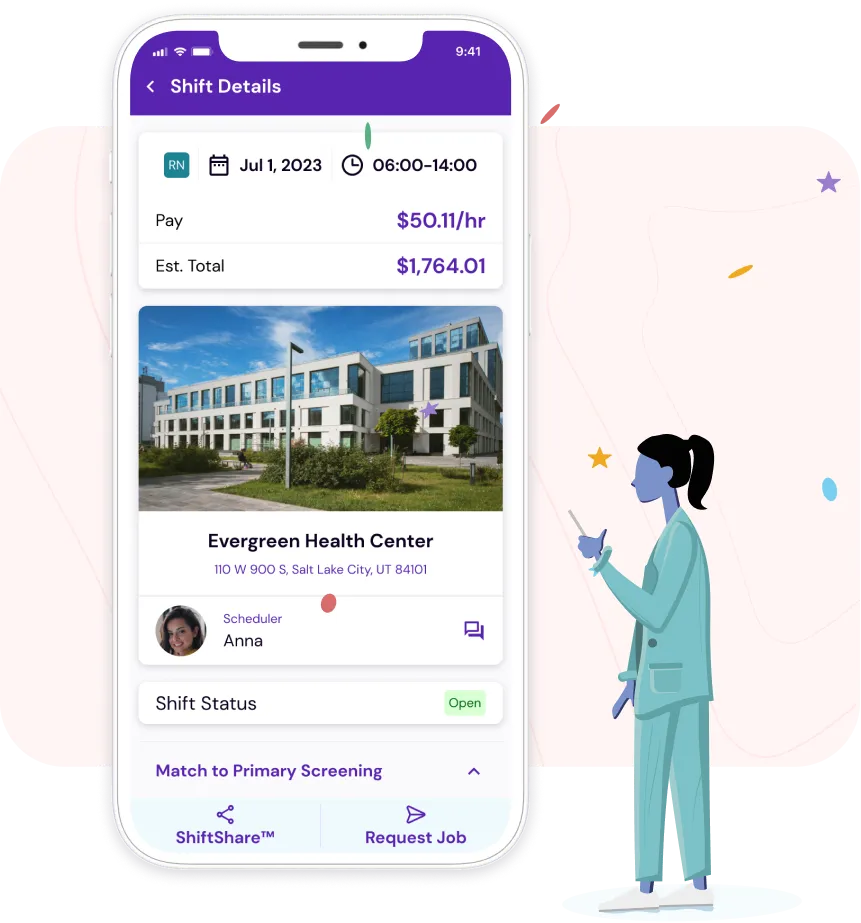
The list attached to a shift is the earliest indication of what a community expects, and it reflects that location and that role rather than the operator generally. Checking it first leaves room to sort out anything missing, which matters more when a posting goes up at short notice. Clinicians new to working per diem often find this the habit that makes the difference.
How to add this credential to your Nursa profile
Community orientations are added the same way as any other credential:
- Navigate to your Profile in the Nursa app.
- Locate Credentials on your profile view.
- Select the "+" button.
- Select "Add Credential."
- Select the credential you want to add.
- Follow the instructions to add your credential.
Depending on the credential type, this may require uploading proof of the certification, reviewing and signing a document, or completing a facility-required training in ShiftReady. ShiftReady is an online learning management platform that offers clinicians access to a library of third-party training resources.
Not on Nursa yet? Sign up with Nursa to start picking up PRN shifts.