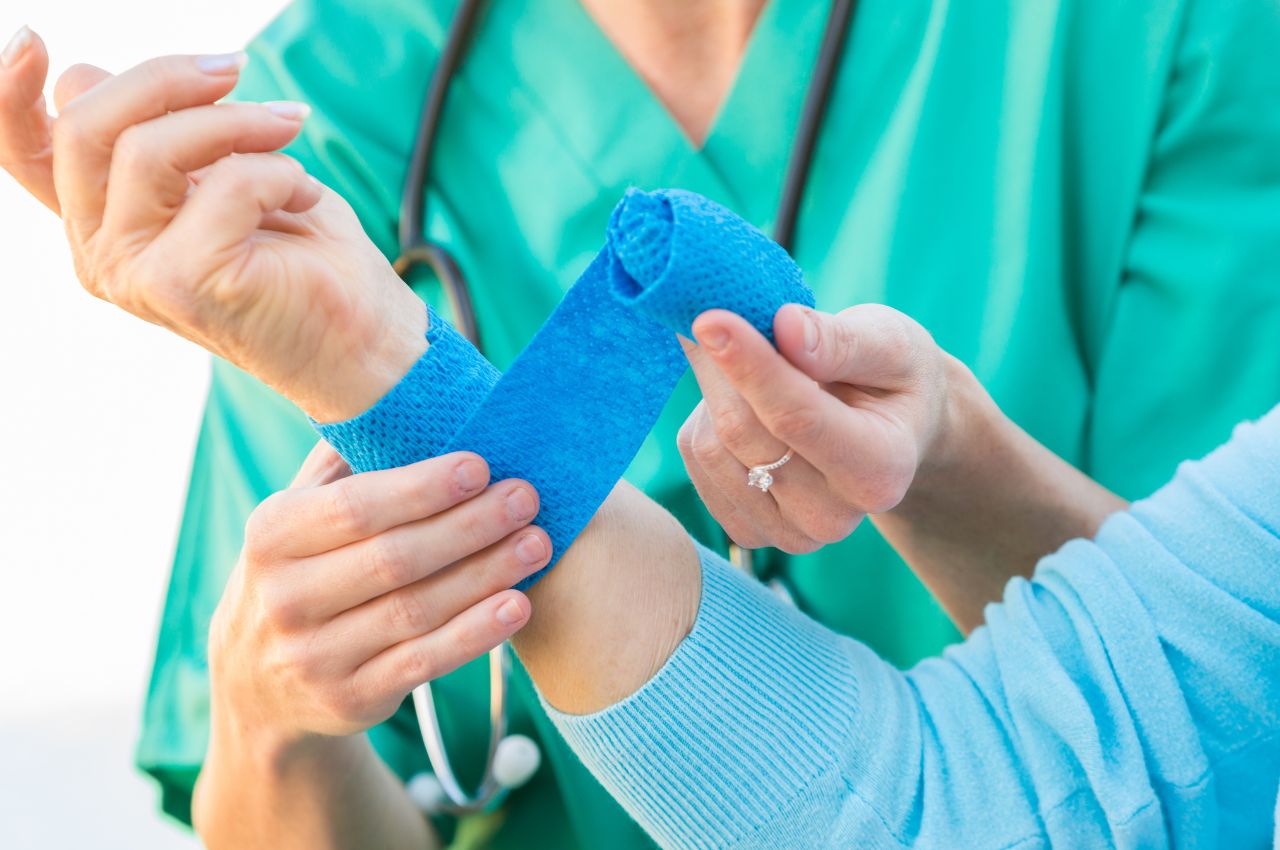
Wound Care Certification is a highly respected credential that recognizes healthcare professionals who have demonstrated advanced knowledge, skills, and dedication in the field of wound management. Obtaining this certification involves completing a comprehensive training program that covers the latest evidence-based practices, technologies, and products in wound care, as well as passing a rigorous examination to validate one's expertise. Healthcare professionals with Wound Care Certification are well-prepared to assess, diagnose, and treat a wide range of acute and chronic wounds, including pressure ulcers, diabetic foot ulcers, venous leg ulcers, and surgical wounds. They play a critical role in improving patient outcomes, reducing complications, and promoting faster healing through the application of specialized wound care interventions and collaboration with interdisciplinary teams.
Benefits of Wound Care Certification
Obtaining Wound Care Certification offers numerous benefits for healthcare professionals, their patients, and their organizations:
- Advanced knowledge and skills: Wound Care Certification training programs provide in-depth education on the latest evidence-based practices, technologies, and products in wound management, equipping healthcare professionals with the advanced knowledge and skills needed to effectively assess, diagnose, and treat complex wounds.
- Improved patient outcomes: Healthcare professionals with Wound Care Certification are better prepared to develop and implement individualized treatment plans that address the unique needs of each patient, leading to faster healing, reduced complications, and improved quality of life for those living with chronic wounds.
- Enhanced professional credibility: Wound Care Certification is a widely recognized and respected credential that demonstrates a healthcare professional's commitment to excellence in wound management, enhancing their credibility among colleagues, employers, and patients.
- Expanded career opportunities: Healthcare professionals with Wound Care Certification may be eligible for advanced roles, such as wound care specialist, consultant, or educator, and may have greater opportunities for career advancement and leadership within their organizations.
- Increased earning potential: Wound Care Certification can lead to higher salaries and more competitive compensation packages, as employers recognize the value of specialized expertise in wound management.
- Contribution to interdisciplinary teams: Healthcare professionals with Wound Care Certification are well-prepared to collaborate with and contribute to interdisciplinary wound care teams, including physicians, nurses, physical therapists, and dietitians, to provide comprehensive, coordinated care for patients with complex wounds.
- Compliance with regulatory requirements: Many healthcare organizations and regulatory agencies require or strongly prefer healthcare professionals with Wound Care Certification for roles involving wound management, as it demonstrates compliance with industry standards and best practices.
Eligibility and requirements for Wound Care Certification
Eligibility requirements for Wound Care Certification may vary depending on the certifying organization and the specific certification program. However, most programs typically require candidates to meet the following criteria:
- Licensed healthcare professional: Candidates must hold a current, unrestricted license in their respective healthcare profession, such as nursing, physical therapy, or occupational therapy.
- Clinical experience: Candidates must have a minimum number of years of clinical experience, typically ranging from 1-3 years, with a significant portion of that time dedicated to wound care.
- Continuing education: Candidates may be required to complete a certain number of continuing education hours in wound care-related topics prior to applying for certification.
- Successful completion of a certification program: Candidates must complete a comprehensive wound care certification training program, which may include didactic coursework, hands-on skills training, and clinical practicums.
- Passing a certification exam: Candidates must pass a rigorous certification examination that tests their knowledge and application of evidence-based wound care practices, technologies, and products.
Once certified, healthcare professionals typically must meet ongoing requirements to maintain their Wound Care Certification, such as completing continuing education credits and renewing their certification every 2-5 years.
Showcasing Wound Care Certification on Nursa
Healthcare professionals who have obtained Wound Care Certification can showcase this achievement on their Nursa profile to demonstrate their advanced expertise and commitment to excellence in wound management:
- Tap Menu in the top left of the Nursa app.
- Select Profile.
- Scroll to the Certifications section.
- Tap Add your Certification.
- Enter "Wound Care Certification" as the certification name, the certifying organization, and the expiration date.
By highlighting their Wound Care Certification on Nursa, healthcare professionals can differentiate themselves as highly skilled and knowledgeable wound care experts, making them more attractive to employers and patients seeking specialized wound management services.
Sign up as a clinician and take the first step towards advancing your career in wound care. By obtaining Wound Care Certification and showcasing your achievement on your Nursa profile, you can demonstrate your commitment to providing the highest quality, evidence-based care for patients with complex wounds. Embrace this opportunity to expand your knowledge, enhance your skills, and make a meaningful difference in the lives of those affected by acute and chronic wounds.