


Mary Baldwin University


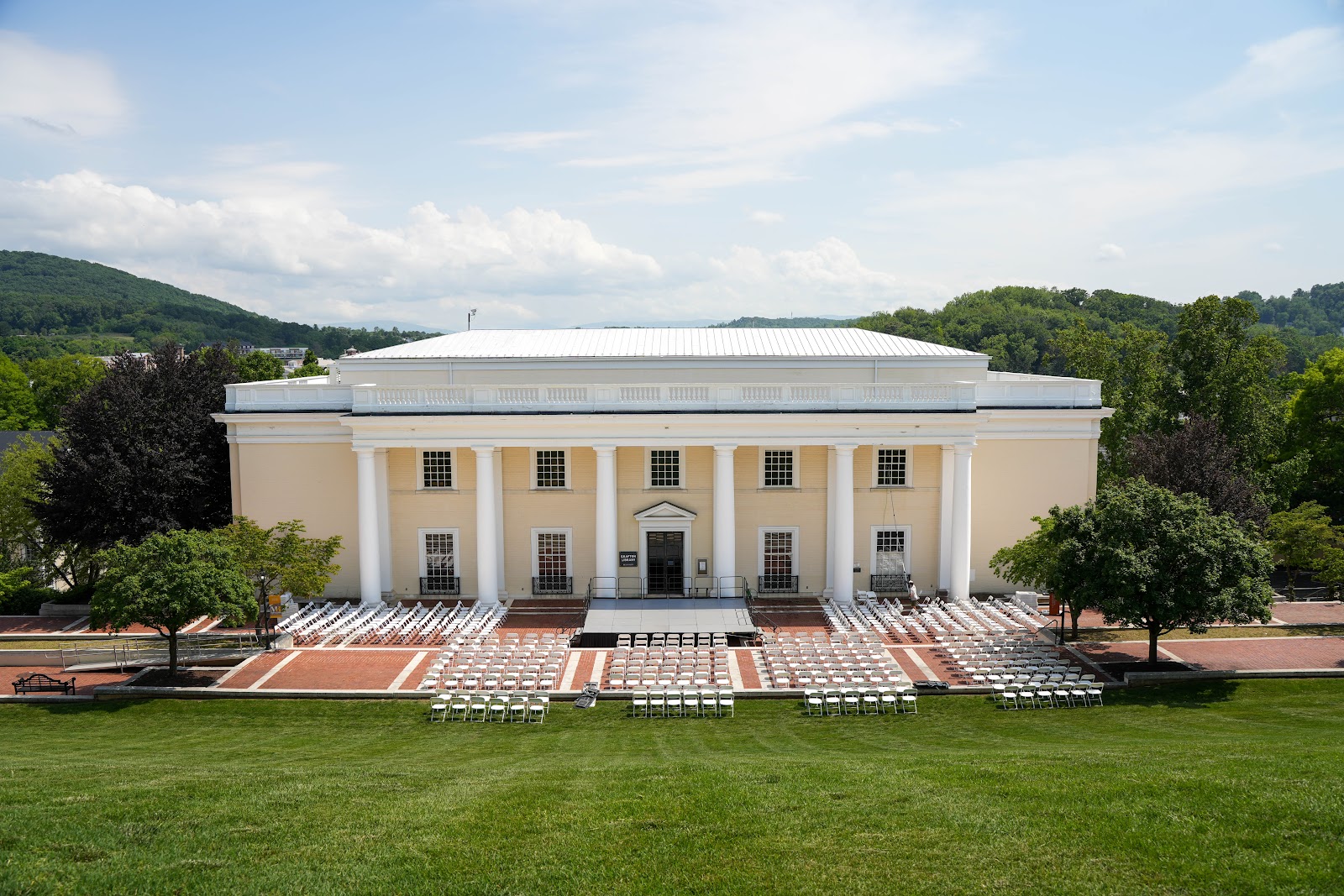


Mary Baldwin University occupies a historic campus in downtown Staunton, Virginia, in the Shenandoah Valley. Founded in 1842 and long a women's college, it became fully coeducational in recent years and now enrolls undergraduate and graduate students across the liberal arts and professional programs. Health sciences operate separately from the main campus at the Murphy Deming College of Health Sciences in Fishersville, roughly six miles east, in a purpose-built facility designed around simulation labs and interprofessional training space.
Nursing at Murphy Deming sits alongside physical therapy, occupational therapy, and physician assistant programs, which means students train in a building where other health professions are learning simultaneously and coursework can be structured around team-based care. The nursing sequence moves through anatomy and physiology, pharmacology, pathophysiology, and health assessment into nursing care across medical-surgical, maternal-newborn, pediatric, psychiatric-mental health, and community settings, with simulation work preceding supervised clinical rotations at hospitals and agencies throughout the valley. Graduates are prepared for registered nurse licensure. Compared with Virginia's large public nursing programs, Mary Baldwin offers small cohorts and a dedicated health sciences campus in a rural region where clinical placements come with less competition.
Do you manage this facility? Claim your profile now to suggest edits to this page.
Manage your clinical education on Nursa
Programs
A BSN is a 4-year university RN degree, widely preferred by employers and required for many advanced roles, whose graduates are eligible to take the NCLEX-RN.
An MSN is a 2–3 year graduate degree that prepares RNs for advanced practice, leadership, and specialized roles such as nurse practitioner or nurse educator.
A DNP is the highest clinical nursing degree, taking 2–4 years, preparing nurses for advanced practice, executive leadership, and policy roles—distinct from the research-focused PhD.
A post-graduate APRN certificate is a 12–24 month credential that lets MSN-prepared nurses add or change an advanced practice specialty without earning a second degree.
Address
Manage your clinical education

Pick Up a Job Today
Find per diem PRN job opportunities in your area. High paying CNA, LPN and RN and many more licences are available now.
Join Nursa
Track Your Clinical Placements
Nursa Study helps nursing schools, students, and clinical sites easily coordinate clinical placements.
Learn More