


Otterbein University


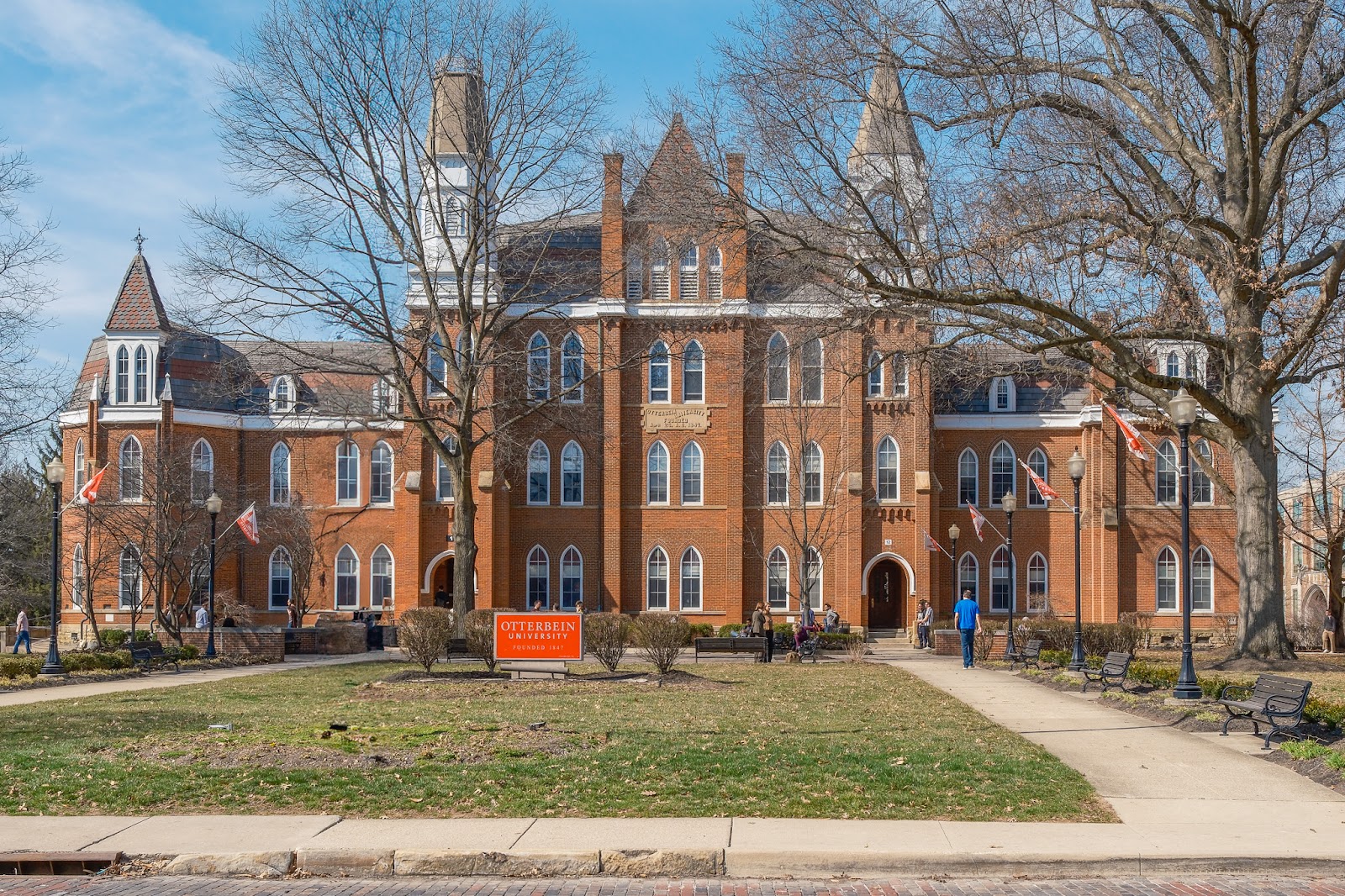


Otterbein University is a distinguished private institution that provides a range of nursing pathways, including a traditional four-year Bachelor of Science in Nursing (BSN), a Master of Science in Nursing (MSN), and a Doctor of Nursing Practice (DNP). The undergraduate curriculum requires 120 credit hours, blending liberal arts with professional nursing science. Advanced tracks include a highly competitive Nurse Anesthesia program and Family Nurse Practitioner (FNP) specializations. The program is recognized for its small class sizes, ensuring that students receive the individual attention necessary to master complex clinical judgment.
The curriculum is designed around hands-on experience, utilizing state-of-the-art simulation laboratories that feature high-fidelity patient manikins. A signature element of the BSN program is the senior year immersion, where students spend their final semester working one-on-one with a nurse preceptor. This provides nearly 200 hours of direct patient care in a single setting, totaling over 600 clinical hours throughout the program. Clinical rotations are held at top-tier facilities, including OhioHealth and Nationwide Children’s Hospital, covering specialties from acute care to community health.
Graduates are exceptionally prepared for the NCLEX-RN exam, with recent cohorts achieving a 100% first-time pass rate. Otterbein is consistently ranked as a "College of Distinction" for its nursing program and is noted for its 100% job placement rate. Compared to larger public universities in the Columbus area, Otterbein offers a more intimate, supportive environment that prioritizes student-faculty collaboration and community-based service learning.
Do you manage this facility? Claim your profile now to suggest edits to this page.
Manage your clinical education on Nursa
Programs
A BSN is a 4-year university RN degree, widely preferred by employers and required for many advanced roles, whose graduates are eligible to take the NCLEX-RN.
An MSN is a 2–3 year graduate degree that prepares RNs for advanced practice, leadership, and specialized roles such as nurse practitioner or nurse educator.
A DNP is the highest clinical nursing degree, taking 2–4 years, preparing nurses for advanced practice, executive leadership, and policy roles—distinct from the research-focused PhD.
A post-graduate APRN certificate is a 12–24 month credential that lets MSN-prepared nurses add or change an advanced practice specialty without earning a second degree.
Address
Manage your clinical education

Pick Up a Job Today
Find per diem PRN job opportunities in your area. High paying CNA, LPN and RN and many more licences are available now.
Join Nursa
Track Your Clinical Placements
Nursa Study helps nursing schools, students, and clinical sites easily coordinate clinical placements.
Learn More