

Vermont offers nursing jobs focused on community health, geriatric care, and a slower-paced, resilient rural practice model. As an NLC state, nurses in the Green Mountain State enjoy flexibility, competitive pay, and a good work-life balance.
Vermont
Jump to section on this page

Anchor Link
.jpg)
Nursing in Vermont: A clinician’s guide
The beautiful state of Vermont is nationally recognized for its focus on preventive healthcare, strong rural communities, and a profound commitment to patient care.
Nursing clinicians in Vermont gain valuable experience through numerous opportunities to care for the aging population, as well as working in lower-volume settings that emphasize personal connection.
Healthcare in the Green Mountain State has a personal feel.
The state’s geography—stretching along the Green Mountains and Lake Champlain—supports a decentralized model that depends on versatile, independent clinicians.
For those seeking per diem nursing jobs in Vermont, the opportunity lies in slowing the fast pace of modern healthcare and returning to the profession’s core values: listening, educating, and caring for one's neighbors.
Vermont offers a professional environment that values nursing clinicians, while also providing a high quality of life and a low cost of living.
Why Vermont is an appealing place to practice
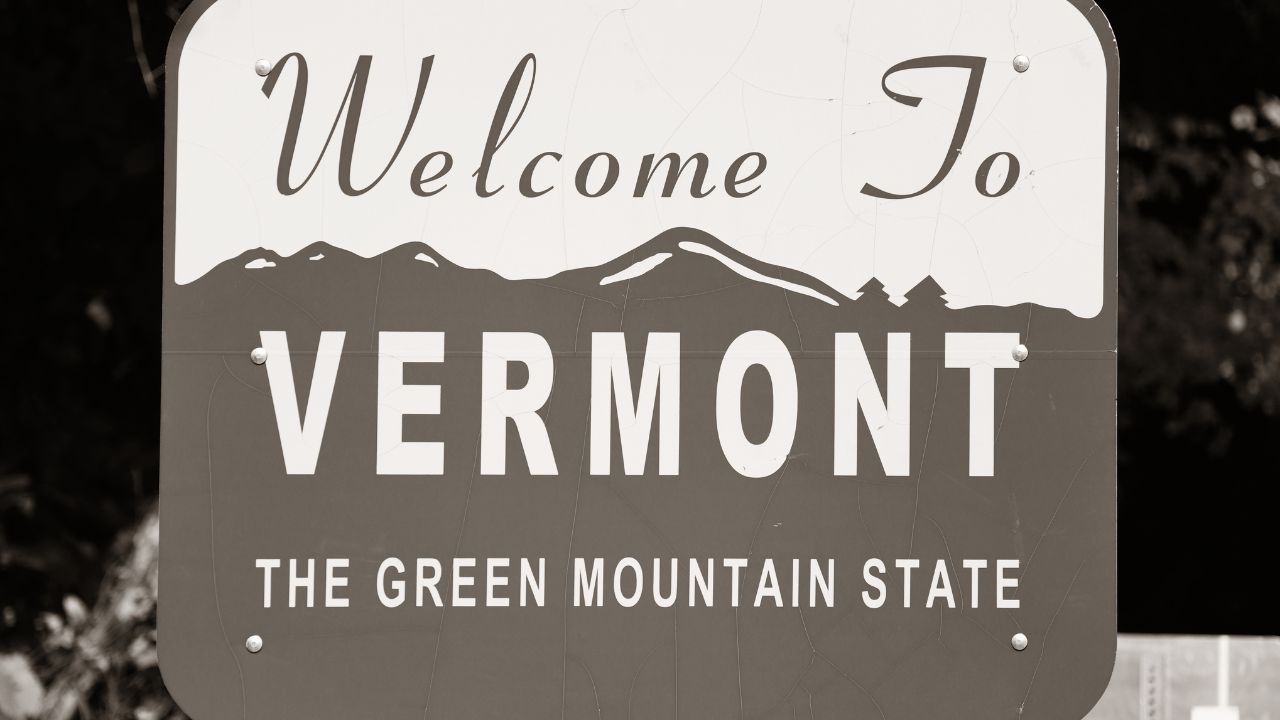
Vermont consistently ranks among the healthiest states in the nation.
This ranking is the result of a statewide commitment to primary care and social support known as the Blueprint for Health. For clinicians, this creates a work environment that values proactive wellness over reactive crisis management.
Strong statewide preventive care and community medicine focus
You will likely spend more time on patient education and chronic disease management here than in high-volume urban centers.
Slower pace, deeper continuity, and patient rapport
With lower patient-to-nurse ratios in many rural settings, you can spend more time with individual patients and build a greater rapport.
Small hospitals and clinics enhance general skillsets
In a 25-bed critical access hospital, a nurse may encounter a pediatric fever, a cardiac event, and a postoperative orthopedic case within the same shift. This builds a robust, ready-for-anything skillset.
Relational stability over volume-driven care
If you prefer knowing your patients by name rather than by room number, community health nursing in Vermont is the perfect fit.
Demographics and opportunity
Vermont has one of the oldest populations in the US.
In this state, nurses gain extensive experience in geriatric care and the management of complex chronic diseases. Vermont is ideal if you want expertise in caring for aging adults—a skill set that will be in demand for decades.
Highly regarded local nursing schools ensure a steady supply of community-focused clinicians for rural and critical access roles.
Where are care needs increasing across Vermont?
While Burlington serves as the academic medical hub, the true heartbeat of Vermont's healthcare—and the bulk of per diem nursing shifts in Vermont—lies in the smaller towns and rural counties.
Understanding Vermont’s regions helps you choose where to pick up shifts.
The Champlain Valley
The Champlain Valley, Vermont's most populated area (Burlington and St. Albans), has frequent openings for telemetry and intensive care unit (ICU) shifts due to its academic medical focus.
- The vibe: Academic, faster-paced, and higher acuity
- Key needs: Intensive care unit (ICU), emergency room (ER), and specialized surgical support
- Facilities: University of Vermont Medical Center (Level 1 Trauma) and Northwestern Medical Center
Central Vermont
Central Vermont (Barre, Montpelier, and Randolph) bridges rural mountains and urban centers.
- The vibe: Community-focused but busy
- Key needs: Medical-surgical nursing and psych/behavioral health
- Facilities: Central Vermont Medical Center and Gifford Medical Center
The Northeast Kingdom
This area covers St. Johnsbury, Newport, Caledonia, Essex, and Orleans. It’s Vermont’s most rural, medically underserved region.
- The vibe: Deeply rural, resilient, rugged
- Key needs: Rural medicine in Vermont is at its peak here. There is a critical shortage of staff for long-term care (LTC) and primary care support.
- Opportunity: The need for PRN nurses in Vermont is high here due to recruitment challenges.
- Facilities: Northeastern Vermont Regional Hospital and North Country Hospital
Southern Vermont
Bordering Massachusetts and New York, Brattleboro and Bennington experience a distinct demographic shift.
- The vibe: Historic, artsy, with a strong focus on mental health and rehabilitation
- Key needs: Psychiatric nursing and geriatric rehabilitation
- Facilities: Brattleboro Memorial Hospital and Southwestern Vermont Medical Center
Nursing roles in Vermont: Workforce mix and relevance
Vermont utilizes a unique blend of nursing roles to address its community health needs. It is crucial to use the correct terminology, especially when referring to nursing assistants, as the state is strict about licensure requirements.
Registered nurses
Vermont registered nurse (RN) jobs form the backbone of care. In rural hospitals, RNs must be highly autonomous and confident in their assessments, as specialists are often located at major centers, which can be an hour away.
- Role: Stabilizer, care coordinator, and decision-maker
- The PRN market: RNs are heavily recruited for ER, med-surg, and ICU shifts to cover census spikes during ski season and flu season.
Licensed practical nurses
Vermont licensed practical nurse (LPN) jobs are heavily concentrated in LTC facilities, rehabilitation centers, and outpatient clinics.
- Scope: In Vermont, LPNs are respected leaders in the geriatric care space. They frequently serve as the charge nurse in skilled nursing facilities, overseeing support staff and managing complex medication passes.
- Demand: As the aging-in-place model grows, LPNs are needed in home health and community clinics to manage wound care and chronic conditions.
Licensed nursing assistants
This is an important distinction for new workers. Vermont uses the term licensed nursing assistant (LNA), rather than certified nursing assistant (CNA).
- The difference: You are licensed by the Board of Nursing, not just certified. This reflects a higher level of professional recognition.
- Scope: LNAs provide direct patient care (hygiene, mobility, feeding, vitals) and basic restorative care.
- Note: The LNA scope strictly excludes nursing assessment or judgment.
- Workforce: LNAs are the backbone of Vermont healthcare, heavily represented in nursing homes and inpatient units.
Medication nursing assistants
Vermont recognizes the medication nursing assistant (MNA), rather than the common term certified medication aide (CMA) used in other states. This is an advanced role for experienced LNAs.
Requirements
To pick up medication aide jobs in Vermont, an LNA must generally:
- Have 4,000 hours of clinical experience
- Complete a Board-approved 80-hour course
- Pass a state-approved competency exam
Value of med aide roles
MNAs are incredibly valuable in assisted living and skilled nursing contexts, as they can administer routine medications under nurse supervision, freeing up nurses for clinical tasks.
Common care settings where Vermont nurses practice
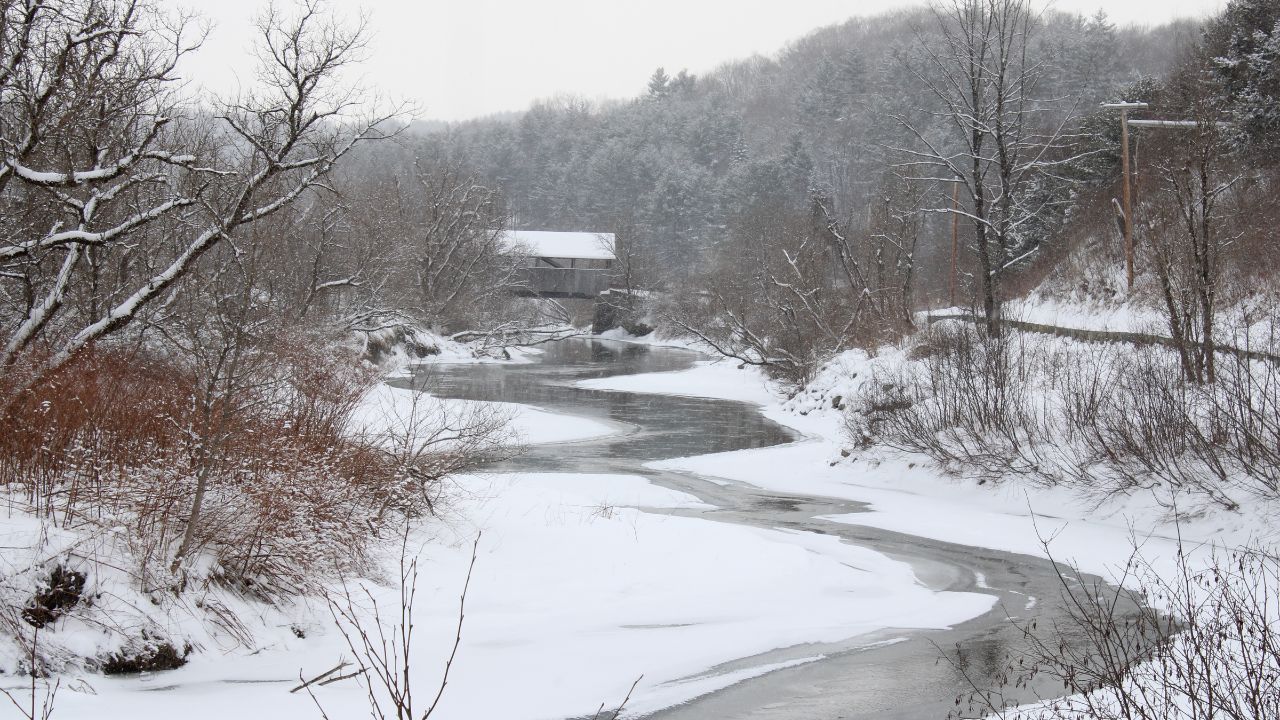
The landscape of healthcare facilities in Vermont is diverse, ranging from university-affiliated teaching hospitals to intimate 25-bed critical access centers.
Critical access hospitals
Vermont has a high density of critical access hospitals (CAHs)—small hospitals that provide important healthcare services in rural communities.
- What it's like: You might work on a swing bed unit, where patients transition from acute care to rehabilitation without having to change beds. This requires versatility, as the patient's status changes from sick to recovering under your care.
- Examples: Mt. Ascutney Hospital, Grace Cottage, and Copley Hospital
Long-term care and skilled nursing
This sector has a high volume of PRN shifts in Vermont.
- The atmosphere: Vermont nursing homes are often smaller and less institutional than national chains. Many are non-profits deeply connected to their town's history.
- The work: High-touch geriatric care, palliative support, and dementia care
Home health and visiting nurses
Due to the rural geography, patients often struggle to access healthcare. The Visiting Nurse Associations (VNAs) of Vermont employ high numbers of nursing clinicians.
- The work: Driving scenic backroads to provide wound care, IV antibiotics, and post-op checks in farmhouses and cabins.
- Note: All-wheel drive vehicles are recommended for winter shifts!
Mental health facilities
Vermont has a strong tradition of mental health care.
- The hub: The Brattleboro Retreat is a historic inpatient psychiatric hospital that draws clinicians from all over New England.
- Community: Designated agencies (DAs) across the state provide community-based mental health support, often utilizing nurses for medication management and other related services.
Licensing and practice structure considerations for Vermont
To work part-time nursing jobs in Vermont, you must first navigate the Vermont Board of Nursing, which is under the Office of Professional Regulation.
Is Vermont a compact state?
Yes. As of February 1, 2022, Vermont is officially a member of the Nurse Licensure Compact (NLC).
- What this means: If you hold a multistate license from another compact state (like New Hampshire, Maine, Texas, or Florida), you can practice in Vermont immediately without obtaining a new license.
- For Vermont residents: If Vermont is your primary state of residence (PSOR), you can apply for a multistate license, allowing you to work in other compact states.
LNA reciprocity and endorsement
Since LNAs are licensed, not just certified, reciprocity takes a few extra steps.
- Endorsement: If you are a CNA in another state, you must apply for licensure by endorsement. You typically need to provide proof of your current certification and, potentially, 400 hours of practice within the last 2 years.
- Timeline: Plan ahead. While the process is efficient, you cannot work as an LNA until your number is active on the Vermont registry.
MNA verification
Do not assume a medication aide certificate from another state transfers automatically. You must verify that your training meets Vermont's specific hour requirements.
Economic and work flexibility considerations in Vermont
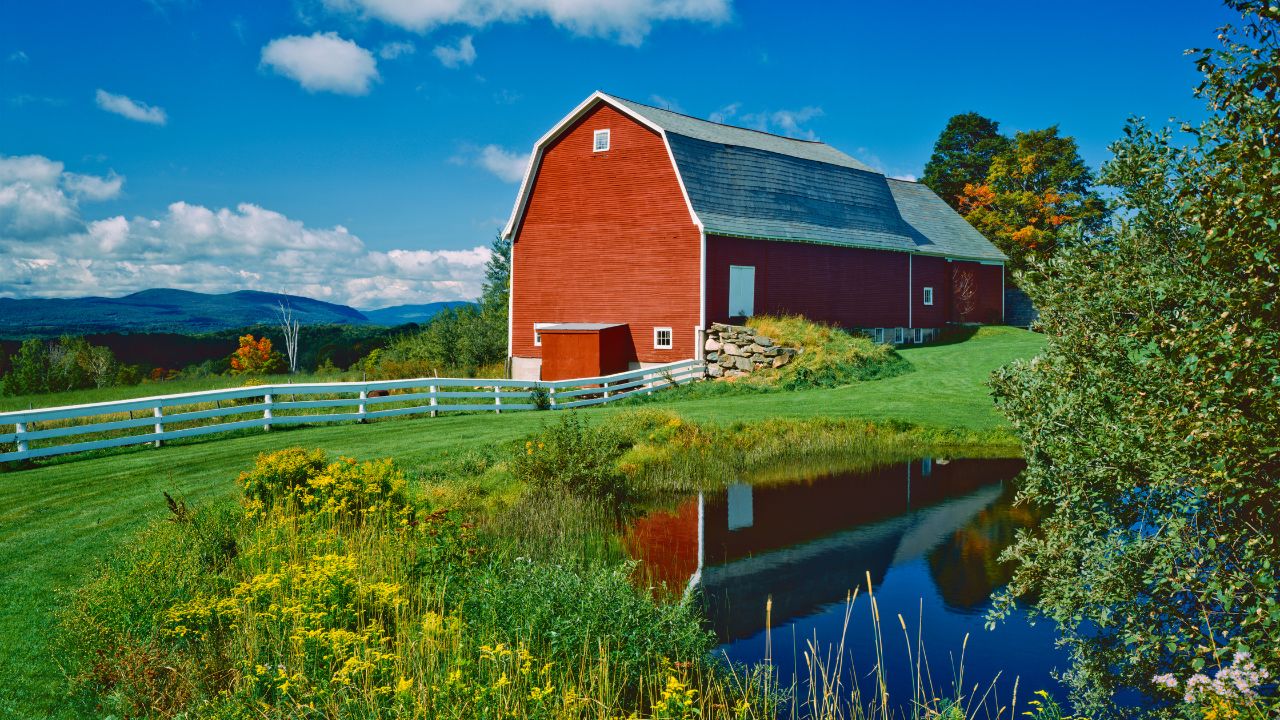
For many clinicians, the decision to work PRN is driven by economics and the desire for flexibility. Vermont nursing jobs offer a unique financial and lifestyle equation.
PRN supports flexible work-life alignment
Vermont attracts people who want to ski or hike on their days off.
PRN nurse shifts in Vermont enable you to tailor your schedule to your personal preferences, including your hobbies and the weather.
It is a common and respected path here to work hard during the off-season or pick up lucrative weekend shifts, leaving mid-week days open for the mountain.
Small community structure means stable workflow
In large urban hospitals, PRN staff can sometimes feel like bodies in a slot, thrown into chaotic environments with little support.
In Vermont’s smaller community structure, shift volume is often more stable. Even as a PRN nurse, you are likely to see the same patients and colleagues repeatedly, fostering a sense of belonging that is rare in gig work.
Economic advantages: Cost of living nuances
For clinicians seeking to maximize their earnings, understanding the cost-of-living differences between urban hubs and rural areas is crucial to securing a profitable assignment.
Burlington vs. the rest
Burlington has a housing crunch and high rents (comparable to some major cities). However, finding PRN nurse shifts in Vermont outside of Burlington—in towns like Rutland, Bennington, or St. Johnsbury—can offer a much lower cost of living.
Housing
In rural areas, housing is generally affordable; however, options can be limited. Many PRN nurses use short-term rentals or network with local staff to find rooms.
Pay rates
Generally, the highest-paying nursing jobs in Vermont are found in PRN shift work, where facilities pay a premium for the flexibility you provide. This helps offset living costs in places like the pricier Champlain Valley.
Check current wage trends for RNs, LPNs, and CNAs/LNAs to benchmark salary expectations.
Clinical strengths that support success in Vermont
Not every clinician is a fit for Northern New England nurse practice. The culture here is distinct. To thrive in Vermont nursing jobs, you should cultivate the following strengths.
MacGyver resourcefulness
In a rural critical access hospital, you may not always have a specialized team available.
You are the team. Clinicians who thrive here take pride in their ability to solve problems with limited resources.
Strong communication and relational skillset
You will be treating the town librarian, the local mechanic, and perhaps even as a neighbor. Patient confidentiality is paramount in small towns where everyone knows everyone.
The ability to communicate with warmth, discretion, and genuine empathy is non-negotiable.
Comfort with chronic care arcs
Slower doesn't mean easier. It might mean you have the time to do a full admission interview, without rushing. It might mean you have time to properly educate a diabetic patient on their diet.
Clinicians who are addicted to the adrenaline of Level 1 Trauma centers exclusively may find rural Vermont quiet—but those who value work-life balance and thoroughness will love it.
Winter readiness
This is a practical skill. If you are working in community health nursing in Vermont or home health, you need to be comfortable driving in snow and ice. Reliability in winter is a key professional trait here.
Lifestyle and cultural fit for practicing in Vermont
Vermont is more than a place to work; it is a lifestyle choice.
Nature and outdoor identity
The best cities for nurses in Vermont are those that offer immediate access to the outdoors.
- Winter: Skiing and snowboarding are central to the culture. Facilities near Killington, Stowe, and Sugarbush often see increased ER volume during winter, but also offer the best outdoor activities for staff.
- Summer/Fall: Hiking the Long Trail, gravel biking, and foliage tourism are the dominant activities.
- Clinician bonding: You are more likely to bond with your charge nurse over trail recommendations or the best local ski slopes than over hospital politics.
Intentional community culture
Vermont has a culture of intentional community. Town meetings are well-attended. Farmers' markets are social hubs.
For a PRN nurse, this means you are entering a setting where people care about:
- Sustainability
- Community
- Local issues
It is an ideal environment for the reflective clinician seeking a calm, space-oriented practice.
Benefits of PRN nursing in Vermont with Nursa
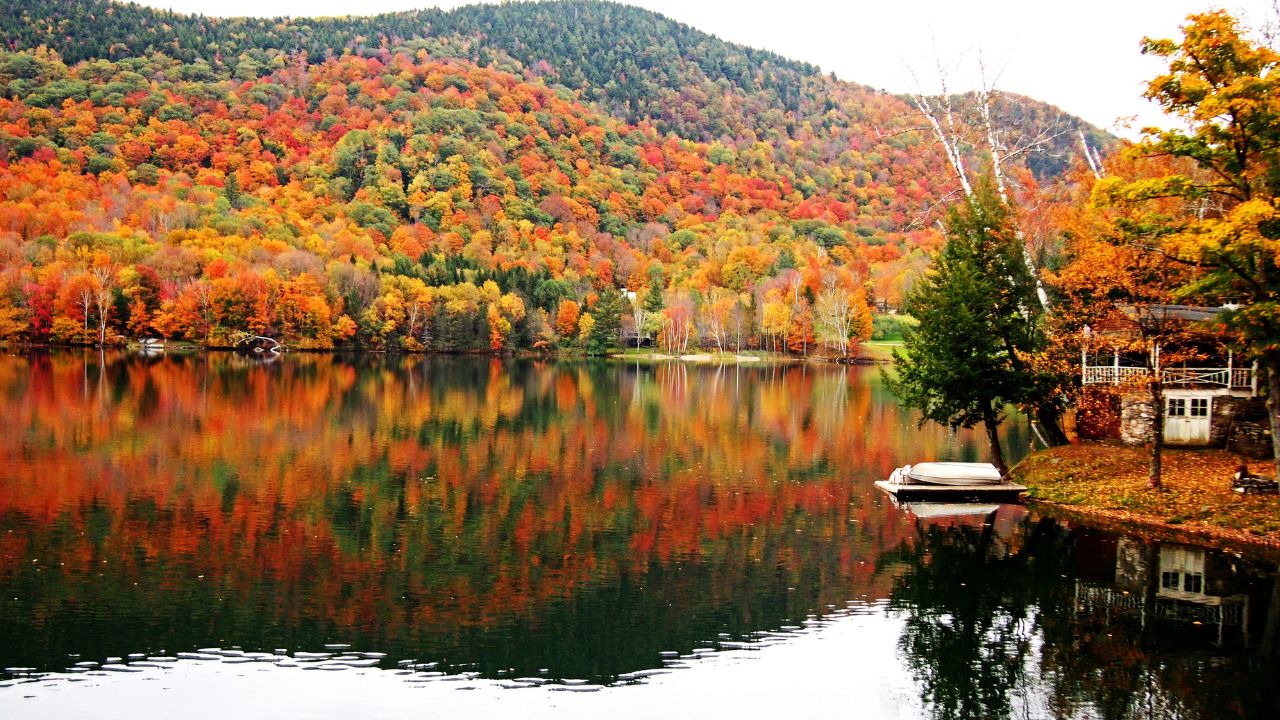
Using Nursa to find flexible nursing shifts in Vermont bridges the gap between the state’s rural needs and your desire for professional freedom.
Geographic variety
Use Nursa to try out a shift in Windsor one week and Barre the next. The drive between these towns is often scenic and beautiful, making a commute feel like a road trip.
Develop chronic care capability
By picking up shifts in Vermont’s high-quality LTC facilities, you build a resume rich in geriatric and chronic care management skills that will be in demand for the next 20 years.
Explore rural practice
Have you ever wondered if you have what it takes to be a rural nurse? PRN work allows you to test the waters of rural medicine in Vermont without the risk of a long-term contract or relocation.
Manage the nursing shortage
You help alleviate the nursing shortage in Vermont precisely when and where it is needed most (often in the Northeast Kingdom or Southern counties), acting as a vital release valve for stressed rural teams.
Sign up for PRN shifts with Nursa Vermont today
Your expertise as a healthcare professional is highly valued in Vermont. The state has a high demand for skilled nurses and numerous opportunities to care for people, particularly elderly patients.
Enjoy flexibility, quality of life, and better pay rates by finding per diem nurse jobs in Vermont. Sign up with Nursa today.
Sources:
Share this page:


GO BEYOND A SINGLE JOB
Nursa isn't just about finding a job; it's about crafting your ideal work schedule by selecting shifts. Once you create a Nursa profile, you will experience the convenience of scheduling shifts in real-time.
Loading shifts…
Completed! We will notify you when we have desired shifts for you.
Until then, you can continue with the app to signup or login.
Continue
Until then, you can continue with the app to signup or login.
Oops! Something went wrong while submitting the form.
See More Shifts and Apply Now
Explore and find where you would like to work
Search ShiftsPer Diem JobsPopular Topics
Start exploring PRN jobs opportunities here
These quick links are here to streamline your search and discover a range of opportunities tailored to your preferences.
Interested in healthcare shifts?
Apply for Jobs
Pick Up a Job Today
Find per diem PRN job opportunities in your area. High paying CNA, LPN and RN and many more licences are available now.
Join Nursa
Post Your Jobs Today
Facilities who use Nursa fill 3 times as many open per diem shifts, on average, compared to trying to fill the shifts themselves.
Post Jobs