

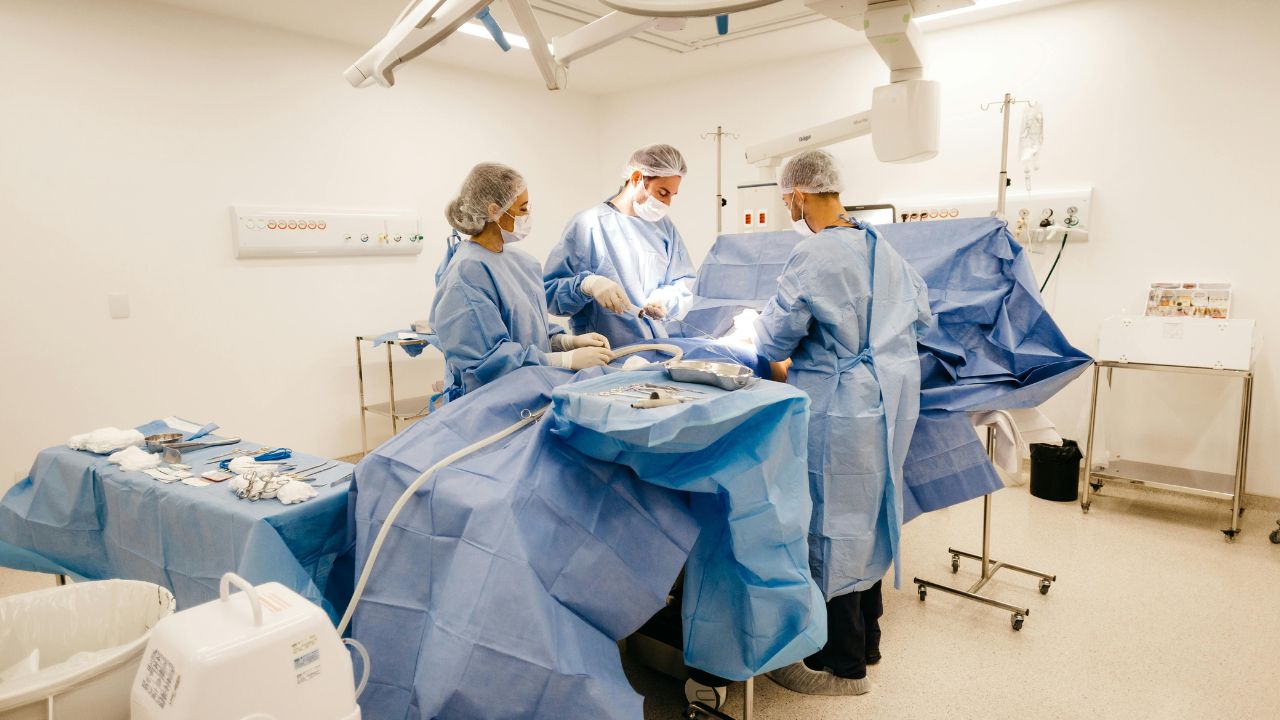
Level I trauma center care level overview
A Level I trauma center provides the highest level of trauma care—offering comprehensive emergency, surgical, specialty, and rehabilitative services for severely injured patients. These centers serve as regional referral hubs and are equipped to handle the most complex and life‑threatening injuries.
On Nursa, understanding the Level I trauma center designation helps clinicians find roles in the most advanced trauma environments and enables facilities to showcase their leadership in acute care, education, and performance improvement.
What defines a Level I trauma center
Level I trauma centers are verified to have every critical specialty, resource, and protocol necessary for 24/7 advanced trauma care, including immediate intervention, major surgery, and coordinated multidisciplinary response.
Core capabilities of Level I trauma centers
- 24/7 in‑house coverage: General surgeons, emergency physicians, anesthesiologists, and critical care specialists
- Full subspecialty staffing: Neurosurgery, orthopedics, plastic surgery, cardiothoracic, vascular, urology, hand, obstetrics/gynecology, trauma rehab, and more
- Comprehensive services: ICU, operating suite, advanced radiology/imaging, and blood bank always available
- Leadership in trauma systems: Acts as a reference and transfer center for regional hospitals and EMS
- Commitment to advancement: Research, trauma program education, and community outreach are required for verification
- Performance oversight: Continuous performance improvement, ongoing audits, and quality monitoring programs
- Minimum intake standards: At least 1,200 admissions annually or 240 with a high injury severity score
Most Level I centers also support trauma fellowships and broader teaching programs, promoting the latest best practices and innovation in trauma care.
Clinician experience in a Level I trauma center
Clinicians at Level I trauma centers—trauma surgeons, emergency physicians, critical care teams, anesthesiologists, and trauma nurses—practice high‑acuity trauma resuscitation, multidisciplinary surgical management, and advanced rehabilitation. Leadership, research, and teaching roles are common.
Providers may treat multiple, simultaneous, complex injuries requiring coordination with three or more surgical specialties in a high‑frequency trauma environment.
How facilities operate as a Level I trauma center
Level I trauma centers set the standard for trauma system excellence, with dedicated operating rooms, 24/7 availability, continuous training, and robust administrative oversight. Programs for quality improvement, peer review, and injury prevention are mandatory.
Facility operations and staffing
Facilities holding Level I status anchor the trauma care continuum at the highest level of capability and leadership.
- Immediate trauma team activation, continuous in‑house specialist coverage
- Ongoing training and research for staff and medical trainees
- Collaboration with regional and community providers for transfer, outreach, and education
- Dedicated trauma program directors, coordinators, and multidisciplinary oversight
Related: Emergency operations plans in healthcare: A complete guide
Advancing trauma systems with Level I trauma centers
Level I trauma centers save lives by delivering immediate, expert, and coordinated care for the most severe injuries. Clinicians advance their skills in the broadest imaginable trauma scenarios. Facilities drive system change and innovation, supporting community outcomes and continuous improvement.
On Nursa, facilities and staff can mark Level I trauma center experience or designation—leading the way in trauma team collaboration, acute care, and trauma medicine professionalism.


