

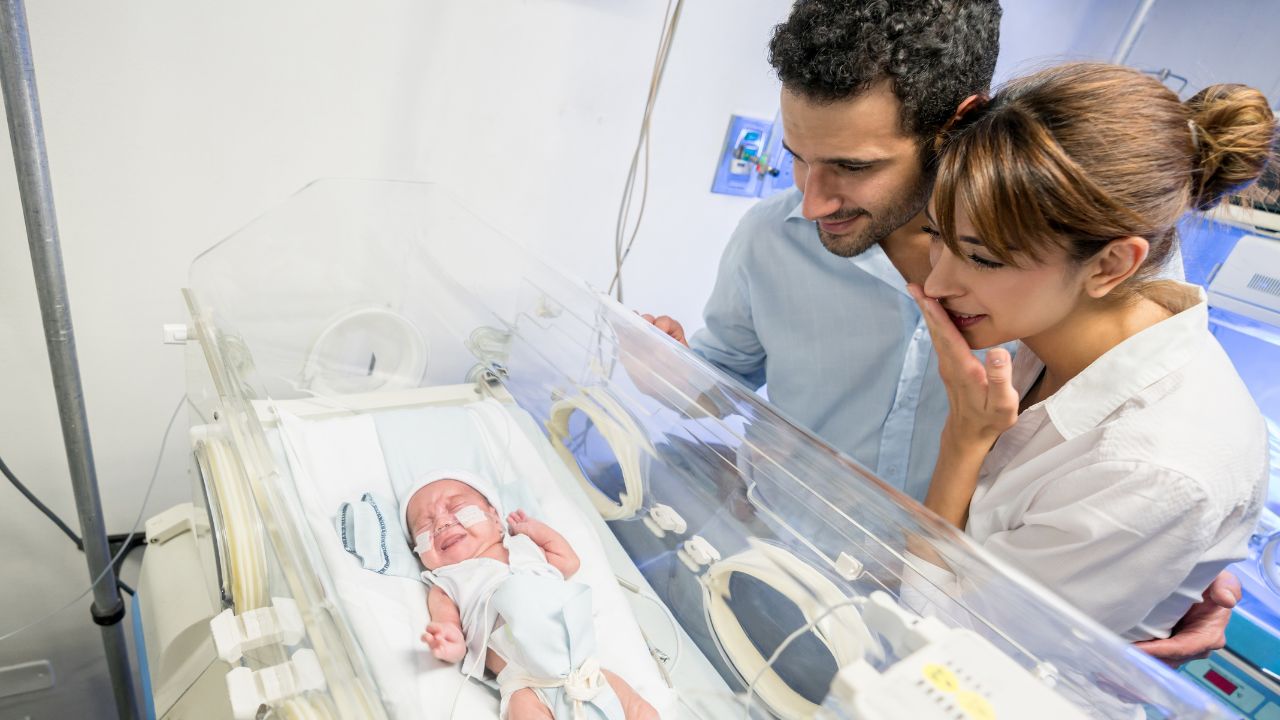
Level II NICU care overview
The Level II neonatal intensive care unit (NICU), often called a special care nursery, provides intermediate support for newborns who need observation, short-term therapy, or recovery from moderate medical issues. These units are designed for babies born at or after 32 weeks' gestation with stable or moderately ill health status.
Within Nursa’s marketplace, understanding the Level II NICU designation helps clinicians explore work in special care nurseries and enables facilities to showcase their capabilities for moderately complex neonatal care.
What defines Level II NICU care
Level II NICUs support infants who have issues expected to resolve quickly, or who need close monitoring after birth or following a higher level of intensive care. These babies typically do not require major surgery or prolonged intensive interventions, but may benefit from short-term mechanical ventilation or specialized therapies.
Key capabilities of Level II NICUs
- Care for infants ≥32 weeks' gestation and ≥1,500 grams with mild to moderate illness
- Management of full-term babies requiring observation for jaundice, temperature instability, or feeding issues
- Administration of assisted/mechanical ventilation for less than 24 hours, if needed
- Short-term continuous positive airway pressure (CPAP)
- Monitoring for substance exposure, blood product administration, catheterization for umbilical access, and oxygen therapy for stabilization
- Ability to stabilize infants born <32 weeks or under 1,500 grams before transfer to a higher-level NICU
Level II NICUs serve as step-down units for babies convalescing after intensive care, or as the primary care environment for babies with predictable recovery.
Clinician experience in Level II NICUs
Clinicians in Level II NICU care units—including neonatal nurses, pediatricians, and respiratory therapists—provide a mix of observation, clinical support, and family guidance. The environment emphasizes developmental care, feeding support, and monitoring for rapid changes without the intensity of Level III or Level IV NICU settings.
For many professionals, Level II offers opportunities to refine skills in newborn assessment, stabilization, and transition planning.
How facilities operate Level II NICUs
Facilities with Level II NICUs are staffed by pediatricians, neonatologists, neonatal nurse practitioners, and allied health professionals with dedicated neonatal training. These units maintain protocols for monitoring, safety, and infection control aligned with current guidelines.
Facility operations and staffing
- Short-term respiratory support and ventilator management
- Feeding and nutrition support, phototherapy for jaundice, and intravenous therapy
- Ability to initiate resuscitation and stabilize for transport
- Developmental observation before home discharge or transfer
- Credentialing and scheduling through platforms like Nursa for flexibility and coverage
These nurseries enable efficient resource use, smooth transitions from higher acuity NICUs, and ongoing family education.
Advancing neonatal care with Level II NICUs
For clinicians, Level II NICU environments support professional growth in newborn monitoring, supportive therapy, and collaborative practice. For facilities, maintaining a robust Level II NICU reflects a commitment to safe, effective care for moderately ill newborns in the community.
On Nursa, professionals and organizations can identify their connection to Level II NICU care, supporting team building and quality outcomes for infants with mild to moderate medical needs.


