

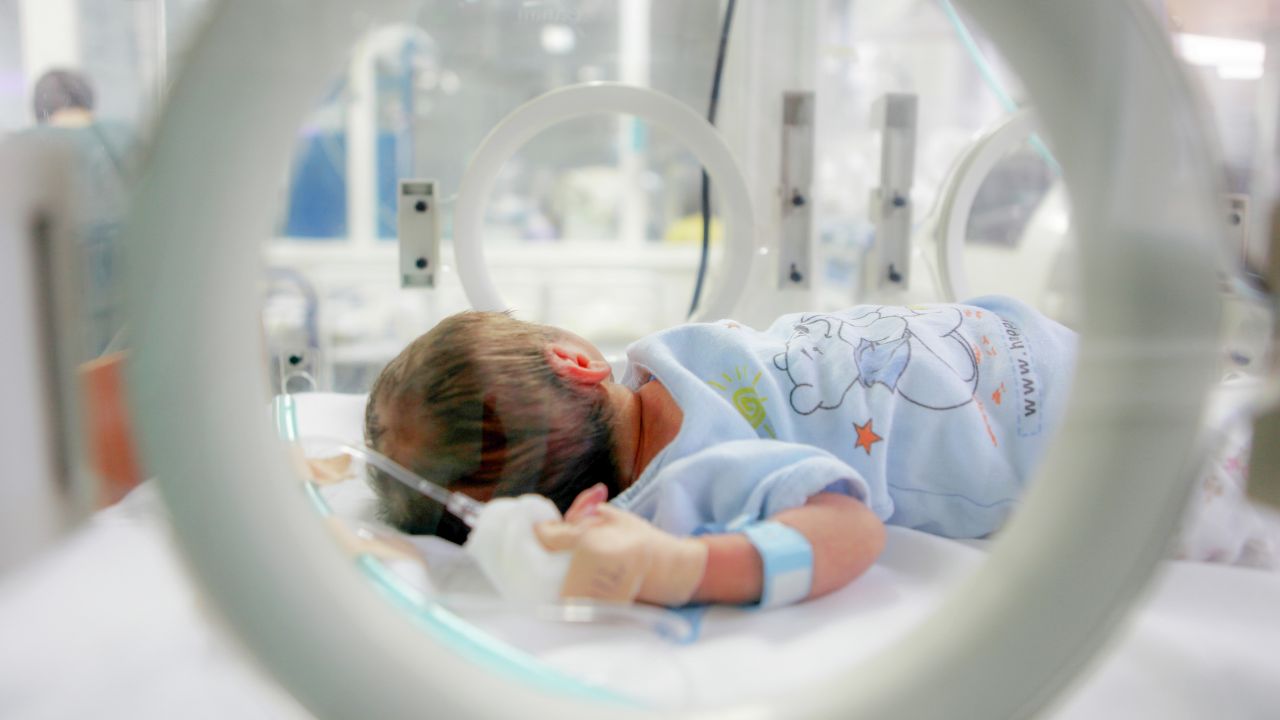
NICU Level III care overview
A Level III neonatal intensive care unit (NICU) provides comprehensive and specialized support for seriously ill or premature newborns with complex medical needs. Facilities operating a Level III NICU deliver advanced respiratory and monitoring technology alongside skilled, multidisciplinary teams.
Within Nursa’s dual marketplace, understanding NICU Level III care allows clinicians to explore meaningful work environments and enables facilities and staffing managers to communicate team expertise, technology, and staffing needs required for high-acuity neonatal care.
What defines Level III NICU Care
A Level III NICU is designed for neonates who require sustained intensive care, including those born as early as 28 weeks gestation or weighing less than 1,500 grams. These NICUs support infants needing mechanical ventilation, specialized therapies, and sometimes surgery for certain conditions.
Key capabilities of Level III NICUs
- Continuous advanced life support and monitoring for very low birth weight and premature infants
- Conventional and high-frequency mechanical ventilation, and some access to inhaled nitric oxide therapy
- Ability to perform minor surgical procedures on-site and arrange transport for more complex surgeries
- Immediate access to pediatric medical subspecialties, including neonatology, cardiology, and respiratory therapy
- Advanced imaging modalities available (e.g., ultrasound, echocardiography)
- Neonatal transport capabilities for referral to higher-level NICUs when needed
Clinician experience in Level III NICUs
Clinicians working in Level III NICU settings—nurses, neonatologists, respiratory therapists, and allied health professionals—develop expertise in intensive, technology-driven neonatal care. These roles require rapid response skills, interdisciplinary teamwork, and ongoing training in neonatal best practices.
A Level III NICU offers clinicians the opportunity to support a variety of critical cases while advancing professional development through hands-on experience in a high-acuity environment.
How facilities operate Level III NICUs
Healthcare facilities with Level III NICUs structure operations around 24/7 intensive monitoring and support. Staffing is maintained at optimal ratios, often leveraging platforms like Nursa to ensure credentialed professionals are available.
Facilities support:
- Continuous cardiorespiratory monitoring and advanced ventilation management
- Specialized nutrition (parenteral and enteral feeding)
- On-site subspecialty consults and focused surgical procedures when indicated
- Rigorous infection control and safety protocols
- Regional neonatal transport for higher-level interventions
Interdisciplinary teamwork and technology in Level III NICUs
Level III NICU environments demand strong collaboration between neonatology, nursing, respiratory therapy, pharmacy, nutrition, and social work. Facilities use digital health records and monitoring systems for efficient communication and early risk detection.
Education, simulation, and regular team huddles ensure optimal patient safety and outcome consistency in these settings.
Advancing neonatal care with Level III NICUs
For clinicians, Level III NICU environments foster broad neonatal intensive care skills and continuous professional growth. For facilities, maintaining a robust Level III NICU demonstrates a commitment to advanced neonatal services for infants and families in the community.
On Nursa, clinicians and healthcare organizations can mark their connection to NICU Level III care, enhancing collaboration and supporting staffing for complex neonatal needs.


