

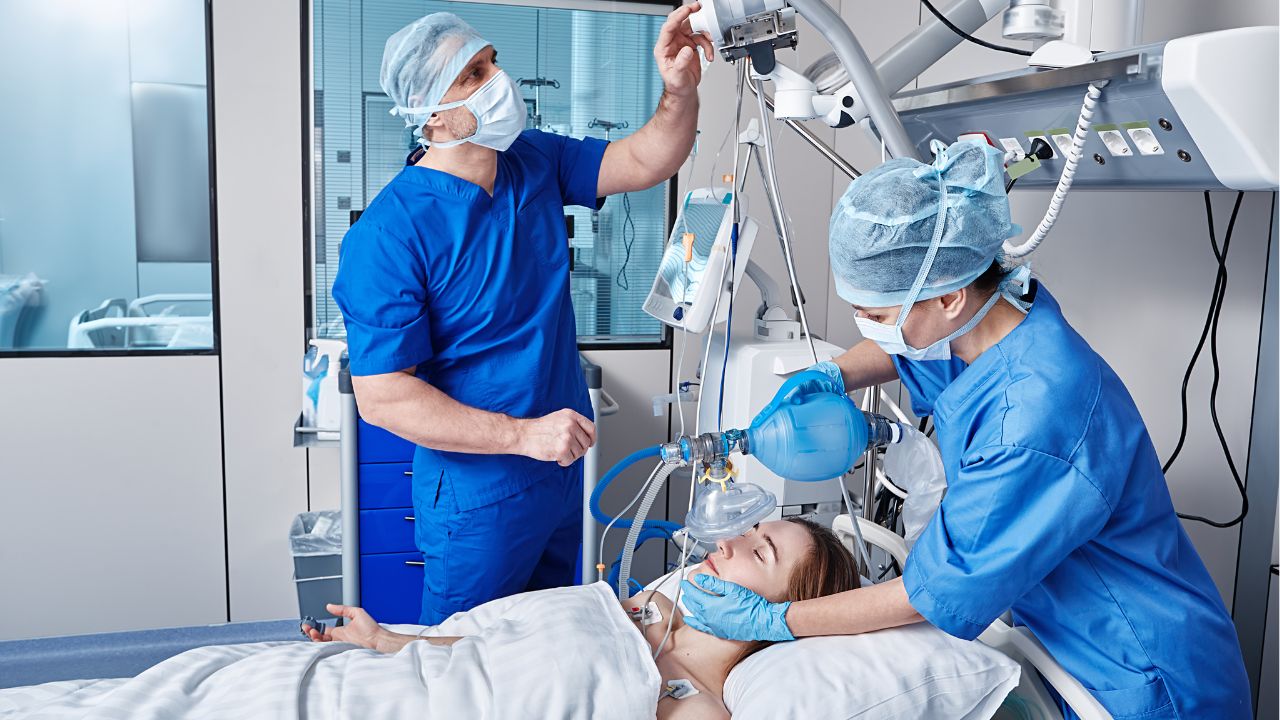
Level V trauma center overview
A Level V trauma center provides the most basic trauma care and is essential in rural or remote communities. These centers focus on the initial evaluation, stabilization, and diagnostic services for traumatic injuries and coordinate quick transfer when more comprehensive care is required.
On Nursa, understanding the Level V trauma center designation helps clinicians identify entry-level trauma roles and enables facilities to communicate their capacity for emergency stabilization and transfer as part of a regional trauma network.
What defines a Level V trauma center
Level V trauma centers are commonly located in remote or sparsely populated areas where higher-level trauma facilities are less accessible. Their primary role is to provide Advanced Trauma Life Support (ATLS), stabilize patients, and prepare them for transfer.
Core capabilities of Level V trauma centers
- Emergency department: Basic facilities with established trauma protocols
- Trauma staffing: Trauma-trained nurse(s) immediately available; physician arrives with the patient or is on call
- Patient stabilization: Ability to evaluate and quickly stabilize patients with traumatic injuries
- After-hours readiness: Implementation of response protocols when not open 24/7
- Limited surgery: Initial surgical and critical-care support if available, though major surgery is not required
- Transfer coordination: Written transfer agreements and streamlined processes to Level I, II, or III trauma centers
- Performance improvement: Participation in quality-improvement and community injury-prevention programs
Level V trauma centers do not provide the complex care or full resources of higher-level trauma centers but play a crucial role as the first point of contact for trauma patients in rural regions.
Clinician experience in a Level V trauma center
Clinicians working at a Level V trauma center—emergency-trained nurses, nurse practitioners, and physicians—are essential for rapid triage, stabilization, and coordination with higher-level centers. Skills in emergency medicine, resuscitation, and communication are vital.
These roles provide foundational experience in trauma protocols, team-based resuscitation, and quick decision-making, often under limited-resource conditions.
Facility operations and staffing as a Level V trauma center
Level V facilities may not operate around the clock but have clear after-hours response procedures. Staffing is aligned to ensure that a trauma nurse is always present during operating hours, with a physician or qualified provider available on arrival.
The following operational practices help Level V trauma centers maintain readiness, coordinate care effectively, and uphold trauma system standards:
- Implementation of trauma response protocols and documentation
- Activation of rapid transfer and communication with higher-level trauma centers
- Ongoing staff training in ATLS and emergency preparedness
- Promotion of injury prevention and trauma awareness in the community
Facilities use Level V trauma designation to help direct trauma patients efficiently and maintain safety standards within the greater trauma care system.
Advancing emergency care in Level V trauma centers
Level V trauma centers are critical access points for trauma care in underserved communities, enabling prompt stabilization and transfer—often saving lives by serving as the first line of response. Clinicians and facilities working at this care level support the larger trauma network by ensuring that every patient receives immediate evaluation, rapid stabilization, and safe, timely transfer to definitive care.
On Nursa, clinicians and healthcare organizations can indicate Level V trauma center experience or capability, promoting efficient staffing and communication for trauma care teams.


