

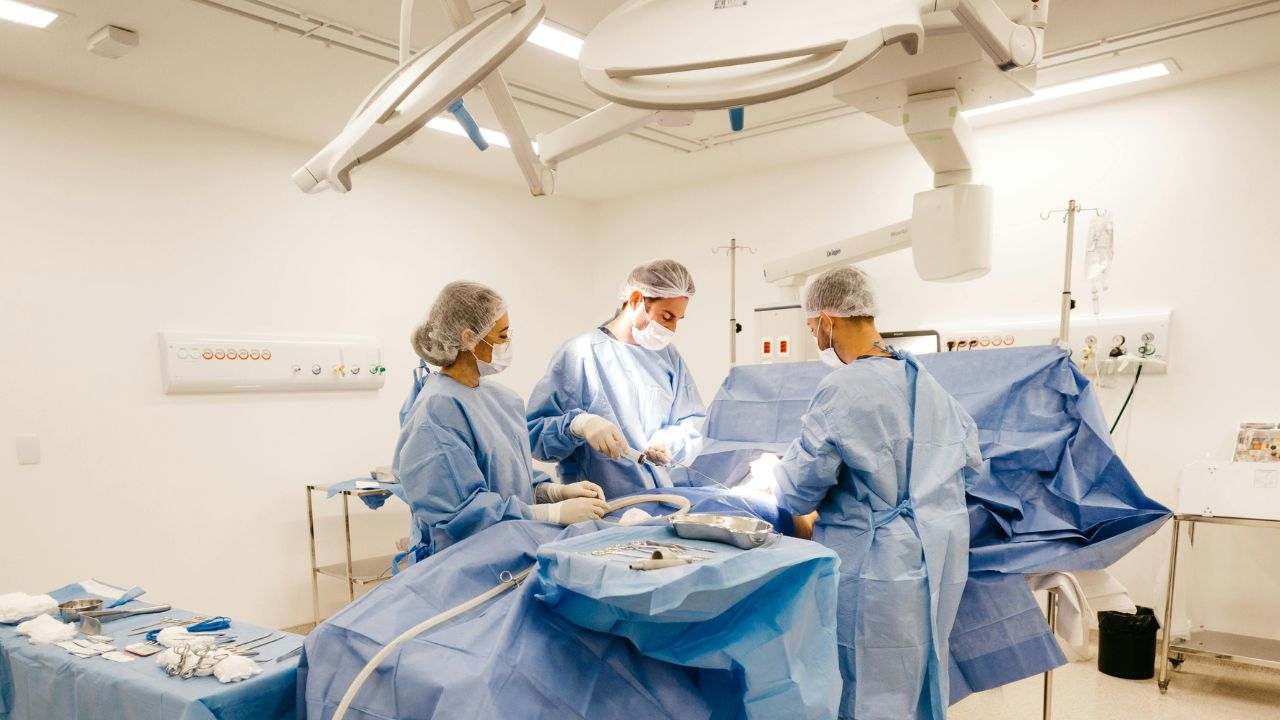
The operating room is the epitome of high-stakes, high-precision teamwork. Here, minutes matter, and every role, from the circulating nurse to the scrub tech, is critical.
The performance of a surgical department hinges not just on the skill of the surgeon, but on the meticulous coordination and readiness of its entire staffing model. This demanding environment requires more than just filling gaps; it demands strategic staff alignment that ensures patient safety and optimizes workflow.
Achieving excellence in this setting is a continuous pursuit that requires a thoughtful approach to recruitment, scheduling, and retention.
Defining the operating room: Services and roles
The perioperative nursing environment is a finely calibrated system, demanding absolute precision from every individual. It extends far beyond the moment the incision is made, covering everything from pre-op/post-op to the critical steps taken during a procedure.
Understanding the core OR services and the patient flow through them is the foundation of surgical excellence. Procedures range widely, from routine general surgeries to intricate, high-stakes cases in ortho, cardiac, neuro, or a fast-paced trauma OR. The inherent case complexity of these procedures dictates the necessary skill mix and experience level of the team. Strategic surgical staffing models must account for these variations.
Critical team members in the surgical suite
The success of any operation relies on coordinated effort, where communication is non-negotiable. Every role carries a distinct and vital responsibility.
- Circulating nurse: This OR nurse manages the sterile field, documents the procedure, and coordinates all activities and necessary communication outside the sterile zone.
- Scrub tech (or scrub nurse): They maintain the sterile environment and anticipate the surgeon’s needs, directly assisting in the surgical field.
- Anesthesia tech and surgical assistants: They provide crucial support to the anesthesia team and the surgeon, respectively, ensuring a smooth patient journey.
- Perioperative manager: They are the organizational anchor responsible for overall operations, workflow optimization, and staff scheduling.
The unsung heroes of preparation
The work doesn't stop once the patient is stable. Efficient turnaround is crucial. The case cart nurse is essential, ensuring all necessary supplies and instruments are correctly gathered before the case begins.
Furthermore, the meticulous work of sterile processing technicians guarantees that all instrumentation meets stringent safety protocols and Joint Commission compliance standards, a non-negotiable step in infection control.
Optimized OR staffing models, scheduling, and float pool
A well-oiled operating room minimizes wasted time, a critical factor when considering the budget and capacity of a facility.
Implementing effective surgical staffing models is not a luxury; it's a necessity for maintaining excellence. Strategic scheduling keeps the surgical machine running smoothly, mitigating both overtime costs and staff burnout.
Scheduling strategies for predictability and balance
Predictability is key to both financial health and staff satisfaction. Facilities must balance scheduled procedures with the inevitable need for rapid response.
- Block scheduling: This is a crucial method where blocks of time are allocated to specific surgical groups. It boosts efficiency and helps with long-term resource planning, leading to better turnover time management.
- On-call scheduling: Necessary for emergent and late cases. A fair and transparent on-call scheduling system ensures adequate coverage without unfairly burdening specific individuals.
- Shift coverage for late cases/emergencies: Strategic management must define clear procedures for compensating staff who stay late, often involving specified shift differentials.
Agency vs. platform talent acquisition
Even the best schedules have gaps. Instead of relying solely on traditional agencies, modern facilities are turning to agile solutions for immediate coverage.
Facilities can use a staffing platform, such as Nursa, to fill critical pre-op/post-op vacancies instantly. This provides rapid coverage for OR nurse jobs, a smarter, more flexible approach than traditional agency talent acquisition.
A nurse seeking a flexible schedule can easily find a PRN OR nurse shift, helping facilities maintain seamless continuity of care without the overhead of permanent hiring.
Workflow tips for surgical efficiency
Smooth transitions occur where staff expertise and processes intersect. A delay between cases is not just an annoyance; it’s a capacity constraint.
- Minimizing turnover time: This is the time from when one patient leaves the OR until the next patient enters. Standardized procedures and clear assignments for the circulating nurse and scrub tech are paramount.
- Team-based handoffs: During shift transitions or patient movement, structured and thorough handoffs using validated communication tools help prevent errors.
- Daily briefings/prep: Short, frequent meetings ensure everyone, including the first assistant nurse and anesthesia team, is aligned on the day's schedule, potential add-on cases, and any equipment needs.
Onboarding, orientation, and clinical competency
The operating room is not a place for on-the-job learning. Due to the high-stakes environment, rigorous standards for clinical competency are essential for every team member, from the experienced first assistant nurse to the newest scrub tech. Effective orientation ensures patient safety and protects the facility's reputation.
The bedrock of compliance and preparation
All perioperative staff must meet stringent, non-negotiable standards. These benchmarks provide a framework for reliable, safe care delivery.
- Joint Commission and AORN standards: Meeting Joint Commission compliance means adhering to best practices in areas like instrument sterilization, patient identification, and time-out procedures. The Association of Perioperative Registered Nurses (AORN) provides the clinical guidelines that form the foundation of safe perioperative nursing practice.
- Credentialing requirements: Every OR nurse professional must complete meticulous credentialing. This process verifies education, licensing, and certifications, ensuring that only qualified individuals are placed into critical roles. This is particularly vital when integrating flexible, short-term staff.
Tailoring orientation for success
While all new hires require thorough preparation, the structure must be flexible enough to accommodate different experience levels, especially when utilizing external talent. The training must be targeted, precise, and practical.
Focused orientation for specialized roles
New staff need time to acclimate to the specific protocols, equipment, and surgical specialties of a facility, such as a trauma OR or a specialized neurosurgery suite.
- Requirements for new/PRN OR nurses and scrub techs: While full-time hires receive extensive training, even a PRN OR nurse requires a focused orientation covering facility-specific compliance requirements and immediate access to policies and protocols.
- Competency checklists: These tools provide clear benchmarks for required skills, validating that an individual is ready for independent practice.
- Rapid onboarding for experienced talent: When sourcing from a platform like Nursa, facilities can utilize "rapid onboarding" protocols for clinicians who already possess verifiable perioperative experience. This focused process minimizes time off the floor while still confirming fit and facility-specific knowledge.
Leveraging the platform for hard-to-fill roles
For high-demand, specialized OR nurse jobs, the right technology can make all the difference. Nursa connects facilities directly with verified, qualified clinicians who can quickly step into roles like sterile processing or specialized first assistant nurse positions.
Utilizing a platform streamlines the initial verification of credentials, making the staffing process agile and efficient.
Compliance, quality, and patient safety in the OR
In the operating room, safety protocols aren't suggestions; they are mandates that protect both the patient and the entire team. A commitment to quality starts with vigilant adherence to protocols and extends through rigorous data analysis. High-performing facilities view Joint Commission compliance not as a hurdle, but as the foundational standard for all perioperative nursing practice.
Universal protocols: Non-negotiable steps
Precision in the OR means constant verification. The smallest oversight can have the largest consequences.
- Time-out and universal protocols: Before any incision, the mandatory "time-out" is performed, confirming patient, procedure, and site. This ritual demands absolute focus and involves every person present, from the circulating nurse to the first assistant nurse.
- Documentation and room counts: Accurate documentation is a legal and clinical necessity. Meticulous tracking of sponges, instruments, and sharps, known as room counts, is the last defense against retained surgical items.
- Sterile field integrity: Maintaining the sterile processing environment and ensuring the integrity of the sterile field are fundamental to infection control and the prevention of surgical site infections.
Preparing for the unexpected and improving performance
A facility must be ready for everything, from routine audits to high-stress emergencies in the trauma OR. A facility fosters retention when it:
- Prioritizes safety
- Supports its staff
- Engages in transparent quality improvement (QI)
Additionally, clear protocols reduce staff stress, mitigating burnout and reducing the reliance on staffing agencies. A safe OR is a great place to work.
Regulatory audits cover critical areas like fire drills, trauma response, and strict adherence to infection control measures. Proactive management uses these exercises to identify weaknesses.
When incidents do occur, comprehensive incident reporting and quality improvement data are analyzed. This data drives root cause analysis, which is essential for informed workflow optimization and continuous process improvement. Even short-term staff must be immediately oriented to these facility-specific compliance requirements.
Retention, burnout & advancement
Sustaining a high-performing surgical team requires more than competitive shift differentials and careful overtime management; it requires acknowledging and actively fighting burnout. The relentless intensity of perioperative nursing makes fatigue and high-stress risks constant.
Protecting the people behind the mask
Effective management must implement strategies for fatigue mitigation and prevention. This starts with ensuring that on-call scheduling is equitable and that staff feel empowered to step away when needed.
Prevention techniques are often straightforward but critical: promoting sufficient breaks, staggering heavy case loads, and fostering an open environment where clinicians can discuss stress.
Investing in growth and loyalty
A team that feels valued stays.
Strong retention strategies involve tangible investments in professional growth.
- Recognition and team building: Regular, sincere acknowledgment of excellence, from the circulating nurse managing a complex case to the scrub tech preventing a delay, builds loyalty.
- Role advancement: Providing clinical ladders and opportunities for OR nursing professionals to specialize, such as transitioning into a first assistant nurse role, inspires long-term commitment.
- Ongoing education and cross-training: Investing in education for new skills and cross-training between specialties creates a flexible and resilient staff, reducing overall reliance on external agency talent.
By prioritizing people, facilities build resilient teams where flexible talent, such as PRN nurses, supplements a strong core staff. This is the definition of surgical excellence, sustained.
Tech, documentation & workflow optimization
In the high-acuity environment of perioperative nursing, speed and accuracy are non-negotiable. Modern surgical suites are leveraging powerful technology to optimize workflow, transforming manual chaos into digital precision.
Digital tools driving high reliability
High-reliability organizations (HROs) are built on standardized processes and real-time data visibility. Technology provides the framework for this level of flawless execution.
- Digital case boards: These replace outdated whiteboards, offering real-time status updates across the entire perioperative flow, from pre-op holding to post-anesthesia care. They ensure every member, including the first assistant nurse and management, is synchronized on current schedules and delays.
- Scheduling software: Sophisticated systems manage complex schedules, incorporating block scheduling and integrating flexible staffing resources like PRN OR nurses sourced from a platform like Nursa.
- Performance dashboards: These systems collect critical data points, such as adherence to safety protocols, initial case start times, and turnover time, and present them as actionable intelligence. This data is the foundation for continuous quality improvement and meeting compliance requirements.
Lean workflow for case turnaround
Applying "lean" principles, borrowed from manufacturing, to the OR is about systematically identifying and eliminating wasted motion, wasted waiting, and wasted steps in documentation. Every minute saved between cases is capacity gained for another patient.
A lean workflow streamlines every step of the case cart nurse duties and sterile processing turnover. By digitizing documentation and integrating it with real-time tracking, facilities achieve a significant reduction in turnover time. This not only maximizes OR utilization but also directly combats staff burnout by reducing the frantic pace of room preparation.
The future of perioperative excellence
Nursa provides the mechanism for this agility. By utilizing Nursa’s platform, facilities gain instant access to verified PRN OR nurse and scrub tech talent, ensuring vital gaps are filled without compromising on credentialing or compliance requirements. This flexible approach supports resilient surgical staffing models, allowing core teams to thrive and reducing stressful overtime and reliance on traditional agencies.
Frequently asked OR staffing questions
Here are some frequently asked OR questions.
How do PRN nurses integrate into OR teams?
They are integrated via focused orientation and their verified credentialing. Experienced perioperative nursing staff, like the circulating nurse or first assistant, quickly adopt facility safety protocols.
What compliance standards are prioritized in the OR?
Joint Commission compliance is paramount, focusing on sterile technique (sterile processing), universal protocols (e.g., time-out), and continuous adherence to compliance requirements.
How do platforms help staff after-hours/emergent cases?
Platforms provide real-time access to qualified talent, bypassing unsustainable on-call scheduling and reducing overtime for core staff.
How is burnout prevented in the surgical environment?
Prevention centers on reducing staff load through workflow optimization to minimize turnover time, utilizing platforms to ensure adequate staff coverage, and equitable management of schedules to limit excessive hours.
The OR requires prepared clinicians
Excellence in surgical services is achieved through a critical fusion of skilled clinicians, strategic scheduling, and data-driven processes. Facilities must move beyond rigid staffing to combat burnout and manage turnover effectively.
For high-demand specialties and the volatile trauma OR, a flexible staffing model is key.


