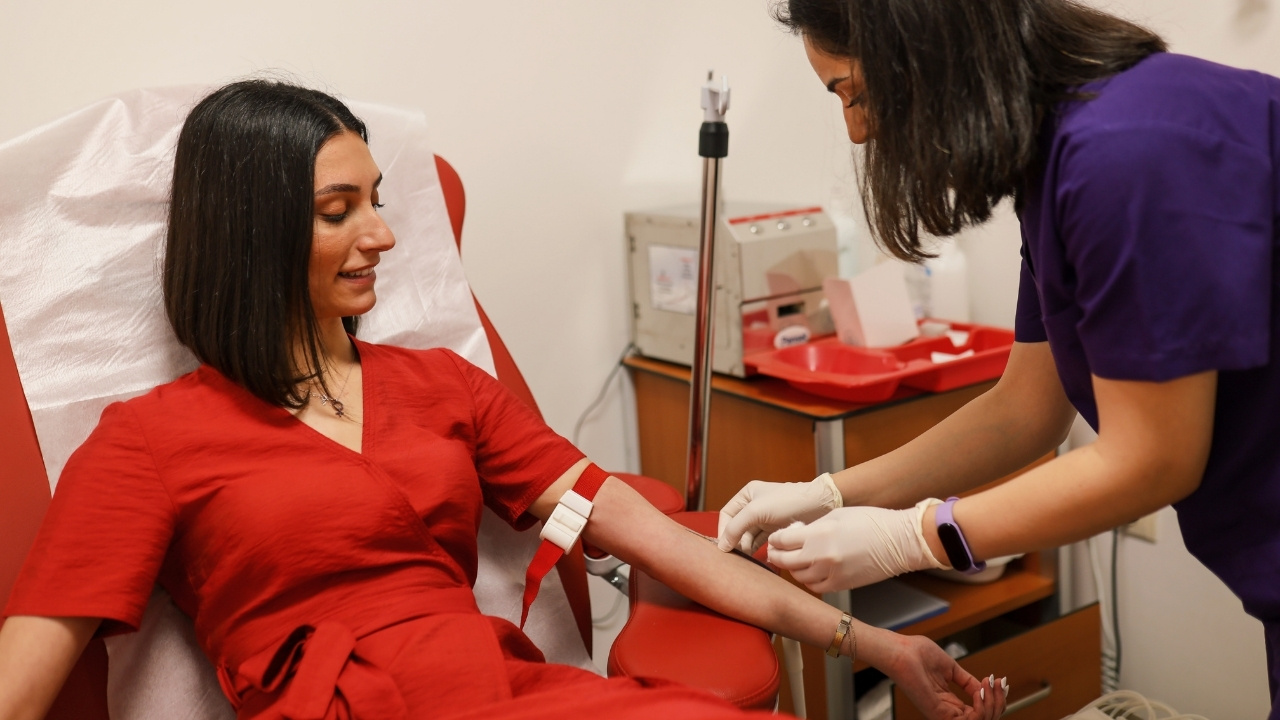
The United States is facing a significant shortage of primary care providers. Fortunately, nurses can be part of the solution by joining the more than 355,000 nurse practitioners already working in this role.
Nurse practitioners offer quality, cost-effective, patient-centered care autonomously or under the supervision of a physician.
Would you like to expand your clinical knowledge and scope of practice by pursuing a career as a nurse practitioner?
Read on for everything there is to know about this advanced nursing role.
What does NP stand for, and what is a CRNP?
Want to know more about becoming a nurse practitioner?
You're in the right place.
The abbreviation CRNP stands for certified registered nurse practitioner. CRNPs—or simply NPs—are advanced practice registered nurses (APRNs) who have pursued higher education in a specialized area of healthcare.
These clinicians may work with patients of different ages. They practice in all 50 states under the rules and regulations of each state’s Nurse Practice Act. Additionally, most NPs are nationally certified in a specialty area.
Certified Registered Nurse Practitioner is technically the official title used by several state boards (like Pennsylvania and Maryland), while NP is the universal shorthand.
The biggest recent shift for nurse practitioners is the “full practice authority” milestone:
More than 30 states now allow NPs to evaluate patients, diagnose, order tests, and prescribe medications without physician oversight. This is a direct response to the primary care provider shortage.
What does nurse practitioner mean in medical terms?
Nurse practitioners are essential components of the primary care workforce. They focus their graduate education on and become nationally certified to work with one of the following patient populations:
- Family/individual across the lifespan
- Women’s health
- Adult-gerontology acute or primary care
- Neonatology
- Pediatrics
- Psychiatric/mental health
NP vs. MD
The difference between an NP and a physician (MD/DO) may seem confusing to some, but there are clear differences:
- Training: MDs complete 15,000+ clinical hours (residency); NPs complete 500–1,500 clinical hours (graduate school).
- Focus: MDs focus on pathophysiology and surgery; NPs focus on prevention and health education.
- Surgery: NPs cannot perform major independent surgery (though they can assist in the OR as first assistants).
Key specializations
NPs must choose a population focus for their board certification. The most in-demand are:
- FNP (family): The generalists of the field
- AGACNP (adult-gero acute care): For those who want to work in intensive care
- PMHNP (psychiatric): The fastest-growing and highest-paid specialty recently
- ENP (emergency): A newer specialty for NPs specifically trained in trauma and urgent stabilization
What is the role of a nurse practitioner?
Nurse practitioners focus on the health and well-being of the entire person, encompassing health promotion, disease prevention, education, and counseling. They educate their patients to make better health and lifestyle choices, thereby reducing healthcare costs.
In fact, patients whose primary care providers are NPs usually have fewer emergency room visits, lower medication costs, and shorter hospital stays.
CRNPs provide a full range of acute, primary, and specialty healthcare services, including the following:
- Managing patients' overall care
- Ordering, performing, and interpreting diagnostic tests, including X-rays and lab work
- Diagnosing and treating both chronic and acute conditions, such as infections, injuries, diabetes, and high blood pressure
- Prescribing medications and other treatments
- Counseling and educating patients on positive health and lifestyle choices and disease prevention
Additionally, nurse practitioners may participate in healthcare forums, conduct research, and use findings to guide evidence-based care.
Scope of practice
Recently, the NP role has expanded into high-tech primary care. Typical duties now include:
- Autonomy: In 30+ states, NPs operate their own independent clinics.
- Telehealth leadership: NPs now conduct roughly 45% of all primary care telehealth visits in the U.S.
- AI integration: NPs utilize clinical decision support (CDS) software to analyze patient genomic data for personalized medication management.
- Holistic management: Unlike the traditional medical model (which focuses on disease), the NP nursing model emphasizes health equity and social determinants of health (SDOH).
How much does a nurse practitioner make?
According to the US Bureau of Labor Statistics (BLS), becoming a nurse practitioner increases a licensed registered nurse’s average salary to around $128,490 annually.
That said, the average salary of a nurse practitioner varies significantly based on where they work. Here are 2 facts about salary for NPs that may interest you:
- Highest-paying specialty: Psychiatric-Mental Health (PMHNP) – averaging $155,000 due to the mental health crisis
- Highest-paying setting: Home Health & Virtual Care – averaging $142,000 as “hospital-at-home”: models expand
Where can nurse practitioners work?
Nurse practitioners can work in numerous rural, suburban, and urban settings, including the following:
- Doctors’ offices
- Hospitals and clinics
- Emergency rooms
- Urgent care sites
- School and college student health clinics
- Business and industry employee health offices
- Public health departments
- Nurse practitioner offices
- Nursing homes and hospices
- Home health agencies
- Telehealth and virtual care
- The armed forces and Veterans Affairs (VA) facilities
What do nurse practitioners do in hospitals?
The responsibilities of a nurse practitioner vary from state to state and from one healthcare setting to another. In the hospital setting, the following are typical duties of a nurse practitioner:
- Ordering, performing, and interpreting the results of diagnostic tests, such as X-rays, complete blood counts (CBCs), and electrocardiograms (EKGs)
- Analyzing and interpreting a patient’s history, symptoms, physical findings, or diagnostic information to develop an appropriate diagnosis
- Developing treatment plans based on standards of care, professional practice guidelines, and scientific rationale
- Diagnosing and treating acute healthcare problems such as illnesses, infections, and injuries
- Prescribing medication dosages, routes, and frequencies based on patients’ particular characteristics
- Prescribing medications based on efficacy, safety, and cost as legally authorized
- Counseling patients regarding their medication, including side effects or interactions with other substances, such as over-the-counter medications, food supplements, and herbal remedies
- Detecting and responding to adverse drug reactions
- Making recommendations related to behavioral health
- Educating patients about self-management of acute or chronic illnesses
- Maintaining electronic health records
How to become a nurse practitioner?
By definition, CRNPs are licensed registered nurses who have completed advanced education to become certified nurse practitioners. Therefore, the first step to becoming a CRNP is becoming a licensed registered nurse.
The 2 main pathways to becoming an RN are:
- A 2-year Associate Degree in Nursing (ADN)
- A 4-year Bachelor of Science in Nursing (BSN)
After either type of program, nurses take the NCLEX-RN to become licensed RNs.
Educational standards
After becoming licensed RNs, aspiring NPs must complete either a Master of Science in Nursing (MSN) or a Doctorate of Nursing Practice (DNP). These post-graduate studies prepare nurses to practice in primary, acute, and long-term care settings. Completing a master’s program takes an additional 2 years on average, and a doctoral program usually takes an additional 3-6 years.
The path to becoming an NP is currently in a transition phase. While the MSN is still a valid entry point, the DNP is becoming the preferred standard for new graduates.
Although accelerated programs can help aspiring NPs reduce their years of study, this time reduction is usually offset by additional years of work experience.
Certifications
NPs must obtain national certification (there are lots of options, we’ll explore this later on), undergo periodic peer review and clinical outcome evaluations, and follow a code of ethical practices.
Additionally, many nurse practitioner jobs require Basic Life Support (BLS), Advanced Cardiovascular Life Support (ACLS), and Pediatric Advanced Life Support (PALS) certifications.
Different kinds of nurse practitioners
It is important to note that not all nurse practitioners have the same preparation and expertise. NPs can specialize in many different areas, including the following:
- Acute Care
- Adult Health
- Family Health
- Gerontology Health
- Neonatal Health
- Oncology
- Pediatric/Child Health
- Psychiatric/Mental Health
- Women's Health
Subspecialties for NPs
In addition, nurse practitioners can pursue the following sub-specialty areas:
- Allergy and Immunology
- Cardiovascular
- Dermatology
- Emergency
- Endocrinology
- Gastroenterology
- Hematology and Oncology
- Neurology
- Occupational Health
- Orthopedics
- Pulmonology and Respiratory
- Sports Medicine
- Urology
Nurse practitioner certification
The final step to becoming a practicing NP is obtaining national certification in the desired specialization area.
The American Academy of Nurse Practitioners Certification Board (AANPCB) offers the following 3 certification options for nurse practitioners:
- Family Nurse Practitioner (FNP)
- Adult-Gerontology Primary Care Nurse Practitioner (A-GNP)
- Emergency Nurse Practitioner (ENP)
American Nurses Credentialing Center (ANCC)
Additionally, the American Nurses Credentialing Center offers nurse practitioners the following certification options:
- Family Nurse Practitioner Certification (FNP-BC™)
- Adult-Gerontology Primary Care Nurse Practitioner Certification (AGPCNP-BC®)
- Adult-Gerontology Acute Care Nurse Practitioner Certification (AGACNP-BC®)
- Psychiatric-Mental Health Nurse Practitioner (Across the Lifespan) Certification (PMHNP-BC™)
The ANCC also offers many other nurse practitioner certifications that are only for renewal.
National Certification Corporation (NCC)
The National Certification Corporation provides these 2 certification options:
- Neonatal Nurse Practitioner (NNP-BC®)
- Women's Health Care Nurse Practitioner (WHNP-BC®)
American Association of Critical-Care Nurses (AACN)
The American Association of Critical-Care Nurses offers 2 certification options:
- Acute Care Nurse Practitioner Certification Adult-Gerontology (ACNPC-AG)
- Acute Care Nurse Practitioner (ACNPC) (Available only for renewal)
Pediatric Nursing Certification Board
Finally, the Pediatric Nursing Certification Board offers the following 2 certifications for nurse practitioners:
- Primary Care Certified Pediatric Nurse Practitioner (CPNP-PC)
- Acute Care Certified Pediatric Nurse Practitioner (CPNP-AC)
Is nurse practitioner school hard?
Aside from the significant time commitment required to become a nurse practitioner, students in nurse practitioner programs generally find NP classes easier than basic nursing school classes. Here’s what some nurses on Reddit had to say:
“I have found NP classes way easier than my core BSN classes (I went to top rated programs for both)...I’ve found my clinicals to be less stressful than my RN clinicals. The accompanying classes are easier than the initial classes is my opinion so far. I’m actually a little disturbed that the program is not more rigorous…I barely passed my LPN program…The NP program I am in is really kind and gentle to the students. LPN school was more like reform school. My BSN was kind of like being in the army. Now I guess I live in the officer’s quarters?”
“I mean I am ten years older than when I started nursing school, so I guess it makes sense they would be less stressful because for me a lot of it was just nerves and dealing with people/social anxiety. Although for some reason I still get the shakes when I have to do a redemo in front of my instructor like a little girl.”
What is it like to work as a nurse practitioner?
As is the case with most nursing specialties, nurse practitioners must be prepared to be on their feet for about 8 hours per day, sit for 2-4 hours per day, assist patients in changing positions, frequently bend, stoop, push, and pull, work under pressure, and handle challenging patients and family members professionally.
Regarding job security and demand, this nurse practitioner on Reddit helps paint the broad picture:
“It depends on what you want from your career, how flexible you are about your location, and how much money you want to make. If you go into psych there are more jobs for telehealth than there are PMHNPs to fill them. You could literally work from anywhere you can get internet. If you want to be a FNP as long as you don't need to live in a major city there are more jobs out there than there are FNPs to fill them. If you want to be a FNP or Acute in a major city there is stiff competition in the pay is not great. If you want to round in rural nursing homes as a PHMNP there is more work to do than there are hours in the day. If you work fee for service on a 1099 rather than being a normal W-2 employee with benefits you can make as much money as you want…”
Additionally, this new NP shared on Reddit the differences between working as an RN and working as an NP:
“...I’ve only recently started working as an NP but I am really enjoying it. I am getting paid what I was getting paid agency work overnights on an inpatient psych unit. I actually work in that same facility now but employed part time as an NP. It’s like night and day, literally, because I only work days now. I also only work 8 hrs. Good by 12 hr shifts. I can work less and make the same. Becoming an NP also opens the door to telemedicine. I’m doing some of that in my post grad psych clinicals and I am loving it. I may finally be able to live the dream of living or traveling anywhere and still being able to find work through telemedicine.”
Why choose to be a nurse practitioner?
There are certainly many reasons to become an NP, and not all nurse practitioners are guided by the same motivations. That said, the following nurse practitioner testimonials from Reddit offer valuable insights into the allure of this nursing specialty:
“Being a bedside nurse just wasn't enough. For me, it was the drive for greater clinical knowledge, professional collaboration, and autonomy…No, my clinical knowledge is not equal to that of an MD/DO's. I have not completed a surgical rotation, I can't perform a paracentesis…But, I know primary care internal medicine and I am good at it. And, I think my background as a nurse makes me a more effective provider of primary care. We have a set of skills we can utilize to care for our patients that physicians just do not have.”
“You want more autonomy in order to provide better patient care. I say go get your NP and do just that. It isn't all rainbows and butterflies afterwards, and you will still have to deal with management. But you are writing the scripts, providing the education, and putting in the orders in the end.”
What makes a good nurse practitioner
Aside from completing extensive studies and obtaining both basic and specialized certifications, nurse practitioners should strive to develop the following skills to be exceptional in their chosen career path:
- Excellent listening skills (giving people their full attention, asking appropriate questions, not interrupting)
- Effective communication
- A scientific approach to problem-solving
- Critical thinking
- Willingness to incorporate new information
In addition, here are some words of wisdom from NPs on Reddit who have already tread this career path:
“My advice…is to really commit to becoming a knowledgable, skilled, highly-competent clinician if you go this route. You have to love the medicine as much as the patient. And you have to have the personality; be confident, be able to make decisions independently, but have enough humility to know when you require collaboration.”
“Becoming an NP should not just be a "shortcut" to being a doctor-like provider, it needs careful consideration of the role you want to fill and whether the education meets that need. If you want to work in a hospital and are ok with being a "permaresident", the NP role might be a good fit. It will mean you have less autonomy, especially when you start, and there's always going to be a physician as a backup who is going to be involved in your patient's care too.”
Final thoughts on working as a nurse practitioner
Choosing to become an NP is choosing a path of maximum impact. You aren't just a “super nurse”—you are a provider with the power to prescribe, diagnose, and lead.
2 people could read this ultimate guide to working as a nurse practitioner and have completely different reactions:
- One might immediately begin researching graduate nursing programs and nurse practitioner certifications.
- The other might move on to exploring other nursing specialties.
This discrepancy is perfectly normal because we all have different strengths, interests, and personality traits. Therefore, follow your instincts and strive to stay true to yourself.
That said, there is no better way to know what type of work you love than to experience working in different settings and roles.
The best way to obtain this experience is to browse available PRN nursing jobs near you. Request as many as interest you, and begin exploring your nursing career options today!
Sources: