

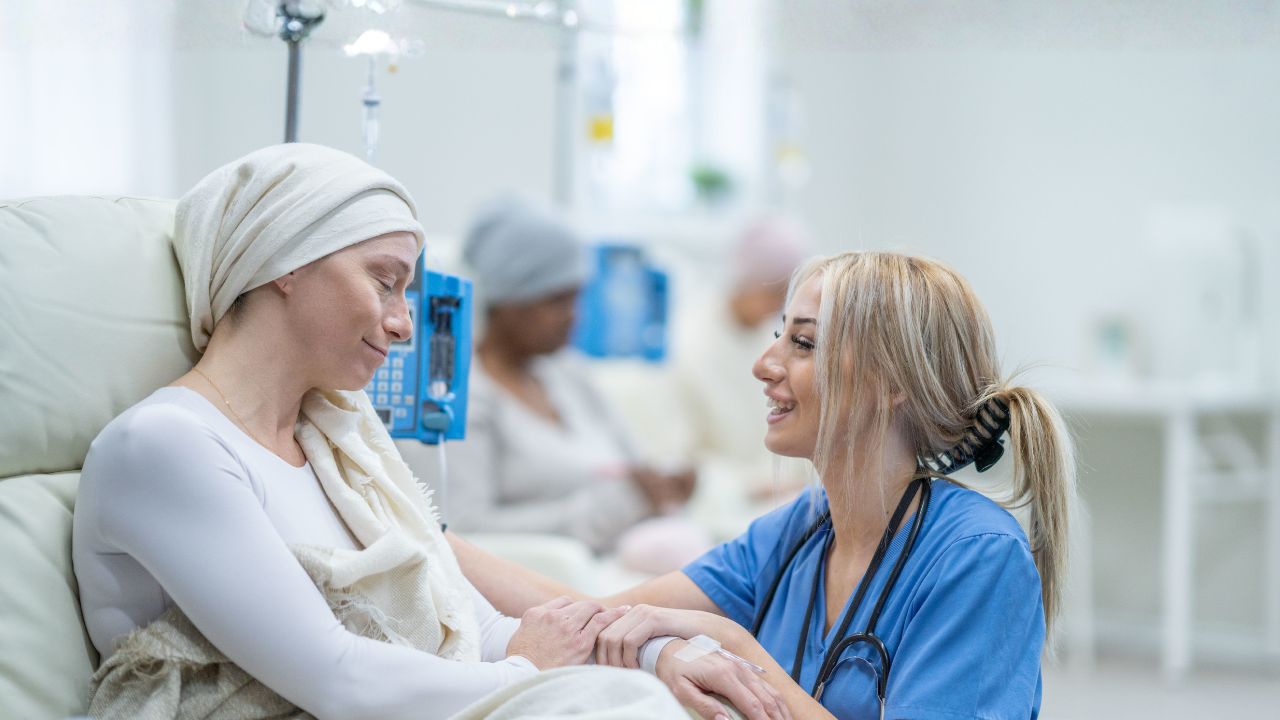
Cancer incidence is rising worldwide, with more than 19 million new cases diagnosed annually according to the World Health Organization. In parallel, survival rates are improving thanks to advanced treatments, early detection, and personalized medicine.
Medical oncology is the specialty at the center of systemic cancer treatment. Unlike surgical or radiation oncology, which target tumors locally, medical oncologists treat cancer at the cellular and molecular level throughout the body. They manage complex therapy regimens, guide patients through treatment decisions, and ensure holistic care that encompasses physical, emotional, and social needs.
Medical oncologists work closely with surgical teams, including operating room (OR) care teams, radiation oncologists, and specialized nurses to provide integrated, individualized care plans. These multidisciplinary teams are essential for optimizing outcomes, managing side effects, and supporting patients and families throughout the cancer journey.
What is medical oncology?
Medical oncology focuses on the diagnosis, treatment, and long-term management of cancer using systemic therapies, including chemotherapy, targeted therapy, immunotherapy, and hormone therapy. Unlike surgical oncology, which removes tumors, or radiation oncology, which focuses on localized beams, medical oncology addresses both microscopic disease and metastatic cancer, helping prevent recurrence and progression.
Radiation oncology vs. medical oncology
- Radiation oncology uses high-energy radiation to destroy cancer cells in a specific tumor location.
- Medical oncology employs systemic medications that circulate through the body to target cancer cells wherever they may exist.
Difference between medical oncology and surgical oncology
- Surgical oncology focuses on removing tumors physically, often requiring collaboration with anesthesiology and OR teams.
- Medical oncology creates individualized treatment plans using medications, sometimes in combination with surgery, to optimize survival and quality of life.
Multidisciplinary cancer care
Modern cancer care relies on multidisciplinary collaboration, combining expertise from medical oncology, hematology, surgery, radiology, pathology, and specialized nursing. This collaborative approach ensures that every patient receives personalized treatment that integrates the latest scientific advances.
Core cancer treatment options
Medical oncology utilizes various core treatment options, often in combination, to effectively combat cancer throughout the body. These include chemotherapy, targeted therapy, immunotherapy, and personalized cancer medicine. Let’s take a closer look.
Chemotherapy
Chemotherapy remains a cornerstone of systemic cancer treatment, targeting rapidly dividing cells. While effective, it is associated with chemotherapy side effects, such as:
- Fatigue
- Nausea and vomiting
- Hair loss
- Immune suppression
- Neuropathy
How to prepare for chemotherapy side effects includes pre-treatment medications, dietary adjustments, hydration strategies, and structured activity schedules to conserve energy. Oncology nurses are essential in guiding patients through these steps, monitoring reactions, and providing education.
Targeted therapy in oncology
Targeted therapy in oncology focuses on the molecular drivers of cancer, including genetic mutations and protein expression. Studies comparing chemotherapy vs. targeted therapy effectiveness show that targeted agents can provide superior outcomes for cancers such as HER2-positive breast cancer, chronic myeloid leukemia, and certain lung cancers.
By focusing specifically on cancer cells, targeted therapies often reduce systemic toxicity.
Immunotherapy for cancer
How immunotherapy works in cancer treatment is a major advancement in oncology. Immunotherapy activates the patient’s immune system to detect and destroy cancer cells. This includes checkpoint inhibitors, CAR-T cell therapy, and monoclonal antibodies. These therapies have transformed the prognosis for melanoma, lung cancer, lymphoma, and other malignancies, offering durable responses even in advanced disease.
Personalized cancer medicine
Personalized cancer medicine and precision oncology utilize cancer biomarkers to tailor therapy to each patient’s tumor profile. Genomic sequencing can guide the use of targeted therapy, immunotherapy, or combination regimens, even for rare cancers. Precision oncology allows clinicians to design treatments that optimize efficacy while minimizing unnecessary side effects.
Patient journey in medical oncology
The patient's journey through medical oncology is multifaceted, beginning with their first consultation and extending through various stages of care and support. This comprehensive approach addresses everything from understanding their diagnosis to long-term well-being.
First oncology appointment & consultation
Patients often ask, “What to expect during the first oncology appointment?” During this visit, the oncologist will:
- Review diagnostics, including imaging and biopsy results
- Explain cancer staging and grading
- Discuss potential treatment options
- Address patient and family questions
This initial oncologist consultation establishes a roadmap for treatment, highlights potential side effects, and ensures coordination with other specialists.
Cancer biomarkers
Cancer biomarkers are molecules found in blood, tissue, or other fluids that provide critical information about cancer type, aggressiveness, and potential responsiveness to therapy. Common biomarkers include HER2, EGFR, and PD-L1. By monitoring biomarkers, oncologists can personalize treatment and detect recurrence early.
Survivorship & long-term care
Survivorship in cancer care includes long-term monitoring, management of late effects, lifestyle counseling, and psychological support. Telemedicine and digital health tools are increasingly used to track side effects, adherence to therapy, and patient-reported outcomes, ensuring continuity of care even from home.
Family involvement & patient support
Family engagement is critical in oncology. Caregivers often help manage medication schedules, monitor side effects, and provide emotional support. Oncology nurse navigator roles are designed to guide patients and families through the healthcare system, coordinate appointments, and connect them with resources such as social work and financial counseling.
Managing challenges and side effects
When confronting a cancer diagnosis, understanding the potential challenges and managing side effects is paramount for patients and their families. Support is crucial, from proactively addressing chemotherapy side effects to integrating palliative care and navigating the financial complexities of treatment.
Chemotherapy & side effect management
Patients are educated on how to prepare for chemotherapy side effects. This may involve:
- Anti-nausea medications before treatment
- Structured nutrition plans to prevent weight loss
- Hydration strategies to reduce kidney strain
- Energy conservation and exercise guidance
Chemotherapy nurses provide continuous monitoring, helping patients manage symptoms and maintain quality of life.
Palliative care integration
Palliative care in oncology focuses on improving quality of life, managing pain, and addressing emotional needs. The role of medical oncology in palliative care ensures a coordinated approach, where symptom management is integrated with active cancer treatment.
Financial considerations & access to care
The cost of cancer treatment with medical oncology can be significant. Oncologists, social workers, and care teams often help patients navigate insurance, co-pay assistance, and financial aid programs.
Nursing roles related to medical oncology
Oncology nurses are essential in delivering high-quality care across treatment settings. Roles include:
- Oncology nurse
- Chemotherapy nurse
- Infusion nurse
- Radiation oncology nurse
- Pediatric oncology nurse
- Palliative care nurse
- Oncology nurse practitioner
- Oncology nurse navigator
- Clinical nurse specialist
These professionals manage chemotherapy and immunotherapy administration, patient education, symptom monitoring, and coordination of care across multidisciplinary teams.
Oncology nursing roles: Responsibilities and daily duties
To give more depth, here’s a detailed table of key nursing roles in medical oncology, responsibilities, and work settings:
Patient education and digital health tools
Technology has revolutionized patient education and support in oncology, moving beyond traditional methods to incorporate advanced digital tools. These innovations are crucial in empowering patients with knowledge and enhancing their overall treatment experience.
The importance of patient education
Patients with cancer benefit greatly from understanding their treatment plan. Medical oncologists and nurses provide education on:
- How therapies work (chemotherapy, targeted therapy, immunotherapy)
- Managing side effects at home
- Nutrition, hydration, and physical activity
- Psychological and emotional coping strategies
Educational materials can reduce anxiety, improve adherence, and enhance outcomes. Family involvement is also critical, as caregivers often help manage medications, monitor side effects, and communicate changes to the care team.
Digital health and mobile applications
Digital tools are transforming cancer care. Key innovations include:
- Telemedicine: Remote consultations reduce travel burden and maintain continuity of care.
- Mobile apps: Track medication adherence, side effects, and appointments.
- Patient portals: Access lab results, treatment plans, and educational resources.
- AI symptom monitoring: Early detection of complications through patient-reported data.
These technologies are particularly useful for long-term survivorship care and for patients living in remote areas without easy access to oncology centers.
Nutrition and lifestyle in cancer care
Proper nutrition and lifestyle modifications are increasingly recognized as essential components of cancer care. Medical oncologists and oncology dietitians guide patients in:
- Maintaining a healthy weight during treatment
- Reducing treatment-related fatigue
- Supporting immune system function
- Managing side effects like nausea, diarrhea, or mouth sores
Regular physical activity, mindfulness practices, and stress reduction are also integrated into survivorship programs, helping patients improve quality of life and resilience during therapy.
Psychological support and mental health
Cancer diagnosis and treatment are emotionally challenging. Psychological support is now a standard part of comprehensive oncology care, including:
- Counseling for patients and caregivers
- Support groups (in-person and virtual)
- Cognitive-behavioral therapy for anxiety and depression
- Mindfulness and stress-reduction programs
Oncology nurses are often the first point of contact, providing emotional support and coordinating referrals to mental health professionals.
Innovation and future directions in medical oncology
Here, we explore the cutting-edge advancements and ongoing research that are shaping the future of cancer treatment. From innovative clinical trials to the integration of artificial intelligence, these developments are enhancing diagnostic accuracy, personalizing therapies, and improving patient outcomes worldwide.
Oncology clinical trials
Oncology clinical trials allow patients to access innovative therapies while contributing to research. They are the backbone of medical oncology innovation. Patients may participate in studies for:
- New chemotherapy agents
- Novel targeted therapies
- Immunotherapy combinations
- Precision oncology treatments
Benefits of participating include:
- Early access to new treatments
- Close monitoring and supportive care by specialized teams
- Opportunities to help advance cancer science and improve future therapies
Precision oncology for rare cancers
Emerging sequencing technologies enable precision oncology treatment for rare cancers, allowing clinicians to tailor therapies for previously untreatable malignancies. AI-driven predictive tools are increasingly used to determine optimal therapy combinations based on genomic and clinical data.
Hematology-oncology integration
Hematology-oncology addresses complex blood cancers such as leukemia, lymphoma, and multiple myeloma. Specialized nurses in this field are trained in infusion therapy, bone marrow monitoring, and patient education.
AI and machine learning
Artificial intelligence is now being used to:
- Predict patient responses to therapy
- Identify optimal drug combinations
- Improve imaging analysis for early cancer detection
Next-generation therapies
Emerging treatments include:
- Bispecific antibodies
- Personalized vaccines
- Advanced CAR-T cell therapies
- Novel antibody-drug conjugates
Personalized survivorship programs
Survivorship care is becoming highly personalized, including digital monitoring, tailored exercise programs, and individualized follow-up schedules to detect recurrence early and maintain long-term health.
Latest advances in medical oncology 2025
- AI-assisted imaging & decision support improve diagnostic accuracy and predict treatment response.
- Liquid biopsies allow early detection of minimal residual disease and monitoring of treatment effectiveness.
- Digital health tools track medication adherence, symptom reporting, and patient outcomes remotely.
- Combination therapies integrate chemotherapy, immunotherapy, and targeted therapy for comprehensive care.
- Telemedicine and virtual support programs enhance survivorship and follow-up care.
Global trends in medical oncology
Worldwide, oncology care is evolving with innovations in AI-assisted diagnostics, tele-oncology, and global clinical trial networks. Collaborative international efforts are improving access to novel therapies, standardized treatment protocols, and cancer prevention strategies.
- Tele-oncology programs in underserved regions improve access to specialists.
- AI-assisted diagnostics enable earlier detection of cancers.
- Global clinical trial networks allow more patients to participate in research.
- International guidelines standardize treatment, ensuring high-quality care regardless of location.
- Medical oncologists are increasingly collaborating globally, sharing insights and innovations to improve outcomes worldwide.


