

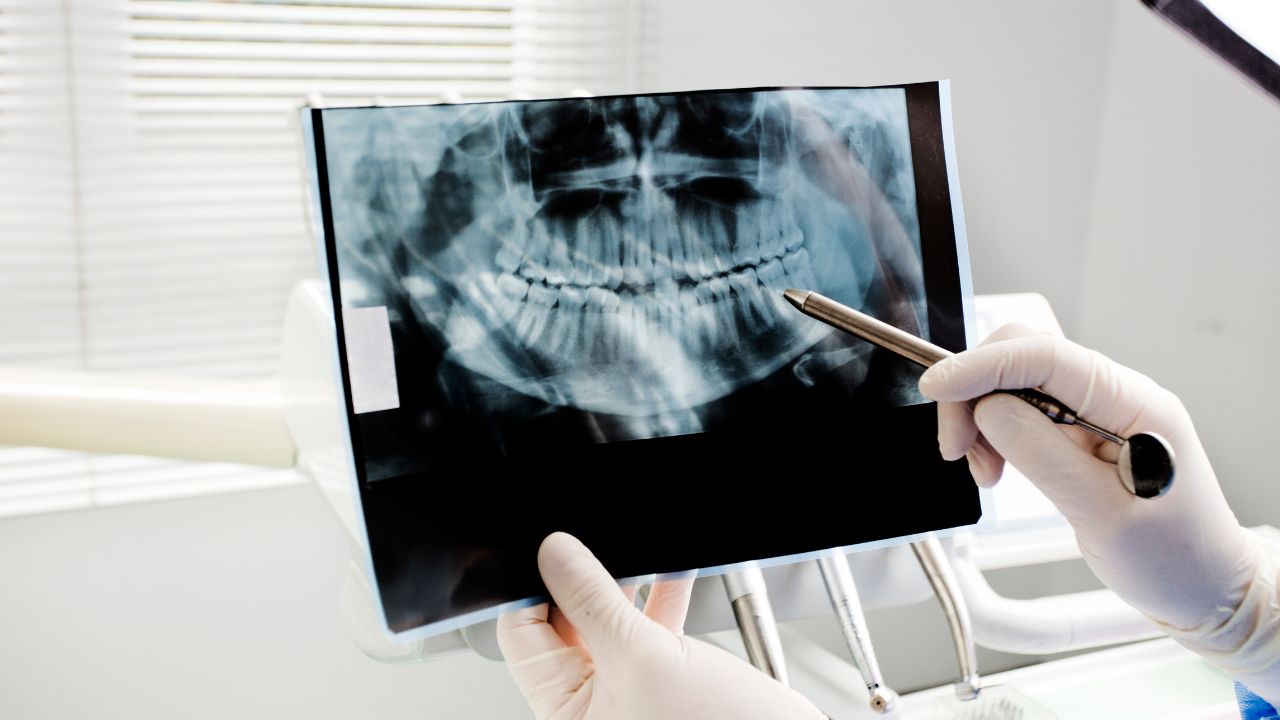
Of all the medical specialties, few are as uniquely positioned at the intersection of medicine and dentistry as oral and maxillofacial surgery (OMS). This demanding field requires a profound and integrated understanding of both disciplines to address a vast spectrum of conditions affecting the face, mouth, and jaws.
For healthcare professionals—from surgical nurses and assistants to referring physicians and administrators—grasping the full scope of this specialty is essential for effective collaboration, appropriate referrals, and the delivery of optimal patient care.
This comprehensive article provides a deep dive into the world of oral and maxillofacial surgery, detailing its historical evolution, the extensive range of its procedures, the collaborative team behind its success, and its future direction.
Oral and maxillofacial surgery: Defining the dual specialty
At its core, oral and maxillofacial surgery is the surgical specialty focused on diagnosing and treating diseases, injuries, and defects involving both the hard and soft tissues of the oral (mouth) and maxillofacial (jaws and face) regions.
An oral surgeon, also known as a facial surgeon or a dental surgeon specializing in this advanced field, serves as a vital and often indispensable link between the medical and dental worlds.
A bridge between worlds
The true scope of oral and maxillofacial surgery is far more extensive than many realize.
It evolved significantly from its roots in dentistry, particularly through the necessity of treating complex facial injuries during the major conflicts of the 20th century. Surgeons were forced to innovate techniques to reconstruct jaws and faces, blending dental principles of occlusion (the bite) with medical principles of bone fixation and soft tissue management.
Today, this specialty embodies that blend; an OMS specialist must understand how to set a fractured mandible so a patient can chew properly while also managing the delicate facial nerve to preserve expression.
The dual training requirement
The pathway to becoming an oral and maxillofacial surgeon is one of the most rigorous and lengthy in all of healthcare.
In the United States, it requires completion of dental school (DDS or DMD) to build a foundation in oral health, followed by a demanding four-to-six-year hospital-based surgical residency. Many programs integrate medical school (MD), culminating in the surgeon holding both dental and medical degrees. This residency involves intensive rotations through general surgery, anesthesiology, plastic surgery, otolaryngology (ENT), and emergency medicine, ensuring the surgeon is as comfortable managing a critically ill trauma patient as they are performing delicate mouth surgery.
The ultimate goal
The overarching aim of any oral and facial surgery is the comprehensive restoration of both function and aesthetics. This includes fundamental human actions like chewing, speaking, and breathing, as well as restoring the facial harmony and appearance that are so crucial to a person's identity and psychological well-being.
The core scope of OMS: Procedures and conditions
The daily practice of an oral maxillofacial surgery specialist involves a wide range of procedures, from common outpatient interventions to major inpatient operations that can last many hours. The complexity and variety of these procedures highlight the specialty's broad expertise.
Dentoalveolar and implant surgery
This area focuses on the teeth and their supporting structures—the alveolar bone and gingiva (gums)—and represents the foundational work of the specialty.
Complex extractions
While general dentists handle many extractions, OMS specialists are referred cases of significant difficulty.
Wisdom teeth removal is a quintessential OMS procedure, often performed because the teeth are impacted (trapped in the jaw). Impaction can lead to a host of problems, including pericoronitis, a painful infection of the gum tissue over the erupting tooth. It can also cause cysts, tumors, or damage to the roots of adjacent molars. The surgeon's anatomical knowledge is critical to avoid injury to nearby nerves and sinuses.
Dental implants and bone grafting
Placing dental implants is a sophisticated method of tooth replacement that requires surgical precision. The process involves embedding a titanium post into the mandible or maxilla, which then fuses with the bone in a process called osseointegration.
A significant part of implantology is ensuring there is enough bone to support the implant. When the alveolar bone has atrophied, the surgeon must perform bone grafting procedures. These can range from minor socket preservation grafts to major ridge augmentations or sinus lifts, using bone from the patient (autograft), a donor (allograft), or synthetic materials to rebuild a stable foundation.
Trauma and reconstruction
When facial injuries occur from accidents, assaults, or other incidents, OMS specialists are frontline experts in the emergency department and operating room.
Management of facial injuries
OMS surgeons are uniquely qualified to manage facial bone fractures. Their training allows them to not only realign the bones but also to do so while preserving the patient's bite and facial aesthetics. They treat the full spectrum of facial trauma, including:
- Mandible fractures: The most common facial fracture, occurring at the condyle, angle, or body of the lower jaw
- Maxilla fractures: Including complex Le Fort fractures that involve separation of the midface from the skull base
- Zygoma and orbital fractures: Fractures of the cheekbone (zygoma) and the delicate bones of the eye socket (orbit) require careful repair to prevent cosmetic deformities and functional problems like double vision. Treatment involves surgically exposing the fractures, precisely realigning them (reduction), and securing them with miniature titanium plates and screws (fixation).
Corrective jaw and joint surgery
This subspecialty addresses developmental, congenital, and acquired deformities of the facial skeleton and the temporomandibular joint.
Orthognathic (jaw) surgery
This procedure is performed to correct significant imbalances between the upper and lower jaws, which can cause chewing difficulties, speech impediments, obstructive sleep apnea, and aesthetic concerns.
Why is maxillofacial surgery necessary for dentofacial deformities?
Because orthodontics alone cannot fix the underlying skeletal problem. In close collaboration with an orthodontist, the OMS surgeon meticulously plans the surgery using 3D imaging, then surgically repositions the jaws into proper alignment and function.
Temporomandibular joint (TMJ) disorders
The temporomandibular joint is one of the most complex joints in the body.
TMJ disorders can cause debilitating chronic pain, headaches, and limited jaw movement. The OMS specialist provides a full range of treatments, from conservative, non-invasive therapies like physical therapy and bite guards to surgical interventions like arthrocentesis (flushing the joint), arthroscopy (minimally invasive surgery), or, in severe degenerative cases, total joint replacement.
The extended reach of maxillofacial care
Beyond the core procedures, the specialty of OMFS extends into highly complex and life-altering treatments that often require leadership of a multidisciplinary medical team.
Oncology and pathology
An OMS surgeon is central to the diagnosis and management of head and neck pathologies.
How are head and neck tumors diagnosed in the maxillofacial region?
- The process begins with a thorough examination and biopsy of any suspicious lesion.
- If a diagnosis of oral cancer is confirmed, the surgeon performs the primary tumor resection, which may involve removing portions of the tongue, jaw, or other facial structures. This is often accompanied by a neck dissection to remove lymph nodes.
- The reconstructive phase is equally critical, potentially involving microvascular free flaps, where bone, skin, and blood vessels are transferred from another part of the body to reconstruct the face and jaw.
Congenital and developmental conditions
The OMFS team is integral to treating congenital craniofacial conditions.
Cleft lip and palate surgery is a primary example, requiring a staged surgical approach. The surgeon repairs the lip shortly after birth to aid in feeding and create a normal appearance, followed by palate repair around one year of age to allow for proper speech development. This care is delivered within a large team that includes pediatricians, orthodontists, and speech therapists.
Advanced medical-surgical interface
The specialty also addresses complex neurological and pain disorders.
Trigeminal neuralgia, a condition causing excruciating, electric shock-like facial pain, can sometimes be treated with surgical procedures performed by an OMS specialist, often in collaboration with a neurosurgeon. They also perform highly technical microsurgery to repair damaged nerves, such as the inferior alveolar nerve after a jaw fracture or the facial nerve to restore facial movement.
The multidisciplinary OMS team: Roles and responsibilities
Successful patient outcomes in oral and maxillofacial surgery are impossible without a highly skilled, collaborative team. Understanding the various OMS job roles is crucial for any healthcare professional in the surgical environment.
The oral and maxillofacial surgeon (OMS)
As the leader, the surgeon is responsible for the entire continuum of care: diagnosis, treatment planning, performing surgery, and overseeing post-operative recovery. The extensive oral and maxillofacial surgeon qualifications and years of OMS training prepare them for this role.
They spend their days consulting in the clinic, operating in the hospital, and taking emergency calls for facial trauma.
Anesthesia providers (anesthesiologists/CRNAs)
Patient safety and comfort are paramount.
What are the common sedation options in oral surgery?
They range from local anesthesia for simple procedures to moderate intravenous sedation (often called "twilight sleep") for wisdom teeth removal, and deep sedation or general anesthesia for major jaw surgery or trauma.
The anesthesia provider performs a thorough pre-operative assessment, administers the anesthetic, and vigilantly monitors the patient’s vital signs throughout the procedure.
The surgical nurse (RN/OR nurse)
Operating room registered nurses are indispensable partners in the surgical suite. Their role is multifaceted and critical for safety and efficiency.
A scrub nurse prepares the sterile instrument table and assists the surgeon directly, while a circulating nurse manages the overall OR environment, documentation, and patient positioning.
They are experts in the specialized equipment used in OMS, from plating systems to advanced imaging.
To understand the full scope of this position, explore what surgical nursing means in medical terms.
Surgical assistants and dental nurses
These team members provide direct, hands-on support.
In an office setting, a dental nurse prepares patients, assists the surgeon chairside, manages instruments, and provides key post-operative instructions.
In a hospital OR, a certified surgical assistant or technologist plays a similar role, retracting tissues, suctioning, and anticipating the surgeon's next move.
Non-surgical specialists
The oral surgery consultant team is vast. Effective care relies on seamless referral and consultation in oral surgery practices.
- Orthodontists are essential partners in planning orthognathic surgery.
- Oncologists and radiation oncologists co-manage cancer patients.
- Prosthodontists create complex prosthetics to restore facial structures.
- Speech and language pathologists are vital for rehabilitating patients after major oral surgery.
Future direction and professional development
The oral and maxillofacial surgery career path is one of continuous learning, driven by breathtaking technological innovation and an evolving understanding of clinical best practices.
Technological advances
The field is at the forefront of surgical innovation.
What are the latest breakthroughs in oral and maxillofacial surgery?
- Virtual surgical planning (VSP) and 3D printing: Using high-resolution CT scans, surgeons can now perform complex surgeries on a computer first. They can precisely plan bone cuts, check the final outcome, and then 3D-print custom surgical guides and patient-specific fixation plates. This is one of many examples of digital innovation in healthcare.
- Intraoperative navigation: Similar to GPS for surgery, this technology allows the surgeon to track their instruments in real-time on a 3D scan of the patient, increasing accuracy in trauma and tumor surgery.
- Regenerative techniques hard and soft tissues: Instead of just borrowing tissue from elsewhere, surgeons are increasingly using growth factors like Bone Morphogenetic Proteins (BMPs) and platelet-rich plasma to stimulate the body’s own ability to regenerate bone and soft tissue.
Career pathways and education
The rigorous education in oral and maxillofacial surgery provides a foundation for diverse career paths. Surgeons may work in private practice, join a hospital as trauma or oncology specialists, or pursue academic careers involving teaching and research. For all members of the team, especially nurses looking into specialties, there are numerous avenues for nursing career advancement and specialization within surgery.
Clinical best practices and risk management
A primary focus for modern surgical teams is understanding and mitigating risk.
What are the key risks and side effects of oral surgery?
They include infection, bleeding, swelling, and potential nerve injury leading to numbness or weakness.
Meticulous planning, sterile technique, and clear communication are essential to minimize post-operative complications in oral surgery. A crucial part of this is providing detailed guidance on the necessary patient aftercare following oral surgery, which includes pain management, diet restrictions, oral hygiene, and activity limitations.
How long is the typical recovery process for major jaw surgery?
While the initial recovery may be 6-8 weeks, the final healing and settling can take up to a year.
A remarkable fusion of medicine and dentistry
From managing an impacted wisdom tooth to reconstructing a face after devastating trauma, the specialty of OMFS is a testament to the remarkable fusion of medicine and dentistry.
The field's profound breadth and complexity underscore the critical importance of a cohesive, multidisciplinary team where every member—from the surgeon to the nurse to the technologist—plays an essential and respected role.
The success of oral and maxillofacial surgery, across all complexity levels of oral surgery procedures, is a direct reflection of this collaborative spirit, dedicated to restoring health, function, and confidence to patients.
Interested in the full spectrum of surgical roles? Discover career paths and continuous education opportunities across the broader field of surgery.


