

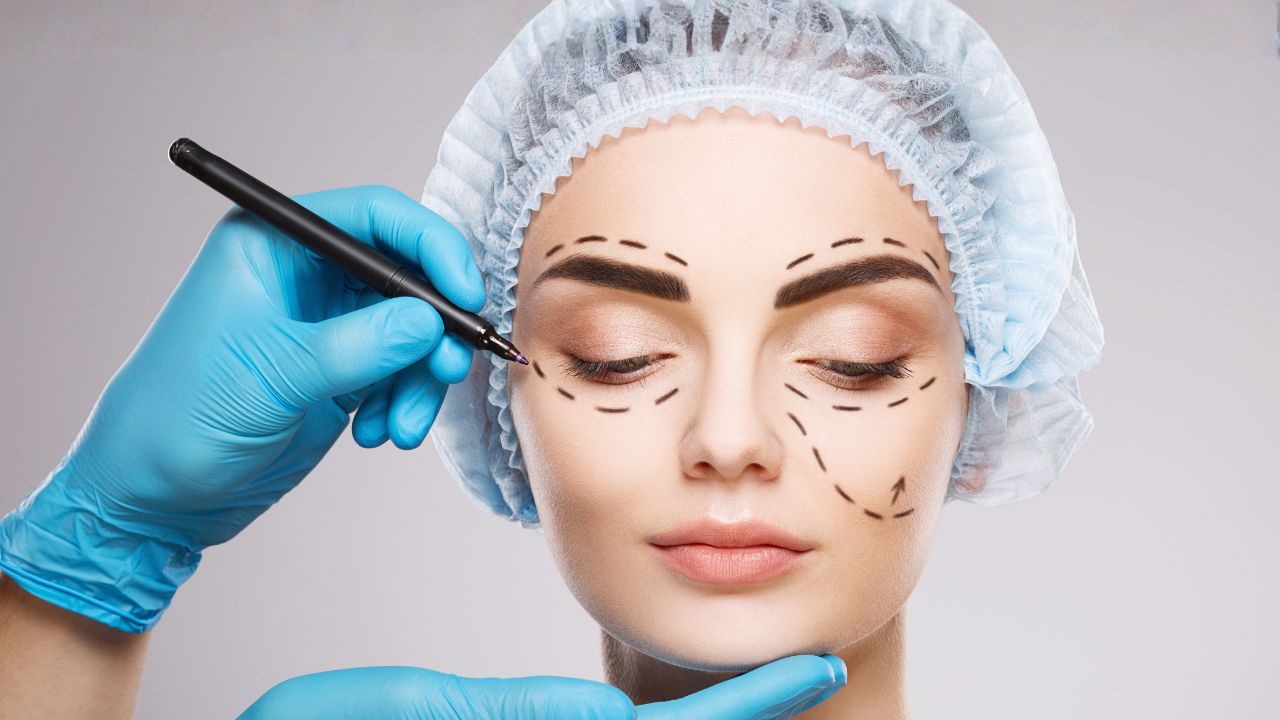
From reconstruction after trauma to aesthetic refinement, plastic surgery represents one of medicine’s most creative frontiers. Its blend of precision, empathy, and technology continues to shape how patients experience recovery and renewal.
Plastic surgery
Plastic surgery is one of the most diverse and innovative fields in modern medicine. Once considered the domain of celebrities and luxury, it has evolved into a specialty that combines science, artistry, and empathy — helping patients restore form, function, and confidence.
From trauma repair and burn reconstruction to elective aesthetic enhancements, plastic surgery now touches nearly every area of healthcare.
According to the American Society of Plastic Surgeons, nearly 1.5 million cosmetic surgical procedures and over 23 million cosmetic minimally invasive procedures were performed in the United States in 2022—proof of the growing demand for both restorative and aesthetic surgical care.
What is plastic surgery?
Plastic surgery is a medical specialty focused on reshaping, restoring, or enhancing the human body. It encompasses both reconstructive procedures, which correct deformities or restore normal appearance after injury or illness, and cosmetic procedures, which improve aesthetic balance or self-image.
The term “plastic” comes from the Greek plastikos, meaning to mold—a fitting description for a discipline where precision and creativity coexist. Whether reconstructing a face after trauma, repairing a cleft palate, or refining body contours, plastic surgeons apply the same foundational goal: to improve both function and appearance.
The range of plastic surgery procedures
Plastic surgery includes procedures that span reconstructive, cosmetic, and non-surgical domains.
Reconstructive procedures
Reconstructive surgery focuses on restoring normal form and function after disease, trauma, or congenital conditions. Common examples include:
- Breast reconstruction following mastectomy
- Cleft lip and palate repair
- Burn reconstruction and scar revision
- Hand surgery to restore mobility or sensation
- Skin grafting and flap surgery for wound coverage
These procedures often blend functional restoration with aesthetic principles, helping patients recover both physical ability and confidence.
Cosmetic procedures
Cosmetic surgery enhances or refines natural features for aesthetic balance and self-confidence. According to the American Society of Plastic Surgeons, the top cosmetic procedures include:
- Liposuction: Removal of excess fat to improve body contour
- Breast augmentation: Enhancement of breast size and shape
- Abdominoplasty (tummy tuck): Tightening abdominal muscles and removing excess skin
- Breast lift (mastopexy): Repositioning sagging breasts
- Eyelid surgery (blepharoplasty): Rejuvenating tired or drooping eyes
Cosmetic procedures can be subtle or transformative—and increasingly, patients combine multiple techniques for harmonious results.
Non-surgical treatments
Many patients choose minimally invasive treatments as alternatives or complements to surgery. These include:
- Neuromodular injectors (Botox, etc.)
- Dermal fillers
- Laser resurfacing
- Microneedling
- Chemical peels
Non-surgical options often involve less downtime while still achieving noticeable improvement in skin texture and contour.
Where is plastic surgery performed?
Plastic surgery may take place in a hospital operating room, an ambulatory surgery center, or a certified outpatient clinic, depending on the complexity of the procedure.
Large reconstructive cases—such as burn repair, complex hand reconstruction, or microsurgery—are generally performed in hospital settings where critical care teams are available.
Cosmetic and non-surgical procedures are frequently done in outpatient centers under local or moderate sedation.
No matter the setting, safety depends on qualified surgical teams, adherence to sterilization standards, and careful patient selection.
Who performs plastic surgery?
Plastic surgeons undergo extensive training in general surgery followed by specialized residency and often fellowship programs in aesthetic or reconstructive disciplines.
They work alongside a coordinated team that may include:
- Anesthesiologists or certified registered nurse anesthetists (CRNAs), ensuring comfort and safety
- Surgical technologists and nurses, maintaining the sterile field and assisting intraoperatively
- Recovery and wound-care specialists, monitoring healing
- Dermatologists and aestheticians, in non-surgical or adjunctive care settings
This collaboration ensures that each phase—preoperative, intraoperative, and postoperative—aligns with the patient’s safety and goals.
What makes plastic surgery unique?
Few specialties balance artistry and science as precisely as plastic surgery. It demands an understanding of anatomy, tissue biology, and aesthetics, as well as mastery of fine motor skills.
Unlike other surgical fields focused on one organ system, plastic surgery is defined by techniques, not anatomy. Surgeons may operate from head to toe, working with skin, muscle, bone, and soft tissue.
Plastic surgery also bridges multiple medical areas—including oncology, orthopedics, pediatrics, dermatology, and maxillofacial surgery — making it a cornerstone of multidisciplinary care.
Safety, recovery, and complications
Plastic surgery outcomes depend on more than surgical skill; they rely on preparation, patient care, aftercare, and patient adherence to recovery protocols.
Typical recovery time varies by procedure:
- Minor aesthetic treatments may require only a few days
- Major reconstructive surgeries can take weeks
Most patients return to work within 2-4 weeks following common cosmetic procedures such as liposuction or abdominoplasty.
Potential complications after plastic surgery include:
- Bleeding
- Infection
- Seroma formation
- Delayed wound healing
- Anesthesia-related issues
Careful patient screening, sterile technique, and postoperative monitoring are essential to minimizing risks.
Many surgical centers now employ Enhanced Recovery After Surgery (ERAS) protocols—evidence-based plans that optimize nutrition, control pain, and encourage early mobility to shorten recovery and improve comfort.
Advances and innovations in plastic surgery
Plastic surgery continues to evolve through technology, materials, and methods that improve outcomes and shorten recovery. Notable innovations include:
- Microsurgical reconstruction, which uses tiny instruments to reconnect blood vessels and nerves
- 3D printing and modeling, allowing surgeons to plan reconstructions with precision
- Regenerative medicine and fat grafting, which use a patient’s own tissue for natural results
- Robotic and endoscopic techniques, reducing incision size and scarring
- Augmented reality and imaging tools, which aid in surgical planning and patient education
These advances support the growing trend toward personalized surgical care—procedures tailored to individual anatomy, lifestyle, and expectations.
How do patients prepare for plastic surgery?
Preoperative preparation plays a key role in achieving successful outcomes. Before surgery, patients typically:
- Undergo medical evaluation and lab testing
- Stop smoking and adjust medications
- Receive counseling on expected results, risks, and recovery
- Discuss anesthesia options and postoperative instructions
What questions should patients ask before plastic surgery?
Experts recommend asking about the surgeon’s board certification, facility accreditation, expected recovery timeline, and contingency plans for complications. Clear communication builds trust and sets realistic expectations.
The importance of emotional and psychological support
Plastic surgery is not only physical—it can have a profound emotional impact. Patients recovering from trauma or illness may struggle with self-image, while those pursuing elective procedures often balance anticipation with anxiety.
That’s why many clinics integrate psychological screening and counseling as part of preoperative planning.
Understanding patient motivation and emotional readiness helps surgical teams deliver safe, satisfying results and minimize postoperative regret.
The growing role of plastic surgery in modern medicine
Beyond aesthetics, plastic surgeons play a vital role in restorative and functional medicine. They help rebuild lives after:
- Cancer treatment, such as breast or skin reconstruction
- Accidents or burns, restoring movement and sensation
- Congenital conditions, such as cleft lip and palate
- Chronic wounds or pressure injuries, improving quality of life
As populations age and surgical access expands, the global demand for plastic surgery—both reconstructive and elective—continues to rise.
Innovation, skill, and compassion combined
Plastic surgery exemplifies medicine’s ability to heal beyond the surface. It blends anatomical knowledge, surgical precision, and aesthetic understanding to create meaningful transformation.
For patients, the results can restore not just appearance but identity, confidence, and independence. And for healthcare teams, the field continues to offer some of the most inspiring examples of what modern surgery can achieve.
Curious about how other surgical specialties shape patient care?
Learn more about the broader field of surgery—where innovation, teamwork, and compassion intersect every day.


