

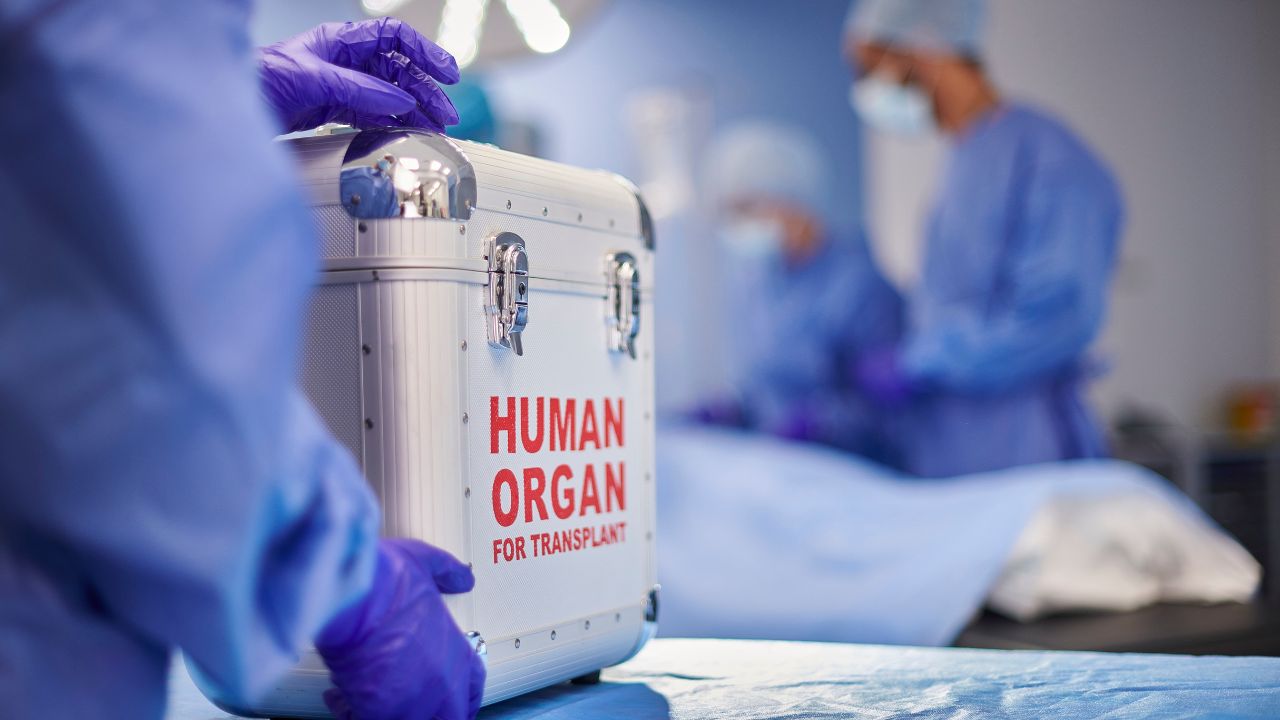
Transplant surgery is a vital, advanced medical field that gives hope to thousands with organ failure each year. It involves skilled surgeons and multidisciplinary teams, from donor selection and preoperative care to post-transplant recovery.
This guide explains each step and highlights innovations, logistics, and ethical issues in the transplantation process. Whether for clinicians, patients, or students, understanding transplant surgery reveals both cutting-edge medical practices and the complex systems that make these life-saving operations possible.
Understanding transplant surgery
Transplant surgery refers to a specialized surgical field focused on replacing a failing or damaged organ with a healthy one from a donor. The scope of transplant surgical procedures includes not only the technical aspects of transplantation but also preoperative evaluation, multi-organ transplantation strategies, perioperative transplant care, and rigorous post-transplant follow-up.
Surgical transplantation is unique compared to other surgical specialties due to its reliance on donor tissue, intricate immunological considerations, and the need for seamless transplant team coordination. Unlike most elective or trauma surgeries, where tissues are often native to the patient, solid organ transplant surgery involves grafting organs such as the kidney, liver, heart, lung, pancreas, or intestine from human donors into recipients suffering from end-stage organ disease.
A transplanted organ or “graft” may come from a living or deceased donor; its success depends not just on surgical expertise, but on matching, immunosuppression, and sustained multidisciplinary management. Transplant surgery requires careful orchestration of logistics, surgical skills, perioperative monitoring, and long-term care—making it a prime example of modern team-based medicine.
Solid organ transplants have revolutionized the care of patients with irreversible kidney, liver, heart, or lung failure, dramatically improving both survival and quality of life. As the demand for organs continues to outpace supply, the field of transplant surgery must balance allocation, innovation, and ethical stewardship.
Types of transplant surgical procedures
There are several primary types of transplant surgical procedures, each tailored to specific organ failures and patient needs. The most common solid organ transplant surgeries include the following.
Kidney transplantation
Kidney transplant surgery is the most frequently performed solid organ transplant worldwide. Candidates typically have end-stage renal disease (ESRD) from causes such as diabetes or hypertension. Transplant replaces the need for dialysis, offering improved longevity and lifestyle. Liver transplantation
Liver transplants are performed for acute liver failure or progressive liver diseases like cirrhosis or hepatitis. The liver’s remarkable regenerative abilities allow for both whole-organ and living-donor partial liver transplants. Transplant recipients are stabilized postoperatively in the post-anesthesia care unit (PACU).
Heart and lung transplantation
Heart transplantation is the definitive treatment for end-stage heart failure due to cardiomyopathy, coronary disease, or congenital abnormalities, while lung transplants are indicated for diseases like COPD, pulmonary fibrosis, or cystic fibrosis. Cardiac ICU and respiratory care teams play key roles in recovery.
Pancreas and intestinal transplants
Pancreas transplants, often performed in combination with kidney transplants, help cure type 1 diabetes in select patients. Intestinal transplants are rare, reserved for severe short gut syndrome or irreversible intestinal failure. Healthcare professionals in the step-down unit assist with these complex recoveries.
Vascularized composite allografts (VCAs)
Recent advances have made hand, face, or limb transplants possible, known as vascularized composite allografts. These procedures require intricate reconstruction of blood vessels, nerves, and tissues beyond standard solid organ surgery.
Multi-organ transplantation
Some patients may require multi-organ transplantation, such as simultaneous heart-lung, liver-kidney, or multi-visceral (liver, pancreas, intestine) grafts. These tend to be complex, with high surgical risk and the need for careful recipient selection.
Factors influencing procedure selection include the patient’s age, comorbidities, primary disease, expected outcomes, and the technical feasibility of transplantation. Transplant surgery patient selection criteria are crucial in determining the best surgical option and predicting long-term outcomes.
What determines the type of transplant a patient receives?
It’s a combination of disease severity, organ availability, immunological compatibility, patient comorbidities, and, crucially, stringent transplant center protocols.
Donor types: Living vs. deceased donors
Organ transplant surgery relies on two primary sources of donor organs: living donor transplants and deceased donor transplants.
What’s the difference between living donor and deceased donor transplants?
Living donor organ transplants are typically planned procedures from living relatives or friends, often allowing for better short- and long-term graft survival. Deceased donor transplants rely on available organs at the time of donor death and require precise allocation according to registry priorities.
Living donor transplants
In a living donor transplant, a healthy individual donates an organ (usually a kidney or a portion of their liver) to a compatible recipient. Living donor transplantation offers several advantages:
- Reduced waiting time
- Optimal scheduling (elective vs. emergent)
- Shorter cold ischemia time improves graft survival
However, it involves significant ethical consideration, as donors undergo surgery with no physical benefit to themselves, only psychosocial rewards.
Deceased donor transplants
Deceased donor transplant utilizes organs from individuals declared brain-dead or, in exceptional cases, after circulatory death. Organs are matched via national or regional registries based on urgency, compatibility (HLA antigens, blood type, body size), and logistical factors.
- Advantages: More organs available, suitable for most solid organ transplants
- Limitations: Longer waiting times, potential for delayed graft function, and dependent on complex allocation systems
Ethical and logistical considerations include ensuring voluntary consent, transparent allocation, and minimizing disparities in access.
How do organ allocation and matching work?
National and international registries (e.g., UNOS/Eurotransplant) use computerized algorithms to match organs based on medical urgency, immune compatibility, geography, and time on the waitlist. Case managers often help with patient education and care continuity during allocation and matching processes.
Preoperative evaluation and patient selection
Successful transplant surgical procedures begin long before organ arrival. Comprehensive preoperative evaluation and patient selection are essential for graft success and long-term outcomes.
Transplant surgery patient selection criteria
Selection involves rigorous assessment of medical condition (e.g., irreversible organ failure), psychosocial stability (support network, lifestyle), and ethical considerations (autonomy, ability to adhere to regimens).
Contraindications may include uncontrolled infection, cancer, or severe comorbidity. Support from healthcare professionals in the medical-surgical unit is vital for patients as they undergo evaluation.
Compatibility testing and matching protocols
Key laboratory and genetic tests determine compatibility:
- Blood typing (ABO compatibility)
- HLA tissue typing
- Cross-matching (to detect antibodies to donor antigens)
Transplant centers adhere to standardized matching and allocation procedures as part of transplant center protocols. These processes minimize rejection risk and optimize outcomes.
Patient education and consent
Education on risks, benefits, and long-term implications is essential. Valid informed consent demands patient understanding of transplant immunosuppression, lifelong follow-up, and realistic expectations.
Multidisciplinary assessments
Transplant readiness is evaluated by the whole team—surgeons, physicians, nurses, psychologists, social workers—using standardized scoring systems and evidence-based guidelines. Social workers and psychiatric healthcare professionals support transplant patients through psychosocial evaluation.
Perioperative transplant care
What happens in the transplant operating room is the result of days to weeks of planning.
Phases of transplant surgery
- Organ preparation: The donor organ is inspected, flushed, and preserved in specialized solutions during transport and assessment.
- Surgical incision: The recipient’s failing organ is carefully exposed, and diseased tissue is removed if necessary.
- Vascular anastomosis: The new organ’s blood vessels and ducts are connected to the recipient to restore circulation.
- Graft reperfusion: Blood flow resumes, and the organ is observed for immediate function.
Coordination and roles during surgery
The transplant team includes lead surgeons, anesthesiologists, scrub technicians, and specialized transplant nurses. Roles are clearly defined to enable efficient workflow, minimize ischemia times, and maximize organ viability.
Special attention is paid to ischemia times—how long the organ is deprived of blood—which must be minimized for optimal outcomes. Perfusion monitoring and organ preservation strategies (hypothermia, machine perfusion) are used throughout.
Key question: How does organ transplant surgery actually work?
In essence, transplant surgery replaces a failing organ with a healthy donor organ via meticulous surgical connections (anastomoses) and restoration of blood flow, all done under careful perioperative transplant care and strict sterile technique to prevent infection and rejection.
Postoperative care and transplant patient recovery
Immediate postoperative care is frequently provided in specialized transplant ICUs or step-down units. The complexity of surgical transplantation—and the risk of early complications—demands round-the-clock vigilance.
Key aspects of recovery:
- Transplant immunosuppression: Recipients begin immunosuppressive medications (e.g., corticosteroids, calcineurin inhibitors, antiproliferative agents) immediately to prevent graft rejection. Drug regimens are closely monitored for levels, adverse effects, and opportunistic infections.
- Pain and wound management: Effective pain control, early mobilization, and wound care are standard.
- Nutrition and infection control: Special diets help healing, while prophylactic medications and sterile technique minimize infection risk.
- Physical therapy and rehabilitation: Early rehab is crucial in regaining function and preventing complications like deep vein thrombosis.
- Psychosocial care: Recipients receive counseling to help adapt emotionally to transplantation and the lifelong changes it necessitates.
Recovery after transplant surgery
Most patients spend 1-2 weeks in hospital, or longer for complex transplants. Full strength and lifestyle normalization may take several months, with lifelong immunosuppression and follow-up.
Transplant nurses and coordinators play crucial roles in discharge planning, family education, medication teaching, and monitoring for early signs of complications.
Managing complications and rejection
Even with optimal care, complications such as infection, vascular problems, and—most importantly—graft rejection may arise.
What is graft rejection, and how is it treated?
Graft rejection is the recipient’s immune system attacking the transplanted organ. It’s treated by rapid escalation of immunosuppressive medications, close monitoring, and in some cases, organ biopsy or re-transplantation.
Types of graft rejection:
- Hyperacute rejection: Minutes to hours post-transplant, driven by pre-existing antibodies; almost always catastrophic
- Acute rejection: Days to weeks post-transplant, due to cellular or humoral immune responses; treatable if detected early
- Chronic rejection: Months to years; slow deterioration of graft function due to long-term immune injury
Common complications:
- Graft dysfunction or loss
- Infections (bacterial, viral, fungal)
- Vascular or biliary strictures in organ-specific cases
- Medication toxicity (nephrotoxicity, diabetes, hypertension)
Transplant rejection management may involve boosting immunosuppression, performing biopsies for diagnosis, and supportive treatments. Adjustments must balance rejection risk with the danger of infection or cancer.
The transplant team and coordination
Transplant surgery is the epitome of multidisciplinary care. The transplant team typically includes:
- Transplant surgeons: Lead surgical planning and execution
- Transplant coordinators: Manage logistics, communication, and follow-up
- Transplant nurses: Provide bedside care, patient education, monitor for early complications, and assist in both the operating room and transplantation unit
- Transplant technician roles: Cover instrument prep, organ transport, and intraoperative troubleshooting
- Anesthesiologists: Manage patient stability throughout the complex procedures
- Immunologists and pharmacists: Guide patient-specific immunosuppression and medication safety
- Social workers and dietitians: Address psychosocial, lifestyle, and nutritional needs
How do transplant teams coordinate care?
Transplant teams coordinate care through standardized protocols, digital registries, frequent multidisciplinary meetings, and clear communication pathways from preoperative to long-term post-op care.
Technology and innovation in transplant surgery
The past decade has brought unprecedented innovation to transplant surgical procedures:
- Machine perfusion: Keeps organs viable longer by simulating body conditions during transport, expanding donor pools, and improving graft outcomes
- Artificial intelligence (AI): Used for donor-recipient matching, outcome prediction, and early complication detection
- Robotic-assisted surgery: Minimally invasive retrieval and transplantation, especially in living donor transplants, reducing morbidity and hospital stays
- 3D printing and surgical simulation: Facilitate preoperative planning and training by creating patient-specific tissue models
- Telemedicine and cloud-based platforms: Support global communication, knowledge sharing, and remote mentorship—critical for centers in low-resource settings
How is technology changing modern transplant surgery?
Through better organ preservation, precision in matching, improved surgical accuracy, and new global outreach methods, technology is making transplantation safer and more accessible.
Outcomes, trends, and future directions
Survival, success rates, and advances
Solid organ transplant surgery has astonishing outcomes:
- Kidney transplants: 1-year graft survival rates >95% (living donors)
- Liver and heart transplants: 80–90% survival at 1 year
- Lung and pancreas transplants: Slightly lower, but improving with better immunosuppression and logistics
Cutting-edge innovations
Future directions include:
- Xenotransplantation: Using animal organs (e.g., genetically modified pigs); still experimental
- Bioengineered organs and stem cell therapies: Potential for unlimited supply, less rejection
- Personalized immunosuppression: Tolerance-based protocols that may one day eliminate lifelong medications
Global challenges
Equitable organ allocation, increasing deceased donation rates, and bridging the gap between supply and demand are ongoing global issues. International collaboration and standardized policies are essential.
Ethical and policy considerations
Ensuring fairness, transparency, and avoiding exploitative practices (e.g., organ trafficking) are central ethical challenges.
Concluding thoughts
The future of transplant surgery lies in precision medicine and creating sustainable, equitable transplantation systems worldwide—making transplantation accessible to all who need it, regardless of geography or socioeconomic background.
To learn more about surgical care and transplant innovation, visit Nursa’s surgical specialty guide.


