

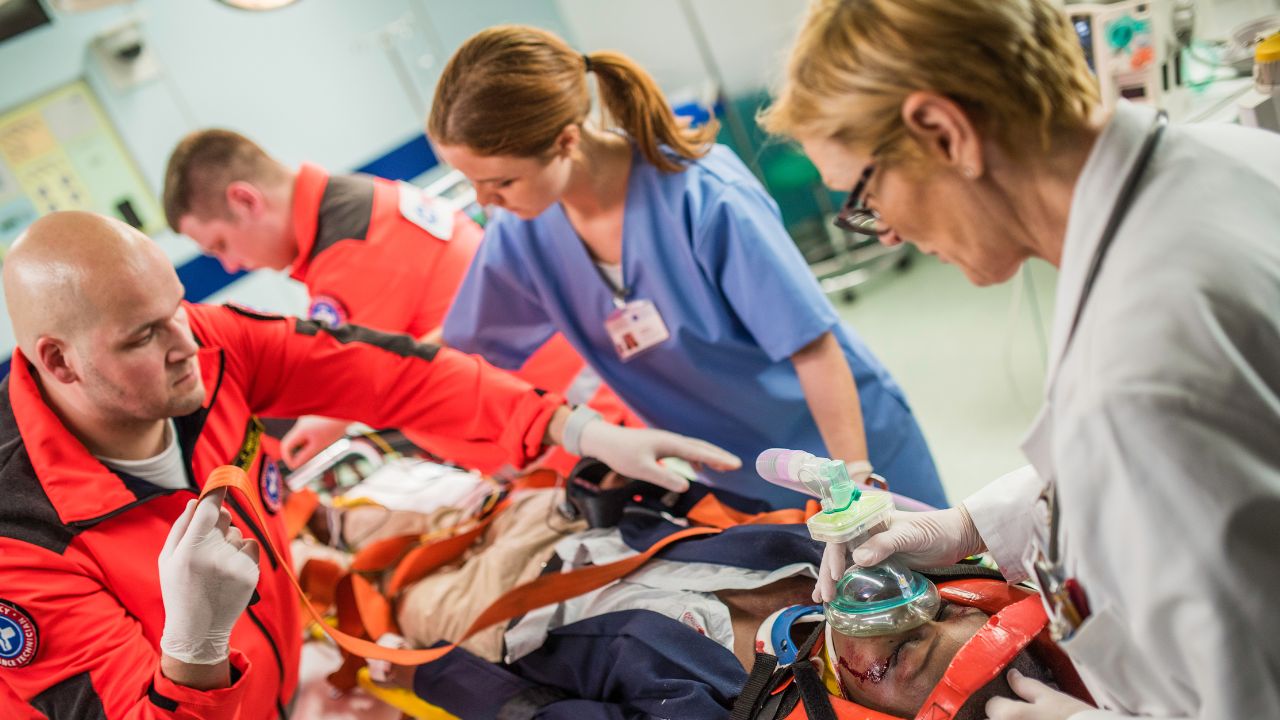
Level III trauma center care level overview
A Level III trauma center provides advanced trauma resuscitation, emergency surgery, and intensive care for most injured patients. While not equipped with the full subspecialty staffing of Level I or II centers, Level III trauma centers are essential for rural and moderate-sized communities, serving as pivotal access points for trauma care and transfer.
On Nursa, understanding the Level III trauma center allows clinicians to find trauma roles with a balance of autonomy and support, and enables facilities to communicate 24/7 preparedness and operational partnerships within regional trauma networks.
What defines a Level III trauma center
Level III trauma centers provide 24-hour in-house emergency medicine coverage and prompt surgical intervention. They stabilize patients with major injuries, perform emergency operations, and arrange definitive care for the most complex trauma cases via transfer agreements with Level I or II facilities.
Core capabilities of Level III trauma centers
- 24/7 immediate coverage: Emergency medicine physicians, with specialty surgeons and anesthesia available within 30 minutes
- ICU capabilities: Continuous intensive care capabilities for trauma patients
- Emergency surgery: Management of most traumatic injuries, including stabilization and hemostasis
- Rapid assessment: Advanced imaging and laboratory diagnostics on-site
- Defined transfer protocols: Established procedures and transfer agreements for complex cases
- Performance improvement: Robust trauma performance improvement programs and continuing staff education
Level III trauma centers play a crucial role in initial care, stabilization, and determining when transfer for higher-level intervention is necessary.
Clinician experience in a Level III trauma center
Clinicians in Level III trauma centers—trauma surgeons, emergency physicians, CRNAs, and trauma-trained nurses—practice comprehensive trauma assessment, emergency intervention, and interfacility communication. Hands-on experience in critical airway management, hemostatic resuscitation, fracture stabilization, and ICU-level care is common.
Level III trauma shifts appeal to those who want to develop both technical and leadership skills in a resourceful environment where every minute counts.
How facilities operate as a Level III trauma center
Facilities designated as Level III trauma centers implement clear trauma team activation, maintain 24/7 OR staff availability, and deliver ICU-level monitoring. Robust medical records, safety audits, and transfer guidelines are essential.
Facility operations and staffing
- Board-certified emergency and surgical staff on call, with OR and ICU nurses on site
- Rapid trauma activation systems and collaboration with EMS
- Immediate blood bank, radiology, and laboratory support
- Administrative and trauma leadership overseeing performance improvement and compliance
- Strong partnerships with regional trauma centers for seamless transfer
Facilities use the Level III trauma designation to anchor trauma care in their region, combining advanced services with rapid triage.
Advancing trauma care in Level III trauma centers
Level III trauma centers ensure timely intervention, effective stabilization, and efficient transfer across the trauma system—bridging the gap between smaller facilities and comprehensive trauma hospitals. These settings offer clinicians robust practice opportunities and give facilities the ability to champion community trauma response.
On Nursa, providers and organizations can indicate Level III trauma center experience or capacity—streamlining staffing for trauma care that saves lives every shift.


