Per diem nursing shifts in [Herington], [Kansas]
per diem nursing shifts in [Herington], [Kansas] is a topic that matters to clinicians, nursing assistants, and healthcare professionals who want control over when they work, where they work, and how they balance a busy life with patient care. In this guide, you’ll find practical details about living and working in this Kansas city, plus a clear look at what PRN shifts feel like, what facilities hire per diem staff, and how to navigate licensing and local trends. If you’re considering a move into flexible shifts here, you’ll get a realistic picture of what to expect and how to make the most of opportunities in the area. The city’s size means close-knit teams, straightforward commutes, and plenty of chances to plug into the community between shifts.
Living and working in Herington means blending the pace of a small town with the professional fulfillment of vital patient care. Nurses, nursing assistants, clinicians, and other healthcare professionals often find that PRN work here can complement family time, schooling, or other pursuits. You’ll have the chance to stay connected with local clinics while exploring nearby towns for weekend activities. This article breaks down practical aspects of shifts in this city, plus lifestyle notes that resonate with the realities of rural Kansas life.
What is working PRN with Nursa like?
Working PRN, or as-needed shifts, offers real flexibility. In this city, you can shape a schedule that matches school days, family obligations, or personal projects. The ability to pick shifts in advance or on short notice lets you balance work with daily life. For many clinicians, a mix of days, evenings, and weekends helps prevent burnout and keeps your clinical skills sharp. If you enjoy variety, you’ll value the chance to work across settings—each assignment brings new teams, patient mixes, and workflows.
Control over scheduling is a major draw. You can prioritize local shifts to stay close to home or branch out to nearby facilities for broader experience. Short commutes mean more time off the clock and less time spent in traffic. For nursing assistants and clinicians, the ability to select assignments that align with your skill set—such as wound care, med-surg, or geriatrics—helps preserve job satisfaction. The result is a rhythm that fits your life, not the other way around.
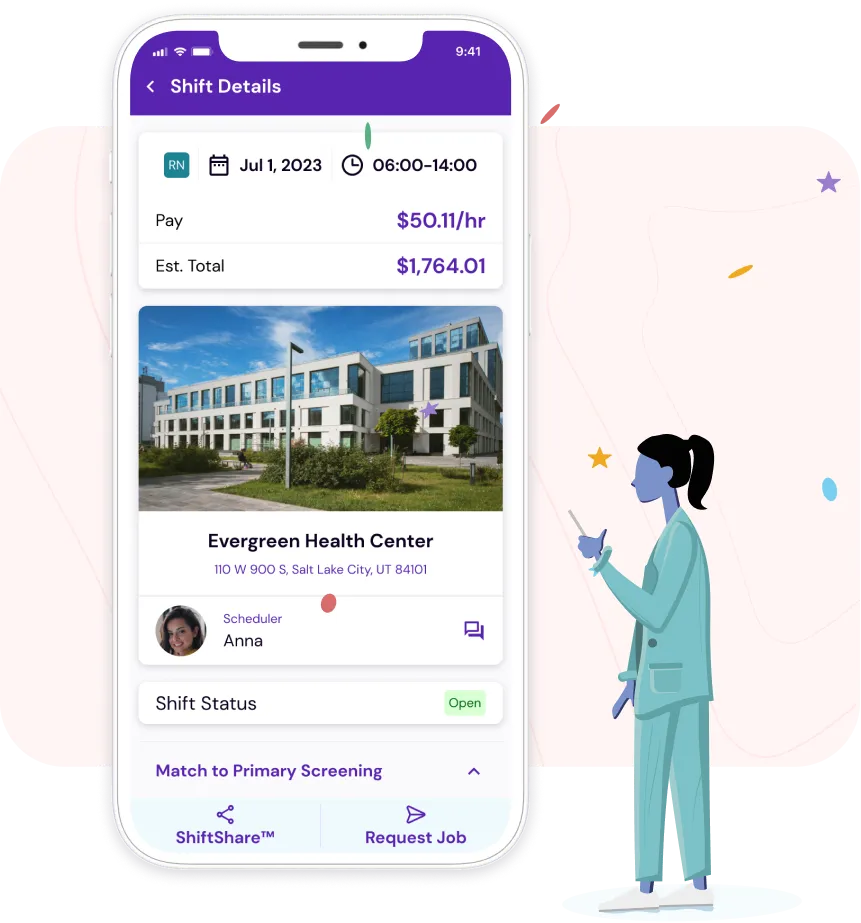
In terms of work settings, you’ll encounter a balanced mix of environments—from small clinics to larger facilities within a reasonable drive. The variety challenges you in a positive way, keeping your clinical instincts fresh and your problem-solving skills sharp. The platform behind PRN shifts in this market emphasizes transparent details about each assignment, so you know exactly what to expect before you say yes. For many, that level of clarity reduces stress and improves readiness for each shift.
Finally, balance with personal life matters here. With a smaller community footprint, you’ll often know colleagues beyond the ward—helpful when you’re navigating coverage and shifts. The ability to reduce rotating schedules or align shifts with major life events makes PRN work feel like a genuine extension of your life rather than a disruption. For many in this city, the result is a sustainable, fulfilling pattern that sustains both clinical growth and personal well-being.
What types of healthcare facilities use this platform?
- Long-term care facilities
- Skilled nursing facilities
- Hospitals
- Hospice providers
- Home health agencies
- Urgent care centers
- Clinics and specialty clinics
In Herington and the surrounding region, per diem roles appear across settings that serve aging populations, post-acute care, and rural communities. Long-term care and skilled nursing facilities frequently need dependable staff to cover shifts, weekends, and holidays. Hospitals in nearby towns also post PRN options for med-surg, ED, and post-operative floors. Home health agencies offer visits that require critical thinking and adaptability, while hospice teams rely on compassionate, patient-centered care. Urgent care centers and clinics hire clinicians who can handle a fast pace and diverse cases. If you’re exploring options, you’ll likely see a steady flow of shifts across these facility types, with demand shaped by patient volumes and staff availability in the region.
What sets the platform apart from other PRN platforms?
- Fast pay, so you receive wages promptly after shifts
- Transparent shift details to help you decide quickly
- Real-time shift notifications to seize opportunities as they appear
- Clear review opportunities to share your facility experiences
- A broad network of facilities with a solid reputation in the area
- Robust clinician support and accessible help when you need it
Beyond the basics, the platform emphasizes clarity and speed. You’ll see shift specifics up front—location, start time, required credentials, and estimated duration—so you can plan without guesswork. Real-time alerts keep you informed about last-minute openings in your preferred settings. This combination helps you maximize your available hours and build a steady rhythm of shifts. The platform also prioritizes feedback mechanisms that help facilities improve, which in turn creates more consistent scheduling over time. A supportive environment is a hallmark here, with channels for peers to share tips and advice that make per diem work more manageable.
Because the city is relatively small, building trust with facilities matters. The network’s positive reputation in the community contributes to smoother onboarding and quicker placements. Clinician support remains a constant feature—whether you need credential guidance, assignment details, or scheduling help, you can expect timely assistance. While the name of the platform is not the focus here, the core advantages—speed, transparency, and a responsive support system—play a major role in how PRN shifts feel in this market.
How the platform works
- Sign up
- Verify licensure
- Complete clinician profile
- Upload credentials
- Request a PRN shift
- Complete background check
Starting is straightforward. You’ll set up a profile that highlights your specialties and experience. Licensure verification ensures you’re authorized to work in Kansas, and credential uploads confirm your clinical competencies. Once you’re verified, you can browse available PRN shifts, request ones that fit your schedule, and complete the required background check. The process is designed to move quickly so you can start accepting shifts without long delays. With a flexible approach, you can build a portfolio of assignments that align with your clinical interests and life rhythm.
Local licensing requirements
In Kansas, you typically need an active Kansas nursing license to practice within the state. The state’s stance on multi-state licensure and the nursing licensure compact affects cross-border work. As of now, Kansas is not part of the Nursing Licensure Compact, so nurses who want to work in Kansas generally hold a Kansas license. If you hold a compact license from another state, verify current rules with the Kansas Board of Nursing before accepting assignments in this market. It’s important to stay up to date on any changes to licensure rules that could impact your eligibility for per diem shifts here.
Recommended certifications help you meet common facility expectations. Basic life support (BLS) is standard across most per diem roles. Pediatric advanced life support (PALS) is valuable if you plan to work with younger patients, and advanced cardiovascular life support (ACLS) can be beneficial for acute care settings. In addition to these, CPR certification remains essential in most patient-care roles. Expect facilities to require or encourage current certifications when you apply for shifts, particularly in higher-acuity settings.
Local employment trends
Herington sits in a region with a mix of rural healthcare needs and nearby urban services. The demand for PRN shifts tends to track patient intake at local facilities, staff availability, and seasonal fluctuations. Rural markets often experience higher demand for flexible staff to cover vacations, illnesses, or short staffing gaps, especially in long-term care and home health. As the population ages, demand for geriatric and chronic-care expertise grows, which keeps per diem roles in steady rotation.
Wages for per diem shifts in small cities like Herington typically reflect the market dynamics of rural healthcare. Shifts can yield competitive compensation relative to the local cost of living, with the potential for premium rates on peak days or high-demand times. The broader regional economy also influences shift availability; when nearby towns run short on staff, you may see more opportunities. Flexible work schedules can be especially attractive to clinicians balancing family responsibilities, continuing education, or side projects while maintaining strong patient care outcomes.
Another trend to watch is collaboration between facilities and staffing platforms to ensure adequate coverage. The goal is to keep patient care stable, particularly across post-acute and rural hospital units. If you value a predictable flow of assignments, you may find that setting preferences for certain days or times helps the platform align opportunities with your availability. Overall, the market in this area rewards reliability, flexibility, and a readiness to adapt to varied clinical environments.
Things to do on days off from work or after a long shift
- Stroll downtown and support local eateries and coffee shops
- Visit parks and open spaces for a quiet walk or a short hike
- Check out farmers markets when in season
- Take day trips to nearby towns for museums and cultural experiences
- Attend community events and local gatherings to stay connected
- Relax at a local library or community center with programs for adults
In your days off, you’ll find simple, satisfying activities that fit a small-town rhythm. Grabbing a bite at a local diner, strolling through a park, or exploring nearby towns can be a refreshing break from shifts. The area’s scenic prairie landscapes provide a calm backdrop for de-stressing after a busy shift. If you’re into active downtime, you’ll appreciate opportunities for light exercise and outdoor exploration that don’t demand long travel times. For many clinicians and healthcare professionals, these small-town pleasures help maintain balance while building strong ties to the community you serve.
Living in Herington: what it’s like
About 25 percent of this guide focuses on what life is like here. Herington is a close-knit community with a friendly, neighborly vibe. Homes tend to be affordable, and the town offers a straightforward commute to regional facilities and services. Local schools serve families well, and community events create a sense of belonging that can be especially meaningful for clinicians who spend long days in patient care. The pace is steady, and the pace of life supports a sustainable schedule for per diem shifts.
When you’re not on shift, you’ll find convenient access to essential services, including grocery stores, healthcare clinics, and outdoor spaces. The city’s climate features warm summers and cool winters, which shapes leisure activities across the seasons. Real estate options range from modest single-family homes to townhomes that fit with different budgets, making it feasible to establish a comfortable base while you pursue flexible work. Proximity to larger towns means you can access bigger shopping areas and greater dining variety within a reasonable drive, helping you strike a balance between local living and professional opportunities.
Ideas for things to do on your days off
Here are practical ideas for making the most of days off in this area. Keep a flexible plan so you can tailor your activities to weather and energy levels:
- Explore local trails for short hikes or scenic walks
- Support neighborhood restaurants and coffee shops to sample regional flavors
- Attend community events, concerts, or fairs to meet neighbors
- Visit nearby museums or cultural centers to broaden your horizons
- Plan short drives to larger towns for additional shopping options
- Take part in volunteer opportunities to connect with the community
These activities help you decompress after shifts and maintain social connections in a city where relationships matter. The balance between practical life and professional commitments can be achieved with a little planning and a willingness to explore what this area has to offer.
Living and working in Herington: a quick wrap
PRN shifts in this city are a practical way to maintain clinical skills while enjoying a manageable pace of life. The combination of flexible scheduling, diverse facility types, and a supportive community makes it possible to build a satisfying rhythm around your shifts. If you’re seeking professional growth without sacrificing personal time, Herington offers a compelling option for per diem work that respects your professional goals and your life outside the ward.
Living in Herington: additional city-specific notes
For clinicians choosing to settle here, the town’s network of healthcare facilities, schools, and local services provides a stable foundation. The area commonly supports a collaborative culture among nurses, nursing assistants, and other clinicians who work together to deliver high-quality patient care. If you value a setting where your contributions are visible and appreciated, you’ll likely feel at home quickly. With the right scheduling approach, you can connect with multiple facilities, diversify your experiences, and enjoy the benefits of a tight-knit community while building your professional portfolio.