Per diem nursing shifts in Tonganoxie, Kansas
Living and working in a small city with big opportunities can feel like a balance act for healthcare professionals. In Tonganoxie, Kansas, the rhythm of daily life blends a close-knit community vibe with access to larger metro health systems nearby. For clinicians who prefer flexibility, variety, and control over their schedule, per diem shifts offer a practical path to align work with personal goals. You can choose shifts that fit around school schedules, family commitments, or continuing education, all while staying connected to a community that values care and connection. This guide looks at what it’s like to pursue per diem nursing shifts in Tonganoxie and how a modern staffing platform can streamline the process for nurses, nursing assistants, clinicians, and other healthcare professionals. per diem nursing shifts in [Tonganoxie], [Kansas] can be a smart way to maintain professional momentum without sacrificing home life. For PRN shifts, a popular option is Nursa, which helps match clinicians with short-term opportunities in the area.
What is working PRN with Nursa like?
When you work PRN, you gain real control over your calendar. You’re not tied to a single facility or a fixed shift pattern. Instead, you pick the days you want to work, the hours that fit your life, and the settings where you want to gain experience. The result is a flexible routine that supports both professional growth and personal well-being. In Tonganoxie, this can mean balancing a few weekend shifts with weekday time off to attend community events or care for a loved one. It’s about deciding when to say yes and when to pause, which makes it easier to maintain mental and physical energy for patient care. You’ll encounter a mix of patients and clinical scenarios, from routine post-op care to more complex cases in short- and long-term care environments. The variety keeps skills sharp and patient interaction fresh. You’ll build resilience as you adapt to different teams, workflows, and electronic health record systems, all while keeping your schedule under your own control. This approach helps you sustain focus on patient safety, accurate documentation, and compassionate communication with families.
Flexibility is paired with a practical side of scheduling. You can opt for shifts that are closer to home in Tonganoxie or venture into nearby towns and hospital campuses when you want more exposure or higher-wage opportunities. You’ll also experience a predictable workflow that suits people who thrive on structure during a shift but want autonomy in the larger calendar. For many clinicians, PRN shifts mean less risk of burnout and more time to recharge between assignments. If you’re pursuing certifications or preparing for exams, you can arrange shifts around study blocks and exam dates. In short, PRN work in this region can be a balanced blend of professional engagement and personal vitality, tailored to your pace and priorities. The result is a sustainable path that supports ongoing clinical excellence and patient-centered care across a variety of settings.
In terms of environment, expect a sense of camaraderie and teamwork wherever you go. Clinics and facilities appreciate dependable per diem staff who show up prepared, stay engaged, and support the continuity of care. That reliability translates into strong professional relationships with supervisors and peers, which can open doors to future opportunities. If you’re just starting your PRN journey, this approach provides a gentle ramp-up: you learn facility routines, connect with leadership and teams, and curate a schedule that respects your limits while still advancing your clinical experience. For many, the result is more confidence in decision‑making, better time management, and a clearer path to your next clinical goal.
What types of healthcare facilities use Nursa?
Here are the types of settings where per diem shifts are frequently available in the Tonganoxie area and its surroundings. Each context offers a distinct pace, patient population, and teamwork dynamic, which can enrich your professional profile and keep daily work engaging:
- Long-term care facilities
- Skilled nursing facilities
- Hospitals (various departments)
- Hospice providers
- Home health agencies
- Urgent care centers
- Clinics and outpatient departments
- Rehabilitation centers
- Behavioral health facilities
- School-based health services and community clinics
Each of these settings can demand different skill sets, from acute-medical care and wound management to chronic disease coaching and patient education. You may find yourself balancing the pace of a hospital floor on some days with the quieter, more focused rhythm of a home-health visit on others. This variety helps you stay adaptable, deepen your clinical toolkit, and expand your comfort zone as a clinician, nursing assistant, or healthcare professional. The common thread is a shared commitment to patient safety and compassionate care, regardless of the setting. The flexibility of per diem shifts also means you can tailor your workload to match training goals, such as refining geriatric assessment techniques or improving rapid response skills in urgent care contexts.
What sets Nursa apart from other PRN platforms?
In a crowded field of PRN platforms, several traits tend to stand out for clinicians seeking reliable, timely opportunities in the Kansas City metro region and beyond. Here’s what often matters most when you’re looking for shifts that fit your life and your career goals:
- Transparent shift details and clear expectations before you say yes
- Real-time shift notifications so you can grab openings as they appear
- Consistent access to a broad network of facilities and care settings
- Reliable communication with facilities and a supported onboarding process
- Opportunities to rate facility experiences and share feedback to improve future placements
- Efficient onboarding and responsive clinician support during assignments
- Competitive wage opportunities that align with shifts, locations, and patient needs
For many clinicians, the real-time nature of shift postings and the ability to quickly compare options across nearby facilities makes a big difference. You can gauge travel time, patient mix, and team compatibility before you decide to take a contract. That level of clarity supports better scheduling decisions, more efficient patient care, and smoother transitions between assignments. The result is a practical, clinician-centered workflow that keeps you focused on clinical excellence and patient outcomes. You’ll also appreciate how fast the feedback loop can be when you communicate what works well and what could be improved in a given facility. This transparency helps build trust with facilities and strengthens your professional reputation in the local healthcare community.
How Nursa works
Getting started with per diem shifts through a platform designed for speed and reliability usually follows a concise sequence. Here are the typical steps you’ll follow to secure a PRN or per diem assignment in this area. Each step is crafted to speed up the process so you can get to patient care sooner:
- Sign up and create your clinician profile
- Verify licensure and confirm your credentials
- Complete your profile with relevant clinical experience and preferences
- Upload credentials and any required attestations
- Request a PRN shift that fits your schedule and geography
- Complete a background check and any facility-specific checks
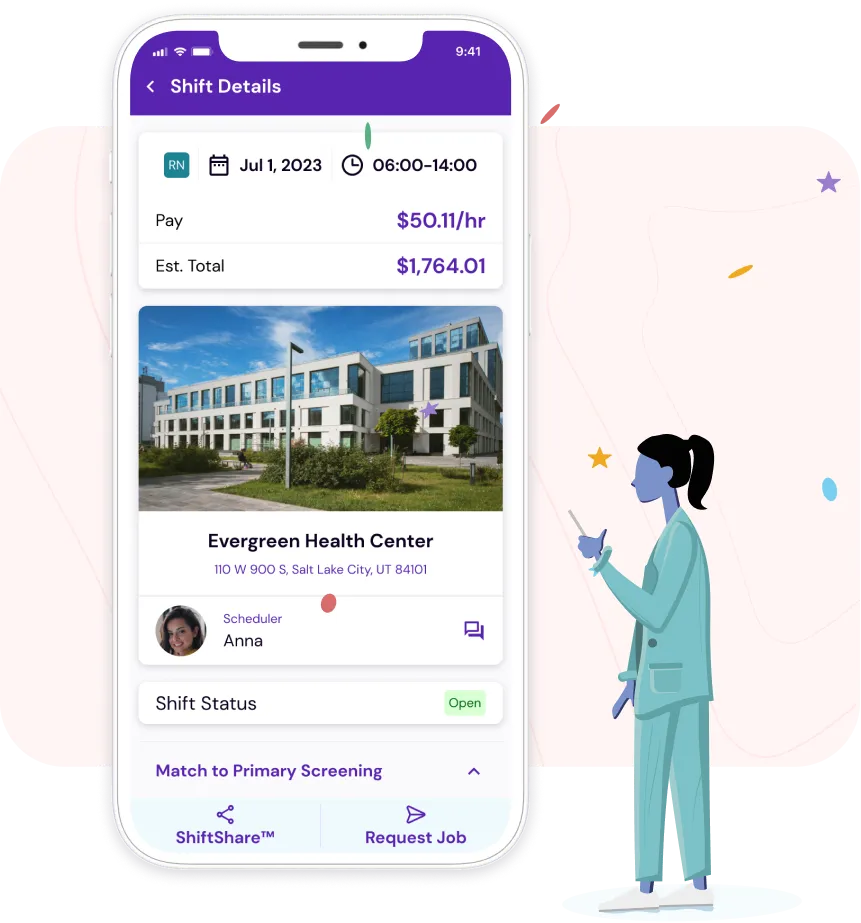
From there, you’ll receive shift details, including location, shift length, patient population, and expectations. You can compare offers and decide which contract aligns with your goals. The process is designed to be straightforward, with support available if you encounter any issues. Once you complete a shift, you can provide feedback to help future clinicians understand what to expect and to help facilities refine their scheduling and staffing processes. The overall experience aims to be practical, efficient, and respectful of clinicians’ time and expertise, all while delivering consistent patient care across settings.
Local licensing requirements and recommended certifications
Staying compliant with licensure is essential when you work per diem shifts in Tonganoxie and the surrounding area. Here are some practical notes and recommendations to help you navigate licensure and credentials:
- Check the Kansas Board of Nursing for current licensure requirements and any updates to scope of practice for RNs, LPNs, and nursing assistants
- Ensure your primary license covers practice in Kansas for the shifts you want to take, and verify if a compact license applies to your situation (see the latest status and participating states)
- Keep up-to-date with required background checks and any facility-specific clearances
- Obtain recommended certifications to strengthen your PRN readiness, including BLS (Basic Life Support) and PALS (Pediatric Advanced Life Support) for appropriate units
- Consider ACLS (Advanced Cardiac Life Support) if you anticipate working in acute or critical care settings
In practice, many clinicians carry a Kansas license and supplement with multi-state or neighboring-state licenses as needed for adjacent shifts. Always confirm licensure requirements with the board before submitting for a contract. Certifications like BLS and PALS help you meet the needs of a wide range of patient populations and improve your readiness for shifts in diverse care environments. If you’re unsure about compact licensing status, the Kansas board and the platform’s help resources can provide guidance and the latest information. Keeping your credentials current not only supports eligibility for more shifts but also demonstrates your commitment to high-quality patient care across the life span.
Local employment trends
Tonganoxie sits within easy reach of the Kansas City metro area, which shapes the local demand for per diem shifts in profound ways. A growing aging population, a steady flow of hospital admissions, and ongoing needs in skilled nursing and home health create a steady appetite for flexible staffing. In this region, clinics and long-term care facilities often plan for short-term surges due to seasonal illnesses, staff vacancies, or post-discharge care needs. Per diem shifts give healthcare professionals the opportunity to step into these gaps with less notice, providing essential continuity of care when regular staff are away or occupied with other priorities. The result is a dynamic market where timely communication, reliable availability, and strong clinical skills translate into meaningful patient outcomes and steady experiences for clinicians. In addition, nearby hospitals and health systems frequently collaborate with staffing platforms to ensure patient access to timely care, particularly in fast-moving departments such as emergency, medical-surgical units, and post-acute services. For you, that means more options, more connections, and a realistic path to maintaining a robust clinical portfolio while enjoying the benefits of a flexible contract structure.
In terms of wages and contracts, clinicians tend to see competitive rates for short-term assignments, with adjustments based on shift length, location, and unit demand. The local economy also supports continual professional development, making it feasible to earn more by taking on diverse assignments and accepting longer contracts when desired. The combination of proximity to a larger health network and the convenience of shorter commutes means you can maximize time with patients and families while building a strong, versatile clinical resume. If you’re building a career in the region, PRN work here offers practical pathways to expand your skill set, refine time management, and broaden your professional network without committing to a full-time schedule in one setting.
Ideas for days off or post-shift downtime
Living in or near a small city like Tonganoxie offers several low-stress ways to unwind, recharge, and stay connected with the community. After a long shift, you might want to reset with activities that are uncomplicated, restorative, and affordable. Here are a few ideas to consider:
- Stroll along local trails or at nearby parks to clear your mind and stretch after shifts
- Explore nearby farm stands and markets for fresh produce and small-town charm
- Meet friends for a casual meal at neighborhood eateries with a quick drive to nearby towns
- Attend community events or local music nights to stay engaged with the town’s culture
- Take day trips into Kansas City or other nearby communities to enjoy museums, parks, and family-friendly activities
- Join a local book club, fitness class, or volunteer opportunity to stay connected with neighbors
- Practice self-care routines at home, such as meditation, light yoga, or a favorite movie night
For clinicians who want to balance shifts with personal interests, these ideas can help you create a practical post-work routine. The key is to protect restful downtime that restores energy for your next assignment, while also taking advantage of the community connections that make Tonganoxie a welcoming place for health‑care professionals. Whether you prefer quiet evenings on the porch, weekend visits to regional attractions, or active pursuits that keep you moving, your days off can support your long-term well-being and professional stamina.
Living in tonganoxie today
Choosing to live and work in tonganoxie means embracing small-town warmth with access to big-city resources. The town’s layout fosters walkable neighborhoods, a friendly pace, and a sense of belonging that’s appealing to many clinicians. Housing options tend to range from affordable family homes to modern apartments, all within a reasonable drive to hospitals and clinics in the broader metro area. The local schools focus on community involvement, which can be a plus for healthcare professionals with families. When you’re not on a shift, you’ll find opportunities to engage with neighbors, volunteer locally, or simply enjoy the quiet of a small river town atmosphere. The surrounding countryside invites outdoor recreation—short trips for hiking, picnics, or fishing—that fits naturally with a flexible schedule. In short, tonganoxie offers a practical and welcoming backdrop for clinicians seeking balance, professional growth, and a sense of belonging in a regional health network.