

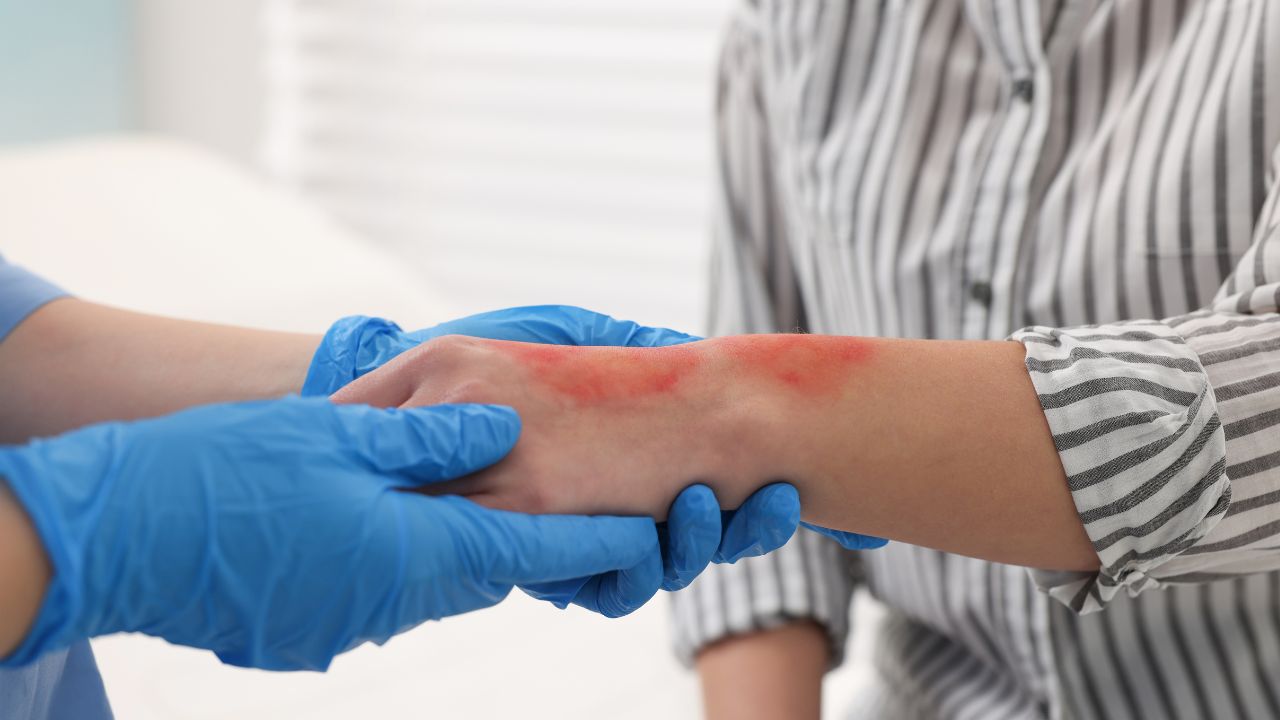
Burn care is where precision meets profound empathy. It is one of the most demanding specialties in medicine, requiring a meticulously coordinated team structure to manage severe trauma. These units require more than just staff; they demand dedicated specialists.
Burn center: Multi-disciplinary critical wound care
This article examines the essential roles, critical protocols, and flexible burn unit staffing models necessary to maintain the highest standards of patient recovery. This is critical care, accelerated.
The complex structure of a burn center
A burn center stands apart from typical critical care units. It is a highly specialized medical environment meticulously designed and staffed to manage catastrophic injuries—a fusion of ICU-level intensity, sterile operating room procedures, and long-term rehabilitative care.
When a patient arrives with severe thermal, electrical, chemical, or radiation trauma, the burn center is ready to initiate immediate, life-altering intervention. This is medicine at its most demanding.
Levels of critical wound care designation
Formal accreditation standards ensure that a facility has the appropriate resources to handle the full spectrum of burn injuries. The American Burn Association (ABA) and the American College of Surgeons (ACS) verify burn centers based on stringent criteria regarding staff expertise, facilities, and service depth.
Knowing a center's status is crucial for triage and immediate patient transfer.
- Adult and pediatric centers: These maintain specialists and resources tailored to the distinct physiological and psychological needs of different patient populations. Treating a pediatric burn patient, for instance, requires specialized knowledge of growth plate considerations and developmental stage-appropriate care.
- Combined centers: These facilities manage both adult and pediatric cases. They maintain clear separation and specialized teams to deliver age-appropriate care while offering organizational continuity.
These designations confirm that the facility manages the entire journey, from emergency stabilization to long-term rehab, ensuring no patient falls through the cracks.
The acute patient mix: Severity and scope
The burn unit team must be prepared for an intense and constantly shifting workflow driven by patient acuity. Unlike most general wards, the typical patient mix in a burn center is uniquely complex, extending far beyond the initial surface appearance of the injury.
- Severity: Staff treat all degrees, from superficial (first-degree) to full-thickness (third- and fourth-degree) burns that damage muscle, bone, and underlying tissue. These deep injuries often necessitate immediate surgical wound debridement to remove necrotic tissue and prepare for a life-saving skin graft.
- Comorbid trauma: Many patients arrive with concurrent systemic issues. Electrical injuries, for example, can cause cardiac dysrhythmias and deep tissue damage invisible on the surface. Chemical burns require rapid and specific decontamination protocols. Critically, inhalation injuries are a major concern, requiring immediate respiratory therapy (RT) intervention, often leading to admission to the burn ICU for ventilator support and continuous monitoring.
- Systemic challenge: The injured body undergoes a hypermetabolic state—a state of massive and relentless energy consumption. A dedicated nutrition team is immediately mobilized to meet the hundreds of thousands of calories required daily just to fuel cellular repair and healing.
The continuum of specialized care
Effective burn center staffing must support the patient across the entire recovery arc, which is divided into three intensive phases:
- Acute care: This phase focuses on fluid resuscitation, hemodynamic stability, infection prevention, and frequent surgical management. Burn nurse jobs here demand constant vigilance and precision.
- Rehabilitation: Once stabilized, the focus shifts to restoring function. The burn therapy team (PT/OT) begins work immediately, often during painful dressing changes, to prevent contractures and initiate mobility.
- Reconstruction: This long-term pathway involves multiple surgeries, potentially years of follow-up, and continuous emotional and psychological support. It’s a marathon, not a sprint.
The mission of a burn center is clear: stabilize the patient, save the tissue, and restore the individual. The specialized team structure is the engine that drives this mission forward.
Core team structure and essential staffing ratios
Burn care is an orchestra of specialists, with the patient as the conductor. A successful outcome depends on a multi-disciplinary team operating with the utmost coordination and dedication. It takes a village to heal a major burn.
The multi-disciplinary team structure
Effective burn unit staffing includes a mix of specialized clinical and support roles, all focused on the patient's critical needs.
Frontline clinicians
- Burn nurses: The bedside experts providing continuous monitoring and complex care
- NP/PA: Advanced practice providers who manage medical issues and assist in procedures
- Burn tech roles: Technicians assisting with daily care, transport, and inventory
- Wound care specialist: Clinicians dedicated to meticulous care, including advanced dressings
Specialized support
- Surgeon: The primary team member for surgical interventions, skin graft placement, and debridement
- PT/OT (burn therapy): Professionals who are essential for mobilization and preventing contractures, starting on day one
- RT: Critical for managing inhalation injuries and ventilator support
- Nutrition: Experts who manage the immense caloric and protein needs for healing
- Case management and psychosocial staff: Provide crucial emotional support, manage discharge, and coordinate long-term recovery
High-touch, low-ratio care
During the acute phase, burn care requires intensive, one-on-one attention. Staffing ratios must remain low. A nurse may manage only one or two critically ill patients at a time. This necessity is driven by procedural demands:
- Intense pain management: Continuous assessment and delivery of pain management protocols are non-negotiable.
- Wound care: Complex dressing changes and wound debridement are time-consuming, sterile, and often involve the entire team structure. This is a daily, multi-hour procedure that cannot be rushed.
Flexible staffing for surge capacity
Burn centers must prepare for the unpredictable. Single mass-casualty events can suddenly overwhelm a unit's capacity. This is where strategic, flexible staffing becomes paramount. The unit must leverage outside resources to maintain safe ratios.
Burn centers may consider sourcing an agency burn specialist or a float nurse professional to expand its capacity rapidly. In addition, utilizing a staffing platform allows the unit to call in credentialed help for large-scale events, preventing the core team from stretching to the breaking point. This is intelligent preparedness.
Compliance, safety, and quality assurance
In the burn ICU, the margin for error is nonexistent. Regulatory audits confirm what staff know implicitly: every action must be precise, documented, and aligned with the unit’s specialized protocols.
Excellence in burn unit staffing means constant, perfect compliance.
Burn unit-specific protocols: The foundation of safety
The unique vulnerability of a burn patient dictates strict, specialized safety procedures that surpass those of a general ICU:
- Wound care specialist protocols: These are not simple dressing changes; they are meticulous, sterile procedures. Protocols detail everything from the temperature of the room to the specific cleansing agents used for wound debridement, all designed to manage pain and maximize skin graft viability.
- Surgical safety: Due to the risk of infection and the patient's compromised state, surgical safety checks are rigorous. This includes enhanced protocols before every trip to the operating room for debridement or skin grafting.
- Infection prevention: This is the constant battle. Protocols for infection prevention are extreme, governing everything from dedicated equipment to sterile technique. The goal is simple: protect the patient from sepsis, which remains a leading cause of mortality in burn victims.
Documentation as a clinical tool
Documentation in burn care is not just an administrative requirement; it is a critical clinical tool that tracks the patient's entire journey and supports QI initiatives.
- Progress tracking: Nurses must log granular details, the type of dressing applied, the estimated percentage of tissue excised during wound debridement, and the patient's response to pain management.
- Procedural logs: Comprehensive records are maintained for all procedures, ranging from central line insertions to dressing changes and patient transfers for burn therapy. This data ensures continuity and informs the workflow of the next shift.
Staff simulation and readiness
In an environment where seconds matter, practice is non-negotiable. Burn centers regularly run high-fidelity simulations to ensure the entire multi-disciplinary team can operate as a unified "rapid response team."
- Code blue and trauma drills: These drills extend beyond standard resuscitation. They simulate the complexities unique to burn patients, such as intubating a patient with inhalation injuries or managing a code while protecting massive open wounds.
- Team structure: Practices include fluid onboarding and delegation during these drills. A float or PRN nurse at a burn center must seamlessly integrate with the core team to execute emergency procedures without hesitation. Readiness is the best defense against chaos.
This commitment to rigid protocol, detailed documentation, and relentless practice defines excellence in a burn center when it comes to patient care.
Teamwork, communication, and professional support
The intensity of the burn ICU requires flawless human coordination. A breakdown in communication can jeopardize a patient's recovery.
Effective communication under pressure is achieved through standardized practices. Team rounds involve the entire multi-disciplinary team. Precise handoffs are non-negotiable, ensuring that every detail of a patient's skin graft condition, pain management plan, and risk of infection is passed to the next shift. Additionally, staff provide continuous psychosocial support to the patient and their families, guiding them through the long and often painful rehabilitation journey.
Sustaining the emotional caregiver
Witnessing profound suffering and managing life-and-death crises takes a heavy toll. Protecting the staff’s mental health is a clinical necessity, not a luxury.
High stress levels contribute directly to burnout, compromising patient safety. Effective centers offer robust peer counseling and wellness programs to mitigate compassion fatigue. Burn care commitment is a marathon, and the team structure must support every runner.
A platform like Nursa supports this wellness model by providing flexible staffing options, allowing PRN burn care nurses to pick up shifts, thus reducing mandatory overtime and creating a better work-life balance for in-house professionals. This agility is key to nurse retention.
Optimizing the workflow with technology
Excellence in burn care demands not only clinical expertise but also administrative efficiency. Modernizing the workflow through technology enables the multi-disciplinary team to focus on the patient, rather than paperwork.
Digital tools for tracking and precision
Digital solutions streamline the most complex tasks in the burn center.
- Digital wound imaging and progress tracking: This crucial technology uses high-resolution photography and digital measurements to track the exact surface area and healing progress of a skin graft or open wound. This data is critical for the surgical team and facilitates accurate documentation of burn care. It moves the unit past subjective charting into precise clinical reporting.
- Smart scheduling tools: Traditional, manual scheduling is a liability in a high-acuity environment. Platforms like Nursa offer scheduling tools that allow unit managers to post open shifts and instantly match them to a pre-vetted PRN burn care nurse. This is the core of agile burn unit staffing, ensuring critical gaps are filled in hours, not days.
Research and quality initiatives driven by data
The data collected through these systems fuels necessary QI initiatives. Every burn center is dedicated to improving its statistical performance.
- Outcome metrics: Units relentlessly track key outcomes, including graft take rates and the efficacy of infection prevention protocols. Low rates of hospital-acquired infection are a sign of a high-performing team structure.
- Pain and functional scores: Technology allows for precise measurement of subjective data. Nurses track and report patient pain management scores in real-time. This ensures that the burn therapy and psychosocial teams can immediately adjust their strategies, providing holistic, responsive care.
Technology is the silent partner in the burn ICU, enabling speed, precision, and continuous learning, ultimately leading to faster patient recovery.
The operational imperative: Agility meets excellence
Agility is key. Burn units can leverage platforms for rapid, credentialed onboarding, ensuring a PRN burn care nurse is at the bedside when census surges or in-house staff call out. This flexible burn unit staffing supports staff mental health and prevents burnout.
Burn center success demands expertise and unyielding dedication. The multi-disciplinary team focuses on surgical precision in wound debridement, infection prevention, and dedicated rehab. By standardizing workflow and prioritizing meticulous documentation, burn care units ensure safety.
Learn more about safety protocols and nurse safety here.


