

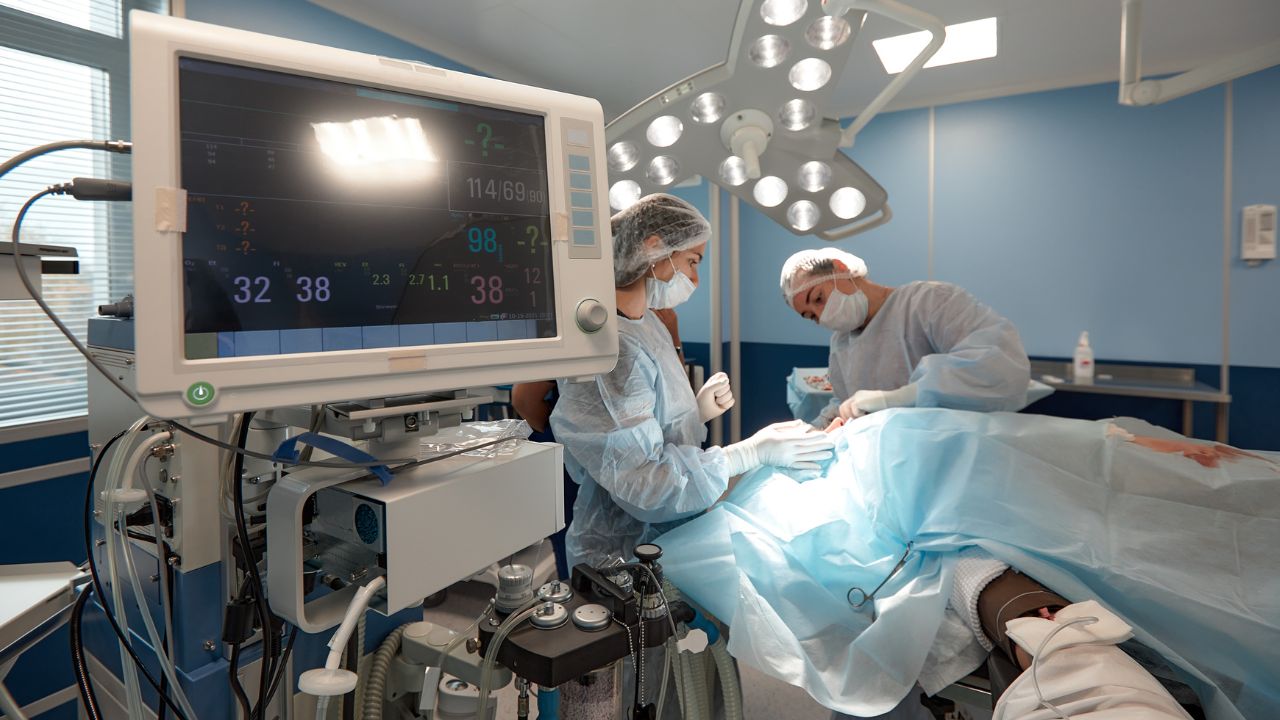
The intensive care unit (ICU) serves as the ultimate demarcation point in hospital care, a highly specialized ecosystem dedicated to sustaining life for patients facing critical, often multi-system, organ failure.
Operating within the ICU demands more than standard healthcare administration; it requires a dynamic, adaptive staffing model that fluidly addresses extreme patient acuity, adheres to stringent regulatory compliance, and actively combats the pervasive clinical threat of burnout.
Intensive care unit staffing: Delivering advanced care through expert teams
This comprehensive review offers a high-level analysis of modern ICU staffing, examining foundational models, the critical interplay between technology and workflow, quality assurance benchmarks, and the holistic strategies necessary for retention and professional well-being in this demanding environment.
The ICU landscape: Acuity, specialization, and team composition
The core complexity of ICU staffing stems from the unpredictable and severe nature of the patient population. Staffing decisions must be fluidly responsive to patient needs rather than fixed by simple census numbers.
Specialization and patient mix defined
ICUs are specialized environments designed to optimize care for specific pathophysiologies, necessitating highly targeted staff training and equipment. The distinction between unit types is crucial for resource allocation:
- Medical ICUs (MICU): Focus on systemic internal medicine conditions such as acute respiratory distress syndrome (ARDS), multi-organ failure secondary to sepsis, and severe endocrinological crises
- Surgical ICUs (SICU): Manage patients requiring intensive monitoring following complex trauma, high-risk general surgery, and immediate post-operative recovery
- Cardiac ICUs (CCU): Dedicated to acute myocardial events, complex dysrhythmias, and critical heart failure management
- Neurological ICUs (neuro ICU): Specialized in managing intracranial hemorrhage, severe strokes, and complex neurosurgical post-op care
- Mixed ICUs: Often found in community hospitals, these units manage a heterogeneous mix of conditions, demanding exceptional versatility and frequent consultation
The patient mix, whether recovering from severe trauma or requiring continuous therapies like mechanical ventilation or continuous renal replacement therapy (CRRT), dictates the necessary expertise and time commitment required from the staff.
The multidisciplinary care model and the intensivist
Effective critical care is inherently team-based care, structured to leverage diverse expertise simultaneously. This model is generally led by the intensivist—a physician who has completed specialized training in critical care medicine.
The mandatory presence of an intensivist, often referred to as the intensivist model, has been strongly correlated with lower mortality rates and a reduced length of stay, providing unified clinical leadership that avoids fragmented care from competing specialists.
The functional core of the ICU team includes:
- Registered nurses (RNs): The central pillar of bedside care, often holding the Certified Critical Care Registered Nurse (CCRN) credential to demonstrate advanced knowledge and experience.
- Advanced practice providers (NP/PA): Professionals who extend the intensivist’s presence and manage daily rounds, procedures, and complex clinical decisions.
- Respiratory therapists: Specialists who manage complex oxygenation and ventilation strategies for critically ill patients.
- Clinical pharmacists: Experts who optimize and ensure the safe delivery of complex, life-saving, and high-alert medications.
- Support and ancillary services: Personnel such as patient care technicians, social workers, and case managers who initiate discharge planning and post-acute coordination from the moment of admission.
Staffing models: Optimizing ratios, acuity, and contingency planning
The efficacy of an ICU is heavily scrutinized through its staffing model, which must achieve the delicate balance between maximum patient safety and optimal resource utilization.
Nurse-patient ratios and coverage standards
In the ICU, the nurse-patient ratio is a critical determinant of safety. Unlike general medical floors, the standard is typically 1:2 (one nurse caring for two critically ill patients). However, this ratio is immediately breached for specific high-intensity situations, such as patients on continuous neuromuscular blockade, requiring continuous bedside dialysis (CRRT), or those undergoing intra-aortic balloon pump therapy, where a 1:1 ratio becomes mandatory to maintain constant vigilance and immediate intervention capacity.
Acuity-based scheduling (ABS): The evolving standard
Reliance on fixed 1:2 ratios is often insufficient, as two stable post-op patients represent a vastly different workload than two patients experiencing acute septic shock. Acuity-based scheduling addresses this by using validated scoring systems (like the TISS—therapeutic intervention scoring system) to objectively quantify the required nursing workload based on procedures, monitoring intensity, and necessary interventions.
- Implementation of ABS: ABS systems use real-time data input to calculate the unit's required full-time equivalent (FTE) nurses for the upcoming shift. This allows managers to avoid assigning nurses to an unmanageable combination of "heavy" (high-acuity) patients, leading directly to safer care, more consistent outcomes, and better workload equity among staff.
- Impact on Safety: By dynamically matching skill and resource to need, ABS significantly reduces the risk of "failure to rescue"—the inability of the clinical team to recognize and prevent patient deterioration.
Flexibility, surge capacity, and external sourcing
ICUs must possess robust surge planning protocols to handle abrupt increases in patient volume, such as regional crises or pandemic events. This requires reliance on flexible staffing mechanisms:
- Float pool nurses: These hospital-employed nurses provide internal coverage but require mandatory, documented ICU-specific competency checks before taking critical assignments.
- PRN ICU shifts: Nurses working per diem offer schedule flexibility. The feasibility of PRN care in high-acuity ICUs is contingent upon having clear, strict institutional policies regarding minimum shift frequency to maintain core skills.
- External staffing: When internal reserves are exhausted, external sources are vital.
Agency vs. platform
- Traditional staffing agency: A third-party employment service that rapidly provides pre-credentialed ICU nurses to facilities for temporary contracts, alleviating acute staffing crises but contributing to higher labor expenses.
- Platform: Digital marketplaces that facilitate direct hiring between hospitals and contract nurses (agency vs. platform debate often centers on cost and speed). These methods demand extremely efficient, rapid onboarding processes for credentialing, ensuring that external staff can be deployed safely and quickly.
Operational excellence: Communication, workflow, and technological integration
In the ICU, efficiency and clarity are safety tools. Optimizing workflow and communication reduces the likelihood of critical human error and supports fast, coordinated decision-making.
Standardizing critical communication protocols
Errors in critical care often stem from poor communication rather than a lack of knowledge. Therefore, standardized protocols are non-negotiable.
Interdisciplinary rounds
Daily, scheduled meetings should involve the intensivist, nurse, pharmacist, respiratory therapist, and other specialists. This forum ensures synchronized understanding and a unified, documented plan of care for every patient.
Handoff communication
The transfer of patient accountability and information between nurses at shift changes should be structured. Protocols like Situation, Background, Assessment, and Recommendation (SBAR) are used to prevent errors arising from omitted or misinterpreted information during a handoff communication.
Family engagement
Structured and regular family meetings, along with clear family communication protocols, are essential for resolving complex ethical dilemmas, providing necessary updates, and supporting patient advocacy, particularly in end-of-life decision-making.
Technology integration and workflow optimization
Modern critical care is inextricable from technology. Digital tools are an ever-changing technology that must be integrated to enhance, not complicate, clinical work:
- E-records and documentation: Electronic health records (e-records) must seamlessly capture data from bedside monitors and devices. Intense documentation expectations in the ICU (e.g., hourly charting of vital signs and titration of critical drips) are streamlined through digital tools, which also reduce paper burden.
- Device management and safety: Technology supports safe practice by automating checks and balances. Smart IV pumps are critical for managing high alert medications, and digital checklists guide safe device management protocols.
- Workflow optimization: Digital tools are used to flag medication administration overdue times, automatically calculate complex dosing, and provide clinical decision support, allowing the nurse to spend less time charting and more time on direct patient care.
Quality assurance, compliance, and continuous education
ICU standards are heavily governed by external organizations, linking quality metrics directly to operational funding and public reputation.
Regulatory oversight and accreditation
Adherence to external mandates is a non-negotiable aspect of ICU operation:
- CMS mandates: The Centers for Medicare & Medicaid Services imposes strict guidelines, penalizing hospitals for specific preventable adverse events (hospital-acquired conditions)
- Joint Commission standards: This independent body grants accreditation, verifying compliance across hundreds of operational and safety standards, from infection control to emergency response planning
Quality improvement (QI) and safety bundles
Quality improvement (QI) projects are ongoing institutional efforts to improve specific, measurable outcomes. A major focus is adherence to evidence-based bundles—a structured set of interventions that, when performed collectively, significantly improve outcomes.
- Infection control bundles: Protocols like the Central line care bundle (designed to prevent bloodstream infections) and the Ventilator bundle (aimed at preventing pneumonia in ventilated patients) are mandatory best practices.
- Rapid response and intervention: Tracking metrics related to failure to rescue drives investment in robust intervention teams (like rapid response teams) that can quickly deploy specialists to patients showing signs of decline outside the ICU.
Competency and education requirements
The continuous evolution of critical care technology and protocols necessitates mandatory, ongoing education. Simulation and ongoing education requirements ensure staff remain fluent in handling high-risk, low-frequency events (e.g., malignant hyperthermia, massive transfusion protocols). Clear escalation protocols train nurses precisely on when and how to call for specialist support, ensuring quick intervention when a patient's condition demands it.
Retention & burnout in the ICU: A staffing crisis management strategy
The psychological cost of working in the ICU is profound, leading to severe burnout and high turnover. Sustainable retention strategies must be viewed as essential safety investments.
The problem of burnout and emotional load
ICU clinicians face moral distress, physical exhaustion, and exposure to repeated trauma. This emotional load necessitates proactive, structural support to reduce burnout:
- Emotional support and debriefing: Formal debrief sessions after critical events or patient deaths are essential psychological first aid. Providing access to formal emotional support programs and structured peer support mitigates the long-term impact of clinical trauma.
- Wellness and incentives: Offering meaningful wellness incentives (e.g., subsidized counseling, rest areas, healthy meal options) signals institutional value.
Enhancing professional development and flexibility
Experienced ICU nurses are a hospital's most valuable asset. Retaining them requires investing in their careers and granting control over their work life:
- Continuous learning and career advancement: Supporting certification and providing clear pathways for career advancement into educator, specialist, or leadership roles fosters loyalty.
- Staffing flexibility: Providing flexible schedules, options for self-scheduling, and adequate time off are powerful tools for employee retention. Perks and highly visible recognition programs validate the unique, intensive skill set of the critical care nurse.
The path forward: Sustaining excellence in critical care staffing
Effective intensive care unit staffing transcends merely filling shifts; it is a complex and dynamic process of matching expert human capital with fluctuating high-tech needs. It demands not just adherence to compliance, but a proactive focus on acuity-based scheduling and advanced tech integration.
For healthcare systems, the pathway to sustained excellence lies in shifting institutional priorities toward holistic retention strategies that fundamentally address burnout while upholding the highest quality benchmarks.
The ultimate purpose of these efforts is to ensure the continuous delivery of advanced, compassionate care to the most critically ill patients. Learn more about how to improve the patient experience.


