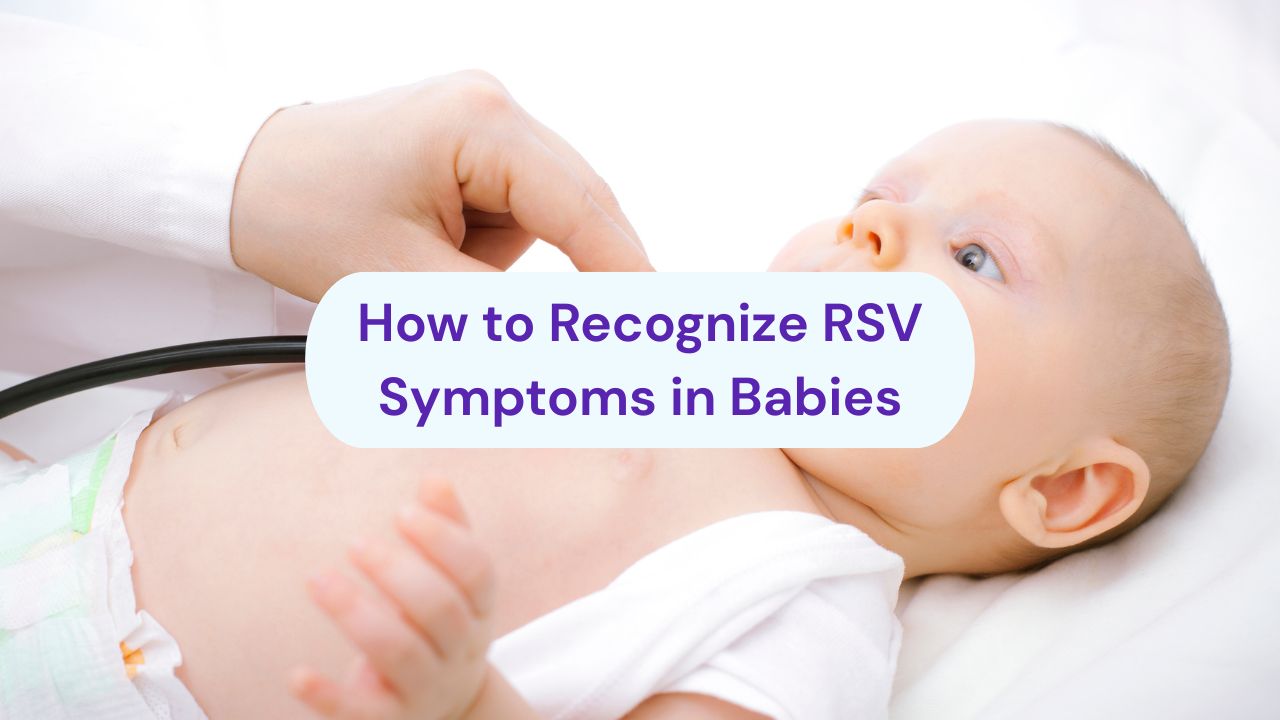
Respiratory syncytial virus (RSV) is a common but potentially serious virus that infects the respiratory tract of most children before their second birthday.
While many cases resemble a mild cold, RSV can sometimes pose risks for infants—especially the very young or those with underlying health issues. Understanding RSV symptoms, recognizing warning signs, and knowing when to act is essential for caregivers.
Understanding RSV
RSV is highly contagious and typically spreads through respiratory droplets or by touching contaminated surfaces.
According to the World Health Organization, almost all babies are infected before their second birthday. WHO also estimates that each year, RSV causes approximately 3.6 million hospitalizations and about 100,000 deaths in children under five worldwide.
In healthy infants, RSV may show up as mild cold-like symptoms, but for premature babies or those with conditions like congenital heart disease, RSV can lead to severe lower respiratory tract infections such as bronchiolitis or pneumonia.
Early symptoms to watch for
In its earliest stages, RSV often mimics a typical upper respiratory infection. You might notice:
- Runny or stuffy nose
- Mild cough
- Sneezing
- Decreased appetite
- Irritability
- Low-grade fever
These symptoms can appear four to six days after exposure. Because they're common to many viruses, RSV symptoms may not be recognized immediately.
Progression and concerning developments
For most babies, symptoms resolve within one to two weeks, according to the Centers for Disease Control and Prevention (CDC). However, if RSV progresses—or symptoms intensify—watch for:
- Worsening cough that becomes persistent or productive
- Rapid or labored breathing, indicated by chest retractions (skin pulling in under the ribs), flaring nostrils, or pronounced tummy movements
- Wheezing, a high-pitched sound when breathing out
- Bluish lips, tongue, or face (cyanosis), signaling low oxygen levels
- Excessive sleepiness or difficulty waking up
- Poor feeding or decreased wet diapers, which may signal dehydration
If you notice these signs, it’s critical to seek medical attention promptly.
When to call the doctor or go to the ER
Contact your pediatrician if your baby exhibits:
- Breathing difficulties (e.g., fast breathing, grunting, or retractions)
- Poor intake of fluids (e.g., fewer than half the usual amount of breast milk/formula)
- Signs of dehydration (e.g., fewer than six wet diapers per day, dry mouth, or sunken fontanelle (the soft spot on the head))
- High or persistent fever, especially in infants under three months
- Decreasing responsiveness, irritability, or inconsolable crying
- Any blueness around the face or lips
For newborns or high-risk infants (like those born prematurely), even mild symptoms warrant a doctor’s evaluation.
What you can do at home
If your baby's symptoms are mild, supportive care at home can help them stay comfortable and recover more quickly. Here are some practical steps you can take:
- Keep baby hydrated: Offer breast milk or formula frequently, even in small amounts.
- Use a humidifier: Cool-mist humidifiers can help ease breathing.
- Nasal suction: Gentle use of a bulb syringe or saline drops can clear nasal passages.
- Keep the baby upright: Mild elevation may ease congestion.
- Watch temperature: Treat fever as advised by your pediatrician, but be cautious with over-the-counter medications and always follow dosage instructions for infants.
Prevention is key
Since RSV spreads easily, prevention efforts can significantly reduce your baby’s risk. Keeping your home environment clean and avoiding unnecessary exposure during peak RSV season are important strategies. Consider the following protective measures:
- Wash your hands before handling your baby.
- Avoid crowds and sick people, especially during RSV season (typically fall through early spring).
- Clean surfaces and toys frequently.
- Breastfeed when possible to offer protective antibodies.
RSV and the per diem nursing world
For per diem nurses, especially those working in pediatric or neonatal care, staying vigilant about RSV symptoms is essential—not only for the health of your patients but also for your own professional preparedness.
Recognizing early warning signs, managing care plans, and supporting families during RSV season are key responsibilities that make pediatric nurses vital to improving outcomes for young patients.
If you're a PRN nurse exploring flexible opportunities across healthcare settings, start by browsing Nursa’s healthcare staffing platform for PRN jobs that align with your schedule and interests.
As you navigate your PRN journey, Nursa offers a variety of helpful tools and resources to support your success:
- Learn how to stand out and get picked for more shifts—a crucial strategy for building consistency and maximizing earnings.
- Dive into the guide to working per diem nursing shifts to better understand daily workflows, flexibility, and what to expect.
- Clarify your options with PRN vs. part-time work to determine which model fits your lifestyle and goals.
- Compare long-term career paths with the full-time nursing jobs vs. PRN contract guide.
- Planning for the unexpected? The PRN nurse unemployment benefits article outlines the protections available if shifts become scarce.
- Do you need to formally adjust your availability? Use this PRN notice letter guide to communicate changes professionally and clearly.
- If you're interested in seeing more of the country, explore flexible travel options through PRN jobs as a travel nurse.
Whether you're caring for RSV patients or building a sustainable PRN career, staying informed and adaptable is key—and Nursa is here to support every step of the way.
Balancing your work life as a nurse
Caring for babies with RSV can be physically and emotionally demanding, making self-care essential for pediatric nurses. Nursa’s ultimate guide to health insurance for per diem nurses helps you find coverage that fits your flexible schedule.
Staying hydrated is key—check out the best water bottles for nurses to keep energy levels up during long shifts.
To stay sharp and connected, consider attending annual nursing conferences and conventions. There, you can learn the latest on pediatric care and RSV protocols while networking with peers. Taking care of yourself helps you provide the best care for your tiny patients.
Important summary points
To wrap up, here are some crucial takeaways every caregiver and nurse should remember when it comes to RSV and infants:
- RSV is common in infants and ranges from mild to severe.
- Early symptoms mimic a cold; take note if a cough worsens or breathing becomes labored.
- Seek medical care quickly if your baby shows signs of distress or dehydration.
- Prevention through hygiene, breastfeeding, and cautious exposure can reduce risk.
RSV is common in babies but should be taken seriously
RSV is a common but potentially serious illness in babies, especially those under six months or with underlying conditions.
While many cases are mild and resolve on their own, it’s important for caregivers to recognize the signs that the virus may be progressing—such as labored breathing, dehydration, or extreme fatigue—and to seek medical help when necessary. Prevention through good hygiene, limited exposure during RSV season, and proactive care can go a long way in protecting your little one.
For nurses—especially those working PRN or per diem—being informed and ready to respond to RSV cases is part of delivering excellent care.
Whether you’re looking for new facilities to work with, exploring PRN travel opportunities, or navigating benefits like health insurance or unemployment coverage, Nursa offers a range of resources to support your career and your patients.
Staying educated, connected, and prepared helps you deliver critical support to families facing RSV—and thrive in your nursing journey at the same time.
Sources:


.jpg)