Plastic surgery is about more than aesthetics—it is a discipline of reconstruction, trauma recovery, and artistry. At the heart of these procedures, whether in a hospital or a private clinic, are the nurses who ensure patient safety and satisfaction.
The role of the plastic surgery nurse is shifting. This guide explores that evolution, offering a comprehensive roadmap for nurses and nursing assistants ready to advance their careers.
In this article, we cover:
- The modern role: A clear job description covering pre-op, intra-op, and recovery responsibilities across all settings
- The evolution: How the scope of practice, skills, and patient communication strategies have progressed in 2025
- The career path: Education requirements, certification options, salary expectations, and job market trends
Whether you are looking to enter the field or upskill, use this guide to plan your next professional step with clarity and confidence.
Why plastic surgery nursing matters
Plastic surgery touches nearly every corner of modern healthcare—from post-cancer reconstruction to trauma recovery, burn care, and elective aesthetics.
At the center of that care, the role of a plastic surgery nurse blends perioperative expertise, patient education, and advanced technical skills with a steady focus on safety and outcomes. The importance of a plastic surgery nurse has only grown as more procedures move to outpatient settings, technology accelerates, and patients expect transparent guidance and personalized care.
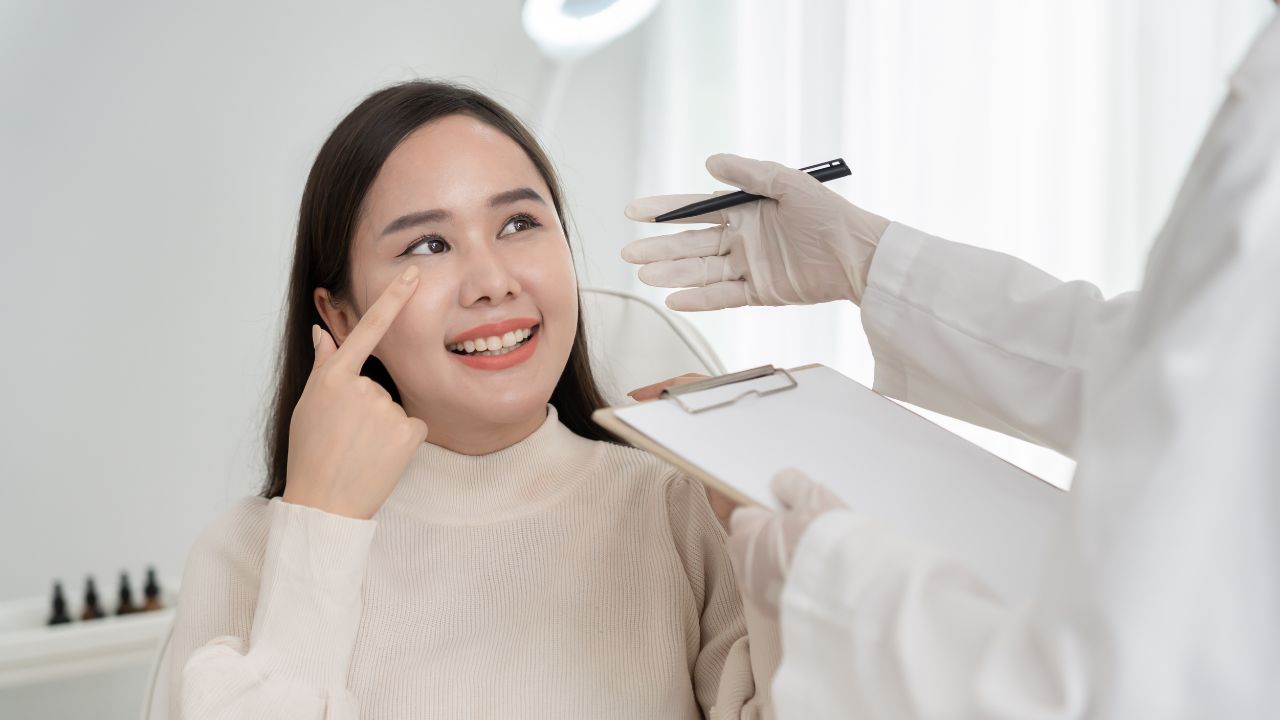
Plastic surgery nurse interaction with patients
Nurses in this specialty help patients understand the risks and benefits, prepare for surgery, recover safely, and manage the long-term results.
They also serve as a critical communication bridge among surgeons, anesthesiologists, device reps, and support staff. As outpatient surgery centers and office-based operating rooms expand, nursing professionals see growing opportunities to contribute, lead, and shape a rewarding career path.
The role of a plastic surgery nurse across settings
Plastic surgery nurses support patients across the perioperative continuum and in office-based aesthetic settings.
The role varies by practice type but consistently includes assessment, patient teaching, clinical preparation, procedure support, and follow-up.
- Reconstructive and trauma settings: Nurses coordinate complex wound care, stage procedures, and long recovery timelines.
- Cosmetic practices: Nurses manage consultations, consent processes, pre- and post-operative education, and outpatient care that hinges on effective expectation management.
Plastic surgery nurse responsibilities often include photography and documentation, overseeing supplies and instruments, monitoring sedation in qualified settings, and collaborating with anesthesia.
Nurses also support surgeons in clinics and ambulatory surgery centers—coordinating preoperative testing, managing comorbidities, and identifying red flags such as VTE risk, infection risk, or signs of body dysmorphic disorder.
As the evolution of plastic surgery nursing continues, nurses pursue leadership roles in office-based operating rooms, become nurse injectors or practice managers, and guide quality improvement (QI) and patient safety initiatives.
Across various settings, they strike a balance between clinical expertise and compassionate communication to help patients navigate sensitive decisions and achieve safe, realistic outcomes.
1. Surgical setting
In hospital operating rooms (ORs) and ambulatory surgery centers (ASCs), the plastic surgery nurse manages the patient's safety through the entire perioperative journey.
Pre-operative preparation
- Medical review: Conducting health history reviews, medication reconciliation, and VTE screening
- Protocols & safety: Verifying consents, executing Enhanced Recovery After Surgery (ERAS) protocols, and performing equipment checks
- Patient prep: Clinical photography, pre-op teaching, and mark verification
Intra-operative
- Environment: Sterile setup, room preparation, instrument counts, and implant verification
- Patient care: Patient positioning (with pressure point protection), warming, skin prep, and sedation monitoring
- Procedural support: Tumescent anesthesia support, specimen handling, device checks, and meticulous documentation
Post-operative & recovery
- Immediate care: Post-anesthesia care (PACU) or step-down monitoring, airway management, and pain control
- Wound care: Management of surgical drains and dressings
- Discharge: Early ambulation support, complication recognition, and handoff/debrief participation
2. Clinical & office setting
In private practice clinics and office-based settings, the role shifts to long-term care, minor procedures, and practice management.
Patient management & care
- Assessments: Performing history and physicals, pre-op clearance coordination, and phone triage
- Wound management: Suture and drain removal, dressing changes, wound assessment, and scar management therapy
- Education: Providing education materials and verifying understanding through teach-back confirmation
Operations & workflow
- Clinic flow: Managing patient schedules and room turnover
- Documentation: Managing patient photography and maintaining detailed records
Aesthetics & business roles
- Procedures: Assisting with or performing injectables and using energy-based devices (contingent on credentialing and training)
- Sales & service: Creating treatment plans, making skincare recommendations, and managing sales packages according to practice protocols
Essential skills and competencies for success
Technical proficiency and patient-centered communication are key to success.
Key competencies include:
- Clinical: Asepsis and sterile technique, instrument handling, sedation, and airway awareness within scope, hemodynamic and pain assessment, and wound and drain care
- Procedural: Suture and staple removal, dressing changes, scar management, drain teaching, and device operation for energy-based treatments if credentialed
- Interpersonal: Clear expectation setting, motivational interviewing, emotional support, and conflict resolution
- Safety & quality: Checklists, medication reconciliation, VTE risk assessment, infection prevention, and incident reporting
- Administrative: Inventory management, vendor coordination, protocol maintenance, and accurate documentation with pre-/post-op photography
Plastic surgery nurse responsibilities also include recognizing early complications—such as hematoma, seroma, infection, DVT/PE, and skin necrosis—and communicating promptly with the surgeon. Nurses who develop these skills progress quickly, build trust with physicians and patients, and position themselves for leadership or specialized roles.
Building a skillset: Clinical and interpersonal competencies
Focus your development on:
- Assessment and early escalation for complications
- Adherence to asepsis, sterile processing, and OR safety checks
- Management of pain, nausea, and fluids in outpatient settings
- Education of patients and management of expectations
- Proficiency with devices and products (lasers, fillers, wound care materials)
- Communication with teams and documentation that tells the clinical story
Nurses who develop these capabilities and continually reinforce them through ongoing education become high-value team members who can step into leadership roles when the opportunity arises.
Patient care and communication strategies
Patient care in plastic surgery nursing rests on trust, education, and realistic goals. From the first consult, the plastic surgery nurse interacts with patients to clarify timelines, risks, recovery expectations, and likely outcomes.
Nurses often provide written and verbal instructions, reinforce them during follow-ups, and ensure caregivers understand their role. Clear explanations reduce anxiety, improve adherence, and support safer recoveries.
Popular patient communication techniques for plastic surgery nurses include setting SMART goals, verifying understanding with teach-back, and using visual aids for wound care or scar massage.
- Aesthetic visits: Nurses manage patient education and capture standardized photography.
- Reconstructive cases: Nurses guide staged procedures and arrange home health support.
Healthcare workers share the responsibility for ensuring patient safety and maintaining safe environments, including adherence to infection control protocols, sharps safety protocols, and sterile processing standards. A culture of safety, mutual respect, and accountability drives better outcomes and a better patient experience.
Education pathways and entry points
Becoming a plastic surgery nurse typically begins with obtaining a registered nurse (RN) license through an accredited ADN or BSN program and successfully passing the NCLEX-RN exam. Early-career RNs benefit from foundational experience in med-surg, PACU, perioperative services, ICU, or wound care.
Many practices prefer at least 1–2 years of relevant bedside or perioperative experience before hiring for a position in plastics. Licensed practical/vocational nurses (LPNs/LVNs) and certified nursing assistants (CNAs) also play vital roles in clinics and post-op settings, supporting patient flow, wound care, and education within their scope of practice.
For LPNs/LVNs, targeted credentials may improve competitive standing; explore options in LPN specialty certifications.
Continuing education for plastic surgery nurses includes ISPAN and ASPS conferences, vendor and device trainings, and facility-based competency validation.
These steps build mastery of plastic surgery nursing procedures, refine patient care, and prepare nurses for expanded responsibilities.
How to meet plastic surgery nurse education requirements
Action steps:
- Earn RN licensure (ADN or BSN) and complete foundational clinical experience.
- Target roles in med-surg, perioperative services, PACU, ICU, or wound care.
- Seek preceptorships, in-service training, and plastic surgery shadow days.
- Document plastic surgery hours, cases, and competencies as you prepare for CPSN or CANS.
- Use structured study resources, review exam blueprints, and attend specialty workshops.
- Consider per diem assignments to gain flexibility and compare different settings and workflows.
Certification options and preparation
Certification for plastic surgery nurses strengthens credibility and hiring potential.
Common credentials include:
- Certified Plastic Surgical Nurse (CPSN): For RNs with an active license, at least two years of experience, and a minimum number of hours in plastic surgical nursing practice
- Certified Aesthetic Nurse Specialist (CANS): For RNs practicing in aesthetics under qualified physician oversight, with defined experience requirements
- Certified Perioperative Nurse (CNOR): For nurses specializing in the perioperative environment and operating room management
- Certified Ambulatory Perianesthesia Nurse (CAPA) / Certified Post Anesthesia Nurse (CPAN): For nurses focusing on care within ambulatory surgery centers or post-anesthesia care units (PACU)
- Life support certifications: Essential safety credentials such as (BLS/ACLS/PALS) for all nurses, specifically required for sedation monitoring and recovery
- Laser Safety Certification: For nurses operating or assisting with energy-based devices and laser treatments
Preparing for certification as a plastic surgery nurse includes building case exposure, tracking hours, studying exam blueprints, and joining professional groups such as the International Society of Plastic and Aesthetic Nurses (ISPAN).
Continuing education for plastic surgery nurses helps maintain their credentials and ensures that their practice remains aligned with the latest evidence and technology.
Specialties in plastic surgery nursing
Plastic surgery nursing specialties span:
- Cosmetic and aesthetic: Pre/post-op care for elective procedures and non-surgical treatments (e.g., injectables, lasers, energy devices)
- Reconstructive: Post-cancer (e.g., breast reconstruction), trauma, and complex wound care
- Burn care: Acute and rehabilitative phases, scar management, and multidisciplinary recovery
- Pediatric plastics: Cleft lip and palate, craniofacial, and congenital conditions
The plastic surgery nurse career path typically begins with bedside or perioperative roles and progresses to roles such as clinic leadership, nurse injector, practice administration, device education, or clinical research.
Nurses also become quality and safety champions, implementing checklists and ERAS pathways that improve outcomes.
A day in the life: Clinic, ASC, and hospital
In a clinic, the morning may begin with post-operative checks, dressing changes, and drain care instructions.
Midday typically involves consultations, pre-operative assessments, consent review, lab coordination, and photography. Afternoons often include minor procedures, suture removal, scar care, or credentialed laser treatments. Nurses also manage phone triage, prescriptions, and EHR documentation.
Key responsibilities:
- Post-op evaluations and patient teaching
- Pre-operative assessments and coordination
- Minor procedure support and follow-up care
In an ambulatory surgery center, the day begins with OR setup, patient verification, and safety timeouts. Nurses may circulate or scrub, manage instruments, assist with positioning, and support anesthesia. Post-operatively, they monitor airways, pain, nausea, and fluids, then provide clear discharge instructions.
Key responsibilities:
- OR preparation and safety protocols
- Circulating or scrubbing support
- Recovery monitoring and discharge teaching
In a hospital setting, nurses caring for reconstructive, burn, or trauma patients manage complex dressings, NPWT, mobility, and multidisciplinary rounds.
Key responsibilities:
- Advanced wound and NPWT management
- Mobility support and frequent assessments
- Participation in team rounds
Across all environments, plastic surgery nursing remains varied and engaging. Cosmetic care emphasizes education and expectation management, while reconstructive and burn work requires stamina, detailed wound tracking, and close collaboration with therapy and social work teams.
Plastic surgery procedures and care: Core competencies
Popular plastic surgery nursing procedures and tasks include:
- Wound and drain care: Jackson-Pratt teaching, output tracking, dressing changes, and NPWT application
- Surgical preparation: Patient positioning, skin preparation, sterile field setup, instrument counts, and documentation
- Aesthetic assistance: Botulinum toxin and filler assistance, microneedling, chemical peels, and energy-based device usage
- Pain and symptom management: Multimodal regimens, antiemetic therapy, constipation prevention, and escalation pathways
- Patient teaching: Pre- and post-op instructions, scar care, activity limits, and follow-up schedules
In patient care in plastic surgery nursing, communication fuels adherence and outcomes. Nurses set expectations around swelling, bruising, garment use, return-to-work timelines, and potential revisions. They coordinate imaging, provide explicit red flags, and arrange timely follow-ups to prevent minor issues from escalating into emergencies.
Advancements and trends shaping plastic surgery nursing
Advancements in plastic surgery nursing include technology, protocols, and safer outpatient care.
Examples include:
- Imaging and planning: 3D photography, virtual simulations, and standardized photo workflows for consistency and tracking outcomes
- ERAS in plastics: Multimodal pain control, antiemetic bundles, early ambulation, and patient education to shorten recovery and reduce complications
- Devices and biomaterials: New lasers and energy-based devices, biostimulatory fillers, long-acting local anesthetics, and improved negative pressure wound therapy
- Safety tools: Capnography during moderate sedation, strict checklists, and heightened VTE prevention in abdominoplasty and body-contouring procedures
- Telehealth: Virtual consults and wound checks, secure messaging, and remote monitoring for early intervention
Advancements in plastic surgery nursing rely on continuous learning and professional development. Nurses who invest in continuing education and certification maintain relevance, improve care, and position themselves for roles in training and leadership. Professional organizations, vendor education, and peer networks help nurses stay ahead of evolving techniques and standards.
Continuing education and professional development
Continuing education for plastic surgery nurses sustains competency and meets certification requirements.
High-yield options include:
- ISPAN conferences, webinars, and journal clubs: Focused on aesthetic and reconstructive care
- ASPS and surgical society meetings: Offer cross-disciplinary updates
- Vendor/device courses: Hands-on labs for lasers, RF microneedling, and injectables (within scope)
- Perioperative and ambulatory courses (AORN, ASPAN): For OR and PACU best practices
- Local and facility-based competencies: Sedation monitoring, airway awareness, sterile processing, and emergency response
Structured study plans for CPSN and CANS help nurses focus on exam domains, build case experience, and compile documentation. Nurses who publish case reports or lead QI initiatives deepen their expertise and contribute to the specialty’s knowledge base.
Salary, job market, and opportunities
Plastic surgery nurse job opportunities are available in hospitals, ambulatory surgery centers, private practices, academic centers, and medical spas. Positions include clinic nurse, OR nurse, PACU nurse, nurse injector, care coordinator, and practice manager.
Larger systems may offer roles in research, quality improvement, or education. In competitive markets, nurses with CPSN, CANS, or perioperative credentials often advance more quickly into advanced roles.
Plastic surgery nurse salary expectations
Compensation varies significantly by region, clinical setting, shift type, and credentialing.
- Registered nurses: Typical full-time base pay ranges from $70,000 to $115,000 annually (or $35 to $60 per hour), with higher rates in major metropolitan areas and for PRN coverage
- Nurse injectors: Total earnings often range from $90,000 to $150,000 or more, heavily influenced by commissions and productivity incentives
- LPNs/LVNs: Hourly pay typically ranges from $25 to $40, depending on the state and the specific scope of practice
- Certified nursing assistants (CNAs): Wages typically range between $16 and $25 per hour
Note: These figures vary widely based on market demand, benefits packages, and performance bonuses.
Comparing plastic surgery nurse salaries by region
Regional pay differs substantially depending on the market, cost of living, and practice volume:
- Coastal and major metro areas: Locations such as California, New York, Washington, and Massachusetts often post higher base and hourly rates.
- Midwestern and southern markets: These regions typically offer lower base pay but provide competitive differentials and a lower cost of living.
- Commission structures: Aesthetic roles in high-volume markets can markedly increase total compensation through performance incentives.
- Total compensation factors: Benefits, schedule control, continuing education support, and training budgets play a crucial role in evaluating offers.
Job growth and demand for plastic surgery nurses
Demand continues to rise due to outpatient migration, technological progress, and patient interest in both reconstructive and aesthetic solutions.
Practices value nurses who can manage patient flow, support safety standards, and provide consistent education that reduces complications and readmissions. As clinics scale, they look for nurse leaders who can train injectors, implement quality measures, and serve as the backbone of patient communication.
Career progression and advancement opportunities
A practical progression:
- Foundation: 1–2 years in med-surg, perioperative, PACU, ICU, or wound care; BLS/ACLS certification; and strong documentation habits
- Entry into plastics: Clinic or ASC role involving the learning of procedures, patient flows, supply chains, and surgeon preferences
- Credentialing: CPSN or CANS certification after meeting hour requirements, adding CNOR/CAPA/CPAN or laser safety as the role demands
- Scope expansion: Precepting of new staff, leadership of QI projects, and standardization of protocols such as ERAS or photo workflows
- Leadership and specialization: Advancement into roles such as nurse injector, charge nurse, clinical educator, practice manager, device trainer, or research coordinator
Employers seek nurses who can:
- Operate independently within protocols while collaborating closely with surgeons and anesthesiologists.
- Manage clinic throughput and maintain accuracy under time pressure.
- Demonstrate aseptic technique, safe medication practices, and familiarity with devices.
- Educate patients with empathy and precision.
- Track outcomes, monitor KPIs, and support quality initiatives.
Those seeking flexibility or targeted experience can consider PRN nursing. Per diem assignments help fill gaps and build targeted exposure quickly, especially for nurses aiming to meet certification hour thresholds or compare practice models.
Challenges and rewards in plastic surgery nursing
Plastic surgery nursing challenges mirror the specialty’s complexity.
Common issues include:
- Expectation management: Social media shapes perceptions, so nurses must guide patients to realistic outcomes and screen for red flags such as body dysmorphic disorder.
- Infection control and sterile processing: Office-based ORs demand rigorous adherence to sterilization, documentation, and regulatory standards.
- Complication recognition: Patient safety relies on the early identification of hematoma, seroma, infection, DVT/PE, skin ischemia, and capsular contracture risk.
- New techniques and devices: Rapid innovation requires structured training and ongoing competency validation.
- Regulatory compliance: Vigilance is required to maintain accreditation for office-based surgery (e.g., AAAASF) and meet OSHA, HIPAA, and medication safety standards.
The work can be fast-paced and emotionally charged, particularly when dealing with trauma, burns, or revisions. Yet the specialty offers meaningful milestones: helping a breast reconstruction patient regain confidence, restoring function after injury, or guiding a cosmetic patient through a safe, well-informed journey.
The combination of technical skill and patient partnership makes for a career that is both demanding and deeply satisfying. Cross-training in related settings—such as PACU or ambulatory surgery—broadens judgment and readiness.
To compare settings and skills development, consider reading about the pros and cons of urgent care nursing.
Frequently asked questions: Plastic surgery nursing
Ready to make the move, but still have a few questions? We’ve answered the top inquiries about plastic surgery nursing to help you decide if this specialty is your perfect fit.
What are the key plastic surgery nurse education requirements?
- RN licensure via an accredited program (ADN or BSN) and NCLEX-RN
- Foundational experience in med-surg, OR, PACU, ICU, or wound care
- BLS/ACLS (PALS when applicable), with CNOR, CAPA/CPAN, CPSN, or CANS strongly preferred for specialty roles
How do responsibilities differ compared to other perioperative nurses?
- Plastic surgery nurses often manage extensive pre-/post-op teaching, detailed photography and documentation, scar and drain care, and close aesthetic or reconstructive follow-up.
- In clinics and office-based ORs, nurses may coordinate supplies, vendor interactions, device operation, and longitudinal patient relationships more than in some hospital perioperative roles.
What certifications improve hiring and career progression?
- CPSN for comprehensive plastic surgical nursing
- CANS for aesthetic nursing
- CNOR (OR), CAPA/CPAN (ambulatory/PACU), laser safety credentials, and ACLS/PALS based on patient population
What skills do employers value today in plastic surgery nurse candidates?
- Aseptic technique, perioperative safety, and complication recognition
- Patient education, expectation management, and empathy
- Strong documentation and photography standards
- Device competence for lasers and injectables within scope
- Initiative in quality improvement and protocol development
What are the salary expectations for plastic surgery nurses in different settings?
- RN base pay commonly ranges from $70,000 to $115,000, with higher earnings in metro areas and for nurse injectors with commission.
- Hourly rates typically range from $35 to $60, with higher pay for PRN or off-shift work.
- LPN/LVN rates often range from $25 to $40 per hour, and CNA rates from $16 to $25 per hour, depending on the region and scope.
- Total compensation varies by market, credentials, commission structures, and benefits.
The importance of the plastic surgery nurse role
The evolution of plastic surgery nursing reflects a specialty that rewards precision, compassion, and continuous learning. From reconstructive cases that restore function and identity to aesthetic procedures that require meticulous planning and follow-up, nurses play a crucial role in driving safety and patient satisfaction.
If you want to build specialty expertise, consider flexible assignments, targeted education, and certification prep that align with your goals. Strong fundamentals, reliable teamwork, and a commitment to ongoing education will position you for steady growth and a fulfilling career in plastic surgery nursing.
Whether you need med-surg experience to qualify for aesthetic roles or flexible hours while studying for your CPSN, Nursa connects you with local shifts that fit your goals.