Recovery rarely happens in a straight line—it moves through milestones where needs change, risks shift, and support must adapt. Transitional care medicine and intermediate care sit at the heart of this journey, guiding patients as they move from hospital to home, intensive monitoring to greater independence, or rehabilitation back into the community.
Transitional care focuses on safe, structured handoffs—clear communication, medication reconciliation, follow-up planning, patient and family education—so people don’t fall through the cracks. Intermediate care provides enhanced observation and rehabilitative support for those who are stable but still need closer monitoring than standard wards or outpatient settings, often bridging ICU or step-down units with home recovery.
Together, they reduce avoidable complications and readmissions while strengthening confidence, continuity of care, and quality of life. In this article, we unpack the people, protocols, technologies, and design choices that make these critical transitions safe, coordinated, and humane.
Safeguarding the journey between health milestones
Healing is a dynamic process, not a simple checklist.
Most people move through a series of “in-between” phases—stepping down from intensive monitoring, leaving the hospital for a rehabilitation center, or transitioning from clinic care back to daily life at home.
These shifts are full of opportunity and risk. Handing off information, getting medications right, arranging equipment, preparing families, and watching for early warning signs can make the difference between a smooth recovery and an avoidable setback.
That is where transitional care and intermediate care medicine come in.
Together, these approaches bridge the gap between acute illness and independence. They emphasize continuity of care, good communication (including care handoff practices), and risk reduction in care transitions to improve outcomes and quality of life.
In the sections that follow, we’ll define key terms, highlight who benefits most, explain practical protocols, explore innovations, and connect to related topics like progressive care/step-down, wound/ostomy/continence care, rehabilitation, home health, and discharge planning.
Transitional and intermediate care defined
Transitional and intermediate care are related concepts that often intersect during recovery, but they address different needs.
Transitional care meaning
Transitional care focuses on the process, not a place. It encompasses time-limited services that ensure continuity of care and safe handoffs whenever a patient moves between settings or levels of care. This includes:
- Comprehensive discharge planning and education
- Medication reconciliation and instruction
- Scheduled follow-up visits or calls
- Coordination across teams and organizations
- Patient and family coaching to promote self-management
- Monitoring for early warning signs and rapid escalation when needed
Transitional care management (often shortened to TCM) is a common framework in the United States for the first 30 days after a patient is discharged from the hospital. The benefits of transitional care include fewer complications and readmissions, better medication adherence, smoother recovery, and higher patient and caregiver confidence.
Intermediate care medicine explained
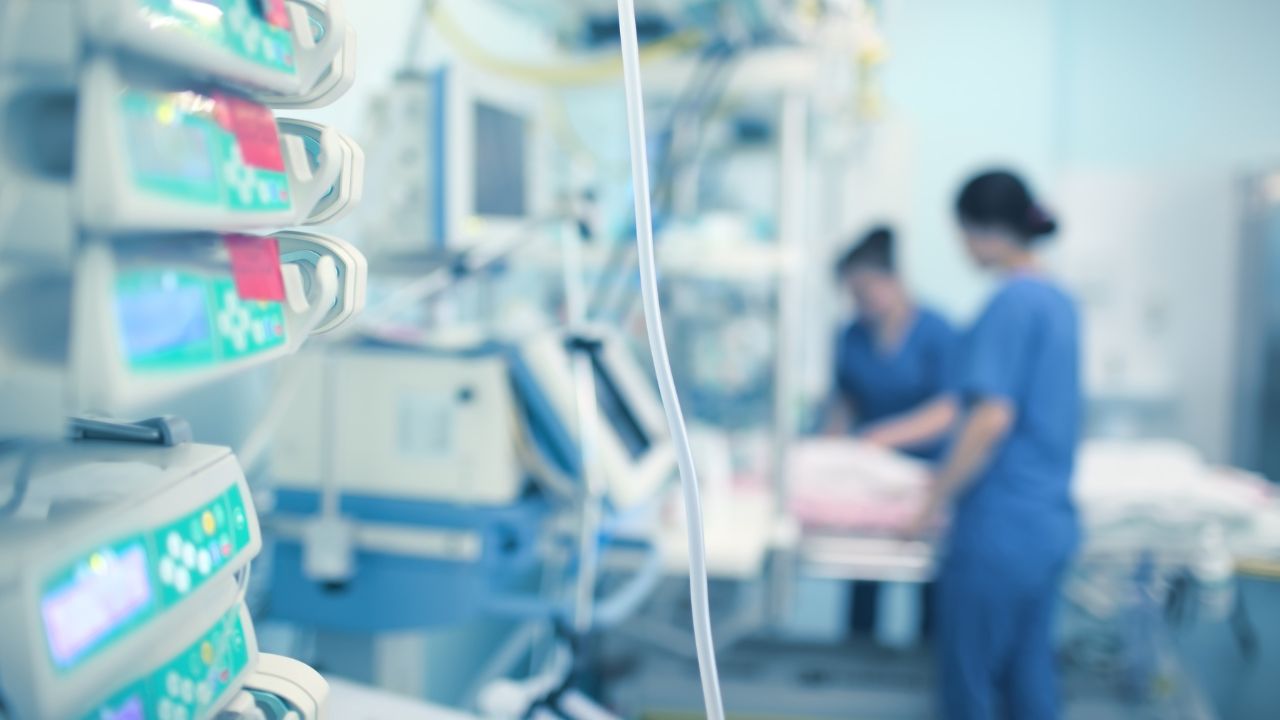
Intermediate care is a care level. It supports patients who are too complex or fragile for standard ward care but do not require the full resources of an intensive care unit. Depending on the health system, you may see terms like:
- Intermediate care unit (IMCU) or high-dependency unit (HDU)
- Progressive care or step-down unit
- Observation unit or short-stay unit
Intermediate care vs. step-down
Step-down (progressive) units generally serve patients stepping down from ICU-level care, while “intermediate” can also include patients stepping up from a general ward who need closer monitoring.
In practice, these labels often overlap. The common goal is to deliver enhanced monitoring, multidisciplinary rounds, early rehabilitation, and timely escalation or de-escalation of care.
Diverse settings where care happens
Both transitional care and intermediate care touch a wide range of settings:
- Hospital-based progressive/step-down units
- Inpatient rehabilitation or skilled nursing facilities
- Ambulatory clinics and transitional care clinics
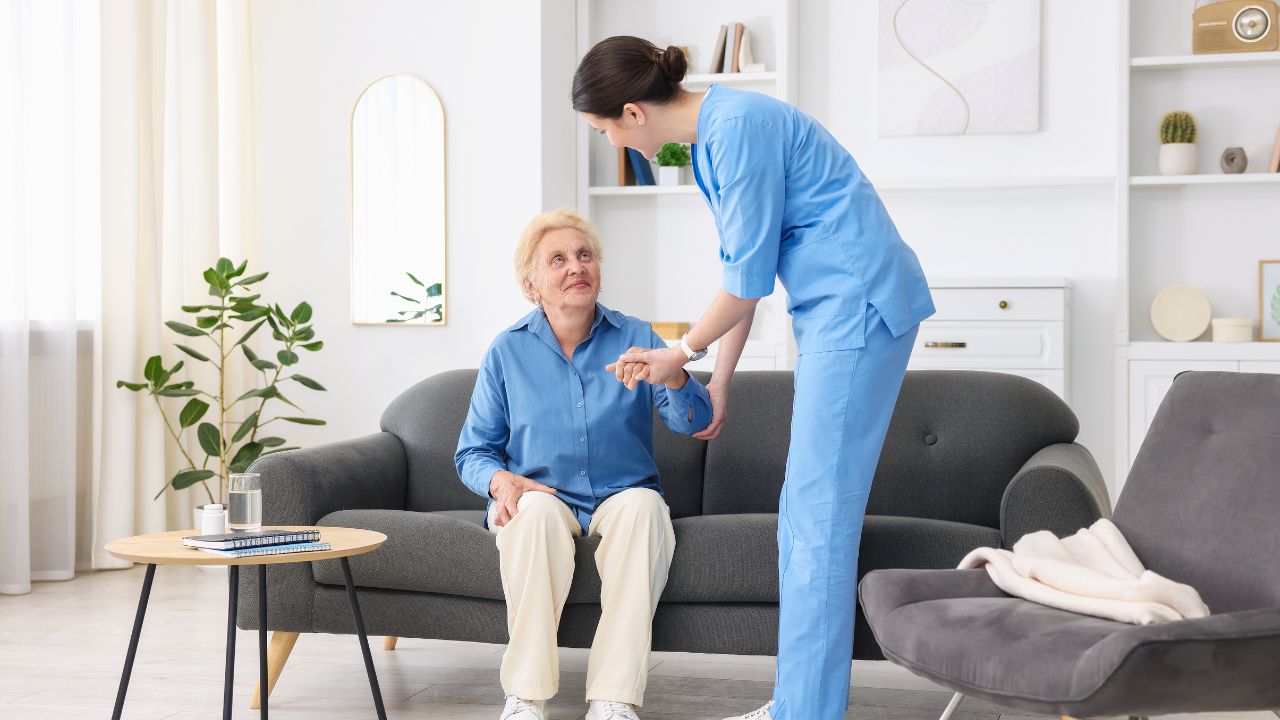
- Home health services and community-based programs
- Assisted living and supportive housing environments
This diversity reflects how recovery unfolds across locations. It also underscores why clear protocols and continuity of care matter so much during the transition from hospital to home and beyond.
Continuity across medications, treatments, and education
No matter the setting, continuity is the thread that holds recovery together. This includes:
- Medication management: Reconciliation, teaching, and support tools
- Care plan continuity: Wound care, oxygen therapy, rehabilitation exercises, ostomy management, and chronic disease self-care
- Health literacy: Ensuring patients and families know what to do, when to act, and whom to contact
- Communication: Standardized handoffs, shared care plans, and timely follow-up
These elements are the backbone of safe transitions and improved patient outcomes after transition.
Who benefits most? Types of transitional care patients
Transitional care benefits a broad range of patients, but certain groups are especially likely to need structured support.
- People leaving the hospital after major surgery, stroke, trauma, heart failure, COPD exacerbations, or sepsis: These patients often require new medications, wound/ostomy/continence care, oxygen, mobility support, or close monitoring for relapse.
- Older adults with chronic conditions or frailty: They face higher risks of medication confusion, falls, delirium, dehydration, and functional decline after discharge.
- Patients with complex medication regimens or multiple follow-up appointments: Polypharmacy and fragmented schedules are common after hospital stays and can be overwhelming without coaching and coordination.
- Individuals with new or complex medical equipment: Examples include portable cardiac monitors, home oxygen, CPAP/BiPAP, enteral feeding pumps, ostomy supplies, or negative-pressure wound therapy.
- Families and caregivers supporting loved ones through major health transitions: Caregivers benefit from training, written plans, and ready access to professionals who can answer questions.
A tailored care transition reduces rehospitalization risk, prevents complications, and lowers confusion. The earlier transitional care planning starts—ideally at admission—the more likely it is to produce measurable gains.
Practical techniques and protocols in transitional care
- Discharge planning and education: Start early. Create a written plan that includes diagnoses in plain language, red-flag symptoms, medications with clear instructions, equipment needs, scheduled follow-ups, and contact information. Teach-back (asking patients to restate the plan) confirms understanding.
- Care handoff practices: Use structured tools like SBAR (Situation, Background, Assessment, Recommendation) or standardized discharge summaries. Share key data with the next team before the patient arrives.
- Medication reconciliation: Compare the pre-hospital medication list to the in-hospital list and the intended post-discharge list. Resolve duplications, omissions, and dose discrepancies. Provide a clear schedule and, when possible, a printed or digital medication card.
- Follow-up appointment scheduling: Before discharge, schedule primary care and specialist visits. Build reminders (texts, calls, portal alerts), arrange transportation if needed, and clarify what each visit will cover.
- Home assessments and service coordination: Align home health nursing, physical therapy, occupational therapy, and wound/ostomy/continence services. If the patient needs adaptive equipment—such as grab bars, shower seats, or ramps—arrange it before discharge.
- Patient self-management support: Provide symptom diaries, monitoring checklists, and emergency numbers. Encourage patients to bring their care plan to every appointment.
Transitional care techniques bring order to a naturally complex process. They standardize the most error-prone steps and remove barriers to continuity.
Intermediate care protocols
Intermediate care protocols bridge high-acuity and standard care using:
- Frequent vital sign checks and trend-based monitoring
- Cardiac telemetry, pulse oximetry, and capnography when indicated
- Early mobility programs, respiratory therapy support, and swallowing assessments
- Daily interdisciplinary rounds to reassess goals, risks, and discharge readiness
- Protocolized weaning from oxygen or ventilatory support
- Clear criteria for escalation to ICU or de-escalation to a general unit or home
These approaches reduce deterioration risk, shorten hospital stays, and prepare patients and families for what comes next.
Transitional care equipment and smart technologies
Equipment enables safety at home and efficiency in clinics:
- Portable monitors and wearables tracking heart rate, rhythm, oxygen saturation, or activity
- Telehealth setups for virtual check-ins, medication coaching, and therapy sessions
- Smart pill organizers, automatic medication dispensers, and reminder apps
- Mobility aids (walkers, canes), fall sensors, and home safety modifications
- Wound care supplies, negative-pressure devices, ostomy pouches and accessories
- Remote spirometry, blood pressure cuffs, scales for heart failure monitoring
- Secure patient portals that integrate education, messaging, and appointment management
Selecting the right combination of technology and in-person support is central to effective transitional care management.
Staff, certification, and interdisciplinary teamwork
People—not just protocols—make transitions safe and effective. Transitional and intermediate care thrive on teamwork.
Who’s on the team
- Nurses and advanced practice nurses who guide discharge planning, teach self-care, conduct follow-up calls, and coordinate services
- Physicians and hospitalists who set medical plans and bridge to outpatient providers
- Pharmacists who reconcile medications, optimize regimens, and counsel on side effects
- Case managers and social workers who address insurance, transportation, caregiver capacity, and community resources
- Rehabilitation specialists (physical, occupational, and speech therapists) who restore function and independence
- Respiratory therapists for oxygen therapy, airway clearance, and noninvasive ventilation
- Wound/ostomy/continence specialists who prevent skin breakdown and teach patients/families how to manage care at home
- Home health professionals who deliver care and report real-world progress back to the team
Transitional care certification and training
While requirements vary by region, many organizations encourage specialized training or certification in care transitions, case management, or chronic care management. Training covers:
- Risk screening and risk reduction in care transitions
- Health literacy and culturally responsive education
- Medication safety and deprescribing
- Telehealth competencies and remote monitoring workflows
- Interdisciplinary communication and documentation standards
Structured education has been linked to better patient outcomes and fewer adverse events during transitions.
How teamwork supports continuity of care
Interdisciplinary teamwork translates to:
- Shared goals and care plans visible across settings
- Real-time communication channels for questions and changes
- Clear role definitions to prevent gaps or duplication
- Consistent messaging to patients and families
- Faster response to early warning signs, reducing emergency visits and readmissions
Transitional and intermediate care in practice: Protocols and examples
Let’s bring the process to life with a practical example and the protocols that support it.
A typical patient journey
A patient admitted with pneumonia and sepsis spends two days in the ICU, then stabilizes and moves to a progressive care unit (step-down). On the progressive care unit, staff continue close monitoring, start early mobility, and wean oxygen. The transitional care process begins at admission but intensifies here: the nurse coordinates a discharge plan, the pharmacist reconciles medications, and the therapist evaluates home mobility.
Before discharge, the team schedules a primary care follow-up in 7 days, a pulmonary clinic appointment in 2 weeks, and home health visits within 48 hours. The family receives training on oxygen use, pulse oximeter checks, and red flags. A telehealth check-in is scheduled for three days after discharge. The care plan is sent to the primary care team, and a transition nurse calls the patient 48–72 hours after arrival home.
Care handoff practices and continuity of care
High-quality handoffs share:
- The diagnosis story (what happened, current status, and anticipated recovery course)
- Medication changes and reasons
- Needed equipment and how it was taught or demonstrated
- Pending test results and who will follow up
- What to watch for and how to escalate concerns
Continuity continues at home with early visits, telehealth checkpoints, and clear pathways back to care if symptoms worsen.
Monitoring principles in intermediate care
Intermediate care focuses on spotting deterioration early and promoting recovery:
- Vitals: Frequent checks with thresholds for escalation
- Cardiorespiratory monitoring: Telemetry, oxygen needs, respiratory rate trends, and ambulation oxygen saturation testing
- Mobility: Daily assessments and progressive goals
- Nutrition and hydration: Screening for swallowing issues and malnutrition
- Sleep and delirium screening: Minimizing nighttime disruptions where possible
These protocols shorten the time to intervention and help patients rebuild strength and confidence.
Risk reduction and independence
Transitional protocols reduce common risks:
- Medication errors: Avoided through reconciliation, pill packaging, and pharmacist teaching
- Missed follow-ups: Prevented by scheduling before discharge and reminders
- Deconditioning: Mitigated by early mobility plans and therapy
- Infection or wound complications: Reduced through consistent wound/ostomy/continence care and early symptom reporting
- Social barriers: Addressed via social work support, community resources, and caregiver training
The result is a safer transition from hospital to home, faster return to daily activities, and improved independence.
Challenges and risk factors in transitional care
Even the best programs face obstacles. Recognizing them early helps teams prioritize fixes.
Common pitfalls
- Medication confusion: New prescriptions, discontinued drugs, or dose changes leading to errors without clear explanations
- Fragmented information: Discharge summaries that arrive late or omit key details
- Lost follow-up: Missed calls, transportation issues, or unclear scheduling
- Financial barriers: Copayments, equipment costs, or insurance limitations
- Limited health literacy: Complex instructions without teach-back
- Caregiver strain: Fatigue, fear, or lack of training
- Complex comorbidities: Multiple specialists without a central coordinator
Risk reduction strategies
- Standardized discharge templates and checklists
- Teach-back and written/digital plans in plain language
- On-the-spot scheduling and reminder systems
- Pharmacy coordination for bedside delivery or synchronized refills
- Early home health visits and virtual check-ins
- Community partnerships for transportation, nutrition, and social support
- Designating a transition coordinator who tracks key milestones
Equity and vulnerable groups
Transitional care challenges can be intensified by language barriers, limited access to technology, housing instability, or rural geography. Programs that offer interpreter services, flexible telehealth options, home visits, and community health worker support can close these gaps and deliver more equitable outcomes.
Innovative approaches and the future of transitional medicine
Transitional and intermediate care are rapidly evolving, shaped by new technologies, smarter workflows, and design that meets people where they live.
Predictive analytics and early warning
Hospitals are increasingly using predictive tools and continuous monitoring to identify subtle signs of deterioration—such as a rising respiratory rate, changes in oxygen needs, or increased heart rate variability—before they become crises. In intermediate care, early warning scores guide rapid responses and prevent ICU transfers. In transitional care, algorithms flag high-risk patients for closer follow-up after discharge.
Telemedicine and remote monitoring integration
Telehealth makes transitional care more accessible and consistent:
- Virtual visits for follow-up or symptom checks
- Remote monitoring for chronic conditions like heart failure, COPD, and diabetes
- Secure messaging and photo/video sharing for wound checks and ostomy assessments
- Digital coaching for inhaler technique, mobility exercises, and medication adherence
Combining telemedicine with home visits and clinic appointments creates a hybrid model tuned to patient preferences, risk level, and geography.
Design for safe discharge and adaptive environments
Transitional care design extends to homes and clinics:
- Universal design principles for safer bathrooms, lighting, and entryways
- Durable medical equipment selected for fit and function
- Smart home technologies, such as motion sensors or voice-activated lights, to reduce fall risk
- Hospital-to-home pathways that include home assessments and rapid equipment procurement
These design elements translate clinical plans into daily life success.
Data-driven pathways and personalized recovery
Care pathways informed by outcomes data help teams standardize what works while tailoring to individual needs. Examples include:
- Condition-specific bundles for heart failure or COPD that integrate education, diuretics or inhalers, weight or spirometry tracking, and early clinician contact
- Surgical pathways that combine wound care, pain management, mobility targets, and nutritional support
- Rehabilitation pathways with clear milestones and home exercise programs
The result is personalized, evidence-informed care that patients can realistically follow.
Future models: Seamless handoffs and smart home care
Looking ahead, expect:
- Interoperable digital handoffs that share real-time medication lists, lab results, and care plans across organizations
- Expanded hospital-at-home programs for selected conditions
- Smart home ecosystems that integrate wearables, sensors, and AI to alert teams to concerning trends
- Closer collaboration across progressive care, specialty clinics, home health, and community services to create a single, patient-centered continuum
These advances promise fewer friction points and a more humane recovery experience.
Patient outcomes, recovery, and family support
Transitional and intermediate care are not just operational fixes—they change lives by improving safety, function, and confidence.
What the research shows
Well-structured transitional programs have been associated with:
- Reduced rehospitalization and emergency department visits
- Better medication adherence and fewer adverse drug events
- Improved patient outcomes after transition, including functional independence
- Higher satisfaction for patients and caregivers
In intermediate care, standardized monitoring and interdisciplinary rounds have been linked to shorter lengths of stay and fewer ICU transfers.
Family role in transitional care
Family members and caregivers are central to success. Their roles often include:
- Helping with medications, appointments, and transportation
- Learning and performing wound or ostomy care
- Reinforcing mobility and therapy exercises
- Watching for red-flag symptoms and calling early
- Providing emotional support through what can be a stressful time
Programs that actively engage families—with hands-on training, written guides, and accessible help lines—see fewer complications and better adherence.
Practical tips for families and caregivers
- Ask for a written care plan and contact list before discharge
- Use a medication checklist and bring all meds to follow-up visits
- Keep a daily log of symptoms, weight, blood pressure, or oxygen saturation if recommended
- Practice wound or ostomy care with supervision before going home
- Confirm transportation plans and appointment schedules
- Reach out early if anything feels “off”—you’re part of the team
Linking recovery, innovation, and whole-person care
Transitional and intermediate care medicine are the bridges that connect major health milestones.
They translate hospital progress into home success, blending enhanced observation, education, equipment, and teamwork to ensure recovery continues safely across settings. When teams communicate clearly, when care plans follow the patient, and when homes are set up for success, people heal faster and more confidently.
Understanding this “middle zone” makes it easier to see how progressive care/step-down units, wound/ostomy/continence services, rehabilitation, home health, and discharge planning work together.
The pathway from hospital to home is a team sport—one that depends on seamless processes, skilled professionals, and adaptive design to deliver lasting, whole-person recovery.
Transitional and intermediate medicine is the bridge that makes recovery safer and more successful. By coordinating handoffs, monitoring important issues, and empowering patients and their families at home, these approaches transform a vulnerable moment into a confident step forward.
As technology, protocols, and home environments evolve, these bridges are strengthened, connecting the hospital, rehabilitation, and home with continuity, compassion, and clear plans.
To understand the staff perspective, read our guide on working in a step-down unit as a nurse.