Home healthcare and remote patient monitoring (RPM) are transforming patient care by enabling recovery and personalized medical support beyond the hospital.
This article explains how modern technology and care coordination help patients:
- Recover at home
- Reduce risks
- Enhance outcomes
We’ll also explore the benefits of modern technology, real-world practices of care coordination, and key trends for healthcare managers.
Home health care and remote patient monitoring
Medical care is no longer confined to institutional settings.
With home healthcare remote patient monitoring, individuals can now receive sophisticated, often continuous care right in the comfort of their own homes. These modern approaches shift healing to where people live, making it possible to achieve safety, comfort, and personalized support away from hospitals and clinics.
Home health care and remote patient monitoring are revolutionizing how skilled nursing, therapy, wound care, and disease management reach patients.
- RPM: Utilizes technology to transmit health data from home to clinicians in real time.
- Home health: Connects people with medical professionals for hands-on, effective care.
We'll explore how these services are delivered and why they matter for care transitions.
Home health care explained
What is home health care?
In simple terms, it means skilled, supportive care is delivered directly to a person’s home—whether for short-term recovery or ongoing needs. Available services cater to a range of medical, therapeutic, and personal assistance needs.
Types of home health services may include:
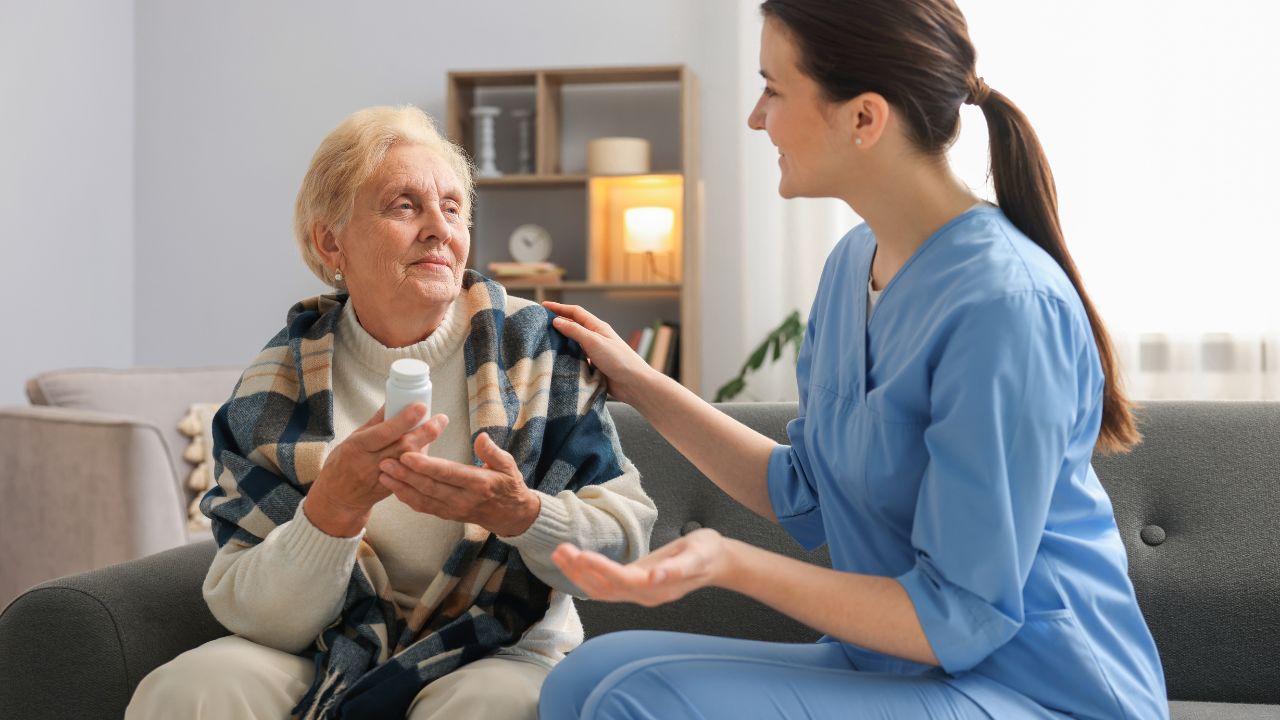
- Skilled nursing for wound/ostomy care, injections, medication, and monitoring
- Physical, occupational, or speech rehabilitation for recovery and independence
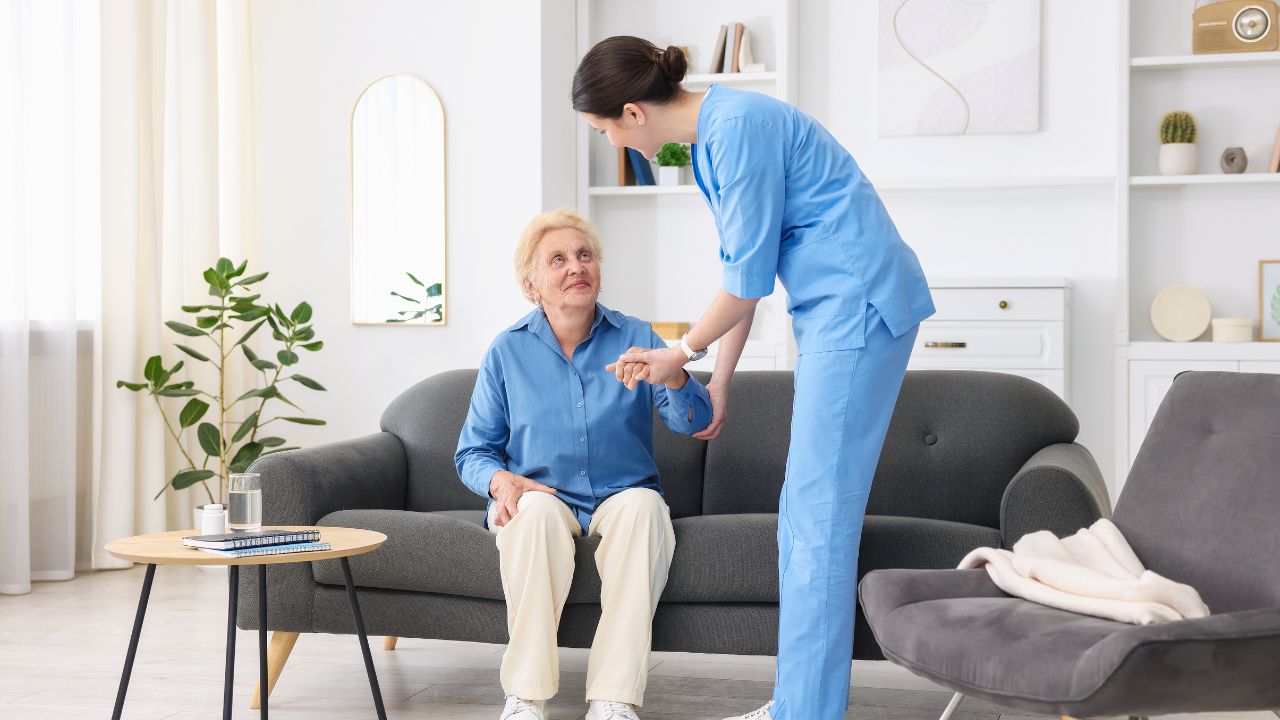
- Home health aides for assistance with daily activities such as hygiene, dressing, and mobility
- Medical social workers for coping with resources and addressing their social needs
- Education for patients and families to safely manage at-home care
Care coordination in home health is essential. For example, a case manager might organize the transition from hospital to home, communicating between providers and families, and linking patients with resources for progressive or intermediate care.
Home health is best suited for patients who are:
- Managing chronic diseases
- Recovering from surgery
- Experiencing mobility or wound issues
- Juggling complex medication regimens
Remote patient monitoring: Meaning and methods
Understanding remote patient monitoring is key to appreciating today’s home-based care. RPM enables health professionals to track symptoms, vital signs, and treatment compliance—from anywhere—by having patients use connected technology at home.
Common examples of remote health monitoring devices include:
- Wearable sensors for tracking heart rate, sleep, or physical activity
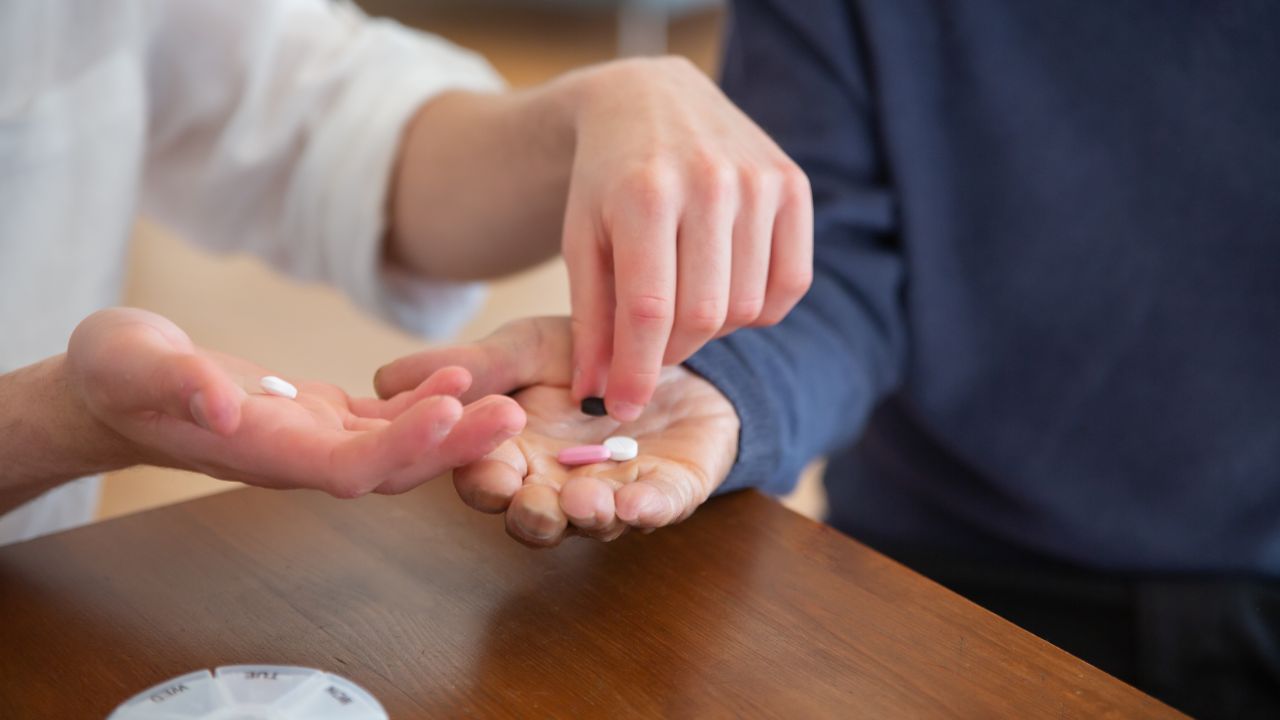
- Smart pillboxes that record medication adherence
- Connected blood pressure cuffs and wireless glucose meters
- Apps or secure web portals allowing patients to message or upload data
RPM supports seamless communication and offers early warnings for urgent trends. For instance, a pulse oximeter might detect a drop in oxygen saturation, allowing a nurse to intervene sooner.
RPM differs from telehealth, which focuses on live, real-time virtual visits, whereas this system operates constantly in the background, transmitting data that can trigger alerts to healthcare staff.
The method is especially powerful in managing transitions from the hospital, similar to protocols used in progressive care units, as it allows patients to leave sooner, knowing their status is still closely tracked.
Benefits of home-based care
People healing at home face fewer disruptions and often recover in an environment that feels supportive and reassuring.
These advantages include:
- Comfort and privacy of home life
- Personalized daily routines and adaptable care schedules
- Direct family involvement in care and decision-making
- Potential for faster recovery in certain situations
- Lower risk of exposure to hospital-acquired infections
Home care also reduces the emotional strain of institutional stays.
There’s evidence that it improves satisfaction and overall well-being, enabling people to engage with their loved ones and maintain more independence. For those concerned about repeat hospitalizations, coordinated home care with long-term care planning can significantly lessen readmission rates.
Types of patients and care transitions
Many benefit from chronic disease management at home. It can be especially beneficial for those dealing with conditions like:
- Heart failure
- Diabetes
- Pulmonary disease
- Significant wounds
- Post-surgical issues
- Frailty
These patients need regular monitoring, medication adjustments, therapy, and sometimes specialized support such as ostomy care.
Moving from hospital to home is a complex process that requires careful coordination and patient education. Hospital discharge teams provide resources to ensure a seamless return home and utilize healthcare staffing tools to maintain continuity of care.
These resources include:
- Detailed instructions
- Check-ins
- Follow-up calls
Home health care is often ideal after telemetry monitoring in a step-down unit or for patients receiving ongoing therapies at home. For individuals in oncology care or those needing extensive rehabilitation, well-managed transitions help them avoid complications and thrive at home.
Safety, monitoring, & professional support
Patient safety at home remains a top priority for providers.
Home health agencies conduct risk assessments for hazards and implement technology to monitor and communicate changes promptly.
Risks for patients at home can include:
- Falls
- Medication errors
- Environmental dangers
Step-down patient monitoring has been successfully adapted from the hospital environment to home, supported with remote devices and regular nursing visits. Certification and ongoing training are critical for home health professionals, ensuring they provide high-quality, evidence-based support.
Specializations, such as skilled nursing, enable home health professionals to manage:
- Complex needs
- IV therapy
- Virtual consultations
Some patients benefit from digital or video check-ins with a nurse or therapist, bringing expertise directly to their living rooms, while others require in-person monitoring until they’re stable.
Key equipment and technologies in home health
Technology and basic equipment form the backbone of safe, modern home health care.
Common home care equipment and RPM tools include:
- Mobility aids such as walkers, canes, lifts, and specialized beds
- Smart monitoring cuffs and temperature sensors for frequent vital sign checks
- Home infusion pumps for medications or nutrition
- Secure electronic health record access for home health teams
- Emergency alert systems connect patients to help 24/7
Innovations in home health technology have reshaped care delivery. Video visits and virtual nurse consults support hybrid models, while devices for wound/ostomy/continence care are now easily managed at home.
Tools inspired by wearable technology are transforming healthcare, providing both patients and providers with even greater control and insight.
Family, emotional support, & rehabilitation
Family support in home health plays a crucial role in recovery, offering not only physical assistance but also emotional encouragement and support.
Education for caregivers focuses on:
- Medication regimen
- Wound care
- Mobility routines
Caregiver burnout is a real concern for many families, making resources especially valuable, such as:
- Advice
- Education
- Respite care
- Counseling
Rehabilitation at home helps people regain skills and adapt to everyday challenges after strokes, surgeries, or orthopedic injuries. By working directly in someone’s environment, rehabilitation therapists individualize programs—from simple exercises to using new equipment—supporting progress in ways that group settings cannot match.
Challenges and solutions in home health
Not all patients find technology easy to use at first.
Some households lack stable internet connectivity, and older adults may require additional time and instruction to learn how to use health devices effectively. Patient safety challenges can arise with less direct oversight, ranging from missed medications to unreported changes in symptoms.
There are also significant privacy concerns associated with sharing and storing medical data remotely. Compliance with regulations is necessary to ensure the security of information.
Key solutions to overcoming technological barriers include:
- Building digital literacy through education
- Utilizing hybrid care models (combining in-person and virtual care)
- Providing technical support when implementing new technology
Guidance from experts in digital innovation in healthcare and home-based protocols helps agencies adapt safely and quickly.
Innovations and future directions
Home healthcare is rapidly advancing with the adoption of new solutions, such as artificial intelligence, which can identify patterns and predict patient needs more accurately. Automated pill dispensers, real-time alerts, and video nurse or doctor visits all streamline response and keep patients safer.
The rise of fully interoperable digital records makes it easier for every healthcare provider to see and act on the same information. Households are benefiting from the internet of things (IoT) to lead healthier lives, where wearables and smart devices communicate instantly with providers.
This evolution supports all specialty care at home, including:
- Progressive care follow-up
- Management of chronic wounds and ostomies
- Collaborative family involvement
Expect more “hospital at home” programs, smarter analytics, and seamless integration as technology continues to move medical care closer to each patient.
Healing without borders
Home health care and remote patient monitoring are making safe, effective, and personalized healing possible far from the hospital. These approaches empower patients to recover in familiar environments, supported by technology, expert teams, and the people they love.
Discover the full scope of home health care, including case management, specialized rehabilitation, wound and ostomy care, and the technology that makes modern healing possible.
Explore the full range of specialties and learn more about home health today.