

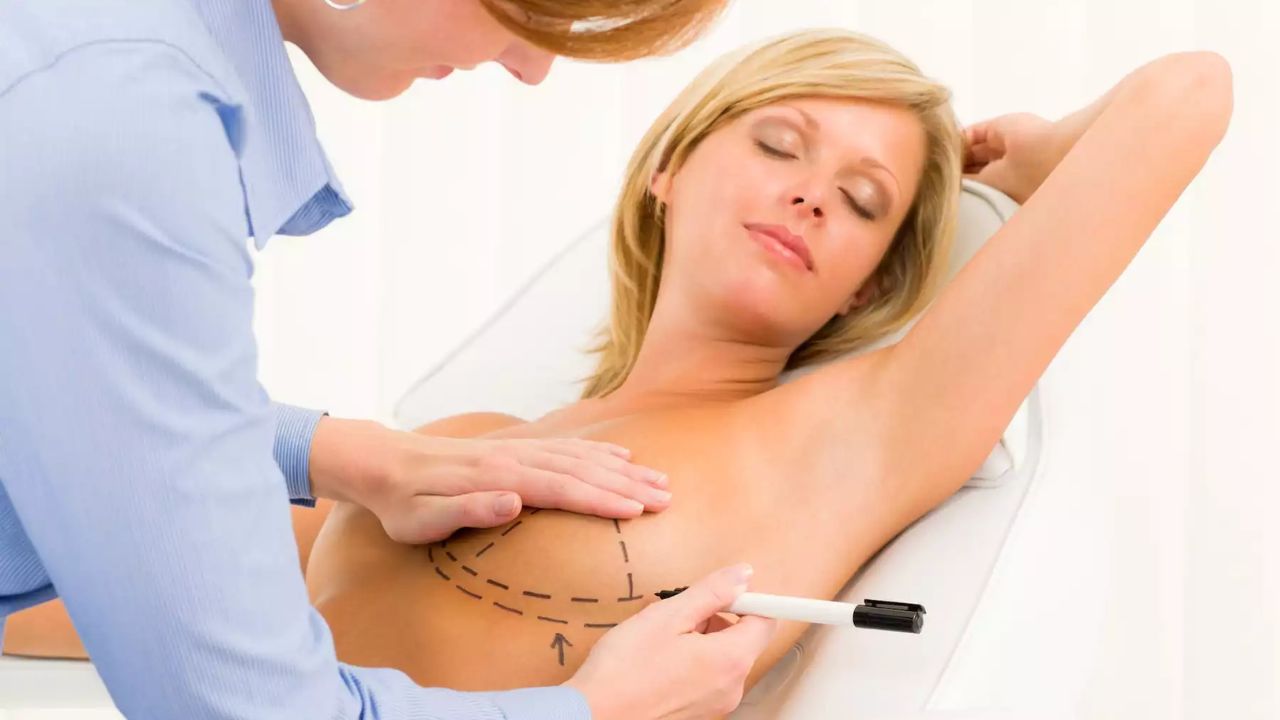
Breast surgery is one of the most transformative fields in modern medicine.
Explore how refined techniques, technology, and teamwork are reshaping the patient experience from diagnosis through recovery.
Breast surgery
Breast surgery is a field where medicine, artistry, and empathy intersect. Whether performed to treat breast cancer, restore form after treatment, or reshape the breast for comfort or confidence, surgical advances in this specialty have transformed patient outcomes and quality of life.
Understanding the range of breast surgery—from oncologic to reconstructive to aesthetic—is essential for anyone involved in modern healthcare.
But what does breast surgery really involve, and how does it fit within the broader world of surgical practice?
Beyond cancer treatment, breast surgery also includes elective and aesthetic procedures—such as breast augmentation, reduction, or lift—that address comfort, proportion, or self-image. These procedures share the same principles of precision and safety that guide reconstructive care.
Let’s explore the indications, procedures, recovery, and the multidisciplinary teams that make this field so dynamic.
Understanding the scope of breast surgery
Breast surgery encompasses a wide range of procedures addressing both disease management and cosmetic reconstruction. It sits at the crossroads of general surgery, oncology, and plastic and reconstructive surgery.
At its core, breast surgery is about two objectives: removing or correcting pathology and restoring physical and psychological wholeness. Procedures range from:
- Lumpectomies that conserve most of the breast tissue
- Complex reconstructions after mastectomy
- Elective reductions and augmentations designed to improve comfort or self-image
Today’s breast surgeons are increasingly specialized. Many complete dedicated fellowships in breast surgical oncology or oncoplastic surgery, merging oncologic safety with aesthetic precision. This shift mirrors a wider healthcare trend toward multidisciplinary, patient-centered care.
When is breast surgery needed?
Indications for breast surgery span both medical and elective contexts. Medically, the most common reasons include:
- Breast cancer (invasive or in situ)
- Benign breast disease, such as large fibroadenomas or painful cysts
- Genetic predisposition to cancer (e.g., BRCA mutation carriers)
- Gender-affirming surgery for transgender patients
- Gynecomastia surgery for men with excess breast tissue
In addition to medical indications, many people elect to undergo breast surgery for aesthetic or practical reasons. Procedures such as reduction mammaplasty or augmentation can relieve physical discomfort, restore balance after weight changes or pregnancy, and improve overall confidence.
Elective or reconstructive indications include breast reduction, augmentation, or lift procedures to relieve pain, restore proportion, or address post-treatment asymmetry.
Core procedures in breast surgery
Breast surgery encompasses a diverse set of techniques designed to remove disease, restore natural contour, and maintain function whenever possible.
Depending on diagnosis and patient preference, surgical approaches may range from breast-conserving procedures that preserve most of the breast tissue to complete mastectomy with or without reconstruction.
Advances in anesthesia, imaging, and surgical planning have also made these procedures safer and more precise, allowing surgeons to tailor each operation to the individual’s anatomy, risk factors, and goals.
Breast augmentation (implants or fat transfer)
Breast augmentation enhances breast size or restores volume lost after pregnancy or weight changes. The procedure may use silicone or saline implants, or autologous fat transfer harvested from another area of the body.
Advances in imaging and implant design have improved precision, symmetry, and long-term safety—allowing patients to achieve natural-looking, personalized results.
Breast lift (mastopexy)
A breast lift repositions and reshapes the breast to address sagging caused by aging, pregnancy, or weight fluctuation.
During the procedure, excess skin is removed, and the nipple-areolar complex is raised for a firmer, more youthful contour. Mastopexy can also be combined with augmentation or reduction to enhance both shape and proportion.
Breast reduction (reduction mammaplasty)
Breast reduction surgery removes excess tissue, fat, and skin to achieve a smaller, lighter, and more balanced breast size.
Beyond aesthetic goals, it often relieves neck, shoulder, and back pain, improves posture, and enhances mobility. The result is both functional and aesthetic—helping patients feel more comfortable and confident in everyday life.
Breast-conserving surgery (BCS)
Also known as lumpectomy or partial mastectomy, this approach removes the tumor with a small rim of healthy tissue.
Surgeons aim for clear margins to minimize recurrence while preserving natural shape. Postoperative radiation completes the therapy for most patients.
When is a mastectomy indicated compared to breast-conserving surgery?
The answer depends on tumor size, location, breast volume, genetic risk, prior radiation, and personal preference.
Mastectomy variants
When larger resections are needed, mastectomy may be performed in one of several forms:
- Simple/total mastectomy: Entire breast tissue removed
- Modified radical mastectomy: Includes axillary node removal
- Skin-sparing mastectomy: Preserves skin envelope for reconstruction
- Nipple-sparing mastectomy (NSM): Retains nipple–areolar complex in select cases
Can nipple-sparing mastectomy be performed safely?
In carefully chosen patients—those without tumor proximity to the nipple or inflammatory disease—NSM offers aesthetic outcomes without compromising oncologic safety.
Lymph node surgery
For staging and local control, surgeons perform a sentinel lymph node biopsy (SLNB)—a minimally invasive technique that identifies and removes only the first nodes draining the tumor. If positive, axillary dissection may follow.
Breast reconstruction
What reconstruction options exist after a mastectomy?
Thanks to surgical innovation, nearly every patient has a viable reconstructive path—whether implants, flaps, or choosing to “go flat.” The right choice balances medical safety, aesthetics, and patient lifestyle. After mastectomy, reconstruction can be immediate or delayed, and implant-based or autologous:
- Implant-based: Silicone or saline prosthesis placed under skin or muscle
- Autologous (flap) reconstruction: Uses tissue from the abdomen (DIEP/TRAM flap), back (latissimus dorsi flap), or thighs to recreate the breast naturally
A large study of over 2,000 women across North America evaluated long-term outcomes after reconstruction following mastectomy and found that, two years post-surgery, patients who underwent autologous reconstruction reported significantly greater satisfaction and breast-related quality of life than those who received implant-based techniques.
Oncoplastic breast surgery: Where oncology meets aesthetics
Oncoplastic surgery techniques blend cancer removal with cosmetic reconstruction principles. It allows larger tissue resections while maintaining symmetry and contour.
The approach may involve repositioning remaining breast tissue, reshaping the opposite breast for balance, or combining cancer surgery with immediate reconstruction.
How does oncoplastic surgery balance aesthetics and oncologic safety?
Through careful planning, tumor mapping, and collaboration between breast and plastic surgeons, patients achieve both effective tumor clearance and a natural-looking result—reducing the emotional toll of breast cancer treatment.
Preoperative planning and imaging
Modern breast surgery planning is rooted in imaging precision. Mammography, ultrasound, and MRI provide anatomical detail, while image-guided localization (wire or magnetic seed) pinpoints non-palpable lesions for removal.
Attention to surgical margins in breast cancer surgery ensures complete tumor removal while minimizing the need for additional procedures and improving cosmetic results.
What role does imaging play in planning breast surgery?
Accurate imaging determines tumor extent, guides incisions, and helps evaluate margins intraoperatively. It also identifies candidates for nipple-sparing approaches and supports symmetrical outcomes in reconstruction.
Beyond imaging, multidisciplinary tumor boards review cases to decide whether surgery precedes or follows systemic therapy. This collaborative model—combining radiology, pathology, oncology, and surgery—has become the standard of care.
Recovery, risks, and complications
How long is the recovery from breast surgery, and what are the typical complications?
Breast surgery recovery times vary widely. Minor lumpectomies may allow for return to light activity within a few days, while a full mastectomy with reconstruction can require several weeks.
Most recover quickly, but common issues include:
- Pain and swelling at the incision site
- Seroma or hematoma formation
- Infection or delayed wound healing
- Implant-related complications (capsular contracture, rupture)
- Flap loss (rare in autologous reconstruction)
- Lymphedema, especially after axillary surgery
To minimize risk, surgeons use drains, infection-prevention protocols, and early mobility techniques.
Patients are advised on wound care, compression garments, and gradual activity resumption.
Aesthetic and psychosocial dimensions
Not all breast surgery follows illness or trauma—many procedures are elective, chosen to enhance comfort or appearance. Whether it’s a lift to restore shape or a reduction to ease strain, these operations can have meaningful physical and emotional benefits.
The emotional weight of breast surgery—particularly for cancer patients—cannot be overstated. Reconstruction is not merely about appearance; it’s about identity, recovery, and empowerment.
With advances like nipple-sparing mastectomy and 3D nipple tattooing, many women feel more whole after surgery. Meanwhile, some patients choose aesthetic flat closure, preferring simplicity or body neutrality over reconstruction.
For many patients, breast surgery embodies an esthetic vs. oncologic balance—preserving appearance while ensuring complete cancer removal and peace of mind.
Clinicians increasingly recognize the need for psychosocial counseling and peer support groups, integrated into pre- and post-surgical care.
Prophylactic (risk-reducing) mastectomy
For high-risk individuals—such as those carrying BRCA1/BRCA2 or other pathogenic variants—prophylactic mastectomy can reduce lifetime breast cancer risk by up to 95%.
When is prophylactic mastectomy considered?
Typically, after genetic testing confirms an elevated risk, or when there’s a strong family history. Some also opt for simultaneous oophorectomy (ovary removal) to further decrease hormone-driven cancer risk.
These procedures often include immediate reconstruction to preserve body contour and minimize long-term distress. Surgeons emphasize shared decision-making, with genetic counselors and psychologists guiding each step.
The breast surgery team and their roles
Breast surgery is rarely a solo endeavor—it’s a team-based discipline blending multiple specialties for collaboration to deliver comprehensive care.
The role of multidisciplinary care in breast surgery extends far beyond the operating room—integrating imaging, oncology, nursing, and rehabilitation to achieve optimal outcomes.
Innovations and future directions
The field of breast surgery is evolving rapidly, powered by technology, imaging, and patient expectations.
- Robotic and image-guided lumpectomy tools now enhance precision in removing small tumors.
- Augmented reality and 3D modeling allow patients to visualize post-surgery outcomes before the first incision.
- Acellular dermal matrices and biomaterials are improving implant support and reducing capsular contracture risk.
- Artificial intelligence assists radiologists and surgeons in identifying margins and planning reconstruction.
- Genomic profiling helps determine who benefits most from surgery vs nonsurgical therapies.
Researchers are also focusing on patient-reported outcomes (PROs)—measuring satisfaction, pain, function, and emotional well-being to guide best practices. The shift toward value-based care shows an acknowledgment that recovery quality matters as much as surgical success.
Breast surgery beyond cancer
While cancer dominates the conversation, breast surgery also supports patients in other contexts:
- Breast reduction to relieve neck and back pain or improve mobility
- Breast augmentation for reconstruction or personal reasons
- Correction of congenital asymmetry or deformities (Poland syndrome, tuberous breasts)
- Gender-affirming top surgery for transgender and nonbinary patients
- Breast surgery for men for gynecomastia or male breast cancer
These procedures emphasize that breast surgery is not limited to survival—it’s about dignity, comfort, and identity across diverse populations.
Recovery and long-term outlook
Modern breast surgery has made remarkable strides toward shorter recoveries and better outcomes. Minimally invasive tools, enhanced pain control, and enhanced recovery after surgery (ERAS) pathways enable faster discharge and improved mobility.
How long is the recovery from breast surgery?
For lumpectomy, many can resume normal activity in under a week. After mastectomy with reconstruction, recovery ranges from 3–6 weeks, depending on the technique and individual healing factors.
Long-term follow-up includes surveillance imaging, scar management, and psychological support. Patients are encouraged to maintain healthy lifestyles—balanced diet, physical activity, and smoking cessation—to improve healing and overall health.
A field that balances science and compassion
Breast surgery represents one of the most humanistic branches of modern medicine. It combines surgical precision, artistic reconstruction, and deep empathy for patients navigating diagnosis and recovery.
While breast surgery often plays a restorative role after cancer or injury, its elective side also empowers patients to make choices about their own bodies—reflecting a broader shift toward wellness, confidence, and self-defined care.
Whether removing a tumor, rebuilding form, or reshaping identity, breast surgeons and their teams operate at the intersection of skill and sensitivity.
As innovation accelerates—from robotics to regenerative materials—the discipline continues to expand its boundaries, offering hope and healing to countless individuals.
Curious to explore how surgical subspecialties interconnect and shape patient care?
Learn more about the broader field of surgery and its many branches.


