

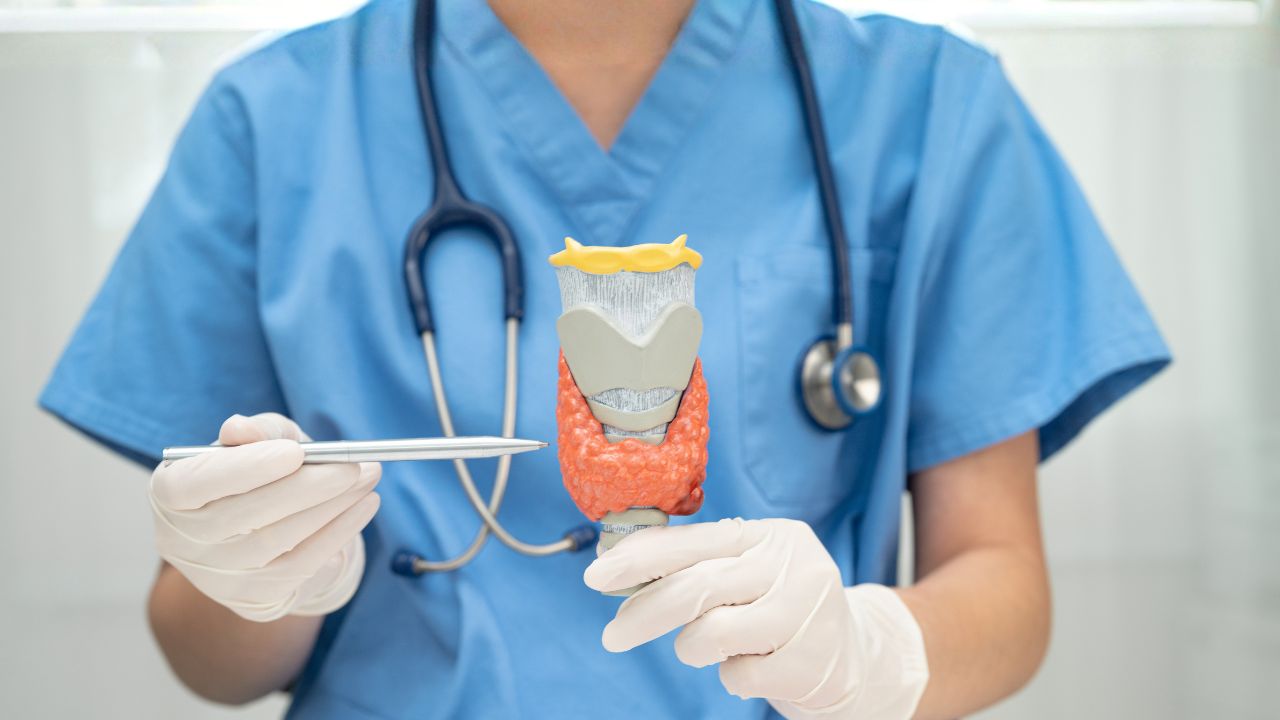
Endocrinology is the study of hormone-producing glands that regulate essential body functions like metabolism, growth, and energy. Nurses and healthcare professionals in this field play a vital role in managing endocrine disorders such as diabetes, thyroid problems, and osteoporosis. Through patient care, education, and collaboration with medical teams, they help improve outcomes and quality of life for those affected by hormonal imbalances.
Endocrinology: Role of nurses & other healthcare professionals
Endocrinology is a healthcare area focusing on the body’s hormone-producing glands and regulating metabolism, energy, and growth.
Hormones play a crucial role in almost every function of the human body. When something goes wrong, it can cause serious health issues, affecting multiple organs and parts of the body. Most patients who seek an endocrinologist suffer from diabetes, thyroid disorders, adrenal dysfunction, pituitary problems, and osteoporosis.
Nurses play a critical role in endocrinology by providing daily patient care, offering emotional support, monitoring medication schedules, detecting early signs of complications, and ensuring that patients receive expert guidance throughout their treatment.
This article introduces key concepts of endocrinology to nurses and other clinicians, covering diabetes management and highlighting valuable certifications that support professional development in this specialized field.
By offering flexible scheduling and access to diverse endocrinology shifts, Nursa supports nurses in advancing their careers while maintaining a balanced lifestyle.
Introduction to endocrinology in nursing
Endocrinology plays an integral role in healthcare, focusing on the complex interplay of glands and hormones that regulate key bodily functions.
Nurses with expertise in managing endocrine disorders, such as diabetes mellitus, thyroid disorders, and hormonal imbalances, are essential to helping patients maintain optimal health. Through their compassionate care and specialized knowledge, these nurses provide valuable support to individuals dealing with chronic conditions, significantly improving their quality of life.
Understanding the role of nurses in endocrinology involves recognizing their unique contributions to patient care. Nurses bridge the gap between theory and practice, offering not only technical skills but also emotional support. They are tasked with educating patients about their conditions, advising them on lifestyle interventions that can positively influence disease progression, and coordinating with a multidisciplinary team of healthcare professionals.
Understanding the endocrine system
The endocrine system is a complex network responsible for the secretion of hormones that regulate a multitude of bodily functions. Key components of this system include:
- Pancreas
- Thyroid
- Adrenal glands
- Pituitary gland
These glands produce hormones that influence metabolism, growth, reproduction, and mood. Disorders of this system can profoundly impact an individual's health and daily life.
Common endocrine disorders, such as diabetes and thyroid disorders, demonstrate the importance of effective healthcare management. The prevalence of these conditions necessitates a thorough understanding of their effects on overall health. For example, diabetes management requires continuous monitoring and adjustment of blood glucose levels, while thyroid disorders may involve hormone replacement therapy.
Nurses must be adept at identifying symptoms, understanding the underlying pathophysiology, and implementing appropriate interventions.
See also: Autoimmunity: Types, Symptoms, and Celebrity Examples
What does an endocrinology nurse do on a daily basis?
With this foundation, it is important to explore what endocrinology nurses do daily in patient care.
Endocrinology nurses assess and monitor patients, administer medication, educate patients and families, and collaborate with healthcare teams to ensure comprehensive care.
They play an essential role in managing patient outcomes, optimizing treatment plans, and supporting patients throughout their healthcare journey.
The role of nurses in diabetes management
Nurses provide indispensable support in managing diabetes, ensuring patients receive comprehensive care tailored to their individual needs.
Their responsibilities include monitoring glucose levels, administering insulin, and providing guidance on diet and lifestyle changes. Through patient education in endocrinology, nurses empower individuals to take charge of their health, which is crucial for effective chronic disease management.
Importance of diabetes educators
Diabetes educators are specialized professionals trained to enhance patient outcomes. They work closely with patients to develop personalized care plans, focusing on self-management skills.
By fostering a supportive environment, diabetes educators help patients and their families navigate the challenges associated with diabetes, leading to improved long-term health outcomes.
How do nurses manage diabetes in emergency settings?
Nurses must act swiftly to stabilize blood glucose levels and prevent complications. This requires a deep understanding of the condition and the ability to make quick, informed decisions.
Hormonal therapies: Managing treatment plans
Hormonal therapies are used to treat a variety of endocrine disorders, from insulin for diabetes to thyroid hormone replacement for hypothyroidism. The success of these therapies relies heavily on effective management and monitoring. Nurses are instrumental in collaborating with endocrinologists to develop individualized treatment plans.
Nurses continuously monitor patients' responses to hormonal therapy, adjusting dosages and timing to maximize effectiveness while minimizing side effects. Staying informed about the latest advancements in hormonal therapy enables nurses to apply innovative treatments and improve patient outcomes.
What are the latest advancements in hormonal therapy?
These include novel delivery methods, personalized hormone regimens, and emerging biologics that improve patient outcomes.
Collaboration is key in such settings. By working alongside physicians and other healthcare professionals, nurses contribute to a holistic approach that addresses all aspects of a patient’s wellbeing. This partnership ensures that patient care remains a top priority and that treatment plans are tailored to meet specific needs.
Managing chronic endocrine disorders
Managing chronic endocrine disorders requires a strategic approach that incorporates both medical and behavioral strategies. Nurses play a crucial role in developing and implementing these strategies, often leading initiatives aimed at improving patient adherence and outcomes.
Nurse-led initiatives have proven successful in increasing patient adherence to treatment plans. These initiatives often include patient education, support groups, and follow-up care to ensure continued compliance. By engaging patients in their own care, nurses foster a sense of responsibility and empowerment, leading to better health outcomes.
Case studies highlight the impact of successful nursing interventions. For example, a nurse-led initiative might focus on improving glycemic control in patients with diabetes through structured education and regular follow-up appointments. The result is often a significant improvement in patient health markers and quality of life.
See also: What Is Medical-Surgical (Med-Surg) Nursing Like?
Specialized nursing roles in endocrinology
As the field of endocrinology expands, specialized roles within nursing become increasingly important.
Endocrinology nurse practitioners
Endocrinology nurse practitioners (NPs), for example, take on a broad range of responsibilities, from diagnosing conditions to prescribing medication. Their advanced training allows them to function autonomously, providing a high level of care to patients with complex endocrine disorders.
Pediatric endocrinology nurses
Pediatric endocrinology nurses focus on managing endocrine disorders in children. This specialization requires a distinct set of skills, as childhood endocrine disorders often present differently than adult conditions. Pediatric nurses provide tailored care that takes into account the unique developmental needs of younger patients.
How can nurses specialize in pediatric endocrinology?
Specializing in pediatric endocrinology involves specific educational pathways and training. Nurses interested in this field should seek out courses and certifications focusing on childhood endocrine disorders. Practical experience in pediatric settings can also be valuable, providing hands-on knowledge that benefits both the nurse and the patients they serve.
Diabetes educators
Diabetes educators are another critical component of the endocrinology care team. These professionals possess essential skills that enhance patient understanding and disease management. Their impact on care is profound, as they empower patients and families to make informed decisions about their health.
Advanced training and certifications in endocrinology
Pursuing advanced training and certifications enhances a nurse's ability to provide specialized care. There are numerous endocrinology certifications available, such as the Certified Diabetes Educator (CDE) and the Advanced Diabetes Management Certification (ADM). These credentials demonstrate a nurse's commitment to professional development and specialization.
What certifications are beneficial for endocrinology nurses?
Nurses interested in endocrinology should consider certifications that enhance their knowledge and skills in this field. In addition to the CDE and ADM, other certifications may include those focused on pediatric endocrinology or hormone management. These certifications provide valuable education and credibility, making nurses more competitive in the job market.
The benefits of specialization are significant. Advanced training not only improves patient care but also opens up career opportunities in research, education, and leadership.
Continuing education and networking opportunities further enhance a nurse's career prospects, allowing for growth and advancement in the field of endocrinology.
Challenges and opportunities in endocrinology nursing
Endocrinology nursing presents both challenges and opportunities.
Patient compliance and education are common hurdles that nurses must navigate. Ensuring that patients understand their conditions and adhere to treatment plans is critical for success.
However, these challenges also present opportunities for growth. Endocrine nurses can explore roles in research and advanced practice, where they can influence practice guidelines and contribute to advances in the field. The impact of technology and data-driven tools also provides exciting possibilities for patient care, offering new ways to monitor and manage conditions more effectively.


