

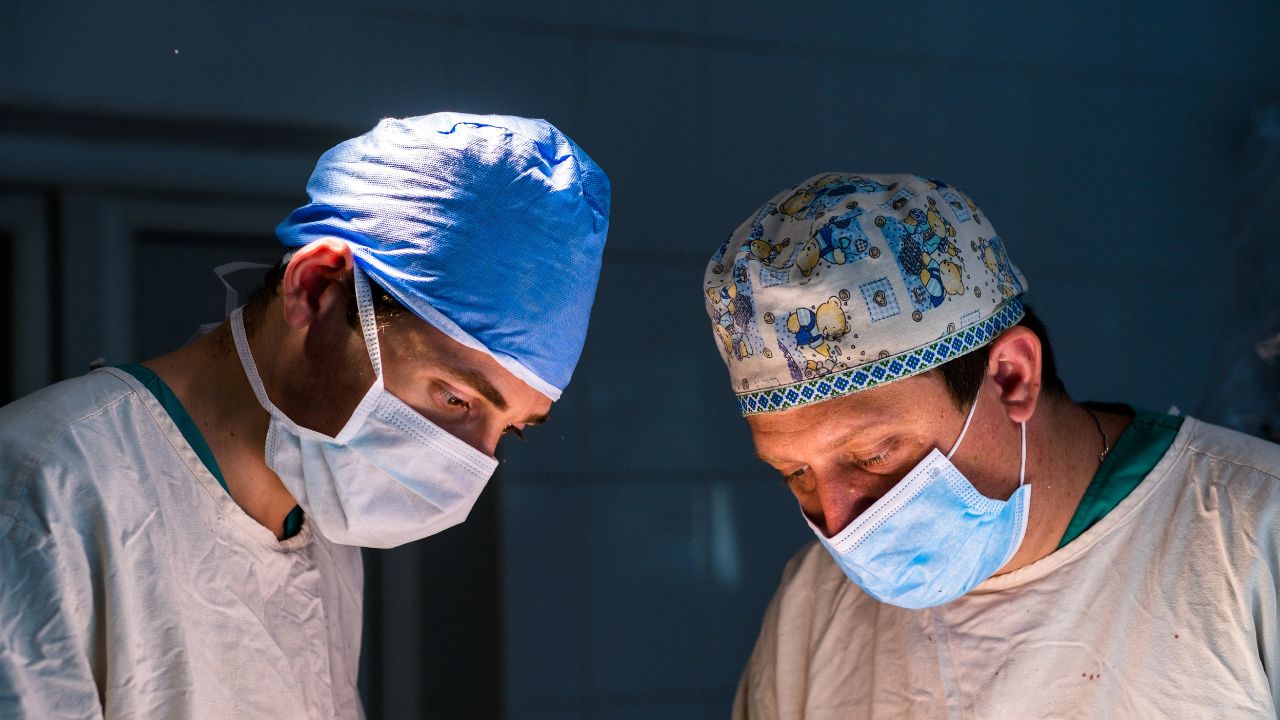
General surgery touches more lives than almost any other surgical specialty. It’s the backbone of acute care in hospitals, the engine behind many common operations, and a field that has evolved dramatically with minimally invasive and robotic techniques.
Whether you’re preparing for surgery, exploring a career, or simply curious about what general surgeons do, this guide covers the essentials—from procedures and recovery to general surgery training, risks, and real patient experiences.
What is general surgery?
General surgery is a core medical specialty that diagnoses and treats conditions affecting multiple systems of the body, with an emphasis on the abdomen and digestive tract, skin and soft tissues, endocrine organs, and urgent surgical care.
What does a general surgeon do?
Think of general surgeons as highly trained problem-solvers who evaluate, operate, and coordinate care for a broad spectrum of surgical diseases. The term "general" can be misleading; it does not imply a lack of specialized knowledge but rather a comprehensive mastery of the core components of surgical practice.
Historically, all surgeons were "general" surgeons, and over the last century, fields like neurosurgery, cardiac surgery, and orthopedic surgery branched off. The modern general surgeon retains a broad skill set, making them uniquely equipped to handle complex patients with multiple issues, particularly in emergency settings.
Before a scalpel is ever lifted, a general surgeon's primary role is that of a diagnostician.
The process begins with a detailed patient history and a thorough physical examination. This is often followed by a series of investigations, which could include blood tests, imaging studies like CT scans, MRIs, or ultrasounds, and endoscopic procedures to visualize the digestive tract. The surgeon must synthesize this information to arrive at a precise diagnosis and then determine if surgery is the best course of action. In many cases, non-operative management is considered first, and surgery is recommended only when necessary and appropriate.
General surgeons are often the first surgical specialists patients encounter. They perform common operations such as:
- Appendectomy
- Cholecystectomy (gallbladder removal)
- Hernia repairs
- Colon resections
They also manage complex or emergency conditions like bowel obstructions, perforations, and traumatic injuries in collaboration with trauma teams and critical care services. This dual role—performing routine and elective procedures, as well as responding to life-threatening emergencies—is a defining characteristic of the specialty. A general surgeon’s day might include a scheduled laparoscopic hernia repair in the morning, followed by an emergency exploratory laparotomy for a car accident victim in the afternoon.
Types of general surgeries
The range of general surgery procedures is extensive, and techniques continue to advance. Many operations that once required large incisions now use laparoscopic or robotic methods, reducing pain and recovery time.
To understand these categories more clearly, it helps to group general surgery by the body systems or goals involved.
Abdominal and digestive (gastrointestinal) surgery
This group includes operations on the stomach, small intestine, colon, gallbladder, appendix, and related structures. Surgeons treat conditions ranging from appendicitis to cancer.
- Appendectomy: Removes the appendix, typically for acute appendicitis. Most are urgent or emergent and often done laparoscopically. While considered a routine operation, a ruptured appendix can lead to a severe infection called peritonitis, making timely intervention critical.
- Cholecystectomy: Removes the gallbladder, commonly for gallstones and biliary colic; laparoscopic cholecystectomy is the standard of care for many cases. Surgeons may use advanced techniques like intraoperative cholangiography (an X-ray with dye) to ensure the bile ducts are clear and uninjured.
- Hernia repair: Fixes hernias in the groin (inguinal), belly button (umbilical), or at prior incision sites (incisional). Repairs can be open, laparoscopic, or robotic, sometimes with mesh reinforcement. The choice of technique and whether to use mesh depends on the hernia's size, location, and whether it is a recurrent issue. Complex abdominal wall reconstruction for very large incisional hernias is a sub-specialized area within general surgery.
- Colectomy: Removes part or all of the colon for conditions like cancer, diverticulitis, or inflammatory bowel disease; may be open, laparoscopic, or robotic. For cancer, the goal is to remove the tumor along with nearby lymph nodes to accurately stage the disease. For diverticulitis, surgery may be needed for complications like perforation or abscess. In cases of ulcerative colitis, removing the entire colon (proctocolectomy) can be curative.
- Bowel obstruction surgery: Frees adhesions, resects diseased segments, or bypasses blockages to restore intestinal flow. Adhesions from previous surgeries are the most common cause of small bowel obstructions.
- Anti-reflux surgery: For patients with severe gastroesophageal reflux disease (GERD) that doesn't respond to medication, surgeons can perform procedures like a Nissen fundoplication. This operation involves wrapping the top part of the stomach around the lower esophagus to tighten the valve and prevent acid from backing up.
Endocrine surgery
Endocrine operations target hormone-producing glands and often require careful preoperative evaluation.
- Thyroidectomy and parathyroidectomy: Treat thyroid nodules, cancer, hyperthyroidism, and hyperparathyroidism. These procedures require meticulous dissection to protect the recurrent laryngeal nerves, which control the vocal cords, and to preserve the tiny parathyroid glands that regulate calcium levels in the body. Intraoperative nerve monitoring is often used to enhance safety.
- Adrenalectomy: Removes adrenal tumors; it may be performed laparoscopically depending on size and suspicion for malignancy. These tumors can sometimes produce excess hormones (like cortisol or adrenaline), and a thorough endocrine workup is essential before surgery to prevent a hypertensive crisis in the operating room.
Soft tissue and skin surgery
These procedures remove or biopsy masses, cysts, or suspicious lesions.
- Lipoma and cyst excisions: These are typically outpatient removals of benign lesions causing pain or cosmetic concern.
- Sentinel lymph node biopsy and soft tissue tumor excisions: These surgeries are part of cancer staging or treatment, often in collaboration with oncology teams. For melanoma, a wide local excision is performed to ensure a clear margin of healthy tissue around the cancer. A sentinel lymph node biopsy, involving the injection of a tracer dye, helps determine if the cancer has spread to the nearest lymph nodes, which guides further treatment decisions.
- Complex wound care: General surgeons also manage severe soft tissue infections, like necrotizing fasciitis (a rapidly spreading "flesh-eating" infection), which requires aggressive surgical debridement to remove all dead tissue and save the patient's life.
Breast surgery and general surgery for cancer
General surgeons manage many breast conditions and collaborate across oncology disciplines.
- Lumpectomy and mastectomy: These are breast-conserving surgeries or complete removals for breast cancer, often paired with lymph node sampling. The choice between lumpectomy (followed by radiation) and mastectomy depends on tumor size, location, and patient preference. Modern mastectomy techniques include skin-sparing and nipple-sparing approaches, which allow for a more natural-looking breast reconstruction, often performed in the same operation by a plastic surgeon.
- Oncologic resections: These include tumor removal in the stomach, small intestine, colon, liver, or pancreas, often as part of a multimodal cancer plan. These are complex operations that require a deep understanding of anatomy and cancer biology. The goal is an "R0 resection," which means removing the tumor with a margin of healthy tissue, offering the best chance for a cure.
General surgery for weight loss (Bariatric surgery)
For patients with severe obesity and associated health conditions, bariatric procedures such as sleeve gastrectomy and gastric bypass can result in substantial and sustained weight loss. These operations are performed by general surgeons with specialized training in bariatric surgery.
The sleeve gastrectomy works primarily by restriction, removing about 80% of the stomach to create a smaller, banana-shaped pouch.
The Roux-en-Y gastric bypass combines restriction with malabsorption by creating a small stomach pouch and bypassing a portion of the small intestine. This not only limits food intake but also alters gut hormones, leading to profound metabolic changes.
Intriguingly, research suggests that bariatric surgery may offer broader benefits, including associations with a lower risk of certain cancers, underscoring its metabolic and long-term health impacts.
Trauma and emergency operations
Emergency general surgery addresses urgent conditions where time is critical.
- Perforated ulcers, intestinal perforation, or ischemic bowel: Require prompt surgical management.
- Intra-abdominal abscesses or infections: May require drainage or debridement.
- Trauma laparotomy: Is a rapid surgical exploration to control bleeding and repair injuries after blunt or penetrating trauma. In severely injured patients, surgeons may perform "damage control surgery." This involves a rapid initial operation to stop bleeding and contamination, followed by temporary closure of the abdomen. The patient is then stabilized in the ICU, and a definitive repair is performed 24-48 hours later once they are more stable. This staged approach has significantly improved survival rates in major trauma.
General surgery vs. specialized surgery
A frequent point of confusion is the difference between general surgery vs. specialized surgery. The distinction comes down to breadth versus depth.
General surgeons maintain a wide scope, handling many common and emergent problems across the abdomen and soft tissues. Specialized surgeons focus on a narrower field—such as cardiac surgery, neurosurgery, or orthopedics—with additional fellowship training to develop deep expertise.
- Focus: General surgery covers a broad range of conditions; specialized surgery targets one organ system or disease category with high complexity.
- Training length: General surgery residency typically lasts five to seven years. Subspecialists usually complete additional fellowships.
- Example procedures: A general surgeon may perform hernia repairs, appendectomies, and colectomies, while a cardiothoracic surgeon performs heart and lung operations.
However, many general surgeons develop a specialized interest and focus their practice on a specific area, such as complex abdominal wall reconstruction, endocrine surgery, or advanced laparoscopic surgery. They become "generalist specialists," offering a high level of expertise in one domain while retaining the broad skills to take emergency calls and manage a variety of surgical problems.
General surgery vs. laparoscopic surgery
It’s also common to compare general surgery vs. laparoscopic surgery. In reality, laparoscopic surgery isn’t a different specialty—it’s a minimally invasive technique used by many general surgeons. Laparoscopy employs small incisions, a camera, and long instruments to perform operations that used to require larger cuts.
The result is often less postoperative pain, smaller scars, and faster recovery times. This is because the smaller incisions cause less muscle trauma, and the magnified view provided by the camera allows for very precise dissection. The reduced inflammatory response from minimally invasive surgery also contributes to a quicker return of bowel function. Many common general surgery procedures can be performed laparoscopically or robotically, depending on the case and the surgeon's expertise, like:
- Cholecystectomy
- Appendectomy
- Hernia repair
Robotic surgery represents a further evolution of this approach. The surgeon sits at a console, controlling robotic arms that hold the instruments. This platform provides a high-definition, 3D-magnified view and instruments that have "wrists," allowing for a greater range of motion than the human hand. This technology can make complex tasks like fine suturing in tight spaces, such as deep in the pelvis during a rectal cancer operation, more ergonomic and precise.
How to prepare for general surgery
Good preparation improves outcomes. Preparing both physically and mentally can reduce complications, ease anxiety, and shorten recovery.
Preoperative evaluation
A surgical team, which includes a dedicated pre-op nurse, will take a thorough medical history, review medications, and order tests such as blood work, EKG, imaging, or specialist consults when needed. If patients have chronic conditions (e.g., diabetes, heart disease), optimizing them before surgery reduces risk.
The healthcare team will also confirm the planned operation, anesthesia type, and postoperative plan.
Medication management and lifestyle
Some medications, like blood thinners, may need to be paused or bridged; always follow your surgeon’s instructions.
Smoking cessation several weeks before surgery lowers the risks of wound problems and pulmonary complications.
Alcohol moderation, blood sugar control, and physical conditioning (e.g., walking, breathing exercises) can also help.
This concept, known as "prehabilitation," aims to get patients into the best possible physical shape before their operation. Just as an athlete trains for a competition, a patient can train for the physical stress of surgery. This may involve a structured exercise program, dietary counseling with a focus on protein, and stress-reduction techniques. Evidence shows prehabilitation can shorten hospital stays and reduce complication rates.
Nutrition and fasting
Depending on the surgery, the healthcare team may recommend a balanced diet, iron supplementation for anemia, or carbohydrate drinks up to a certain time before anesthesia. Standard fasting rules usually apply, but these are tailored to each case.
How long is general surgery?
The answer depends on the procedure, the complexity of the condition, and whether minimally invasive or open techniques are used.
- Short procedures (30–90 minutes): Many laparoscopic appendectomies, simple hernia repairs, and minor skin excisions
- Moderate procedures (1–3 hours): Laparoscopic cholecystectomy, more complex hernias, segmental colectomies, or thyroidectomies
- Complex procedures (3–6+ hours): Multiquadrant resections, revisional operations, extensive oncologic procedures, or open surgeries requiring reconstruction
After surgery
General surgery hospital stay
Hospital stay also varies widely. Many outpatient operations allow same-day discharge, while others require one to several nights.
- Outpatient: Many laparoscopic gallbladder surgeries, small hernia repairs, and minor soft tissue procedures
- Short stay (1–3 nights): Bowel resections with enhanced recovery pathways, thyroidectomy with calcium monitoring, and more complex hernia repairs
- Longer stay (4–7+ nights): Complicated resections, open procedures, or surgeries with postoperative complications or increased monitoring needs, sometimes in the care of an ICU nurse
Recovery and aftercare
General surgery recovery time is shaped by the type of operation, the patient’s health status, and whether the procedure was open or minimally invasive. Enhanced recovery protocols, early ambulation, and optimized pain control have shortened recovery for many patients.
Many hospitals now use Enhanced Recovery After Surgery (ERAS) protocols. These are evidence-based bundles of care practices designed to reduce the body's stress response to surgery and accelerate recovery.
Key elements of ERAS include avoiding prolonged preoperative fasting by allowing clear liquids up to two hours before surgery, using opioid-sparing pain management techniques like regional nerve blocks, encouraging early eating and drinking after surgery, and getting patients out of bed and walking on the day of their operation. These protocols have been shown to decrease complications and shorten hospital stays across many types of general surgery.
Pain control and mobility
Postoperative pain is expected but should be manageable with multimodal strategies (e.g., acetaminophen, NSAIDs if appropriate, regional anesthesia, and limited opioids when needed). Early movement prevents blood clots and speeds the return of bowel function.
Wound care
Incisions should be kept clean and dry as instructed. Look for signs of infection such as redness, warmth, swelling, drainage, or fever. The healthcare team will explain to patients when to shower, how to care for dressings, and when sutures or staples come out.
Diet
After abdominal surgery, the healthcare team may start patients on clear liquids and advance to solid foods as tolerated. Gas, bloating, and temporary bowel changes are common. A balanced diet with adequate protein supports healing.
Risks and complications
What are the risks of general surgery?
All surgeries carry risks, and understanding them helps patients weigh benefits and make informed decisions.
Common risks include bleeding, infection, blood clots, anesthesia-related issues, and organ-specific complications. Individual risks depend on the procedure, other medical conditions, and the urgency of surgery.
General risks applicable to almost any operation include adverse reactions to anesthesia, postoperative pneumonia (especially in smokers or those with lung disease), and urinary tract infections (often from a urinary catheter). Deep vein thrombosis (DVT), a blood clot in the leg, and its life-threatening complication, pulmonary embolism (PE), where the clot travels to the lungs, are also serious concerns.
Procedure-specific risks are also critical to understand. For example, in colon surgery, there is a risk of an anastomotic leak, where the new connection between two pieces of intestine fails to heal properly. In thyroid surgery, there is a small risk of injury to the nerves controlling the voice box, which could lead to hoarseness.
Prevention and monitoring
Surgical teams use safety protocols to minimize risks: preoperative checklists, antibiotic prophylaxis when appropriate, venous thromboembolism prevention, sterile technique, and enhanced recovery pathways.
After surgery, monitoring focuses on vital signs, labs, wound checks, and early mobilization to catch issues early. If patients develop warning signs—such as fever, severe pain, calf swelling, chest pain, shortness of breath, or persistent vomiting—they should contact their care team immediately or seek emergency care.
General surgery in emergencies
Emergency general surgery (EGS) addresses time-sensitive conditions such as appendicitis, bowel perforation, incarcerated hernia, gastrointestinal bleeding, and complications of prior surgeries. Care is highly team-based, often originating with an ER nurse and physician, and integrating surgeons, anesthesiologists, radiologists, and critical care specialists.
Training and career path
Becoming a general surgeon requires substantial education, clinical training, and lifelong learning. The path typically includes undergraduate studies, medical school, and a five- to seven-year general surgery residency, often followed by optional fellowships.
Surgical residency is an intensely demanding period of training. Residents work long hours, take frequent in-house calls, and are responsible for the day-to-day care of surgical patients, both in and out of the operating room. They progress through graded levels of responsibility, starting with basic procedures and assisting on complex cases, and eventually leading entire operations under the supervision of attending surgeons. This rigorous, hands-on apprenticeship model is designed to produce technically proficient, clinically knowledgeable, and resilient surgeons.
After residency, a surgeon must become board-certified by passing a series of rigorous written and oral examinations. This certification by the American Board of Surgery (or an equivalent body in other countries) signifies that the surgeon has met the highest standards of knowledge and practice in the specialty. Maintaining this certification requires a commitment to continuous professional development and lifelong learning.
Fellowship options
After residency, many surgeons pursue additional subspecialization in areas like colorectal surgery, minimally invasive/bariatric surgery, surgical oncology, trauma/critical care, breast surgery, or hepatopancreatobiliary surgery.
General surgeon salary and outlook
Compensation varies by geography, practice setting, call responsibilities, and subspecialty. In the United States, total annual compensation for board-certified general surgeons commonly ranges from the mid-$300,000s to $500,000+, with potential for higher earnings in high-demand markets or with additional call and procedural volume.
Global opportunities continue to grow, particularly in resource-limited settings where generalists with broad skills are essential for community health.
Advances transforming general surgery
General surgery has advanced rapidly in the last two decades. Today’s surgeons leverage technology, data, and multidisciplinary collaboration to improve outcomes while minimizing invasiveness.
Laparoscopic and robotic surgery
Minimally invasive techniques use small incisions and cameras to perform complex tasks with precision. Robotic platforms add wristed instruments and 3D visualization, helping with delicate dissections and suturing in tight spaces. As a result, many patients experience less pain, shorter hospital stays, and faster return to normal activity.
Image-guided and enhanced recovery pathways
Surgeons work closely with radiology to plan operations using CT, MRI, or ultrasound, and more centers use intraoperative imaging to guide tissue preservation.
One exciting technology is fluorescence imaging. During surgery, a special fluorescent dye (like indocyanine green or ICG) can be injected into the patient. Using a near-infrared camera, the surgeon can see structures that are otherwise invisible, such as bile ducts during a cholecystectomy or the blood supply to a piece of intestine before reconnecting it. This can help prevent bile duct injuries and anastomotic leaks.
Enhanced Recovery After Surgery protocols optimize fluids, pain control, and mobilization, supported by evidence.
General surgery patient stories
Hearing how others navigated surgery can demystify the experience. The following composite vignettes reflect common journeys and themes seen across general surgery:
- Laparoscopic cholecystectomy (gallbladder removal): After months of right-upper-quadrant pain and nausea triggered by fatty meals, the patient underwent laparoscopic cholecystectomy. She was home the same day, back to light activity within three days, and fully back to work in a week. Her postoperative plan emphasized walking and a gradual return to a normal diet.
- Complex hernia repair: This patient had an incisional hernia after a past emergency laparotomy. His surgeon recommended a component separation with mesh, planned robotically. Carlos stayed two nights in the hospital, used scheduled non-opioid medication, and walked with assistance the evening of surgery. Weekly wound checks helped detect a seroma early.
- Emergency appendectomy: A 19-year-old college student went to the emergency room with worsening abdominal pain that had moved to his lower right side, accompanied by fever and loss of appetite. A CT scan confirmed acute appendicitis. Within a few hours, he was in the operating room for a laparoscopic appendectomy. He stayed one night for observation and was discharged the next morning. He missed a few days of classes but was back to his normal routine within two weeks. This story highlights the unpredictable and time-sensitive nature of emergency general surgery.
These stories vary, but common threads include careful preoperative planning, early mobilization, multimodal pain control, and proactive follow-up.
Healthcare professionals in general surgery
Successful surgical care is a team sport.
- General surgeons: Lead preoperative evaluation, operative planning, and the operation itself. They also coordinate postoperative care and long-term follow-up.
- Anesthesiologists and nurse anesthetists: Manage anesthesia, airway, fluid status, and postoperative pain control.
- Surgical nurses and technicians: Maintain sterile technique, anticipate surgical steps, and support safety throughout the operation. Key roles include the surgical (or scrub) nurse and the circulating nurse.
- Postoperative nurses and physical therapists: Oversee early recovery, mobilization, and patient education on the hospital floor. This care is often provided by a skilled med-surg nurse.
- Physician assistants (PAs) and nurse practitioners (NPs): These advanced practice providers are often integral members of the surgical team. They may assist in the operating room, manage patients' daily care on the hospital floor, see patients in the clinic for follow-up, and help coordinate the many aspects of a patient's journey.
- Case managers and social workers: These professionals help plan for a safe discharge from the hospital. They can arrange for home health services, physical therapy, and necessary medical equipment, ensuring a smooth transition from hospital to home.
- Oncologists and bariatric specialists: Collaborate on cancer care and weight-loss surgery, ensuring comprehensive treatment plans.
How general surgeons work with patients
A hallmark of modern general surgery is shared decision-making. The surgeon will explain options—open vs. minimally invasive approaches, inpatient vs. outpatient plans, potential need for stoma in colorectal cases, or staging considerations for cancer.
Patients should ask about expected recovery time, pain control strategies, and warning signs. Knowing what to expect makes the journey safer and less stressful.
To be an active participant, patients can consider asking their surgeon questions like:
- What are all of my treatment options, including non-surgical ones?
- Why are you recommending this specific procedure for me?
- What is your experience with this operation?
- What is the most likely outcome if I have the surgery, and what if I don't?
- What will my recovery look like in the first few days, weeks, and months?
- Who should I call if I have a problem after I go home?
A strong patient-surgeon relationship is built on communication and trust. Surgeons should be partners who listen to patients’ goals and fears and help them navigate the complexities of their surgical care.
Next steps for general surgery
General surgery blends precision, adaptability, and teamwork. From elective hernia repairs to life-saving emergency laparotomies, general surgeons manage a wide spectrum of conditions across age groups, often using minimally invasive techniques that speed recovery.
The field will continue to evolve, driven by technological innovation and a deeper understanding of biology, but the core of the specialty will remain the same: a dedicated healthcare team committed to solving complex problems, one patient at a time.
Learn more about the role of nurses in the operating room.


