

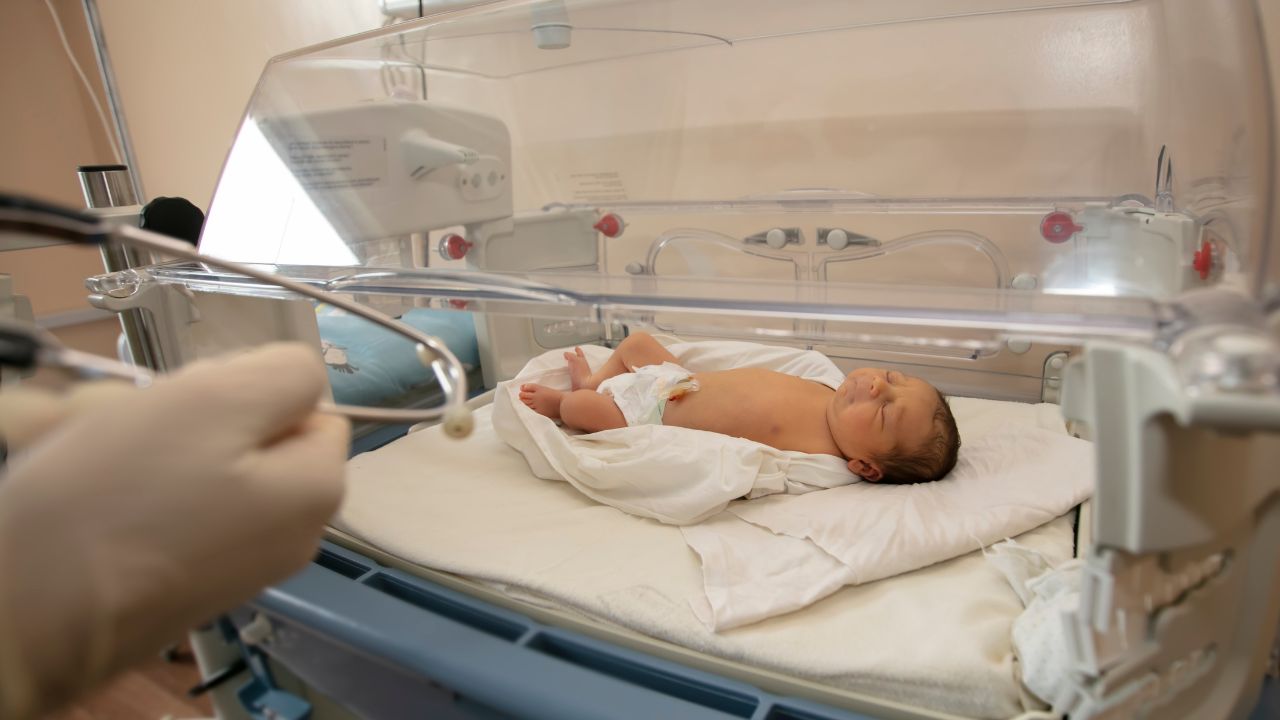
Every moment in neonatology counts—tiny lives depend on skilled teams, advanced technology, and unwavering compassion. This article takes healthcare leaders inside the world of neonatal care, exploring the science, teamwork, and breakthroughs that drive this essential specialty.
Discover how neonatology shapes the future of medicine by giving newborns—and their families—the best possible start.
Neonatology: The science and care behind new beginnings
Picture a newborn’s first breath—delicate, full of promise, and surrounded by the silent vigilance of a neonatal team and softly humming technology. This is neonatology in action, the branch of medicine focused on the specialized care and survival of the youngest and most vulnerable members of humanity.
Neonatology combines life-saving advances in science with a constant, compassionate presence, offering hope and healing to families embarking on their journeys under extraordinary circumstances.
This field sits at the crossroads of innovation and empathy. Here, medical professionals sustain tiny lives with determination and advanced tools, providing careful attention to each fragile heartbeat.
In the following sections, you will discover how neonatology evolved, the roles on each team, and why this specialty shapes not only newborn health but also the emotional landscape for countless families.
Introduction to neonatology: What it is and why it matters
Neonatology is a specialized branch of medicine dedicated to the care of newborns, particularly those born prematurely or facing medical challenges in their early days of life. This specialty differs from standard pediatric care, focusing on infants whose survival hinges on specialized medical support, technology, and constant supervision.
As newborn medicine has advanced, neonatology has established a vital role in hospitals worldwide. Early efforts in this field significantly transformed outcomes for at-risk infants, resulting in substantial reductions in mortality and improved long-term health outcomes. Today, an introduction to neonatology reveals a discipline where science, detail, and compassion unite.
The importance of neonatology lies in its ability to prevent and treat complications that could otherwise be fatal or life-limiting. Neonatologists use advanced monitoring, early interventions, and a multidisciplinary team approach to deliver precise care for each baby. The specialty is unique in its constant partnership with families, providing both practical and emotional support during a critical time.
A brief history of neonatology
The history of neonatology reflects a timeline of inventive breakthroughs and international collaboration. Incubators made their first public appearances in the late 1800s, but neonatal mortality remained high for decades. Early care units primarily focused on maintaining body temperature, with limited additional treatments available.
The true growth of modern neonatology began in the 1960s, when mechanical ventilators and improved nutrition enabled active lifesaving care. Advances in understanding premature lung function led to the widespread adoption of surfactant therapy, a medication that revolutionized survival rates for preemies.
Neonatal intensive care units (NICUs) soon became a hospital standard. Their presence transformed hospital structures and created new opportunities for long-term, specialized research. Publications, collaboration, and conferences further established neonatology in healthcare as a cornerstone of pediatric medicine.
How neonatology works
Neonatology operates as a coordinated care system focused entirely on the unique medical needs of newborns. The process often begins before delivery, when doctors identify high-risk pregnancies and arrange for special monitoring or early intervention in the delivery room.
Obstetricians and labor and delivery nurses frequently work side by side with neonatologists to ensure high-risk and preterm births receive seamless care from the first moments of life.
A baby who requires extra care may be transferred directly from birth to a NICU, where around-the-clock monitoring and advanced technology help keep even the smallest patients stable. Neonatal teams depend on both rapid decision-making and careful, ongoing assessment of developmental milestones and clinical signs.
Care involves medical interventions such as:
- Ventilator support
- Intravenous medications
- Nutritional support when babies are unable to feed on their own, be it by the baby's own inability to latch on to mom, or the mother's inability to produce sustenance
Teams also focus on nurturing, minimizing unnecessary separation between baby and family while protecting fragile immune systems. This careful balance between medical precision and human kindness defines how neonatology works on a daily basis.
The role of a neonatologist and their team
A neonatologist specializes in diagnosing, treating, and stabilizing newborns who require the highest level of care. These physicians undergo extensive training, including a neonatology fellowship, to gain expertise in advanced resuscitation, critical care for newborns, and complex procedures.
Neonatologists are responsible for:
- Leading resuscitation efforts for newborns in distress
- Diagnosing rare or life-threatening conditions
- Overseeing ventilator management and medication plans
- Communicating with families and coordinating with other hospital departments
Nurses play a primary role beside each incubator. Neonatal nurse responsibilities range from monitoring every heartbeat to comforting family members and alerting physicians to subtle changes in a baby's condition. They also help educate parents and advocate for the individual needs of infants.
Nursing credentials are crucial for working in this highly specialized field.
Other essential team members include respiratory therapists (experts in newborn breathing support), pharmacists, lactation consultants, social workers, and physical therapists. Each brings unique skills. The team approach in neonatology ensures that no need goes unnoticed and every possible effort is made to ensure the baby’s health.
Inside the neonatal intensive care unit (NICU)
A neonatal intensive care unit is specially designed for vulnerable infants who require more support than a standard nursery can provide. Here, advanced monitoring systems track every aspect of an infant's health, and equipment is scaled for the tiniest patients.
The types of neonatology care delivered in the NICU can be grouped by levels
- Level I handles healthy newborn monitoring.
- Level II provides step-up care for moderately ill infants and those with mild prematurity.
- Level III and IV deliver the highest levels of life support, surgery, and continuous intensive care for critical or extremely premature infants.
What sets today’s NICUs apart is the focus on both high-tech and family-centered care. Incubators feature environmental controls; infection barriers keep babies safe and protected. Parents’ presence is welcomed, and skin-to-skin contact is encouraged as soon as babies are stable enough for it.
Families receive support to participate as key members of the care team, fostering early bonds and improving long-term outcomes.
To learn more about specifics, the NICU nursing specialty offers helpful insights into this world.
Common neonatal conditions
Neonatal teams encounter a wide range of conditions that demand swift intervention. Among the most common neonatal conditions addressed are:
- Prematurity and low birth weight increase risks for multiple complications.
- Respiratory distress syndrome results from immature lungs in preterm babies.
- Neonatal jaundice can become dangerous if bilirubin levels climb unchecked.
- Infections and sepsis can be life-threatening because newborns have less developed immune systems.
- Congenital anomalies, including heart defects and inherited disorders, require expert intervention.
Each disorder requires specific expertise and a different approach. For example, phototherapy for jaundice, specialized antibiotics for infections, and surgical teams for certain birth defects. Many babies in neonatal care are preterm, linking neonatology and preterm births as a focus for both treatments and ongoing research.
Advanced support—including temperature control, frequent lab monitoring, and frequent developmental checks—is common for these infants. By acting quickly, teams significantly increase the chances that newborns with these conditions will survive and develop well.
Development and growth: Tracking infant progress
A core responsibility in neonatology is tracking neonatal developmental milestones, from the first effective suck reflex to the ability to maintain stable body temperature without help. Teams monitor weight, growth, reflexes, and sensory responses daily—small changes can signal either rapid progress or early warning of problems.
For premature infants, milestones look different compared to those of full-term babies. These infants may reach physical and behavioral benchmarks weeks or months later, but personalized care plans—including specialized feedings and therapies—help bridge these gaps.
Many NICUs use a family-integrated care model, drawing parents into daily routines. Whether through early holding, diaper changes, or simply talking softly to their baby, families play a crucial role in nurturing their child's development.
Emotional support from nurses, such as nursing interventions, reassures parents and improves both coping and caregiving skills.
Some of the milestones actively tracked by NICU teams include
- Weight gain above birth weight
- Regular feeding and digestion without complications
- Developing reflexes, such as rooting and grasping
- Improved respiratory function
- Progress in muscular tone and movement
Following these indicators closely enables a rapid response to any setback, supporting each baby on their path to recovery.
Research and advancements in neonatology
Recent decades have witnessed significant advancements in neonatology that have saved more infants and provided better outcomes for those at risk of lifelong complications. Continuous neonatology research topics include improvements in:
- Mechanical ventilation and noninvasive respiratory devices to reduce damage to developing lungs
- Surfactant therapy, now a mainstay that helps premature lungs inflate and function
- Gene diagnostics for rare disorders to allow early, targeted interventions
- Nutrition protocols that utilize breast milk and customized fortifiers to accelerate recovery and enhance immunity
Researchers are also exploring stem cell regeneration and artificial womb technologies—projects that, while not yet widespread, offer the potential to support fetal development outside the mother’s womb for even longer periods.
Neonatology also studies long-term effects, aiming to minimize problems with cognition, vision, and hearing that can stem from early complications. Family-centered outcomes and mental health resources for parents remain hot topics, with data showing lasting benefits for both children and caregivers.
By focusing on tailored strategies, hospitals can improve care plans for extremely preterm infants, supporting their journey long after discharge.
Neonatology in the wider healthcare system
Neonatology fits into healthcare as a foundational specialty that shapes lifelong health. It links with obstetrics to identify pregnancies at risk, coordinates with pediatricians for ongoing care, and interacts with specialties such as pediatric surgery for complex cases.
The reach of neonatology extends beyond individual hospitals. Neonatal transport networks connect small and rural facilities to tertiary NICUs and bring experts to a newborn’s bedside as soon as trouble arises.
Training programs educate new nurses and doctors, creating a pipeline of skilled professionals who are prepared for the field’s rigors. Highest-paying nursing specialties often include NICU nurses, reflecting the specialized skills and focus required.
Community education and outreach help expectant mothers spot signs of early labor or infection, making prevention a core mission of neonatology in healthcare. Regional and national data from NICUs inform public health policy, drive safety improvements, and guide resource allocation, ultimately benefiting entire populations.
As infants grow and stabilize, they may transition from the NICU to a pediatric ICU environment for specialized, ongoing care during recovery.
Emotional and family dimensions of neonatal care
Behind every chart and monitor are families facing some of the most challenging days of their lives. The family role in neonatal care centers on involvement—parents aren’t just allowed, but are encouraged to hold, feed, and comfort their newborns as soon as it’s medically safe.
Neonatology patient experiences often encompass a wide range of emotions. For some families, the NICU journey brings daily anxiety and uncertainty; for others, it becomes a place of new hope, where small victories restore confidence. Nurses and social workers support families through counseling, practical teaching, and sometimes even peer support groups.
NICU “alumni” programs provide ongoing support to families after their baby is discharged, connecting parents whose infants faced similar challenges. These networks can be a source of reassurance and celebration as children reach their developmental milestones at home.
Neonatology success stories are powerful: babies born weighing under a pound now survive and thrive; children who once faced overwhelming odds now walk, laugh, and attend school. These real-life outcomes underscore the dedication of neonatal teams and provide comfort to families embarking on their NICU journey.
Mother-baby units and ongoing pediatric support systems help ease the transition and provide support.
The future of neonatology
Newborn medicine is advancing rapidly. The future of neonatology will likely bring:
- Predictive analytics to assess the likelihood of preterm birth and initiate preventive steps
- Artificial intelligence to monitor trends, guide treatment decisions, and identify problems before they escalate
- Broader tele-neonatology, allowing remote guidance from major NICUs to hospitals anywhere
- More personalized medicine, including gene-based therapies customized to the genetics of each baby
Global health partnerships aim to share life-saving technologies and expertise with clinics in under-resourced areas, driving toward equal outcomes wherever a baby is born. Data systems are enabling the learning from every patient, thereby improving outcomes year after year.
Families—both urban and rural—will benefit from shorter hospital stays, lower complications, and stronger parental support. Neonatology’s legacy will be measured not just in survival rates but in every child who grows up healthy, strong, and able to reach their full potential.
Medicine’s smallest miracles
Neonatology is where science meets compassion, and where the tiniest patients inspire the greatest care. With every new technology, treatment protocol, and educational initiative, this field redefines possibilities for babies and families.
Every baby who enters a NICU represents both a deeply personal victory and a scientific milestone.
To gain a deeper understanding of this specialty’s impact, learn about neonatal intensive care units.


