

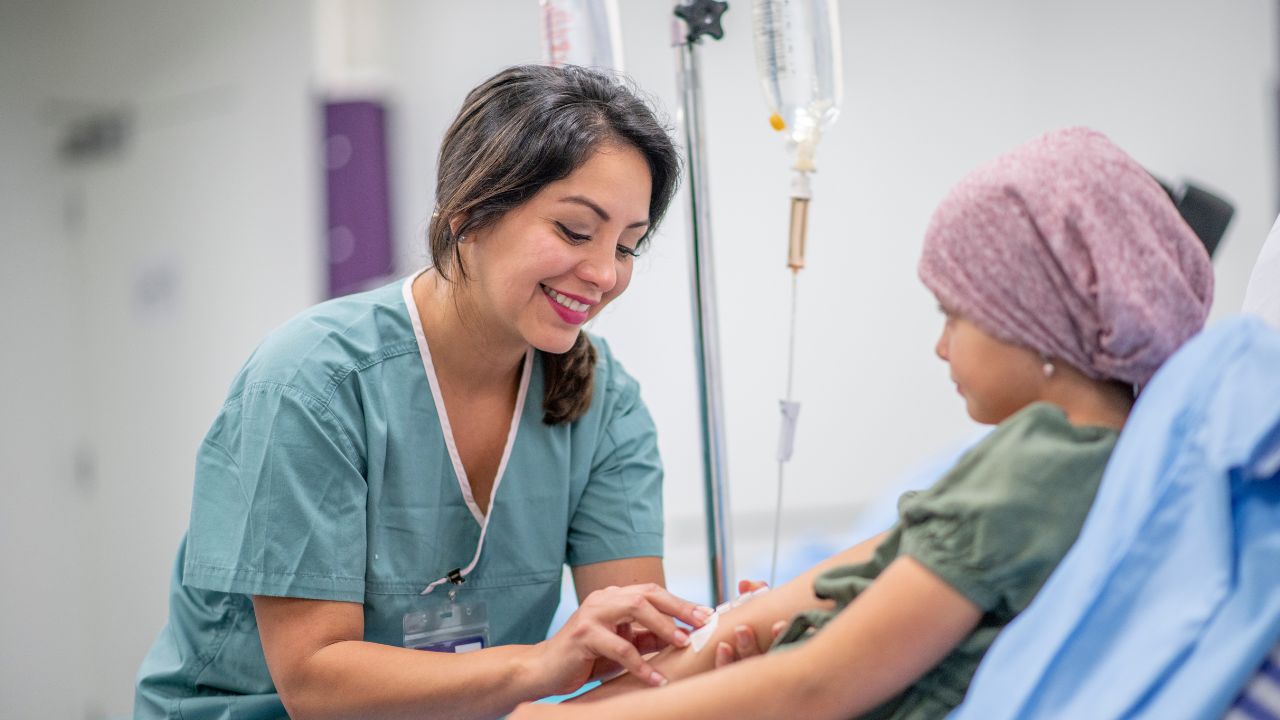
Pediatric oncology sits at the intersection of cutting-edge science, compassionate family-centered care, and complex systems coordination. Decades of research and collaborative protocols have produced remarkable survival gains for many childhood cancers, yet challenges remain—especially for high-risk diseases, relapse, and the long-term health of survivors.
This comprehensive overview is designed for healthcare professionals, researchers, and administrators seeking a deep, practice-informed understanding of pediatric oncology and its evolving landscape.
Pediatric oncology: Defining the unique field
Pediatric oncology is a distinct specialty because children are not simply “small adults.” Their cancers originate from different cells, exhibit distinct biological behaviors, and often respond differently to therapy.
Understanding these distinctions shapes everything—from the diagnostic approach to the structure of the multidisciplinary team and the design of clinical trials.
Stories and challenges inherent in treating childhood cancer
Over the last half-century, the story of childhood cancer has transformed from one of limited options to one of hope.
Survival for acute lymphoblastic leukemia (ALL) now approaches or exceeds 90% in many cooperative group settings, and multidisciplinary care models have matured to support both cure and quality of life. Yet even as cure rates have improved for many diagnoses, pediatric oncology teams contend with a dual mandate: maintaining and extending survival while minimizing acute and long-term toxicities.
High-risk malignancies—such as certain brain tumors, relapsed leukemias, and metastatic sarcomas—still pose formidable obstacles. These challenges sustain the field’s relentless focus on innovation, precision medicine, and survivorship care.
What is pediatric oncology, and why is it a distinct specialty?
Pediatric oncology encompasses the diagnosis, treatment, supportive care, and survivorship needs of children and adolescents with cancer.
This scope spans the continuum from early recognition and risk-adapted therapy to long-term follow-up for late effects. It also intersects with related pediatric subspecialties. For example, pediatric oncology teams collaborate closely with pediatric hospitalists and subspecialists across:
- Pediatric medicine
- Neonatology, when tumors or treatment complications arise in neonates
- Pediatric surgery for tumor resections and biopsies
The pediatric oncology nursing workforce is also central to this care.
How does pediatric cancer differ from adult cancer?
The differences are fundamental and clinically meaningful. Pediatric cancers often arise from embryonal or developmental tissues (e.g., neuroblastoma, Wilms tumor) or hematolymphoid origins, whereas adult cancers more commonly reflect environmental exposures and accumulated mutational burden.
Pediatric tumors often harbor fewer mutations but more defining driver alterations, such as gene fusions or copy number changes. Children tolerate intensive therapy differently, lack adult comorbidities, and require developmentally attuned psychosocial and supportive care.
Their cancers may be more chemosensitive, but therapy-related late effects can reverberate across decades, making risk-adapted intensity and survivorship planning critical. These distinctions underscore the need for pediatric oncology to have its own research paradigms, cooperative group trials, and multidisciplinary frameworks.
Epidemiology, diagnosis, and common cancers
The pediatric cancer spectrum is narrower than in adults but biologically diverse. Understanding incidence patterns, typical presentations, and the diagnostic steps streamlines time-to-treatment and informs risk stratification.
Overview of common malignancies
- Leukemia: The most common pediatric cancer, with ALL representing the majority and acute myeloid leukemia (AML) comprising a smaller, more intensive-treatment subset. Risk stratification hinges on cytogenetics (e.g., hyperdiploidy, ETV6-RUNX1), molecular features (e.g., IKZF1 alterations), and early treatment response, including measurable residual disease (MRD).
- Brain tumors: The most common solid tumors in children. These include medulloblastoma, astrocytoma/low-grade glioma, high-grade glioma/diffuse midline glioma, and ependymoma. Management depends on tumor location, resectability, molecular subgroup, and the potential neurocognitive impacts of therapy.
- Hematologic malignancies beyond leukemia: These include lymphomas (Hodgkin and non-Hodgkin) and histiocytic disorders. Pediatric lymphomas are often highly curable with multi-agent chemotherapy, sometimes with limited radiation.
- Extracranial solid tumors: This broad group includes neuroblastoma, Wilms tumor, rhabdomyosarcoma, Ewing sarcoma, osteosarcoma, hepatoblastoma, and germ cell tumors. Care pathways combine surgery, chemotherapy, radiation therapy, and targeted or immunologic approaches tailored to molecular risk.
Understanding common pediatric cancer types, such as leukemia and brain tumors, is foundational to triage, counseling, and initial management; their frequency and heterogeneity have driven many of the field’s trial-supported advances.
Steps involved in pediatric cancer diagnosis
A child’s diagnostic pathway strikes a balance between urgency and precision. Timeliness matters, but so does getting the biology right before initiating therapy, when possible.
- Initial evaluation: Clinical history (e.g., fatigue, fevers, weight loss, headaches, bone pain), exposure and family history, and exams (e.g., lymphadenopathy, hepatosplenomegaly, focal neurologic deficits) guide initial testing.
- Laboratory studies: CBC with differential, peripheral smear review, coagulation profile, tumor lysis labs (uric acid, LDH, electrolytes), and organ function tests establish a baseline and risk for acute complications.
- Imaging: Ultrasound is performed for suspected abdominal masses, a chest X-ray is used for mediastinal widening, and MRI is utilized for CNS and soft-tissue lesions, with CT scans used in select cases. Functional imaging (FDG-PET) aids in staging for lymphoma and certain sarcomas.
- Tissue diagnosis: Bone marrow aspirate/biopsy is performed for suspected leukemia; core needle or surgical biopsy is performed for solid tumors to secure histology and tissue for molecular profiling.
- Staging and risk stratification: Disease-specific systems (e.g., International Neuroblastoma Risk Group [INRG], TNM variants) integrate clinical, radiologic, pathologic, and molecular data to tailor therapy.
- Molecular and genetic testing: Next-generation sequencing, fusion panels (e.g., NTRK, ALK, BRAF, FGFR), germline evaluation for suspected predisposition, and MRD assays in leukemias refine both prognosis and treatment choices.
Risk factors: Genetic predisposition and cancer syndromes
While most pediatric cancers are sporadic, a meaningful minority arise in the setting of genetic predisposition syndromes.
Li-Fraumeni (TP53), neurofibromatosis type 1 (NF1), constitutional mismatch repair deficiency, RB1 mutations (retinoblastoma), and Down syndrome (increased risk of leukemia) are well-recognized examples.
Identification of a germline predisposition affects surveillance, surgical decisions, and therapy selection—such as avoiding radiation therapy in TP53-mutated settings—and supports family counseling. Genetic and molecular targets for pediatric cancer therapies and the rapid maturation of molecular diagnostics elevate precision medicine from concept to standard practice, and clinical teams increasingly rely on digital tools and advanced analytics to integrate complex data, creating new healthcare realities.
Treatment modalities and therapeutic innovation
Pediatric oncology treatment combines protocol-driven care with personalized adjustments tailored to individual risk and response. Cooperative group frameworks—such as those from the Children's Oncology Group (COG)—standardize care, enable continuous learning, and ensure safety and effectiveness across institutions.
Standard treatment pillars
What are childhood cancer treatment protocols (e.g., COG), chemotherapy, and radiation therapy considerations?
A structured overview clarifies how core modalities integrate to achieve a cure while minimizing toxicity.
- Protocols and roadmaps: Cooperative group regimens define timing, drug combinations, dosing, and supportive care. Protocol adherence improves outcomes, and protocol deviations are carefully scrutinized to maintain safety.
- Chemotherapy: Multi-agent regimens target distinct cellular pathways to prevent resistance. Pediatric dosing requires vigilant calculation, monitoring for organ toxicity, and proactive supportive care. Oncology nurses administer complex regimens and manage adverse effects.
- Surgery: In solid tumors, upfront or delayed primary resection is often curative or cytoreductive. Close coordination with pediatric surgery teams ensures appropriate timing and margin goals, with attention to functional outcomes.
- Radiation therapy: It is a powerful tool for local control but a driver of late effects. In pediatrics, radiation fields and doses are carefully limited, and techniques like proton beam therapy can reduce exposure to developing tissues.
- Supportive care: Central venous access, transfusions, antimicrobial prophylaxis, antiemetics, nutritional and rehabilitative support, and psychosocial services are integrated from the outset to maintain treatment intensity and quality of life.
Frontiers in pediatric oncology
What are the latest advancements in pediatric oncology treatment, immunotherapy, and precision medicine?
New modalities are reshaping the landscape, particularly in refractory and high-risk disease.
- Immunotherapy: CAR T-cell therapy (e.g., CD19-directed) has improved outcomes in relapsed/refractory B-ALL. Monoclonal antibodies and antibody-drug conjugates (e.g., anti-GD2 in neuroblastoma, anti-CD22 constructs) also play an expanding role. Checkpoint inhibitors show promise in select settings (e.g., Hodgkin lymphoma, mismatch repair-deficient tumors) but require vigilant toxicity management.
- Precision medicine and targeted therapy: ALK inhibitors in neuroblastoma, BRAF and MEK inhibitors in select gliomas, and TRK inhibitors for NTRK fusions illustrate success in matching therapy to molecular drivers. MRD-guided de-escalation or intensification strategies personalize care in leukemias and some solid tumors.
- Advanced radiation and interventional techniques: Proton therapy, stereotactic approaches, and image-guided interventional radiology maximize local control while sparing healthy tissue.
- Data-driven care delivery: Informatics-enabled dosing, clinical decision support, and predictive models strengthen safety.
The role of clinical trials in pediatric cancer care
What is the role of clinical trials in advancing pediatric cancer care?
Clinical trials are the engine of progress in pediatric oncology. A high proportion of children receive care on or aligned with trials, accelerating evidence generation. Early-phase studies evaluate novel agents and dosing, while phase II/III trials refine risk stratification, test de-escalation to reduce late effects, or add targeted agents to improve cure rates.
Ethical conduct includes child assent, parent/guardian consent, and attention to disparities in access.
Trials also create structured environments for:
- Psychosocial and supportive care innovations
- Career resources and education
- Nursing career advancement
Managing complications and survivorship (late effects)
Complication management and survivorship are not separate from primary treatment—they are integral to it. Teams deploy standardized care bundles for acute toxicities and create long-term plans to protect the health and well-being of survivors.
Acute toxicities
What are some strategies for managing febrile neutropenia in pediatric oncology, handling the most common immediate acute toxicities, and the late effects of childhood cancer treatment?
Febrile neutropenia (FN) is a critical oncology emergency, requiring rapid assessment and empiric therapy. Most centers follow well-established algorithms:
- Immediate steps: Prompt triage, blood cultures from all catheter lumens and peripheral sites, and broad-spectrum IV antibiotics within 60 minutes
- Risk stratification: Use of validated tools to identify low-risk patients who may be eligible for early discharge and oral antibiotics versus high-risk patients requiring inpatient management
- Adjuncts: Growth factor support in select regimens, antifungal and antiviral considerations for prolonged neutropenia, and supportive measures such as hydration and electrolyte management
Beyond FN, teams anticipate and manage chemotherapy- and radiation-related complications: tumor lysis syndrome, mucositis, nausea/vomiting, hepatotoxicity, nephrotoxicity, cardiotoxicity, neuropathy, thromboembolic risk, steroid-induced complications, and hypersensitivity reactions. Evidence-based nursing interventions and timely escalation protocols mitigate harm.
Oncology nursing roles in these high-acuity settings are specialized. For nurses seeking flexible clinical exposure in oncology units, explore PRN openings for registered nurse jobs.
Survivorship care
How can we better define child and adolescent cancer survivors and their unique needs, understand long-term issues for childhood cancer survivors, and improve the quality of life for child and adolescent cancer survivors?
Every child who completes therapy—or who lives with cancer as a chronic condition—is a survivor.
Survivorship programs begin during treatment with baseline organ assessments and anticipatory guidance, then transition to structured, risk-based follow-up.
Long-term issues for childhood cancer survivors can include:
- Cardiotoxicity: Anthracyclines and chest radiation elevate lifetime risk; surveillance echocardiography and heart-healthy counseling are essential.
- Endocrine and fertility: Hypothalamic-pituitary axis dysfunction, growth disturbances, thyroid disorders, and gonadal failure require endocrinology collaboration and fertility preservation discussions before therapy when feasible.
- Neurocognitive and psychosocial effects: CNS-directed therapies and prolonged hospitalizations can affect cognition, attention, mood, and school performance; neuropsychological testing and educational support are crucial.
- Sensory and organ toxicities: Ototoxicity (e.g., platinum agents), pulmonary and renal impairment, and musculoskeletal effects warrant targeted screening and rehabilitation.
- Second malignant neoplasms: Prior radiation and specific agents increase risk; lifelong vigilance and lifestyle counseling matter.
Improving quality of life for child and adolescent cancer survivors means embedding wellness, mental health care, and social reintegration within long-term plans. School re-entry, vocational guidance, and age-appropriate autonomy support must be intentional—especially for adolescent and young adult (AYA) populations.
To celebrate progress and advocate for continued support, you can help celebrate National Cancer Survivors Day and recognize Childhood Cancer Awareness Month. Oncology workforce awareness initiatives also elevate the visibility of care needs across the lifespan, such as with Breast Cancer Awareness Month.
The core of care: The multidisciplinary team (MDT)
Pediatric oncology outcomes depend on multidisciplinary care. Tumor boards, shared decision-making with families, and integrated supportive services position children to receive the right therapy at the right time—safely and compassionately.
The fundamental importance of multidisciplinary care
The MDT aligns diagnostic, therapeutic, and supportive plans across disciplines and settings—outpatient clinics, inpatient units, infusion centers, operating rooms, and radiation facilities. From first biopsy to end-of-therapy surveillance, coordination reduces errors, shortens time-to-diagnosis, and improves adherence to evidence-based protocols. Neonates and infants with cancer may require NICU-level collaboration with neonatology, while complex medical needs draw on broader pediatric subspecialists.
The following are core areas of the multidisciplinary team:
- Pediatric surgery
- Radiation oncology
- Pharmacy
- Nursing
- Rehabilitation
- Psychosocial teams
The role of multidisciplinary team in pediatric cancer care
The role of the multidisciplinary team in pediatric cancer care is to synthesize expertise and deliver individualized, holistic care.
Regular MDT meetings support timely review of imaging, pathology, molecular findings, and clinical status; define surgical and radiation timing; coordinate central line care; and align psychosocial and palliative support.
Quality-improvement initiatives—central line-associated bloodstream infection (CLABSI) reduction, febrile neutropenia time-to-antibiotics metrics, and pathway adherence—are often MDT-led, accelerating outcome gains without adding treatment intensity.
Key professional roles
Understanding each role clarifies who does what, when, and how—improving efficiency, safety, and family experience.
- Pediatric oncologist: Leads diagnosis, risk stratification, overall treatment planning, and clinical trial enrollment and oversight; coordinates with surgery, radiation, pharmacy, and supportive services
- Pediatric oncology nurse (RN/NP): Delivers direct patient care, manages symptoms and complications, coordinates education for families, administers chemotherapy, and monitors for toxicity
- Pediatric surgeon/radiation oncologist: Provides tumor biopsy and resection, and plans and delivers radiation with pediatric-specific dose and field considerations; collaborates with surgical subspecialists and anesthesiologists
- Social worker/psychologist: Provides psychosocial care, counseling, and resource navigation; addresses caregiver stress, financial barriers, and mental health needs across the care continuum
- Child life specialist: Implements developmentally appropriate strategies for coping, procedural preparation, and normalization of the hospital environment
- Pharmacist: Designs and validates complex chemotherapy regimens, checks drug interactions, adjusts dosing based on organ function, and educates families on safe at-home administration and handling
- PT/OT/nutritionist: Addresses supportive care needs across mobility, function, feeding, and growth; monitors for deconditioning, neuropathy, and nutritional deficits; supports return to normal activities
Core competencies for pediatric oncology professionals
Essential core competencies for pediatric oncology professionals include advanced communication (family-centered, culturally responsive, trauma-informed), empathy under stress, technical proficiency in pediatric-specific procedures and monitoring, rigorous safety practices, research literacy for evidence-based practice and clinical trials, and informatics fluency for protocol adherence and decision support.
Digital innovations are increasingly part of daily practice for emerging competencies at the intersection of technology and care delivery.
Supportive and psychosocial integration
Supportive care is a pillar of pediatric oncology, woven into every treatment plan. It aims to prevent complications, reduce symptom burden, and preserve development, schooling, and family stability.
Comprehensive support: Expanding on supportive care services
Comprehensive supportive care encompasses pain and symptom management, antiemetic protocols, antimicrobial prophylaxis and treatment, transfusions, nutritional support, physical and occupational therapy, and speech/feeding therapy as needed.
Palliative care teams join early to optimize comfort, support decision-making, and align care with family values across the disease trajectory—not solely at the end of life. Rehabilitation services promote strength and mobility, helping to counteract deconditioning and neuropathy.
How do you address the emotional and psychological needs of pediatric cancer patients and their families?
Psychosocial care is integral. A trauma-informed approach legitimizes distress, anticipates anxiety around procedures, and addresses uncertainty and grief. Families benefit from consistent messaging, flexible visitation, and access to mental health services.
For AYA patients, tailored support for autonomy, body image, peer relationships, and fertility preservation is crucial. Schools and community organizations often partner in reintegration plans, while telehealth extends access to counseling and follow-ups. Community awareness helps sustain the networks families rely on long after therapy.
Psychosocial and emotional impact of childhood cancer
Addressing psychosocial and emotional impact of childhood cancer also means recognizing the needs of siblings and extended caregivers, providing age-appropriate education about the illness and its treatment, and normalizing routines where possible.
Structured return-to-school plans, 504/IEP accommodations, and peer re-entry programs can mitigate stigma and academic disruption. Survivorship celebrations and public awareness reinforce resilience and community support.
For oncology teams, continued professional development ensures best practices strengthen team readiness to meet evolving psychosocial standards.
FAQ about pediatric oncology
Here are some frequently asked questions about pediatric oncology:
What are the most common types of cancer in children?
Leukemias (especially ALL), brain and other CNS tumors, lymphomas, neuroblastoma, Wilms tumor, and sarcomas are the most common types of cancer in children.
What are the common treatment strategies in pediatric oncology?
Risk-adapted multi-agent chemotherapy, surgery, and radiation therapy, complemented by targeted therapies, immunotherapies, and integrated supportive care, are the most common treatment strategies in pediatric oncology.
What is the importance of a multidisciplinary team approach in pediatric oncology?
It coordinates diagnostics, treatment, and supportive services to optimize outcomes, minimize toxicity, and deliver family-centered, protocol-driven care.
What are the potential late effects of childhood cancer treatment?
Cardiac, endocrine/fertility, neurocognitive, growth, renal/hepatic, pulmonary, sensory (hearing/vision), psychosocial issues, and second malignant neoplasms are all potential late effects of childhood cancer treatments.
How is supportive care integrated into pediatric oncology treatment plans?
It is embedded from diagnosis, including infection prophylaxis, transfusions, antiemetics, nutrition, rehabilitation, psychosocial and palliative care, and survivorship planning.
What are the key challenges in caring for adolescents and young adults with cancer?
Delayed diagnosis, distinct tumor biology, fertility preservation, adherence, psychosocial needs (identity, school/work), care transitions, and clinical trial access are challenges of caring for adolescents and young adults with cancer.
What are the new developments in targeted therapy and immunotherapy for pediatric cancers?
New developments in targeted therapy and immunotherapy for pediatric cancers include CAR T-cell therapy for B-ALL; monoclonal/ADC approaches (e.g., anti-GD2, anti-CD22); targeted inhibitors (ALK, BRAF/MEK, NTRK); and checkpoint inhibitors in select genomically defined tumors.
Get deep knowledge about pediatric oncology
Pediatric oncology exemplifies modern medicine’s promise: multidisciplinary expertise, rigorous science, and family-centered care, achieving cures once unimaginable.
While survival gains are noteworthy, the field’s work is unfinished—particularly for high-risk malignancies and for minimizing late effects. However, the future is bright: genetic predisposition research and molecular oncology will continue to refine risk, enable earlier detection, and deliver therapies that are both more effective and gentler. Data science and digital innovation will enhance safety, personalize supportive care, and streamline the patient journey.
Join the thousands of professionals deepening their knowledge of oncology—from pediatrics to adult care—and finding opportunities to contribute to this life-saving work.


