

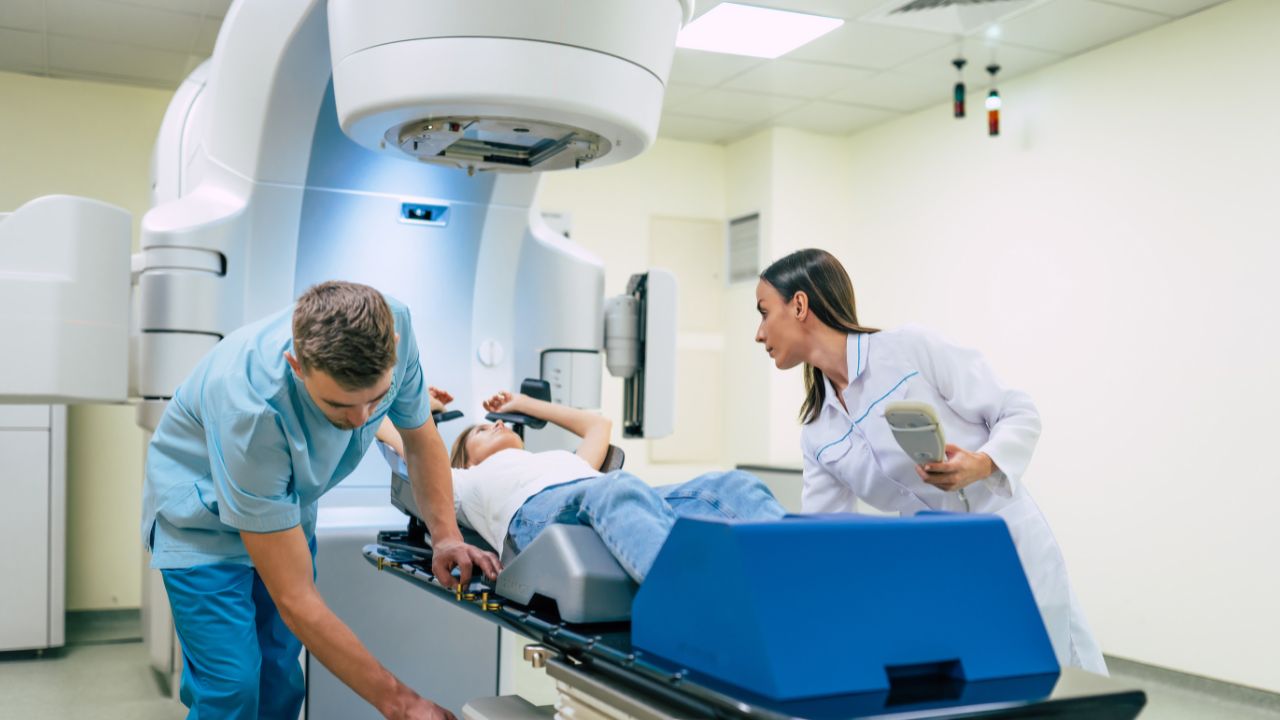
Radiation oncology is at the forefront of modern cancer care, blending cutting-edge technology with compassionate, personalized treatment. No longer just a last resort, radiation therapy now stands alongside surgery and chemotherapy as a vital, precise option for both curing and controlling cancer.
With continual advances in imaging, planning, and delivery, radiation oncology improves quality of life, relieves symptoms, and offers hope at every stage—making it a cornerstone of today’s multidisciplinary approach to cancer treatment.
What is radiation oncology?
Radiation oncology is the medical specialty dedicated to the treatment of cancer and selected benign conditions using controlled, targeted doses of radiation to destroy cancer cells. The primary aim is to eliminate the tumor, shrink its size, or prevent its spread, while preserving as much surrounding healthy tissue as possible.
Radiation oncology vs medical oncology
How does radiation oncology compare to medical oncology?
Both aim to eradicate or control cancer, but in different ways.
- Medical oncology focuses on treating cancer primarily with drug-based therapies, such as chemotherapy, immunotherapy, or hormone therapy. They prescribe medications that attack fast-dividing tumor cells systemically—throughout the body.
- Radiation oncologists deliver localized treatment directly to the tumor site. This makes radiation particularly effective for patients with specific tumor locations or those who cannot tolerate certain drugs.
Radiation oncology vs surgical oncology
Similarly, radiation oncology is often compared with surgical oncology.
Surgical oncologists remove tumors and affected tissues through operations. Unlike surgery, which is invasive and may involve extensive recovery, radiation therapy is non-invasive.
Radiation therapy can often be performed on an outpatient basis and may treat areas not accessible to surgery. In some cases, radiation is the primary treatment; in others, it complements surgery or medical therapies.
Radiation oncology vs hematology oncology
In what ways does radiation oncology differ from hematology oncology?
While both are critical in cancer care, their primary treatment modalities and the types of cancers they address differ significantly.
Hematology oncology specializes in blood cancers like leukemia, lymphoma, and myeloma, and typically uses systemic treatments such as chemotherapy, immunotherapy, or stem cell transplantation.
Importance of the multidisciplinary cancer care team
High-quality cancer care depends on collaboration among specialists. The multidisciplinary cancer care team comprises radiation oncologists, medical oncologists, surgical oncologists, radiologists, pathologists, pharmacists, oncology nurses, social workers, and other healthcare professionals.
Only through such comprehensive teamwork can patients receive personalized, effective, and coordinated treatments.
Core radiation therapy options
Radiation therapy for cancer encompasses several methods, allowing care teams to personalize treatment to the cancer type, location, and stage.
External beam radiation therapy
This is the most commonly used form of radiation therapy. A machine called a linear accelerator safely produces high-energy X-rays or particles, which are precisely aimed at the cancer site from outside the body. This targeted approach means patients experience minimal disruption to surrounding healthy tissues.
Advantages of external beam radiation therapy
- Non-invasive, painless treatment
- Outpatient procedure (no hospital stay required)
- Adaptable to many tumor types and locations
Brachytherapy in oncology
Brachytherapy in oncology involves placing radioactive sources directly inside or adjacent to the tumor. This method achieves higher doses at the tumor site with less exposure to nearby normal tissue. It is commonly used for cancers of the prostate, cervix, and breast.
Stereotactic radiosurgery
Stereotactic radiosurgery (SRS) and stereotactic body radiation therapy (SBRT) deliver extremely precise, high-dose radiation in one or a few treatment sessions. This technology is especially useful for small, well-defined tumors in the brain, lung, liver, or spine.
Precision radiation therapy and targeted approaches
Precision radiation therapy uses advanced imaging, computer planning, and motion management techniques to minimize damage to healthy organs.
These principles guide all major forms of radiation—including intensity-modulated radiation therapy (IMRT), image-guided radiation therapy (IGRT), and proton therapy.
How radiation therapy works in cancer treatment
Radiation damages the DNA of cancer cells, preventing their growth and replication. Over time, affected cells die off, and the body eliminates them. Healthy cells can repair themselves more effectively after radiation, which is why careful planning can spare normal tissues.
Combining radiation with chemotherapy or surgery
In many cases, the best outcomes come from combining radiation with other therapies, such as chemotherapy or surgery. For instance:
- Preoperative (neoadjuvant) radiation can shrink tumors before surgery.
- Postoperative (adjuvant) radiation can destroy microscopic cancer cells left behind.
- Concurrent chemoradiation is often used for head and neck, lung, or cervical cancers to increase treatment effectiveness.
Such approaches underscore the value of collaboration among cancer specialists.
Minimizing side effects through technology
Modern advances in radiation oncology greatly reduce side effects by:
- Using precision planning to avoid normal organs
- Modulating dose intensity
- Adapting therapy in real-time as tumors change shape or position
Managing challenges and side effects
While radiation oncology is highly effective, treatment often leads to certain side effects. Early recognition and management are crucial for patient comfort and treatment success.
Radiation side effects and management
Common side effects vary depending on the part of the body treated. Across all types, some of the most frequently observed include:
- Skin changes: Redness, dryness, peeling, or darkening in the treated area
- Fatigue: A persistent sense of tiredness that may last for weeks post-treatment
- Organ-specific symptoms: Depending on the treatment site, this may include sore throat (head/neck), shortness of breath (chest), or gastrointestinal upset (abdomen/pelvis)
Management focuses on education, quick intervention, and supportive care. Oncology nurses play a vital role in this process, guiding patients through the side effects and supporting their physical and emotional well-being.
Role of radiation oncology in palliative care
Radiation oncology is not limited to curative treatment. In palliative care, radiation offers significant relief for symptoms like pain, bleeding, or obstruction caused by advanced tumors.
By tailoring dose and schedule, oncologists can maximize comfort and function, improving quality of life even when a cure is not possible.
Financial and logistical considerations
Radiation treatment requires multiple sessions over several weeks, which can affect work, family, and finances. Insurance, transportation, and support needs should all be discussed before starting therapy. Social workers and patient navigators provide crucial assistance in these domains, proving why radiation oncology is essential in multidisciplinary care and comprehensive support.
Innovation and future directions
The pace of change in radiation oncology is transforming what’s possible in cancer care.
Latest advances in radiation oncology
Exciting innovations have been made in how cancers are treated and how radiation plans are designed. Some of the most promising advances include:
- Proton therapy: Uses charged particles instead of X-rays, offering unprecedented control, especially in pediatric and sensitive locations like the spine or brain.
- Image-guided adaptive therapy: Real-time imaging adjusts for organ movement and tumor shrinkage mid-treatment, further protecting healthy tissue.
- Artificial intelligence in treatment planning: AI-guided systems quickly analyze scans, predict tumor responses, and optimize plans for precision and efficiency.
Learn how AI is changing oncology care.
Integration with precision oncology and personalized medicine
Modern radiation oncology personalizes treatment not just to tumor type, but to each individual’s genetic profile and disease signature.
Integration with molecular imaging and genetic analysis enables therapy to be more selective, effective, and less toxic than ever before.
Opportunities in treating rare or complex cancers
Advances in precision radiation therapy have dramatically improved options for rare cancers, such as sarcomas or tumors of the central nervous system. Tailored radiation plans, innovative delivery methods, and team-based problem-solving offer real hope for patients who previously had limited options.
The benefits of combining radiation with other treatments are particularly clear in these complex cases.
Healthcare roles related to radiation oncology
Radiation oncology is never a solo science. Treatment success depends on the collaboration of a team of motivated, highly specialized professionals.
Multidisciplinary cancer care team structure
Care teams include medical physicians, technical staff, nurses, support personnel, and, increasingly, digital innovation experts. Each team member focuses on their specific area but communicates daily to ensure truly integrated, personalized care.
Radiation oncologist
Leading the cancer care team, the radiation oncologist is the physician responsible for developing and implementing the overall radiation therapy strategy. Their core responsibilities include:
- Evaluating and staging the cancer (cancer staging and radiation planning)
- Determining whether radiation is appropriate, either as the main treatment, before or after surgery, or with other therapies
- Prescribing the radiation dose, fields, and schedule for each patient
- Regularly assessing the patient’s response and adjusting treatment as necessary
Radiation oncologists decide on the benefits of combining radiation with other treatments, ensuring that patients receive optimal, evidence-based care.
Medical physicist
Medical physicists, although seldom seen by patients, are crucial for ensuring treatment safety. They:
- Calibrate and maintain equipment like linear accelerators.
- Ensure that the machine delivers the exact radiation dose prescribed.
- Oversee quality assurance and safety checks.
- Develop new technologies and protocols for precision radiation therapy.
Dosimetrist
Dosimetrists work closely with the radiation oncologist and medical physicist to design a custom treatment plan:
- They use computer software to calculate the exact dose distribution, adjusting the shape and direction of the beams.
- Their plan is to maximize tumor destruction while sparing sensitive organs (like the heart or spinal cord).
Radiation therapist (RTT)
Radiation therapists are on the frontlines of care:
- They help patients prepare for radiation treatment sessions, including positioning, immobilization, and comfort.
- They operate the treatment machines, deliver the prescribed radiation, and provide daily reassurance and support.
Oncology nurse
The oncology nurse is the bridge between patients and the clinical team. Duties include:
- Educating patients on their diagnosis, treatment process, possible side effects, and symptom management
- Providing emotional support and resources throughout all treatment phases
- Monitoring for and addressing side effects as they arise
- Advocating for patient needs, from follow-up care to pain control
For an in-depth view, see our guide on what oncology nurses do.
Support staff (Social workers, patient navigators)
Cancer care extends beyond treatment rooms.
- Social workers assist with financial counseling, insurance issues, transportation, and emotional support.
- Patient navigators coordinate appointments, clarify instructions, and act as advocates—especially helpful for those with complex needs.
Together, these professionals prove the depth and necessity of multidisciplinary care in modern radiation oncology.
Preparing for radiation treatment sessions
Being fully informed and prepared helps patients feel more confident and reduces stress. Each step aims to streamline the process and maximize safety.
What to expect:
- Initial consultation and consent with the radiation oncologist
- Simulation session (using CT imaging) for mapping out the area to receive radiation
- Fitting for immobilization devices, if needed
- Several weeks of regular treatments, with ongoing monitoring
Patients often ask about managing side effects from radiation therapy. Oncology nurses, radiation therapists, and support staff proactively address these concerns.
Learn more about oncology
Radiation oncology embodies a commitment to patient safety, innovation, and collaborative care. It balances leading-edge science with the dignity and values of each person facing cancer. As technology evolves, the field will only grow in significance, shaping the future of precision cancer care—one patient, one treatment plan, and one caring team at a time.
Whether you want to learn more about the different subspecialties of oncology or see how you can begin or advance your career in cancer care, resources and education are important.
Nurses, therapists, dosimetrists, and other healthcare workers are in constant demand. Consider the impact you can have on patients’ lives—and on the future of cancer treatment. Radiation oncology is just one subspecialty within the larger field of oncology.


