

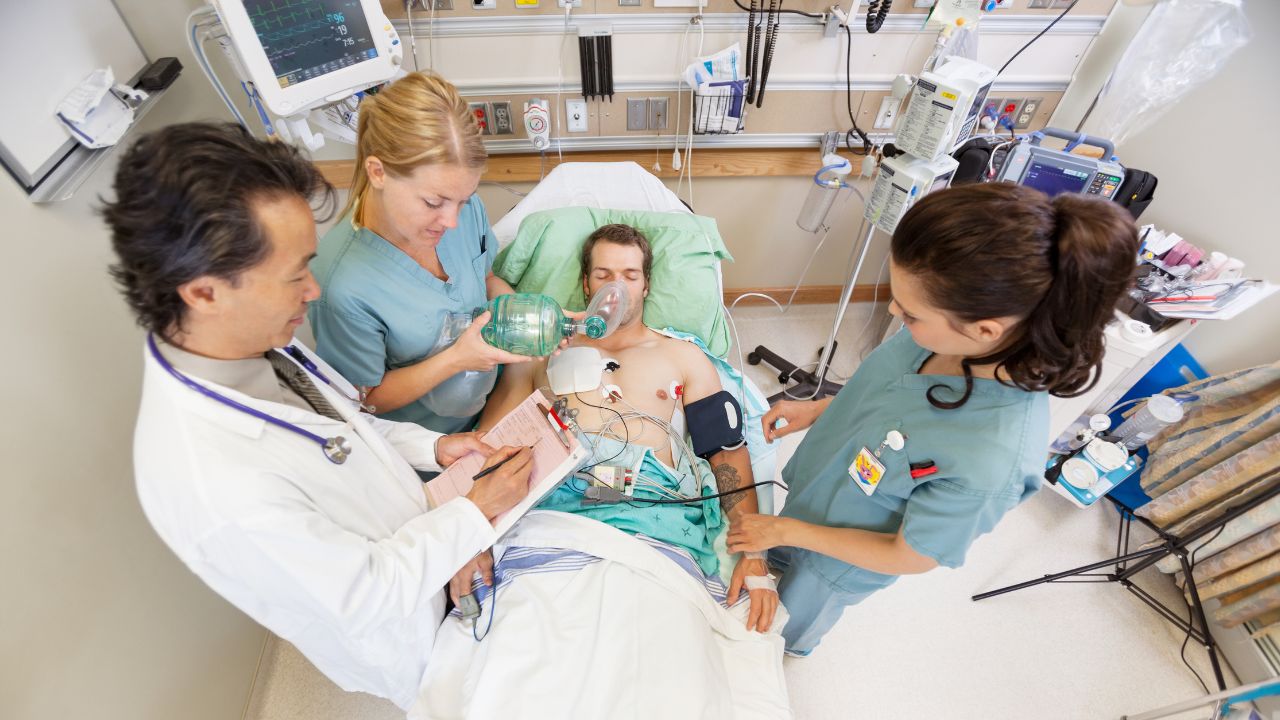
In moments of crisis, the simple act of breathing can become the central struggle of a person’s life. When lungs fail, oxygen levels drop in seconds, and every decision matters.
That is where respiratory/pulmonary critical care lives—at the intersection of high-stakes medicine, advanced technology, and unflagging teamwork—keeping patients alive when their lungs (and often other organs) are under siege.
What is respiratory/pulmonary critical care?
Respiratory/pulmonary critical care is the branch of intensive care medicine that focuses on life-threatening illnesses of the lungs and breathing. Think acute respiratory distress syndrome, severe pneumonia, asthma attacks, COPD exacerbations, pulmonary embolism, chest trauma, and complex complications after major surgery or infection.
These units deploy sophisticated monitoring and life support to stabilize gas exchange, protect and rest the lungs, and support every other organ while the body heals.
The specialty gained significant visibility during the COVID-19 pandemic, as ventilators, prone positioning, and ECMO became part of the mainstream vocabulary, showcasing how science, skill, and compassion come together to save lives.
This field is uniquely collaborative.
- Respiratory critical care specialists (pulmonologists trained in intensive care) lead medical management.
- Surgeons, emergency physicians, cardiologists, infectious disease experts, and anesthesiologists frequently join the team.
- Equally vital are critical care nurses, respiratory therapists, pharmacists, physical and occupational therapists, dietitians, and case managers who guide ICU patients from crisis through recovery.
Throughout this article, we’ll explore what these teams do, how respiratory critical care procedures work, and why the importance of pulmonary critical care is only increasing as technology and best practices evolve.
To understand outpatient and non-ICU lung care, see pulmonology. For front-door emergencies that often lead to ICU admission, see emergency medicine.
Understanding respiratory and pulmonary critical care
At its core, respiratory and pulmonary critical care manages life-threatening respiratory conditions using advanced monitoring, ventilatory support, and comprehensive care plans tailored to the whole patient.
In many settings, pulmonary and critical care training are combined, producing specialists who can treat both chronic lung disease and the acute organ failures seen in ICUs.
What is respiratory and pulmonary critical care, and how do they differ?
In everyday practice, pulmonary critical care refers to intensivists with background training in pulmonology who manage critically ill patients, not only those with lung disease but also those with multi-organ failure.
Respiratory critical care is a broader term describing the intensive management of breathing failure, whether led by pulmonologists, anesthesiologists, or other intensivists.
The overlap is extensive. Pulmonary vs. respiratory critical care is mostly a matter of training pathways and emphasis; both aim to stabilize gas exchange, treat the cause of respiratory failure, and prevent complications.
Common ICU admissions in this realm include:
- Critical care for respiratory failure due to infections (severe pneumonia, sepsis), COPD or asthma exacerbations, pulmonary embolism, trauma, or neuromuscular weakness affecting the diaphragm
- Acute respiratory distress syndrome (ARDS), a severe inflammatory lung injury characterized by low oxygen levels and stiff lungs that demand meticulous ventilator strategies
- Postoperative respiratory failure, where pain, sedation, and fluid shifts can impair breathing
- Complications of systemic disease (heart failure-related pulmonary edema, multisystem inflammatory states)
The importance of pulmonary critical care
The importance of pulmonary critical care is reflected in outcomes data: When applied early and consistently, evidence-based ventilator strategies and multidisciplinary ICU protocols reduce mortality, shorten hospital stays, and improve long-term function.
ICU teams also orchestrate prevention—avoiding ventilator-associated pneumonia, blood clots, pressure injuries, delirium, and deconditioning.
Related reads across disciplines:
- Cardiology for cardiopulmonary overlap
- Heart failure (pulmonary edema and shock at the lung-heart interface)
- Electrophysiology (arrhythmias during critical illness)
- Telemetry (monitored care units for step-down respiratory patients)
- Emergency room (ER) (triage and stabilization before ICU transfer)
- Surgical critical care for trauma and complex postoperative cases
Healthcare professionals in respiratory critical care
When a patient is struggling to breathe, a small army mobilizes. Respiratory/pulmonary critical care is delivered by an interdisciplinary team, each member bringing specialized skills.
- Respiratory critical care specialists (pulmonologists/intensivists): These physicians lead diagnosis, ventilator strategies, sedation plans, and hemodynamic support. They integrate systemic and pulmonary priorities—optimizing fluids, antibiotics, anticoagulation, and organ-protective strategies.
- Pulmonary critical care nursing: ICU nurses monitor minute-by-minute changes, manage complex infusions, adjust ventilator settings per protocols, prevent complications (falls, infections, skin breakdown), and provide continuous patient and family support.
- Respiratory therapists in critical care: RTs are the hands-on experts in ventilators and oxygen delivery. They perform airway clearance, titrate ventilator modes, assess weaning readiness, and often conduct bedside pulmonary function tests in critical care, such as spirometry or measures of negative inspiratory force in patients with neuromuscular weakness.
- Pharmacists: They tailor antimicrobial, sedation, analgesia, and anticoagulation regimens; manage drug-drug interactions; and optimize dosing in renal or hepatic dysfunction.
- Physical and occupational therapists: Early mobility reduces deconditioning and delirium, improving long-term respiratory critical care outcomes. Therapists guide safe mobilization—even while patients are on ventilators.
- Case managers and social workers: They coordinate transitions to step-down units, rehabilitation facilities, home health, and durable medical equipment for oxygen or ventilator support.
Care plans are structured around daily goals—oxygenation targets, sedation levels, nutrition, mobility, and communication with families—so that every professional’s contribution aligns with recovery milestones.
Common respiratory critical care procedures
ICU respiratory care combines time-tested techniques with cutting-edge tools. Precision matters—each intervention aims to support breathing while preventing additional lung injury.
Before exploring procedures, remember that the least invasive approach that meets the need is usually best. Teams escalate or de-escalate stepwise, guided by objective data and bedside assessment.
- Intubation and airway management: When oxygenation or ventilation fails, clinicians secure the airway with an endotracheal tube. Rapid sequence intubation techniques minimize the risk of aspiration and hemodynamic instability. After placement, teams confirm the tube position, initiate mechanical ventilation, and implement lung-protective strategies.
- Mechanical ventilation in critical care: Ventilators deliver measured breaths with controlled pressures and volumes. Lung-protective ventilation aims to achieve lower tidal volumes, thereby reducing overdistension and ventilator-induced lung injury. Modes and settings are tailored to disease patterns (e.g., ARDS vs obstructive lung disease).
- Ventilator management protocols: Evidence-based pathways standardize how teams set PEEP, FiO2, and tidal volumes, how sedation is used, and how daily spontaneous breathing trials are conducted. These ventilator management protocols reduce variability and improve outcomes.
- Bronchoscopy: Flexible bronchoscopes allow clinicians to clear mucus plugs, obtain samples for culture, and evaluate airway bleeding or obstructions. In ventilated patients, this procedure can rapidly improve oxygenation by removing secretions.
- ECMO (extracorporeal membrane oxygenation): When lungs (and sometimes the heart) cannot support life despite maximum conventional therapy, ECMO provides temporary external oxygenation and CO2 removal, allowing time for recovery. It is among the most advanced life support systems in pulmonary care.
- Tracheostomy and suctioning: For prolonged ventilation or difficult weaning, a tracheostomy can facilitate comfort, secretion clearance, and step-down to rehabilitation or home care. Meticulous suctioning and airway hygiene prevent complications.
- Pulmonary function testing: Full lab-based PFTs are uncommon in the ICU, but bedside tests—like negative inspiratory force, forced vital capacity measurements, and diaphragmatic ultrasound—support decisions about extubation readiness and neuromuscular status.
What are the most common respiratory critical care procedures in ICUs?
Day-to-day, airway management, ventilation titration, bronchoscopy, and tracheostomy care dominate. Increasingly, teams also rely on point-of-care ultrasound (lung ultrasound to assess fluid and pneumothorax) and continuous oximetry/capnography to guide therapy.
Technology is advancing quickly. AI-assisted ventilator decision support, portable oxygen delivery innovations, and secure remote monitoring are among the advancements in respiratory critical care that help tailor settings to individual physiology and reduce complications.
Managing respiratory failure and ARDS
Respiratory failure occurs when the lungs cannot adequately exchange oxygen and carbon dioxide. It is classified as:
- Hypoxemic (low oxygen, common in ARDS and pneumonia)
- Hypercapnic (high CO2 due to ventilatory failure, seen in COPD exacerbations, neuromuscular weakness)
- Mixed (both hypoxemia and hypercapnia)
In the ICU, stabilizing oxygen and carbon dioxide levels is the first step. Clinicians escalate from nasal cannula to high-flow oxygen, noninvasive ventilation, or intubation and invasive ventilation. Careful fluid management, timely administration of antibiotics (when indicated), anticoagulation (when appropriate), and hemodynamic support with vasopressors may be necessary.
Acute respiratory distress syndrome
Acute respiratory distress syndrome is a severe form of inflammatory lung injury with diffuse alveolar damage, leading to stiff lungs and profound hypoxemia. Management emphasizes:
- Lung-protective ventilation with low tidal volumes
- Adequate PEEP to maintain alveolar recruitment
- Prone positioning to improve oxygenation and reduce ventilator-induced injury
- Conservative fluid strategies
- Early identification and treatment of the underlying cause (infection, aspiration, trauma)
Pulmonary critical care guidelines synthesize these practices into standardized care bundles. They also address sedation management (lightest effective sedation), delirium prevention, thromboprophylaxis, stress ulcer prevention, and early mobilization—protocols that collectively improve survival and reduce complications.
COVID-19 and respiratory critical care reshaped this field’s playbook.
The pandemic increased the need for isolation, expanded ventilator and ECMO capacity, and accelerated research into strategies like awake proning and steroid use in certain patient populations. It also underscored the toll of prolonged ventilation and the importance of coordinated rehabilitation to restore strength, pulmonary function, and mental health after ICU discharge.
Pulmonary critical care fellowship and career pathways
What career training is needed to specialize in pulmonary critical care?
For physicians, the path typically includes internal medicine residency followed by a combined pulmonary and critical care medicine fellowship (often three years), which teaches diagnostic bronchoscopy, ventilator management, ARDS strategies, ECMO fundamentals, procedural skills (central lines, chest tubes), and leadership in multidisciplinary care.
A pulmonary critical care fellowship often includes research opportunities in ARDS, sepsis, ventilator weaning, and outcomes science.
Nurses pursue critical care certifications after foundational RN training, gaining expertise in ventilators, sedation, hemodynamics, and pulmonary critical care nursing leadership.
Respiratory therapists complete specialized programs and credentialing, with ICU-focused competencies in advanced ventilator modes, airway management, and respiratory mechanics.
Beyond technical mastery, this field rewards communication, compassion, resilience, and teamwork. Families are part of the care unit; difficult conversations about goals of care, expectations, and recovery trajectories are integral to respectful, patient-centered medicine.
Chronic vs. acute respiratory critical care
What’s the difference between acute and chronic respiratory care management?
Acute care focuses on life-saving support during crises—intubation, ventilation, hemodynamic stabilization, and rapid reversal of the underlying cause.
Chronic pulmonary critical care describes the long tail of illness for patients who require prolonged support or have severe baseline lung disease (like advanced COPD, pulmonary fibrosis, neuromuscular disorders, or severe kyphoscoliosis).
Key differences between acute and chronic respiratory care include:
- Goals: Acute care aims to stabilize and wean support rapidly; chronic care targets long-term function, symptom control, and quality of life.
- Settings: Acute interventions occur in ICUs; chronic pulmonary critical care may unfold in long-term acute care hospitals, rehabilitation units, or home programs with noninvasive ventilation or tracheostomy care.
- Monitoring: Acute management relies on real-time data and frequent adjustments; chronic care emphasizes scheduled assessments, pulmonary rehab, nutrition, and vaccination (to prevent exacerbations).
- Team focus: Both settings are multidisciplinary, but chronic care includes more outpatient coordination and caregiver training.
Strategies for long-term support include pulmonary rehabilitation to build endurance, airway clearance techniques for bronchiectasis, home bilevel ventilation for select hypercapnic COPD patients, and oxygen therapy for chronic hypoxemia.
Measured thoughtfully, these approaches improve long-term respiratory critical care outcomes—reducing hospitalizations, maintaining independence, and elevating quality of life.
Respiratory care management in the ICU
Day-to-day respiratory care management in the ICU blends vigilance with proactive planning.
Ventilators are titrated to maintain oxygen and carbon dioxide goals while minimizing pressure and volume trauma. Sedation is kept as light as possible to allow spontaneous breathing and early mobilization, balanced carefully to ensure comfort and safety.
Daily practices include:
- Ventilator setting review: Tidal volume, respiratory rate, PEEP, FiO2, and mode selection (volume vs. pressure targets) are adjusted based on blood gases, chest imaging, and bedside lung mechanics.
- Readiness assessments: Teams conduct spontaneous breathing trials to test if ventilatory support can be reduced, progressing toward extubation or tracheostomy decannulation.
- Secretion management: Chest physiotherapy, bronchodilators, humidification, and bronchoscopy (as needed) help maintain airway patency.
- Sedation and analgesia: Protocols minimize delirium and facilitate interaction, using validated scoring systems to strike the right balance between comfort and wakefulness.
- Prevention bundles: Early mobility, oral hygiene, head-of-bed elevation, DVT prophylaxis, and ulcer prevention reduce complications.
How are mechanical ventilation and ventilator protocols managed in the ICU?
Many units use structured ventilator management protocols with decision trees for ARDS, COPD, or neuromuscular weakness. These pathways standardize best practice while allowing clinician judgment for individual nuance.
Digital dashboards now aggregate ventilator data, oxygenation metrics, hemodynamics, and lab trends into a single view, supporting rapid identification of deterioration. These tools, combined with bedside expertise, translate to fewer days on the ventilator, fewer complications, and smoother transitions to recovery.
Future directions and technological advancements
What advancements are being made in respiratory critical care technology? The pipeline is rich and promising.
- Smarter ventilators: Machine-learning systems that recommend personalized settings based on continuous respiratory mechanics and gas exchange; automated weaning protocols that adjust support to the patient’s real-time effort; waveform-based detection of patient-ventilator dyssynchrony with feedback
- Regenerative lung therapies: Trials exploring lung bioengineering, mesenchymal cell therapies, and biomarkers that predict recovery potential or ventilator dependence
- 3D printing for airway repair: Custom stents and scaffolds to support malacic airways or complex tracheal lesions, potentially reducing the need for repeated surgeries
- Tele-ICU and virtual respiratory monitoring: Remote intensivist and RT coverage for rural and resource-limited hospitals expands access to expert protocols and reduces variability
- Imaging and bedside monitoring: Advanced lung ultrasound protocols and electrical impedance tomography to map ventilation distribution noninvasively at the bedside
- Safer life support systems in pulmonary care: Portable ECMO refinements, anticoagulation strategies that reduce bleeding, and device designs that improve biocompatibility and patient mobility
These innovations tie directly to patient-centered goals: fewer ventilator days, fewer ICU complications, and better trajectories long after discharge.
They also reinforce the role of continuous learning and data sharing across ICUs worldwide, including partnerships with cardiology, heart failure (pulmonary edema risk), and electrophysiology (arrhythmia monitoring during critical illness).
The human element of pulmonary critical care
Beyond the machines and metrics, respiratory/pulmonary critical care is fundamentally human.
Breathing is primal; losing it is terrifying. The importance of pulmonary critical care resides in turning that terror into a plan—one that calms panic with oxygen, counters inflammation with protective ventilation, and walks patients back toward independence with rehabilitation and unrelenting support.
The ICU is an arena of both technology and tenderness.
Clinicians hold a patient’s hand as an endotracheal tube is placed, celebrate the first words spoken after extubation, and share tears when families hear their loved one’s voice again. Every day demands expertise and empathy, precise protocols and flexibility, evidence and intuition. The aim is not only survival but the best possible life after critical illness—less fear of breathlessness, more strength, better sleep, and the return of ordinary joys that once seemed distant.
In sum, respiratory/pulmonary critical care is where science, systems, and steadfastness meet to restore the most fundamental human act: breathing.
From meticulous ventilator adjustments to the quiet encouragement at a bedside, this specialty blends high-tech precision with deep humanity—saving lives today and shaping stronger recoveries for tomorrow.
Want to continue learning? Read up on evidence-based practices in healthcare.


