

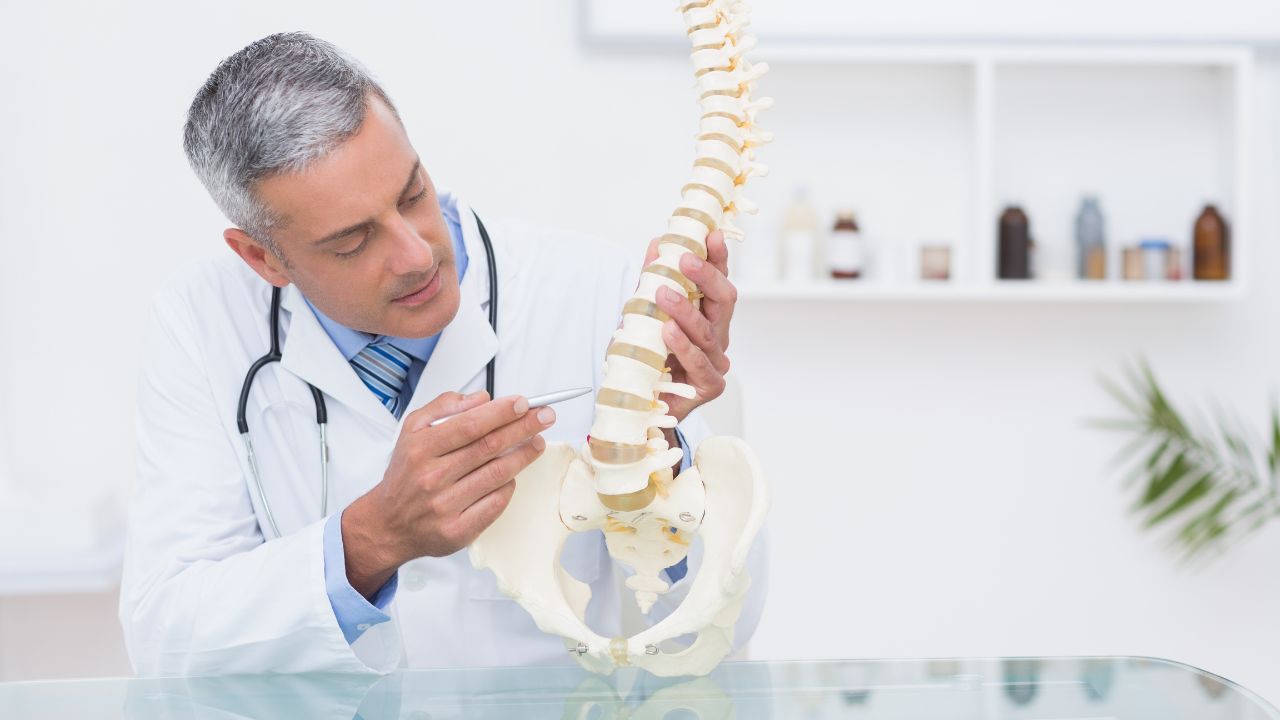
Spine surgery addresses structural problems in the neck and back when pain or weakness limits life and conservative care no longer helps. Clinicians and patients weigh different spine surgery procedures alongside imaging and symptom patterns to match the right intervention with the right person.
Spine surgery: Options, recovery, and outcomes
In many cases, spine surgery is considered after targeted therapy fails to control symptoms or when function declines rapidly, especially with nerve compression.
The goal is to break the cycle of spine surgery and back pain by fixing the source of nerve or mechanical irritation and protecting long-term function.
Common types of spine surgeries
Spine operations vary from decompressive procedures that free nerves to reconstructive surgeries that correct alignment and stabilize motion segments.
The technique chosen reflects the diagnosis, anatomy, and treatment goals.
Spinal fusion and stabilization
Surgeons consider spinal fusion surgery when a painful motion segment needs to be stabilized to relieve mechanical pain or maintain alignment after decompression.
Step by step, the surgical team:
- Prepares the bone surfaces
- Places graft or interbody devices to promote bone growth
- Secures instrumentation to hold the spine steady during healing
The approach can be from the front, side, or back, depending on the level, alignment, and the structures that need access.
Fusion trades pathological motion for stability, which can reduce pain and protect nerves, yet it shifts load to adjacent segments over time. This load shift requires monitoring for stress on adjacent segments.
Targeting the neck
Cervical spine surgery for herniated discs or stenosis in the neck, causing arm pain, numbness, or weakness. A common path involves removing the offending disc and decompressing the nerve or spinal cord, followed by fusion or disc replacement to maintain alignment and height.
Surgeons weigh the benefits of motion preservation against the predictability of fusion based on age, levels involved, and facet joint status.
Because the spinal cord and key vessels lie near the operative field, planning and precision matter, and intraoperative monitoring helps teams to react to changes quickly.
Correcting curves
When curves progress or cause pain and pulmonary or neurological issues, surgeons consider spine surgery for scoliosis that realigns the spine and balances the body. The process includes preoperative planning with standing radiographs to map the deformity, followed by controlled correction using rods, screws, and osteotomies if needed.
Teams aim to achieve harmony between the head, trunk, and pelvis while protecting nerves with continuous monitoring.
Scoliosis surgery is a measured correction, not a chase for perfect alignment, and it requires careful planning to match correction with the patient’s health and goals.
Laser spine surgery
Laser spine surgery uses concentrated laser light to ablate or shrink small amounts of disc or soft tissue through tiny portals, aiming to decompress a nerve root with minimal disruption. In carefully selected cases—such as contained disc protrusions or scar tissue contacting a nerve—surgeons use imaging guidance to target tissue precisely and confirm results in real time.
It is not suited for large herniations, significant instability, or bony stenosis, and many teams employ it as an adjunct to endoscopic decompression rather than a standalone fix.
Which type of spine surgery is best for different spinal conditions?
The best operation is the one that addresses the exact cause of symptoms with the least collateral tissue disruption and the highest likelihood of durable relief.
Summary of types of surgery and causes of symptoms
Innovations and techniques
Modern techniques focus on precision, smaller exposures, and more competent guidance so that less tissue is disrupted and healing can proceed more smoothly. Teams combine imaging, navigation, and streamlined tools to reach targets accurately while protecting nerves, vessels, and muscles.
AI-driven virtual and augmented reality systems enhance screw placement accuracy and cut radiation exposure by up to 90%, enhancing workflow and safety. Real-time AI decision support reduces operative time and postoperative risks, while postoperative AI aids mortality risk assessment and discharge planning with high predictive accuracy for complications and longer stays.
Minimally invasive methods
Minimally invasive spine surgery uses tubular retractors, endoscopes, and targeted approaches to reach the spine through small incisions.
The sequence begins with careful imaging and planning, followed by muscle-splitting access that preserves attachments and reduces blood loss. Surgeons then complete decompressions or fusions using specialized instruments and intraoperative imaging to confirm placement.
Robotics and navigation
Robotic spine surgery combines preoperative imaging with intraoperative registration to guide screw placement and trajectory planning. The surgeon creates a plan on a workstation, positions the robotic arm to the exact path, and then executes the placement while confirming accuracy with imaging. Navigation extends this precision by showing real-time instrument position relative to patient anatomy.
Robotics and navigation are force multipliers for precision, not replacements for surgical judgment.
Laser-assisted techniques and real-time imaging guidance
Laser-assisted techniques use controlled energy to ablate tissue or shrink disc material under strict parameters. Real-time imaging-guided techniques, including fluoroscopy, CT navigation, and ultrasound in select contexts, help teams see anatomy and implants as they work and respond quickly to variation in patient anatomy.
Preparing for spine surgery
Preparation is a team effort that aligns medical readiness, mental resilience, and logistics to support a safe operation and smooth recovery. Clear information and coordinated support reduce anxiety and build trust.
Physical preparation
- Clinicians start by optimizing health conditions like blood pressure, diabetes control, and smoking cessation, which influence wound healing and infection risk.
- Targeted prehabilitation builds core and hip strength, improves flexibility, and trains safe movement patterns for transfers and gait after surgery.
- Diet planning ensures adequate protein, vitamins, and hydration to support tissue repair, while medication reviews catch drugs that increase bleeding or interact with anesthesia.
- Patients who train for their recovery often move earlier and with more confidence, which can reduce complications and shorten stays.
Pre-op testing and logistics
Preparing for spine surgery includes lab tests, imaging, and anesthesia assessments that confirm readiness and identify risks to address beforehand. Teams also verify home support, equipment needs, and transportation for the day of surgery and the first follow-up visit.
For patients comparing options, the best hospitals for spine surgery often demonstrate high case volumes, standardized care pathways, and access to advanced imaging and ICU support.
Surgeons and financial counselors explain variables that influence spine surgery cost, such as facility type, implants, length of stay, and insurance coverage.
Mental readiness and care coordination
Understanding the surgical plan and the recovery timeline reduces fear and improves adherence to milestones like walking, therapy, and wound care.
Setting realistic expectations about pain control, fatigue, and temporary activity limits prepares patients and families for the work of healing.
Recovery, rehabilitation, and outcomes
Healing proceeds in phases, beginning with pain control and mobilization in the hospital and moving toward strength, endurance, and return to activities at home. Each step is timed to protect the repair while reintroducing motion and load to stimulate recovery.
A structured early timeline balances protection with gradual activity to support safe discharge and steady gains.
Immediately after surgery
- Monitor vitals, neurologic function, and pain control
- Encourage deep breathing, ankle pumps, and early mobility
Timeline to mobilize and discharge
- Spine surgery recovery time varies by procedure and overall health
- Many patients begin walking within 24 hours
- Discharge when pain is controlled and safe movement/transfer is demonstrated
Discharge instructions
- Wound care: Keep dressing as directed and watch for changes
- Medications: Follow dosing schedule
- Activity limits: Avoid bending, lifting, and twisting as advised
- Warning signs: Fever, increasing drainage, severe new pain, calf swelling, or shortness of breath
Follow-up care
- Check the incision
- Review symptoms
- Adjust therapy and activity plans to keep progress steady.
Therapy and milestones
Spine surgery rehabilitation focuses on posture, core stability, hip mobility, and gait mechanics to reduce strain on healing tissues.
Early goals include walking short distances, learning log-rolling, and safely getting in and out of bed or chairs without twisting. As pain subsides, therapists progress to developing muscle endurance, balance, and technique for lifting and daily tasks that keep the spine in a neutral position.
Return to life and work
Patients and care teams set goals for driving, desk work, lifting restrictions, and sports based on the procedure and healing progress. Spine surgery outcomes are tracked with pain scores, walking tolerance, return-to-work timing, and satisfaction with daily activities.
By aligning milestones with healing biology, patients return to normal routines in a safe, staged way.
Risks, complications, and alternatives
Every operation entails risk, and knowing the range helps teams prepare and respond quickly. Thorough planning, skilled execution, and early mobilization lower many risks, but no operation is risk-free.
Known surgical risks
Spine surgery risks include the following.
- Infection
- Bleeding
- Blood clots
- Nerve injury
- Hardware issues
- Anesthesia reactions.
Surgeons mitigate these risks through sterile technique, antibiotics, careful dissection, and monitoring of neural structures during the case.
Patients lower risk by stopping smoking, managing diabetes, moving as indicated after surgery, and following instructions about medications and compression devices.
Managing complications
Transparent planning and close follow-up allow many complications to be resolved without lasting harm. Proactive management and early action turn setbacks into solvable issues.
Possible complications of spine surgery
- Delayed wound healing
- Hardware loosening
- Nonunion after fusion
- Persistent pain when symptoms have multiple sources
How teams respond
- Assess: Review symptoms, perform focused exams, and order imaging or labs to verify the cause.
- Treat conservatively: Adjust medications, start or modify physical therapy, and consider targeted injections.
- Reassess progress: Monitor response and refine the plan based on findings.
- Escalate if needed: Plan revision surgery when a persistent structural problem is confirmed.
Considering non-surgical care
When should spine surgery be considered versus non-surgical options?
Surgery is considered when a clear structural cause correlates with symptoms, conservative care fails, or neurological deficits progress in a way that threatens permanent loss.
For many patients, non-operative options reduce pain and support function without the risks of an operation. Non-surgical alternatives to spine surgery include:
- Structured physical therapy
- Targeted injections
- Nerve blocks
- Radiofrequency ablation
- Medications
- Cognitive behavioral strategies that address fear-avoidance
- Lifestyle adjustments, such as ergonomics and weight management to reduce load on the spine.
Non-surgical care does not preclude future surgery, and it often clarifies which structure is the true source of pain.
Healthcare professionals involved in spine surgery
Successful care depends on a team, including nurses, surgeons, and technicians, that plans together, communicates during surgery, and coordinates recovery after discharge. Each role supports safety, comfort, and progression toward goals.
Surgeons and anesthesiologists
Orthopedic spine surgeons and neurosurgeons evaluate imaging, correlate symptoms, and perform corrective procedures that decompress nerves and stabilize the spine. They choose approaches, select implants, and oversee postoperative plans that balance protection and mobilization.
Anesthesiologists, including MDs and nurse anesthetists manage airway, hemodynamics, and pain control during surgery and guide early recovery with multimodal analgesia that reduces opioid requirements.
Surgical leadership paired with attentive anesthesia care anchors safety and precision.
Nurses and intraoperative roles
Surgical nurses coordinate equipment, implants, and sterile technique, while circulating nurses keep the room organized and the patient safe under positioning demands. Postoperative telemetry nursing monitors patients’ vital signs and cardiac neurologic status, ensuring safe recovery after surgery.
Scrub techs and assistants pass instruments, manage retraction, and maintain efficiency. Post-anesthesia care unit nurses monitor pain, vitals, and neurologic status and coach early breathing and mobilization.
Rehabilitation and pain specialists
Physical therapists assess mobility, train safe transfers, and build progressive exercise plans that protect the repair while restoring strength and endurance.
Specialists and rehabilitation nurses coordinate complex recoveries, especially after deformity correction or multi-level fusion, aligning goals across inpatient and outpatient settings.
Pain management physicians tailor medications, injections, and nerve-targeted therapies when pain lingers or complicates rehabilitation.
Working in concert, these professionals help patients rebuild movement patterns that last, turning surgical change into daily function.
Finding the right experts
Patients often ask: “How can I find spine surgery specialists near me?”
Primary care clinicians and therapists can help locate teams with the expertise and resources to handle the specific condition. The clinicians interpret options and match patients to surgeons who treat similar cases regularly.
Hospital websites and patient reviews provide insight, but referrals and case volume are strong indicators of experience and expertise.
Access to the right team shortens the path from diagnosis to effective treatment.
Evaluating surgical success and long-term health
Measuring results requires more than a single checkup; it is an ongoing process that tracks function, comfort, and radiographic findings over time.
Measuring function and pain
Clinicians use both objective and subjective data, such as pain scales, disability indexes, and walking or endurance tests, to see how daily life changes after surgery.
Range of motion, nerve strength, and sensation are checked against preoperative baselines to track improvement or identify concerns. Work status, sleep quality, and the ability to perform household tasks round out the picture of recovery.
Imaging and follow-up
Postoperative imaging confirms hardware placement, decompression, and bony healing when clinically indicated. X-rays track alignment and fusion progress, while CT or MRI may be used if symptoms recur or change.
Surgeons schedule visits at key milestones to adjust activity restrictions, progress therapy, and respond to any new issues.
Long-term spine care
Healthy habits support the durability of surgical results by reducing mechanical stress and improving muscle balance. Patients learn spine-sparing techniques for lifting, sitting, and standing, and they build strength in the hips and core to protect the back.
Spine surgery: an evolving field that changes lives
Spine surgery is a collaborative effort that pairs precise techniques with thoughtful preparation, coordinated recovery, and clear measures of success.
Modern approaches, from minimally invasive access to AI, robotics, and imaging guidance, are improving precision while protecting muscle and soft tissue. Risks are real, but they can be managed through planning, skilled execution, and prompt attention to warning signs.
When conservative care is insufficient and diagnosis is precise, surgery can relieve pressure, restore stability, and set the stage for improved function and comfort.


