

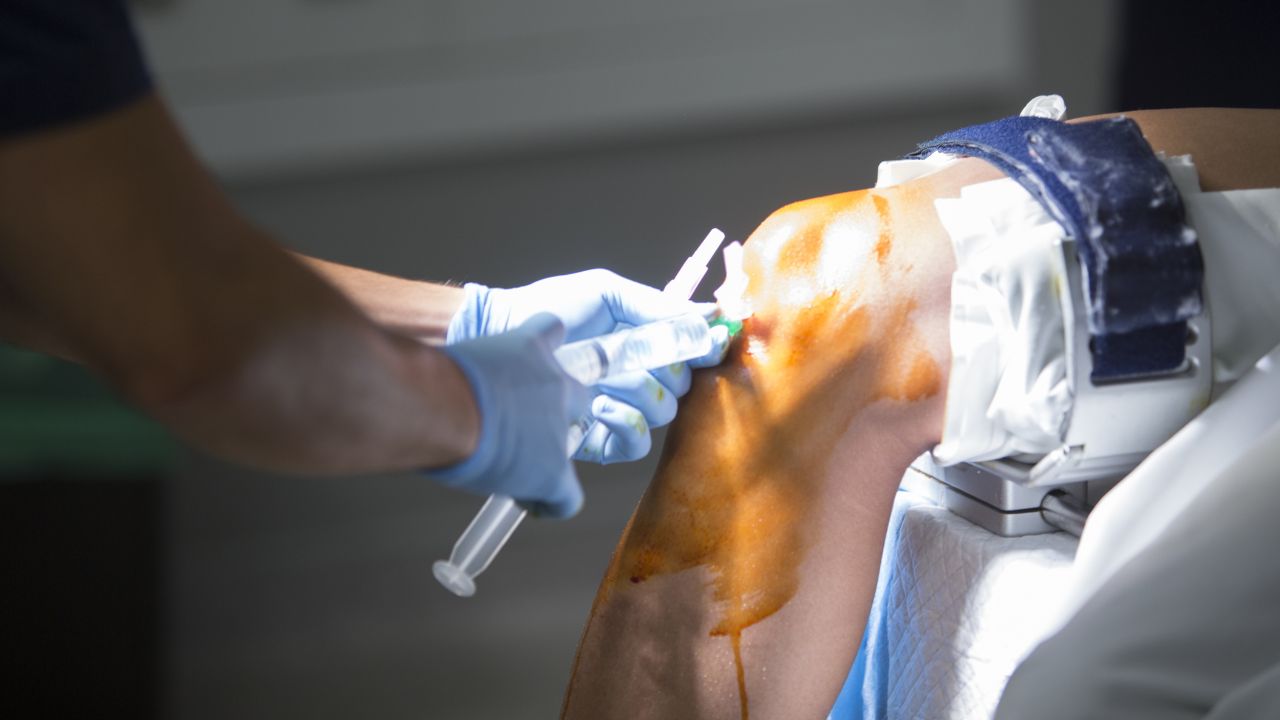
Regaining the ability to move, play with grandchildren, or simply walk without pain represents a transformation for individuals who undergo orthopedic surgery.
In clinics, hospitals, and outpatient centers, this specialty is fundamental to restoring physical capabilities and independence when musculoskeletal health falters. Orthopedic surgery focuses on conditions affecting bones, joints, muscles, ligaments, tendons, and nerves—the structures that give the body form and movement.
The ultimate goal of orthopedic surgery is to restore function, stability, and mobility, while managing pain and correcting deformities. The scope within this field is broad, ranging from repairing bones shattered in trauma to total joint replacements that alleviate years of arthritis pain. As technology advances, procedures become safer and recovery more predictable, making movement possible for millions after injury or degeneration.
This guide explains major procedure types, surgical techniques, patient care standards, post-surgical recovery steps, and innovations that shape the specialty. Whether you are a healthcare professional, patient, or family member, knowledge empowers better decisions and outcomes in orthopedic care.
Understanding orthopedic surgery
Orthopedic surgery represents one of the most dynamic areas in medicine. Its foundation rests on collaborative care—surgeons, nurses, physical therapists, and rehabilitation experts work closely together to support each patient’s recovery.
Scope and conditions treated
Musculoskeletal surgery addresses injuries, congenital conditions, and degenerative diseases of the musculoskeletal system. Orthopedic surgeons manage:
- Fractures (broken bones)
- Joint destruction (from arthritis or injury)
- Sports injuries (ligament, tendon, cartilage tears)
- Spinal deformities (scoliosis, herniated discs)
- Bone and joint tumors
- Growth disorders in children
Orthopedic surgery is broadly categorized as either elective (planned procedures, such as joint replacements and tendon repairs) or emergency (orthopedic trauma surgery following accidents).
Diagnosis and surgical planning
Diagnosis often begins with imaging, as X-rays, MRI, and CT scans, which provide detailed information on bones and soft tissue. Surgeons then determine the type of orthopedic surgery and plan reconstructive or fixation procedures, aiming for optimal alignment, repair, and function with the least risk of complications.
Major types of orthopedic procedures
Orthopedic surgery includes a wide spectrum of subspecialties and procedures. Below is a categorized view of major types, their descriptions, and common uses:
Procedure selection and trends
The choice of orthopedic surgical technique depends on factors such as the specific injury, patient age, medical history, and expected lifestyle.
For example, older adults with arthritis may benefit from joint replacement, while an athlete with a torn ligament may undergo arthroscopic repair. Innovations such as robotic-assisted surgery and 3D imaging are reshaping the field by enhancing surgical precision and personalizing patient care.
Common orthopedic surgeries
Some procedures are especially common and life-changing:
Knee replacement surgery
Orthopedic surgeons use total knee arthroplasty (TKA) to replace worn or damaged knee surfaces with metal and plastic implants. This restores alignment, relieves pain, and enables improved mobility for those with severe arthritis or trauma.
Hip replacement surgery
During total hip arthroplasty (THA), surgeons replace the deteriorated femoral head and socket with biomaterial implants. Patients may recover near-normal function, often returning to walking without pain.
Shoulder surgery procedures
Shoulder repairs frequently involve minimally invasive arthroscopy. Rotator cuff repairs and reverse shoulder replacements help restore the strength and range of motion lost due to injury or the natural aging process.
Spinal fusion and orthopedic spine surgery
Spinal fusion stabilizes the vertebrae, correcting deformity or nerve injury. Newer methods include disc replacements and minimally invasive approaches, which facilitate faster healing.
Hand and wrist surgery
Procedures such as carpal tunnel release, tendon repairs, and small joint fusions help restore fine motor function and relieve pain.
Joint reconstruction surgery
Complex fractures or joint injuries often require reconstructive efforts to rebuild bone and cartilage structure, aiming to maximize long-term function.
These procedures often involve sophisticated imaging and precision-guided technologies, improving safety and accuracy.
Tools and techniques in modern orthopedics
Rapid technological advances underpin modern orthopedic surgery. Surgeons select from a toolbox that includes classic and cutting-edge approaches:
Main surgical techniques
- Open surgery: Direct visualization and hands-on repair through appropriately sized incisions.
- Arthroscopic surgery: Small cameras and instruments are inserted through narrow portals, allowing for ligament and cartilage repairs via a minimally invasive approach.
- Computer-assisted and robotic surgery: Real-time imaging and robotic arms enhance surgical accuracy for implant placement and tissue repair.
Key surgical instruments
- Bone saws and powered drills for cutting and shaping bone
- Retractors to protect soft tissue
- Plates, pins, nails, and screws for internal fixation
- Prosthetic implants for joint surfaces
- Biologic scaffolds when tissue engineering is utilized
Bioengineering continues to introduce custom joint implants and novel tissue regrowth supports into clinical practice.
Learn more about the specific role of nurses in surgical settings.
Minimally invasive focus
Minimally invasive orthopedic surgery stands out for its reduction in incision size, blood loss, infection risk, scarring, and postoperative pain. It supports shorter hospital stays and speeds recovery, especially important for active adults and older patients.
Specialized and innovative orthopedic care
Orthopedic surgery continues evolving, fueled by evidence-based practice and technology:
Spine surgery innovations
Orthopedic spine surgery includes procedures like artificial disc replacement, spinal cord decompression, and 3D mapping for surgical navigation. Such advancements decrease the risk of nerve injury and restore movement to individuals with complex spinal diseases.
Pediatric orthopedic advancements
Children benefit from specialized treatments for congenital hip dysplasia, scoliosis, and limb deformities. Growth modulation rods and guided growth plates enable corrections while bones mature, minimizing long-term impact.
Sports injury surgery
Regenerative medicine, including platelet-rich plasma (PRP) and stem cell injections, sometimes complements surgical repairs for athletes and active patients.
Joint reconstruction and replacement
Hybrid materials and custom 3D models allow for more natural joint replacements that outlast older generations of implants.
Total joint replacement updates
Materials are now lighter and harder, reducing implant wear and the need for revision surgery. Robotic guidance enables the alignment of components with exceptional accuracy.
Recovery and postoperative management
Orthopedic surgery recovery is as critical as the procedure itself. A multidisciplinary team, including rehabilitation nurses, physical therapists, and pain management specialists, guides each step of recovery.
Immediate postoperative stage
- Observation in the post-anesthesia care unit (PACU)
- Monitoring for bleeding, infection, or neurovascular compromise
- Initiation of pain management after orthopedic surgery (both pharmacologic and non-opioid)
Early mobilization
- Physical therapy often begins within 24 hours of large joint replacements
- Emphasis on mobility and ambulation
- Nurses and therapists assess wound, joint function, and neurovascular status
Home-based recovery
- Discharge planning supports safe transition
- Wound checks and home exercise
- Education on preventing orthopedic surgical site infection and DVT
Long-term function restoration
- Outpatient rehabilitation.
- Periodic imaging and surgeon follow-up
- Adjustment of activity as a function returns
Recovery times
- Knee replacement: Most walk with support in 1–2 days; full function returns over 3–6 months.
- Hip replacement: Early walking within days; near-normal function achieved in 6–12 weeks.
Patient engagement in physical therapy and compliance with medication and wound care are essential for the best outcomes.
Early detection of complications, such as infection or implant problems, hinges on diligent nursing assessment and scheduled visits.
Risks, complications, and surgeon expertise
All surgeries carry risks, and transparency guides informed orthopedic care.
Primary orthopedic surgery risks
- Infection: Surgical site infection can occur despite sterile efforts, especially with prosthetic implants.
- Implant complications: Loosening, wear, or mechanical failure may require revision.
- Nerve or blood vessel injury: Rare, but serious when it occurs.
- Blood clots (DVT/PE): Major joint surgeries increase the risk of blood clots, requiring preventive measures.
- Chronic pain or stiffness: Persistent issues may result from scarring or poor healing.
Reducing complications
Advances in surgical technique, imaging, and perioperative care, such as preoperative optimization, have improved safety. Prevention protocols for infection, early mobilization to lower clot risk, and precise neurovascular monitoring are standard.
The best orthopedic surgeons prioritize communication—answering patient questions, discussing options thoroughly, and ensuring shared decision-making.
The human impact of orthopedic surgery
Beyond the technical details, the core of orthopedic care focuses on restoring independence and dignity. The stories are profound: a grandmother climbing stairs after a hip replacement, an athlete returning to the field post-ACL repair, or a young child walking evenly after limb correction.
Teamwork behind recovery
Success requires coordinated care:
- Orthopedic surgical nurses prepare and monitor patients, ensuring safe transitions between the operating room (OR), PACU, and the ward.
- Physical therapists and rehabilitation nurses play a crucial role in promoting early movement and strength recovery.
- Nurses track pain, prevent complications, and educate on mobility strategies—often initiating nurse-led protocols for DVT prevention and infection monitoring.
Lifelong orthopedic care
Modern musculoskeletal care extends well past surgery. Long-term management for osteoporosis, arthritis, or past orthopedic trauma aims to maintain joint health and function. Prevention, patient education, and collaboration with physical therapy specialists enable lasting results.
Orthopedic teams remain committed to their mission: advancing care so that each patient’s best possible mobility becomes reality—no matter their starting point.
Not all orthopedic treatment means surgery. Learn about the broad field of orthopedics.


