

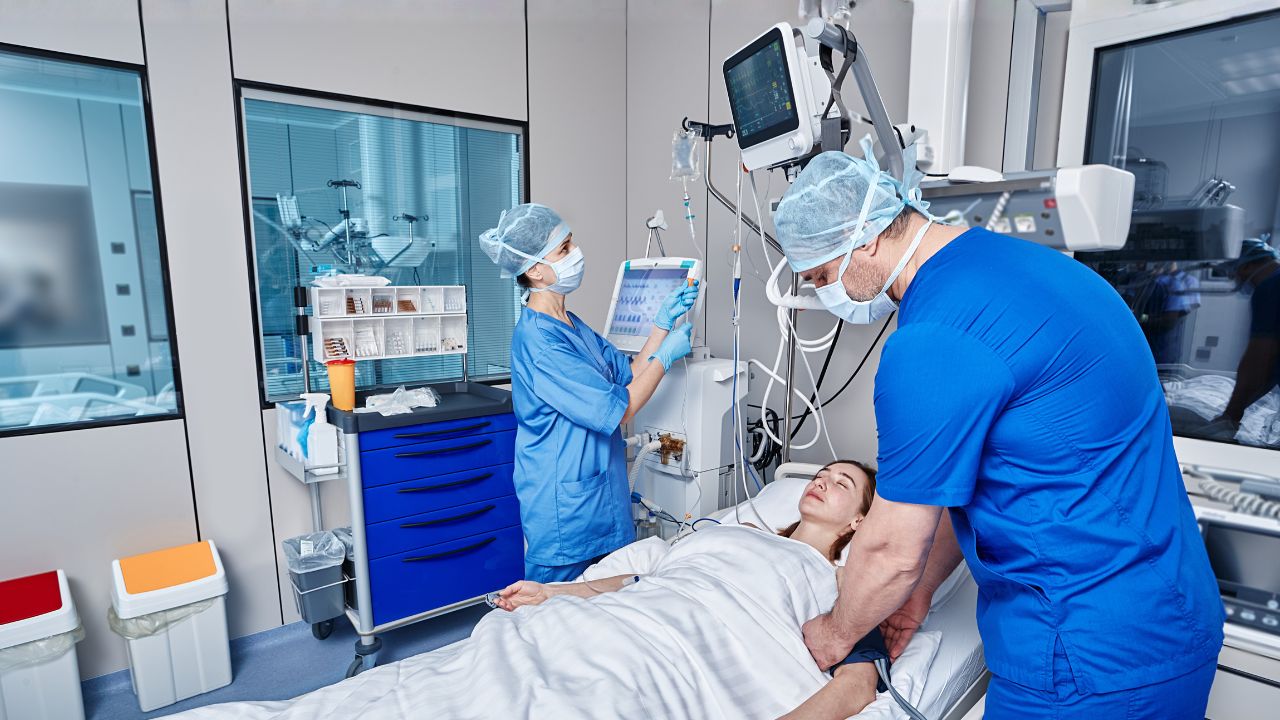
In the realm of modern medicine, the intensive care unit (ICU) serves as a crucial haven for transplant patients, offering specialized care that is vital to the journey of recovery.
As newly transplanted organs begin their integration into the human body, a dedicated team of healthcare professionals works tirelessly to ensure each patient not only survives but thrives.
From meticulous monitoring of vital signs to the management of complex medical protocols, this article delves into the pivotal role of transplant critical care. It highlights the teamwork, technology, and compassion that enable patients to transition from the operating room to a hopeful future, demonstrating that every heartbeat in the ICU tells a remarkable story of resilience and renewal.
Transplant recovery: The ICU’s vital role
A few hours after a transplant surgery, a patient lies in the Intensive Care Unit, surrounded by monitors, ventilators, and the quiet hum of machines. A new heart begins to beat inside their chest, or a new liver starts to process blood for the very first time. In those fragile, miraculous moments, transplant critical care becomes the bridge between the operating room and recovery—the space where modern medicine safeguards a second chance at life.
Transplant critical care is a highly specialized field that unites transplant surgery with intensive care medicine. It focuses on supporting patients immediately after organ transplantation, stabilizing them as their bodies adapt to the new organ, and addressing the complex physiological challenges that follow. Within this specialized ICU environment, every heartbeat, breath, and lab result tells part of a delicate story that blends:
- Surgical precision
- Critical monitoring
- Human compassion
The transplant intensive care unit serves as a vital transition point where patients emerge from the operating room and begin their path toward long-term survival. Here, within the first hours and days after surgery, clinicians must balance:
- Organ perfusion
- Immune suppression
- Infection control
- Emotional support
Throughout this article, we’ll explore the inner workings of organ transplant critical care, from the dedicated professionals who staff these units to the advanced monitoring systems and evolving technologies shaping patient outcomes. Above all, this is a story of teamwork, innovation, and the profound resilience that defines recovery after transplantation.
What is transplant critical care?
At its core, transplant critical care is the intensive medical management of both organ transplant recipients and, in some cases, organ donors within a critical care setting. It’s where the science of transplantation meets the art of medical critical care—an arena where precise timing, vigilant observation, and interdisciplinary collaboration determine whether a transplanted organ will thrive.
This specialty’s purpose is straightforward yet immensely complex: to stabilize organ function, prevent rejection, and manage postoperative complications in transplant patients. The field encompasses:
- Organ transplant critical care: Focuses on immediate post-surgical recovery
- Critical care for organ donors: Maintains organ viability prior to transplantation
These two sides of care, though distinct, share a common mission—ensuring that every viable organ can sustain life in its new recipient.
Transplant critical care integrates expertise from anesthesiology, surgery, cardiology, pulmonology, nephrology, and infectious disease. Each discipline contributes to the comprehensive management of patients whose immune systems, hemodynamics, and organ systems are in constant flux.
In an intensive care unit for transplant patients, clinicians continuously monitor vital parameters like cardiac output, blood pressure, oxygenation, urine output, and biochemical markers of organ function. They also anticipate and respond to potential complications, including graft dysfunction, sepsis, or acute rejection.
Unlike general ICUs, the transplant ICU is built around specialized workflows and protocols unique to each organ system.
For example, renal replacement therapy for kidney transplants, ventilator strategies for lung recipients, or inotropic support for heart transplant patients. The goal is to maintain a stable internal environment where the newly transplanted organ can integrate successfully into its host.
Ultimately, transplant critical care represents the critical link between the operating table and long-term recovery. It’s a high-stakes environment where success depends on meticulous care, technological precision, and human vigilance.
The transplant critical care team
Transplant critical care thrives on collaboration. Every patient’s recovery depends on the synchronized efforts of clinicians with distinct expertise, united by a single purpose: preserving the function of a newly transplanted organ while supporting the patient as a whole.
Below is an overview of the professionals who make up a transplant critical care team, along with their roles in this intricate process.
Within the transplant ICU, communication is everything. A single miscommunication can alter patient outcomes, while effective teamwork fosters stability and progress. Daily multidisciplinary rounds ensure that every aspect of care—from ventilator settings to medication adjustments—is reviewed collaboratively.
The emotional dimension of this teamwork is equally powerful. Nurses and physicians not only manage vital signs but also provide comfort and reassurance to patients and families navigating uncertainty. The ICU becomes a living example of ICU care for transplant recipients—where science, empathy, and coordination combine to sustain life at its most vulnerable stage.
Inside the transplant ICU: Procedures and protocols
Behind every successful transplant is an intricate web of ICU protocols designed to protect both patient and graft. The transplant ICU is a highly structured environment guided by evidence-based procedures and continuous monitoring systems that anticipate complications before they occur.
Hemodynamic and organ function monitoring
Every transplant recipient undergoes continuous hemodynamic assessment using invasive and noninvasive techniques. Arterial lines, central venous catheters, and pulmonary artery catheters help clinicians fine-tune blood pressure, cardiac output, and fluid balance—crucial for ensuring adequate graft perfusion. For example, after a heart transplant, the ICU team closely monitors filling pressures and systemic vascular resistance to detect early graft dysfunction.
Infection prevention and control
Post-transplant patients are highly immunosuppressed, making them exceptionally vulnerable to infection. Strict aseptic protocols, isolation rooms, and prophylactic antibiotic regimens are standard components of transplant ICU protocols.
Hand hygiene, sterile line insertion, and air filtration systems are not just procedural; they are life-saving measures.
Immunosuppressant therapy management
Balancing immunosuppression to prevent rejection without triggering infection is an art in itself. ICU pharmacists and physicians collaborate to maintain precise drug levels for agents such as tacrolimus, cyclosporine, and corticosteroids. Regular blood draws guide dose adjustments, preventing toxicity or under-suppression.
Mechanical and life support systems
Mechanical ventilation, extracorporeal membrane oxygenation (ECMO), or continuous renal replacement therapy (CRRT) may be required to sustain function while the transplanted organ stabilizes. Perfusionists and respiratory therapists play key roles in these life-support interventions.
Nutrition and early mobility
Proper nutrition accelerates recovery, supports immune balance, and reduces infection risk. Dietitians design specialized feeding regimens, while rehabilitation specialists initiate gentle mobility protocols as soon as feasible, preventing deconditioning and improving circulation.
Modern transplant patient monitoring systems integrate hemodynamic data, lab values, and imaging into real-time dashboards. These allow clinicians to track markers such as oxygen saturation, lactate levels, and graft function indicators simultaneously. In this high-tech environment, the fusion of human expertise and digital precision defines critical care management and transplant workflows.
Ultimately, every protocol in the intensive care organ transplant environment is crafted to reduce stress on the newly implanted organ, optimize physiologic parameters, and give the patient the best possible start on the road to recovery.
Critical care for organ donors and recipients
Transplant critical care is not limited to recipients alone. Behind every successful transplant lies another patient—the organ donor—whose management in the ICU can determine whether the surgery even takes place.
For organ donors, the goal of critical care management is to preserve organ viability while honoring ethical standards of care.
- Brain-dead donors are supported through ventilatory management, fluid resuscitation, and hormonal therapy to maintain perfusion and oxygenation of organs prior to procurement.
- Living donors receive intensive post-operative observation to ensure rapid recovery and minimize complications.
For transplant recipients, the intensive care unit journey begins immediately after surgery. The focus during this stage of critical care for transplant patients is stabilization—controlling bleeding, supporting ventilation, and maintaining perfusion. This is also the phase where early signs of acute rejection or primary graft dysfunction can emerge, requiring swift detection and treatment.
Balancing immunosuppressive therapy against infection prevention is perhaps the most delicate aspect of transplant care. Excessive suppression leaves the patient defenseless against microbes; inadequate dosing risks graft rejection. Continuous communication between pharmacists, intensivists, and infectious disease specialists is crucial to achieving equilibrium.
The critical care transplant support team not only safeguards physiological function but also helps patients and families adjust emotionally. Donor families often receive grief counseling, while recipients begin processing the profound reality of their second chance at life. In both cases, the ICU environment becomes a place where medicine and humanity intersect—where sustaining life also means honoring its fragility.
Post-transplant critical and long-term care
Once the immediate postoperative period stabilizes, patients transition from the transplant ICU to step-down or recovery units. This phase, known as post-transplant critical care, focuses on maintaining organ function while promoting gradual independence and rehabilitation.
Post-surgery transplant care includes several essential components:
- Early mobilization: Patients are encouraged to begin gentle movement to enhance circulation, prevent thrombosis, and rebuild strength.
- Nutritional optimization: Tailored diets support wound healing and balance electrolyte and metabolic demands specific to each organ transplant.
- Infection surveillance: Even after ICU discharge, infection remains a major risk. Frequent temperature checks, cultures, and laboratory monitoring continue.
- Psychological adjustment: Many patients experience anxiety, fear, or guilt following transplantation. Psychologists and social workers help them adapt emotionally to life after surgery.
The transplant recovery ICU experience transitions into an outpatient phase involving close follow-up by transplant coordinators, specialists, and primary care providers. Laboratory tests, imaging studies, and medication adjustments become routine parts of long-term management.
Collaboration among multidisciplinary teams remains critical. Surgeons, nephrologists, hepatologists, surgical nurses, and cardiologists work alongside rehabilitation experts to ensure each patient’s recovery aligns with the functional needs of their new organ. Over time, patients learn to manage their medications, recognize warning signs of rejection, and rebuild their lives with renewed independence.
While the technology and pharmacology of transplantation have advanced dramatically, emotional resilience often proves equally essential. Patients who remain engaged, supported, and educated about their care experience better adherence and improved outcomes—a testament to the comprehensive approach defining modern transplant critical care.
Innovations in transplant intensive care
The field of transplant intensive care evolves rapidly, driven by breakthroughs in monitoring, data analytics, and organ preservation. These innovations are transforming the way clinicians manage patients both inside and outside the ICU.
AI-driven monitoring
Artificial intelligence now assists in interpreting complex streams of ICU data, helping predict graft rejection, infection, or hemodynamic instability before they become clinically apparent. AI algorithms trained on large transplant databases enhance early detection and decision-making.
Noninvasive rejection markers
Researchers are developing blood-based and imaging biomarkers that can detect immune rejection without invasive biopsies. These tools reduce patient discomfort and allow more frequent, real-time surveillance.
Machine perfusion technologies
Perhaps the most exciting innovation in organ transplantation intensive monitoring is the rise of normothermic machine perfusion, which keeps organs alive and functioning outside the body before transplantation. This technology extends preservation time, improves organ assessment, and expands the donor pool.
Wearable telemetry systems
After discharge, wearable transplant telemetry devices transmit continuous data on heart rhythm, temperature, and oxygen saturation. These systems alert clinicians to early warning signs even when patients are at home, creating a new model of connected critical care.
Together, these advancements represent the future of transplantation critical care services—a future where technology complements human expertise to deliver safer, more personalized, and more efficient care.
The integration of predictive analytics and real-time feedback loops marks a shift from reactive medicine to proactive, precision-based critical care.
The human side of transplant critical care
Amid all the monitors, alarms, and protocols, the true essence of transplant critical care lies in the human connection. The ICU is not just a place of machines; it’s a place of hope, resilience, and renewal. Every clinician, from the bedside nurse to the surgeon, contributes not only technical skill but also empathy - guiding patients and families through one of the most profound experiences of their lives.
For transplant patients, the ICU is where uncertainty turns into recovery and rehabilitation. Each day brings new challenges: balancing medications, coping with physical pain, and processing the emotional magnitude of receiving a new organ. Yet it’s also where patients first glimpse the possibility of normal life again—of breathing without machines, walking without assistance, and reuniting with loved ones.
For healthcare professionals, transplant patient critical care is both humbling and inspiring. The work demands endurance, precision, and compassion in equal measure. ICU staff witness the most fragile moments of human life—but they also see its extraordinary strength.
Education, teamwork, and continual learning sustain this field. Every case, successful or not, contributes to a growing body of knowledge that refines how future patients will be treated.
In the transplant recovery ICU, success is measured not only in lab results or ventilator weaning but in smiles, conversations, and the quiet gratitude of families who have witnessed a loved one’s rebirth. The story of transplant critical care is ultimately a story of hope—proof that, even in medicine’s most complex spaces, human resilience and teamwork can turn fragility into strength and a second chance into a thriving new life.


