
Nursing is an incredibly demanding career. Long 12-hour shifts take a physical toll, while the emotional highs and lows of caring for patients can be just as exhausting.
Finding a way to relieve all the built-up stress is essential to maintaining your balance and well-being. Simple things like potting a plant or caressing its leaves can help relax you after a demanding shift.
Biophilia is the innate human desire to connect with nature, and in the sterile, fluorescent-lit world of a hospital, that connection is often severed. By including plants in your home design, you can lower your stress levels and create a restorative sanctuary that welcomes you after a grueling 12-hour day.
In this article, we’ll explore the best houseplants for nurses and why planting some green is a smart self-care strategy.
Best plants for long shifts and travelers
For the nurse who works several 12-hour shifts in a row or travels for PRN shifts, a high-maintenance plant is effectively just another responsibility.
You need plants that can thrive on their own and don’t need much water. If you’re looking for easy plants for nurses, you should start with these indestructible options.
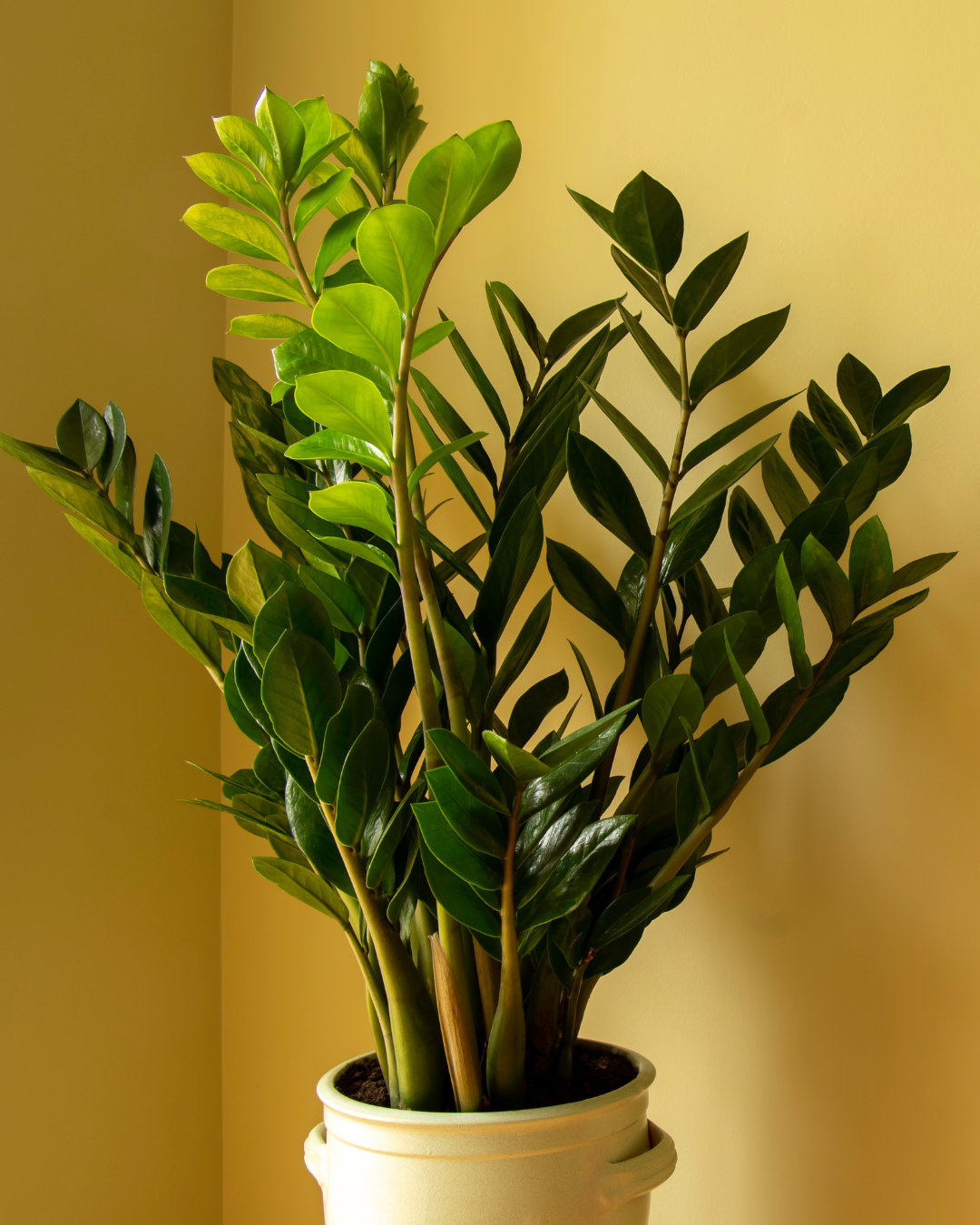
The ZZ plant (Zamioculcas zamiifolia)
The ZZ plant is the gold standard for indestructible indoor plants.
Its waxy, deep-green leaves look polished, but they're actually designed to store water for long periods. As it grows slowly and can handle a variety of light conditions, it is one of the best plants for travelers who may be gone for weeks at a time.
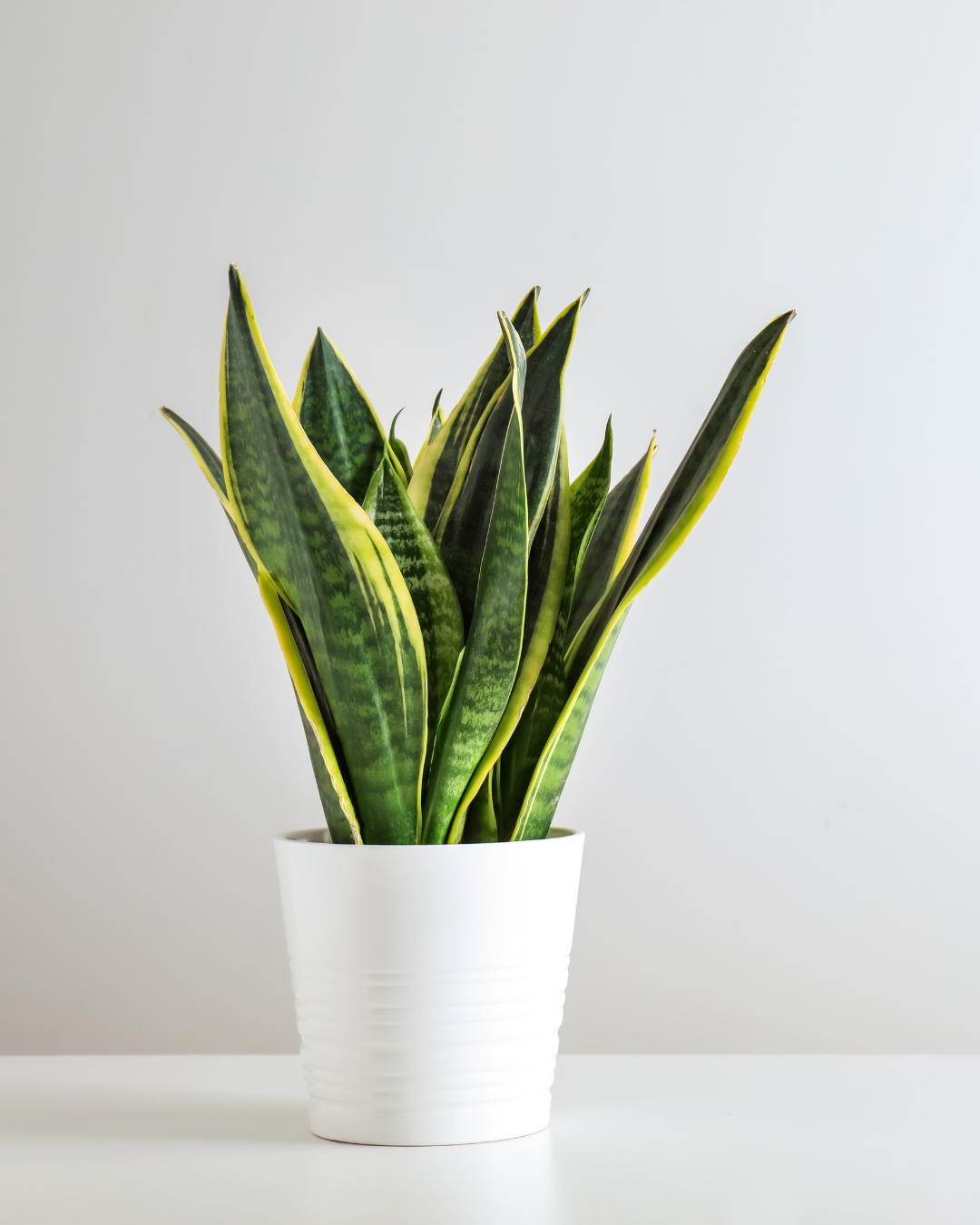
The snake plant (Sansevieria)
The snake plant, also known as the mother-in-law’s tongue, is a very hard-to-kill houseplant.
This plant is remarkably resilient and considered one of the most effective drought-tolerant indoor plants. If you forget to water it for 3 weeks because of a hectic schedule, the snake plant will survive.
.png)
Pothos (Devil’s ivy)
Pothos is the ultimate starter plant. Its trailing vines can grow several feet long, making it perfect for high shelves where it can stay out of the way.
Pothos is a forgiving species; if the leaves start to wilt, a quick drink usually perks them right back up within hours.
For nurses who want a lush look without the effort, pothos provides high visual impact with very low stakes. These low-maintenance houseplants are the perfect entry point for building your home oasis.
Low-light plants for night shift sanctuaries
Night shifters face a unique challenge: they spend their days behind blackout curtains. While this is essential for quality sleep, it often makes traditional indoor gardening feel impossible.
Luckily, several low-light indoor plants have evolved to thrive on the forest floor beneath dense canopies, making them the best choices for blackout-curtain rooms.
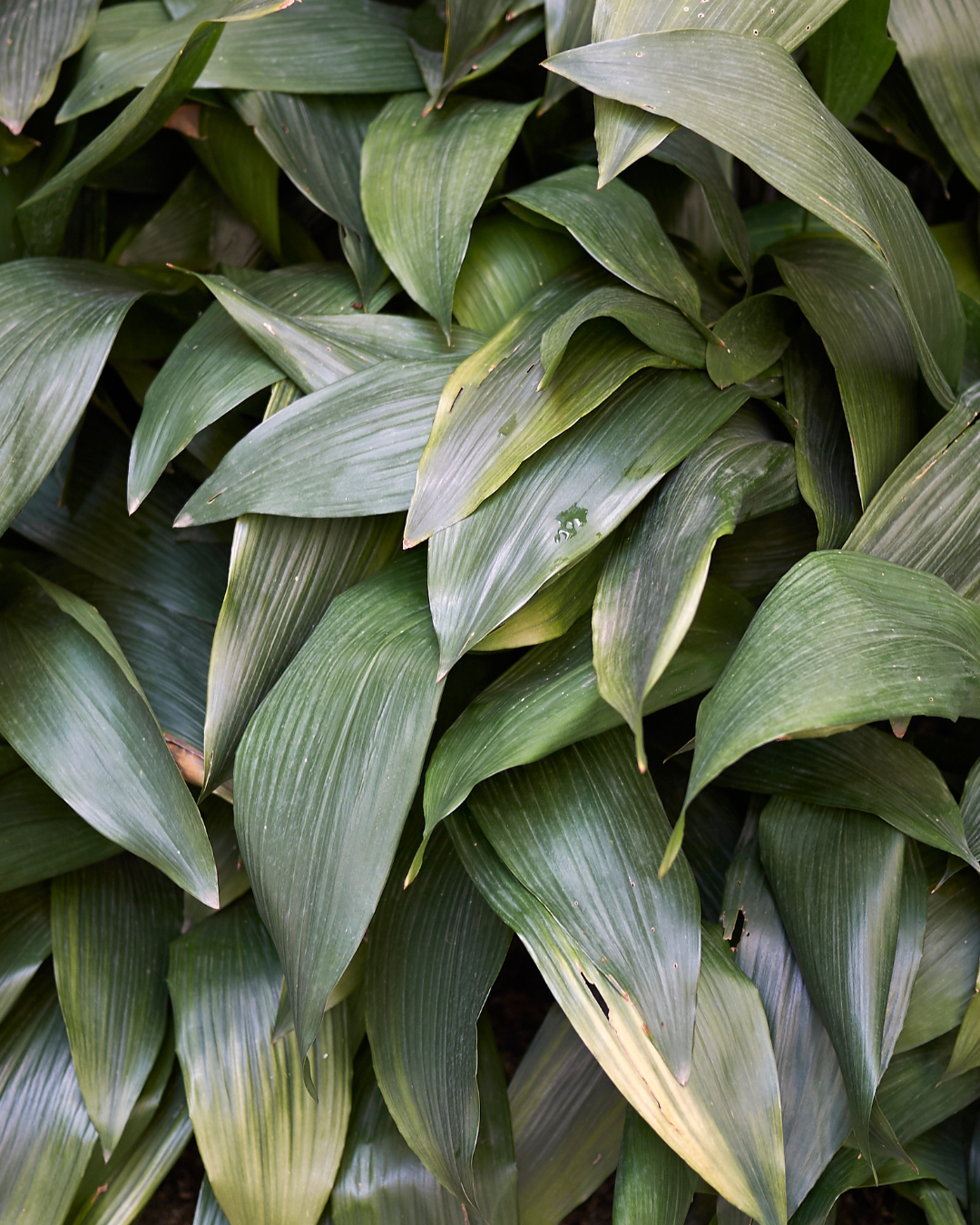
The cast iron plant (Aspidistra elatior)
The name says it all. The cast iron plant can survive in near-total darkness, handles extreme temperature fluctuations, and rarely suffers from pests.
If you are looking for nurse bedroom ideas for night shift, this plant provides the greenery you crave without requiring you to open the curtains and ruin your sleep cycle.
Aspidistra elatior is one of the few plants for rooms with no windows, provided it gets a tiny bit of ambient light from an open door now and then.
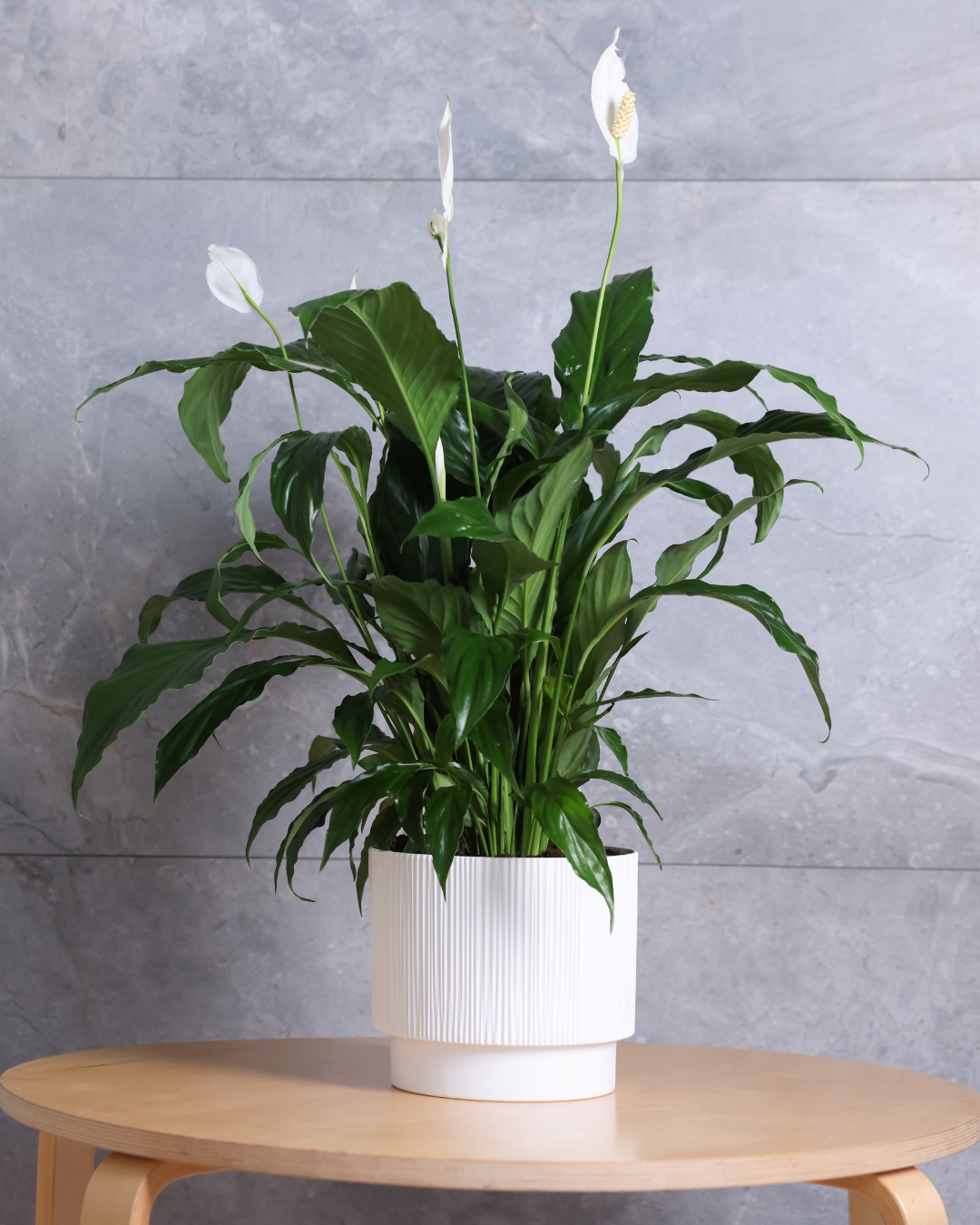
Peace lilies (Spathiphyllum)
While peace lilies prefer some light, they are incredibly adaptable to lower-light corners. They are also highly communicative; when they are thirsty, their leaves sag dramatically, giving you a clear visual cue that it’s time for a water break.
Be aware, however, that lilies can be toxic for pets, so they’re not a good choice if you’re a cat or dog owner.
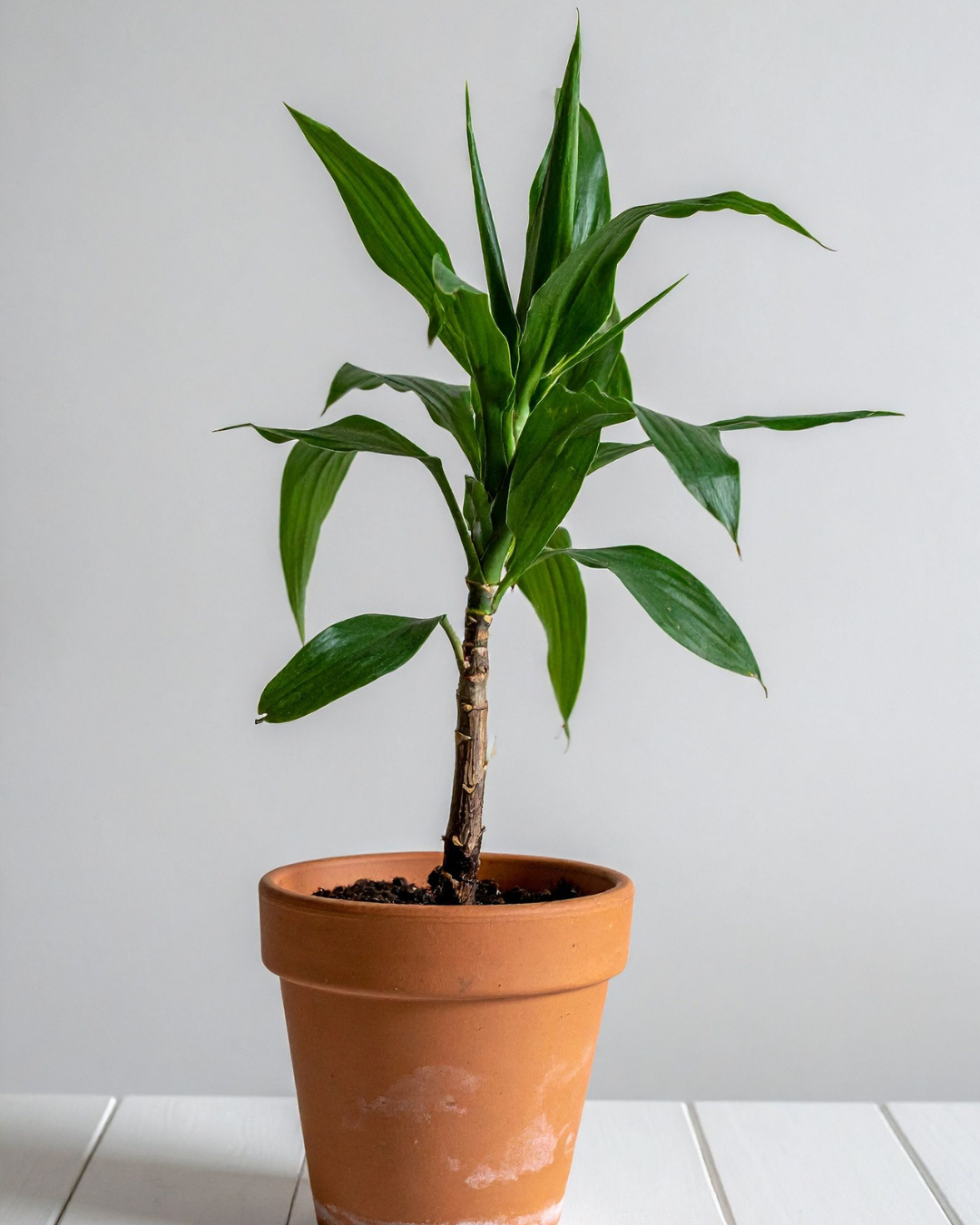
Dracaena corn plants
The Dracaena family offers architectural height and variegated leaves. They are sturdy and slow-growing, making them ideal for bedroom corners.
Dracaena corn plants don't mind the dim environment of a sleeper's room, making them a staple choice for nurses who work long shifts.
Plants to relieve stress and anxiety
Sometimes the goal of indoor gardening isn't just decoration; it’s emotional restoration. Incorporating greenery is a vital part of nurses' self-care at home.
Caring for plants offers stress relief for healthcare workers by engaging the senses. When you come home, the simple act of checking the soil or misting a leaf forces you to slow down.
Keeping indoor plants also benefits your mental health because seeing visible, tangible growth is rewarding. In a hospital where outcomes can be tragic, seeing a new leaf unfurl on your monstera provides a small but significant psychological win.
For nurses recovering from burnout, try incorporating sensory plants. Species like mint or lemon balm offer calming scents that ease the transition to sleep. These plants also provide a much-needed contrast to the antiseptic smell of the medical environment that you are accustomed to.
How plants heal you: Lower cortisol and better air quality
While a few houseplants won't completely overhaul your home's air quality, adding air-purifying varieties to your bedroom still offers a refreshing boost.
Beyond the improved air quality, the physiological benefits of indoor plants in reducing cortisol levels are well-documented.
The study, Interaction with Indoor Plants May Reduce Psychological and Physiological Stress by Suppressing Autonomic Nervous System Activity in Young Adults: A Randomized Crossover Study, found that active interactions with indoor plants—such as repotting or touching the leaves—can reduce blood pressure and suppress sympathetic nervous system activity.
Furthermore, plants naturally increase a room's humidity through a process called transpiration. For nurses who spend all day breathing the dry, recycled air of a hospital, coming home to a room with higher humidity can soothe the respiratory system and the skin.
Non-toxic houseplants for cats and dogs
Many nurses are also pet parents, and many common houseplants—like lilies or certain ivies—can be toxic if nibbled on by curious cats or dogs.
When building your indoor garden, it is crucial to check which plants are safe for your pets to avoid your sanctuary becoming a hazard.
- Spider plants are incredibly hardy and are completely non-toxic to cats and dogs.
- Parlor palms are a classic, non-toxic choice if you want a tropical look that is safe for your pets.
- Calatheas are famous for their stunning, patterned leaves that fold up at night. They are one of the top-tier pet-safe houseplants. However, they are more high-maintenance than the other options.
Finding the right fit for your lifestyle
Every nurse is different and has their own way of dealing with stress after a 12-hour shift. Some nurses might find balance through exercise, others through a laugh with close friends, and you might find it through contact with nature.
Taking the time to pot fragrant, air-filtering plants—or simply those that can survive your long shifts away from home—will help you recharge your batteries and protect your health.
Houseplants can be a small step, but protecting your mental health requires a full toolkit. If you’re feeling the weight of the shift more than usual, explore more self-care tips for nurses to ensure you’re taking care of yourself.
Sources: