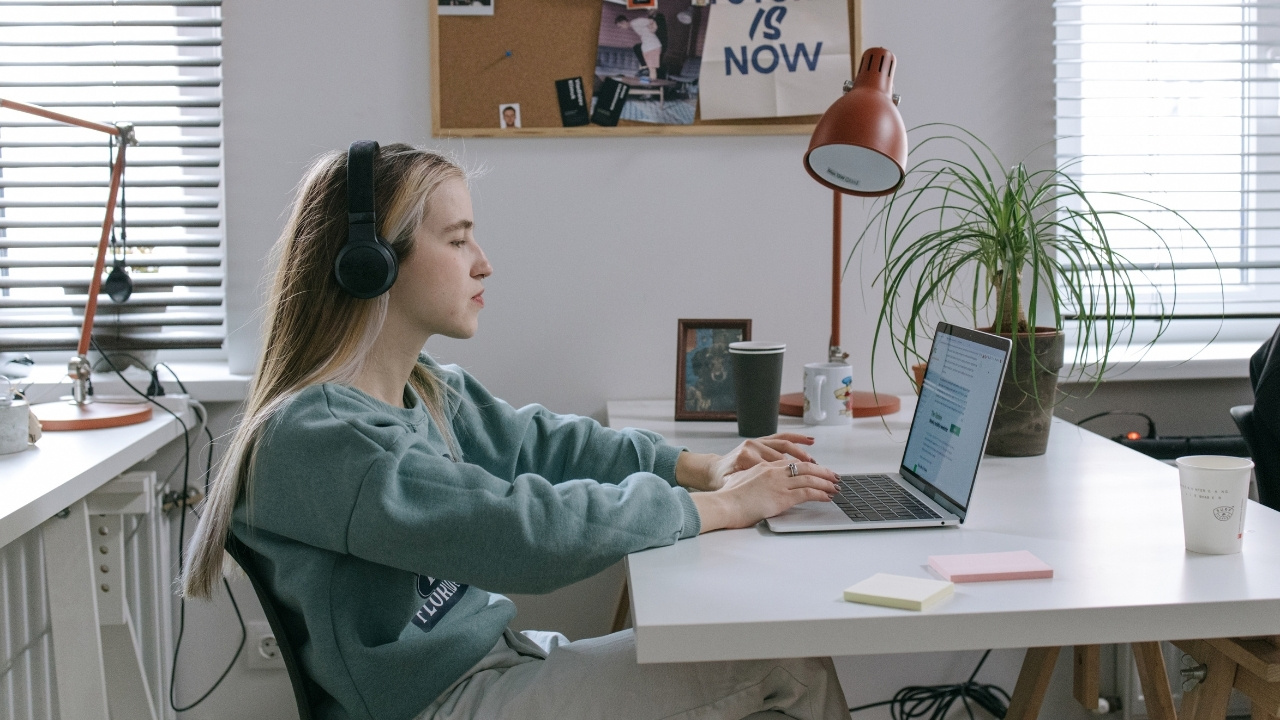
Nursing students have to deal with endless early mornings, the challenges of clinicals and exams, and the looming stress of the NCLEX—it's not easy, physically or mentally. Unfortunately, these combined pressures can cause burnout.
According to the report Stronger Support for Future Nurses: What Helps Students Thrive in School, surviving nursing school requires a high level of resilience because:
- 67% of students considered quitting their programs.
- 56% of students reported very high stress.
- 54% of students reported feeling extreme levels of anxiety or depression.
The study demonstrates the importance of developing stress management strategies for both your training and your future profession.
How to identify nursing student burnout symptoms early
It is vital to recognize the signs of nurse burnout. Use these simple questions to see if you are at risk of burning out:
- Are you frequently irritated by colleagues and patients?
- Are you feeling disconnected in your interactions with other people?
- Are you always tired or having difficulty sleeping?
- Are you on autopilot, performing clinical tasks without a clear and focused approach?
- Are you constantly focusing on the negative and having difficulty seeing the positive side?
- Are you experiencing compassion fatigue?
If you answered yes to several of these questions, you may be close to burning out. The following sections will help you identify some useful coping and self-care strategies.
Build professional resilience and mental toughness
Developing resilience while attending nursing school is key to thriving in a high-pressure medical career.
- Focus on the big picture: Remember why you want to be a nurse. This will help you maintain the mental strength to keep going during tough times.
- Set clear boundaries: Learn to reduce your stress by saying no, making time to study, and recharging your batteries. This is especially important during your final exams.
- Create a support system: Build your network of colleagues and friends you can trust and talk to when you need extra help.
- Develop resilience: Try not to take things personally when dealing with difficult patients or colleagues.
Structured debriefs with a preceptor are useful after challenging situations. These debriefing sessions should give you a safe place to unpack emotions and to discuss the lessons learned.
Achieving a work-life balance for nursing students
With your demanding schedule, a study-life balance may seem like a dream. However, prioritizing rest and self-care as much as possible will help you avoid burnout. Here are some strategies you can use:
- Schedule a hard stop: Set up a schedule and stick to it. Make sure it also includes a cut-off time for studying.
- Use the Pomodoro Technique: Study for 25 minutes, then take a 5-minute break to decompress. This technique is said to reduce procrastination and burnout.
- Dedicate time to self-care: Make sure you rest by doing something relaxing, such as taking a walk, pursuing a hobby, or spending time with loved ones.
- Prioritize sleep: Protect your sleep, even if it's only 6 hours. Also, make those hours high-quality by using blackout curtains and white noise to maximize REM sleep.
- Prep your own meals: Add nutritious foods (fruits and vegetables) to your diet to provide your body with much-needed energy. That way, you avoid the crash that comes from eating something from the vending machine at 2 a.m.
- Stay hydrated: Carry a bottle of water with you to stay hydrated throughout your shift. Dehydration can cause brain fog and mental fatigue, draining your productivity.
You may vary the strategies you use, but remember, self-care is important for maintaining motivation, surviving clinicals, and supporting your mental health in nursing school.
Study and earn with flexible jobs for nursing students
Although many students live at home and can rely on family support until graduation and beyond, some students need to work to support themselves in nursing school. Flexibility is a key requirement for the best full-time or part-time nursing student jobs.
Fortunately for students, digital PRN platforms such as Nursa offer flexible, on-demand work. Students who meet certain requirements can use Nursa to find CNA PRN shifts at local healthcare facilities.
In addition to supporting yourself financially, you add valuable experience to your resume and build professional relationships with local facilities.
Nursa gives you flexible scheduling options. Pick up extra shifts when you can, or take a break when you have midterms coming up and need to study.
Your career is a marathon, so learn to pace yourself
Gabrielle Mcphail, an RN and NP that uses the Nursa platform, shared:
“My advice to other nurses on dealing with burnout is to take time for yourself. Learn that you have to have some type of self-care routine. Focus on your mental health. If you need to take a day, take a day.”
“Once I started prioritizing a routine and actually taking my mental health and self-care seriously, it got better. I started to re-enjoy nursing again.”
At the end of the day, the most important thing is your overall well-being. As a future nursing clinician, it is essential to establish good habits early to mitigate stress and prevent burnout.
Remember to:
- Set a study schedule
- Prepare healthy meals and snacks
- Practice your self-care strategies
- Prioritize your sleep and rest
- Keep hydrated
Tip: If financially feasible, delay working to focus on your studies. Occasional PRN shifts can offer valuable experience, but juggling a regular work schedule and nursing school can be incredibly taxing.
Don’t forget that your nursing career is a marathon; those who make it to the finish line are the ones who paced themselves for the long run.
For flexible healthcare work experience that adapts to your schedule, download the Nursa app today.
Sources:




.jpg)