

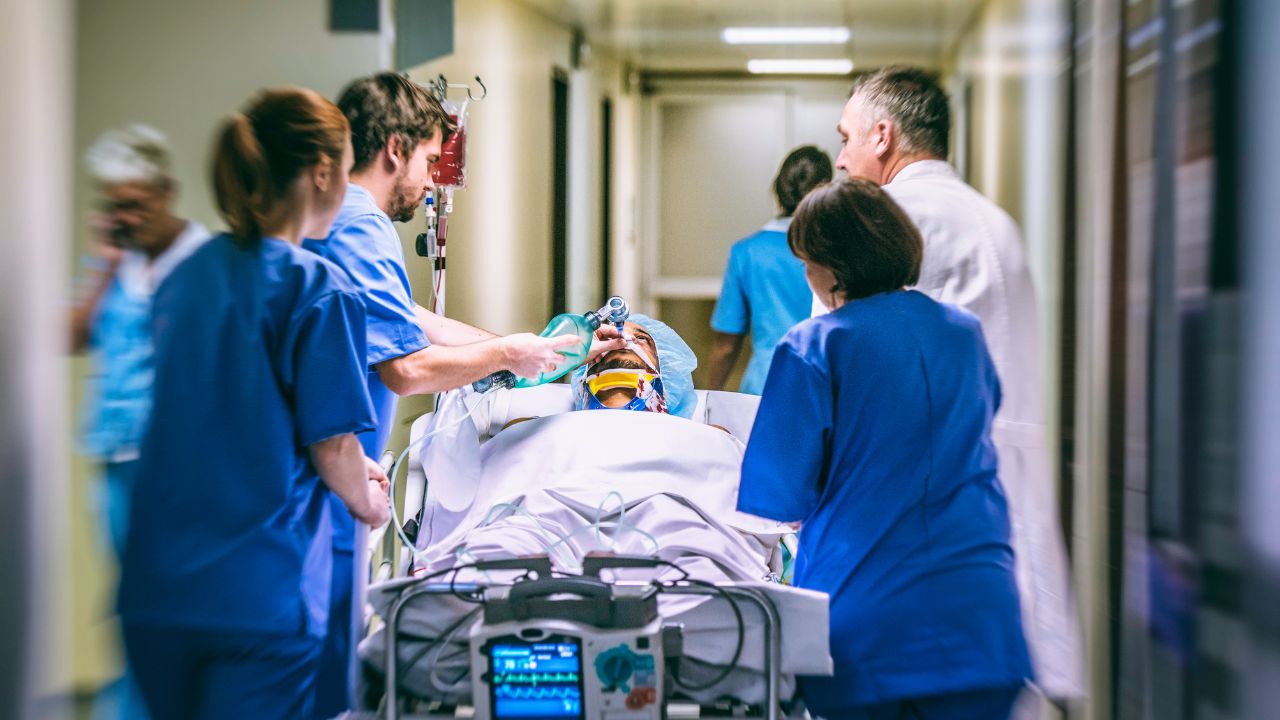
Level II trauma center care level overview
A Level II trauma center provides definitive trauma care for all injury types and is equipped to initiate immediate interventions for complex trauma patients. While not required to have ongoing research or surgical residencies like Level I, Level II trauma centers maintain all critical specialties—including trauma surgery, ICU, and advanced diagnostics—around the clock.
On Nursa, understanding the Level II trauma center allows clinicians to match with high-acuity trauma environments and enables facilities to showcase comprehensive service capabilities and 24/7 emergency readiness.
What defines a Level II trauma center
Level II trauma centers are often located in regional hospitals and supplement the expertise of Level I centers. They provide immediate coverage by general surgeons with on-call access to specialized services. Level II trauma centers are designed to care for most trauma patients, transferring only the most complex cases.
Core capabilities of Level II trauma centers
- 24/7 immediate availability: General surgeons, emergency physicians, anesthesiologists, and critical care staff
- Subspecialty coverage: Neurosurgery, orthopedics, radiology, and more, available within set response times
- Surgical expertise: Major trauma cases including thoracic, vascular, hand, urologic, and obstetric injuries
- Comprehensive resources: Full ICU, operating suite, blood bank, and advanced diagnostic imaging (CT, MRI, ultrasound)
- Definitive care: Ability to initiate definitive care and perform emergency surgery for most trauma types
- Continuous quality improvement: Trauma team education, community injury prevention programs, and ongoing performance management
Level II trauma centers participate in trauma networks, arrange transfers for tertiary care when required, and maintain performance oversight.
Clinician experience in a Level II trauma center
Clinicians—trauma surgeons, emergency physicians, intensivists, anesthetists, trauma nurses, and allied health—practice high-level trauma care in fast-paced resuscitation, critical surgery, and acute stabilization. Leadership and teamwork are vital; clinicians are expected to make rapid decisions and collaborate effectively.
Working at a Level II trauma center enables clinicians to develop both breadth and depth in acute, surgical, and critical trauma care.
How facilities operate as a Level II trauma center
Facilities designated as Level II trauma centers maintain rigorous staffing, including on-call specialty rotations, prompt OR availability, and integrated trauma response teams. These hospitals conduct regular audits, staff education, and take an active role in regional trauma coordination.
Facility operations and staffing
- Immediate trauma team activation and resuscitation protocols
- Board-certified trauma medical directors and multidisciplinary oversight
- Full-service OR, ICU, radiology, and blood bank available 24/7
- Formal transfer agreements and rapid communication channels with Level I centers as needed
- Ongoing ATLS, TNCC, and other trauma certification upkeep for staff
Facilities use their Level II designation to attract staff ready for complex trauma scenarios and provide broader access to advanced trauma care in their community.
Advancing trauma care in Level II trauma centers
Level II trauma centers fill essential gaps in the trauma system by delivering definitive and immediate care for nearly all injuries, stabilizing complex cases, and serving as regional hubs for trauma care. Clinicians enjoy opportunities to practice comprehensive trauma medicine and surgical management. Facilities extend the reach of emergency care for better patient outcomes.
On Nursa, facilities and staff can identify as Level II trauma center experts, aligning trauma team skills and capacity for the highest standards in acute care.


