

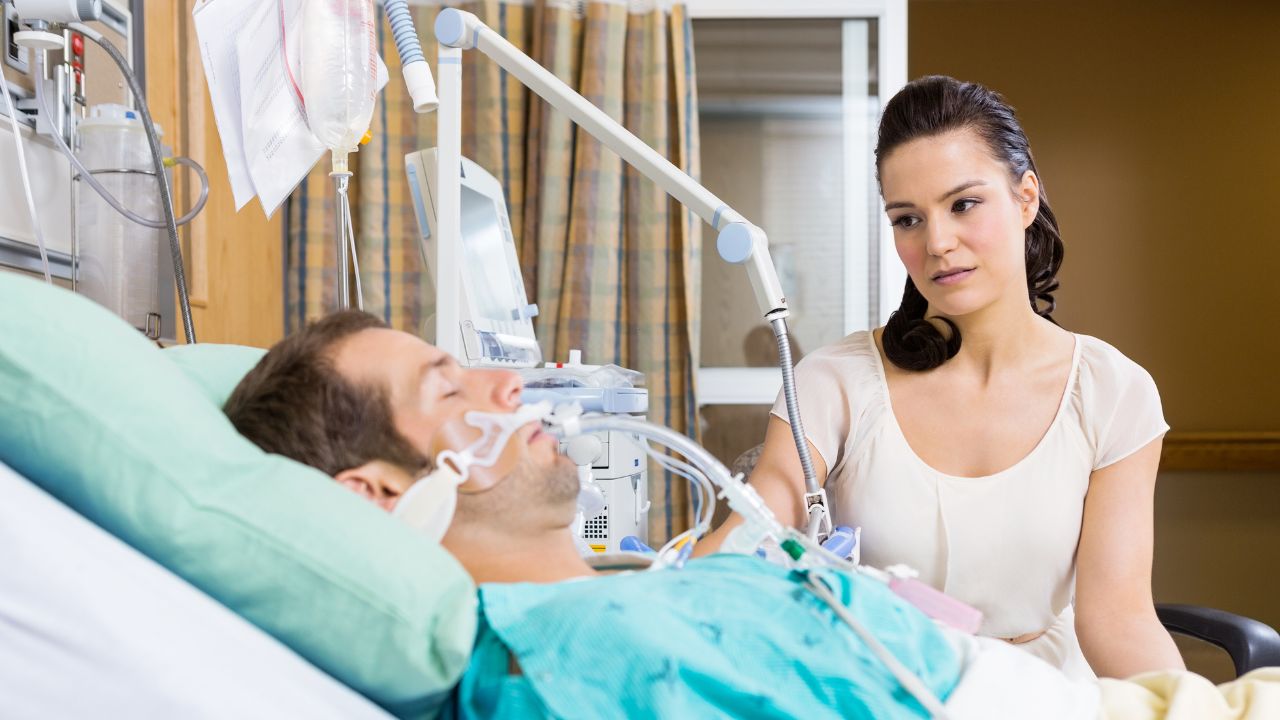
Trauma critical care is where the battle for life is fought.
It's a world where every second counts, and the coordinated efforts of a specialized team walk on the fine line between survival and loss.
Trauma critical care: Life on the frontline of survival
Trauma critical care is the specialized field that serves as the essential bridge between immediate, life-saving measures and intensive, ongoing recovery for patients with severe, multi-system injuries.
It is where complex, minute-by-minute decisions are made to sustain life against overwhelming odds, requiring specialized, comprehensive, intensive care unit (ICU)-level care.
This overview explores the trauma critical care unit, its unique protocols, the technology used, and the evolving science behind patient management.
Understanding trauma critical care
Trauma critical care is the practice of managing patients suffering from severe, multi-system injuries that require intensive physiological support, invasive monitoring, and frequent surgical or procedural intervention.
The chain of survival: From accident scene to trauma ICU
Trauma critical care doesn’t begin when a patient reaches the hospital—it begins at the moment of injury.
The chain of survival spans every phase from the accident scene to long-term recovery. Paramedics and first responders stabilize the patient on-site, focusing on airway control, bleeding management, and rapid transport to a trauma center.
This prehospital phase is guided by the concept of the golden hour—the critical window in which early intervention dramatically improves survival odds.
Once at the trauma bay, a coordinated team performs rapid imaging, lab tests, and emergency surgery if needed. From there, the patient transitions to the trauma ICU, where round-the-clock monitoring ensures that any secondary complications—like shock, respiratory failure, or swelling of the brain—are caught early.
Each handoff, from field to operating room to ICU, follows a standardized protocol designed to eliminate communication gaps and preserve precious seconds.
Trauma critical care vs. general intensive care
What makes trauma critical care different?
The field's scope covers the entire clinical journey, from initial trauma surgery, emergency care upon arrival, to sustained stabilization in the trauma ICU.
Types of traumatic injuries commonly treated in critical care
Trauma ICUs manage a broad spectrum of injuries—each demanding its own balance of surgical expertise, technology, and timing.
Common trauma categories include:
- Blunt trauma: Injuries from car crashes, falls, or industrial accidents that cause internal bleeding, fractures, or organ damage without an open wound.
- Penetrating trauma: Gunshot, stab, or impalement injuries that create direct tissue disruption and complex bleeding patterns.
- Traumatic brain and spinal injuries: Often the most life-altering, requiring close neurological monitoring and rehabilitation planning.
- Thoracic and abdominal trauma: Involving the lungs, heart, liver, or spleen, where rapid surgical response can mean the difference between survival and shock.
- Burns and crush injuries: High-risk for infection, tissue loss, and organ failure, demanding specialized wound care and metabolic support.
Trauma critical care must adapt these principles for special populations such as children, older adults, and pregnant patients, each of whom presents unique physiological and emotional needs.
The trauma critical care team
Trauma critical care is defined by trauma multidisciplinary care, where a unique coalition of highly trained professionals works in synchronized action. The synergy among these roles drives better outcomes.
This integration ensures a holistic approach, with rehabilitation therapists and mental health support involved early in the process.
Decision-making under pressure: Ethics and emotional resilience
Life in a trauma ICU is a constant test of focus, empathy, and endurance. Clinicians often face difficult ethical choices—when to operate, how to allocate limited resources, or when to transition from aggressive treatment to palliative care.
Split-second decisions carry immense consequences, and every action must balance medical judgment with compassion for patients and their families.
Emotional resilience is as vital as clinical skill. Burnout, compassion fatigue, and moral distress are common challenges among trauma teams. Many hospitals now integrate structured debriefings, counseling access, and mindfulness programs to sustain caregiver well-being.
Clear, empathetic communication with families—explaining prognosis, procedures, and outcomes—remains a cornerstone of ethical trauma care.
Inside the trauma ICU: The first 24 hours
The transition into the trauma ICU marks the beginning of sustained intensive care trauma management. This period of maximum vulnerability demands unwavering focus and complex trauma-intensive monitoring.
Immediate goals upon ICU arrival
Care begins with the fundamentals of trauma resuscitation (the ABCs), focusing on:
- Securing definitive airways (often intubation).
- Controlling active internal or external bleeding.
- Initiating appropriate fluid and blood transfusions.
Intensive care monitoring
Once stabilized, the environment shifts to complex, invasive monitoring:
- Hemodynamic monitoring: Continuous data streams from arterial lines, central lines, and cardiac output monitors guide immediate interventions for shock management.
- Neurological checks: Frequent neurological assessments track changes in the brain after head injury or periods of oxygen deprivation.
- Ventilator management: Specialized protocols ensure the ventilator supports injured lungs while preventing further damage.
Seamless transitional care, utilizing standardized handoffs between the emergency department and the ICU, is vital for maintaining a continuous, high-fidelity data stream.
A typical day in the trauma ICU
A trauma ICU operates at a near-constant hum. Alarms punctuate the silence, ventilators hiss rhythmically, and clinicians move swiftly between bedsides.
Each morning begins with multidisciplinary rounds, where the trauma surgeon, intensivist, nurses, and therapists review overnight changes and adjust care plans. Every decision—from sedation adjustments to nutritional goals—reflects the collective expertise of dozens of professionals working in harmony.
Amid this intensity, small human moments—holding a patient’s hand, updating a family member, or celebrating a stable blood gas reading—serve as reminders of why the work matters.
Technologies transforming trauma critical care
Modern trauma ICUs are technological ecosystems designed for precision and speed.
- Advanced monitoring systems stream continuous data on blood pressure, oxygenation, and cardiac output, alerting clinicians to the smallest deviations.
- Portable imaging tools such as point-of-care ultrasound and bedside CT scanners allow immediate assessment without moving critically unstable patients.
- Smart infusion pumps and closed-loop ventilators help maintain stability by automatically adjusting parameters based on real-time feedback.
- Simulation training, using virtual reality or high-fidelity mannequins, prepares teams for rare or complex scenarios, improving accuracy during true emergencies.
These innovations make it possible to detect subtle complications earlier and to coordinate team responses with unparalleled efficiency.
Critical care procedures and protocols
Effectiveness in trauma critical care is measured by the consistency and reliability of the team’s practices, codified through detailed trauma care protocols and trauma ICU guidelines.
Protocols governing daily practice
- Infection prevention: Strict protocols govern central line and ventilator maintenance to prevent hospital-acquired infections (HAIs).
- Transfusion management: Guidelines dictate the precise triggers and ratios for administering blood products, a key element of modern trauma resuscitation.
- Sedation and analgesia: Protocols manage pain and sedation to keep patients comfortable and compliant with ventilator support while avoiding delirium.
- Temperature control: Maintaining normothermia is critical for preventing coagulopathy and optimizing recovery.
Advanced life support tools
A host of critical care procedures (intubation, central line placement, chest tube insertion) are routine. Advanced life support tools often include:
- Continuous renal replacement therapy (CRRT) for kidney failure.
- Extracorporeal membrane oxygenation (ECMO) for profound heart and lung failure.
Managing the severely injured patient
Severe trauma care involves the most complex cases (e.g., multiple organ injuries, severe traumatic brain injury [TBI], or uncontrolled hemorrhagic shock).
Specialists must anticipate and manage dangerous physiological cascades:
- Systemic inflammatory response syndrome (SIRS) and sepsis: The body's overwhelming reaction to injury or infection, leading to organ failure.
- Acute respiratory distress syndrome (ARDS): A life-threatening lung injury requiring complex ventilator strategies.
- Coagulopathy: A derangement of the body’s clotting system, often worsened by injury, hypothermia, and massive transfusion.
Expert coordination across specialized surgical departments is essential, with the intensivist leading the individualized approach to acute trauma critical care.
The dietitian plays a crucial role in meeting the massive caloric and protein demands to prevent muscle wasting.
Nutrition and metabolic management in the trauma ICU
Nutrition is an unsung hero of trauma recovery. After severe injury, the body enters a hypermetabolic state, burning calories at a rate two to three times higher than normal.
Without aggressive nutritional support, patients lose muscle mass, immune function, and wound-healing capacity. Early enteral feeding—delivering nutrients directly into the stomach or intestine within 24–48 hours—is now standard practice to maintain gut integrity and reduce infection risk.
Registered dietitians tailor high-protein, high-calorie regimens that meet each patient’s needs. Specialized formulas may include immune-enhancing nutrients like arginine, glutamine, and omega-3 fatty acids.
Careful balance prevents overfeeding, fluid overload, or electrolyte imbalance, particularly in patients receiving continuous renal replacement therapy. In trauma critical care, feeding the body is as critical as ventilating the lungs—it is the foundation of survival and recovery.
The psychological dimension of severe trauma
Beyond the physiological storm, trauma patients and their families often face emotional upheaval.
Prolonged ICU stays can cause anxiety, depression, and post-intensive care syndrome (PICS), marked by cognitive and psychological impairments.
Family members may experience secondary trauma, struggling to process sudden life changes. Trauma teams increasingly incorporate psychologists and chaplains to guide families through uncertainty, ensuring emotional care complements medical care.
Post-trauma critical care and recovery
Survival is the first goal, but the true measure of success is the quality of life after discharge. Post-trauma critical care focuses on holistic rehabilitation once the patient is medically stable and weaned off life support.
Rehabilitation continuum: From ICU to independence
Leaving the trauma ICU marks a new beginning, not the end of recovery. Patients transition to step-down or progressive care units, where the focus shifts from survival to rebuilding strength and independence.
Physical therapists and occupational therapists help patients relearn basic tasks—sitting, standing, eating, walking—often with assistive devices or prosthetics.
Comprehensive rehabilitation programs combine mobility training, speech therapy, pain management, and cognitive re-education.
For brain injury survivors, this may include neuropsychological support to restore memory and attention. Family education plays a vital role, preparing loved ones to assist safely at home and recognize signs of setbacks.
The ultimate goal is reintegration into daily life, with support networks extending into outpatient rehab and community care.
Rehabilitation goals
- Physical recovery (mobility & strength): Early mobilization (starting even when the patient is minimally conscious) is crucial for mitigating ICU-acquired weakness (ICU-AW). Physical and occupational therapists work daily with the nursing team.
- Nutritional restoration: Aggressive nutritional support is vital to fuel the body’s massive repair effort, reversing the extreme catabolic state caused by trauma.
- Cognitive and emotional healing: Psychology and social work teams are integral in assessing and managing ICU delirium, anxiety, and Post-Traumatic Stress Disorder (PTSD).
This phase requires close interdisciplinary collaboration to achieve a successful transition from the trauma critical care unit to a rehabilitation facility, ensuring continuity of critical care after trauma.
Education and training in trauma critical care
Becoming a trauma critical care specialist requires extensive multidisciplinary training.
- Trauma surgeons complete general surgery residencies followed by trauma or surgical critical care fellowships.
- Critical care physicians, anesthesiologists, and advanced practice providers pursue parallel intensive care training, with certification in areas like Advanced Trauma Life Support (ATLS) and Critical Care Medicine.
- Nurses and respiratory therapists receive continuing education in advanced hemodynamic monitoring, mechanical ventilation, and trauma pharmacology.
- Simulation-based education allows teams to rehearse high-risk, low-frequency events under controlled conditions.
Ongoing research participation, trauma registries, and morbidity and mortality (M&M) reviews ensure that learning never stops—each case contributes to the collective refinement of trauma care worldwide.
The future of trauma critical care
The field is constantly evolving through research and technological advancement, promising to make emergency trauma services faster and more precise.
Key innovations shaping the future
- AI and diagnostics: Artificial intelligence triage tools help trauma centers quickly identify the patients at highest risk, optimizing resource use.
- Tele-trauma: Remote consultation capabilities allow experienced trauma intensivists to guide care in rural or less-specialized facilities, expanding access to critical care trauma services.
- Hybrid ICUs: Designing trauma ICUs as hybrid spaces that can function as operating rooms, procedure suites, or standard ICU bays to streamline care and reduce time to intervention.
The future is also focusing on precision medicine for trauma recovery and deeper use of safety data analytics to continually refine trauma ICU guidelines.
Emerging frontiers
Future innovations extend into regenerative medicine, 3D-printed tissue scaffolds, and gene therapies that may one day repair organs damaged by trauma.
Data-driven predictive analytics are being tested to anticipate complications before they occur, while robotics and telepresence systems bring expert surgeons into operating rooms across continents.
As these tools mature, trauma critical care is poised to become faster, more personalized, and more globally connected than ever before.
Global and public health perspectives
Trauma is a leading cause of death and disability worldwide, responsible for more lives lost than malaria, tuberculosis, and HIV combined.
Yet, outcomes vary drastically between regions due to disparities in resources, training, and infrastructure.
- In high-income countries, established trauma systems and rapid response networks save countless lives each year.
- In contrast, low- and middle-income countries often lack access to specialized ICUs, blood banks, or rehabilitation programs.
International collaborations, such as global trauma registries and exchange fellowships, are helping bridge this gap.
Public health efforts—including road safety campaigns, violence prevention initiatives, and workplace safety programs—target the root causes of trauma.
As trauma critical care evolves, its mission extends beyond the ICU: to prevent injury, standardize care, and ensure that survival is not determined by geography.


