


Binghamton University


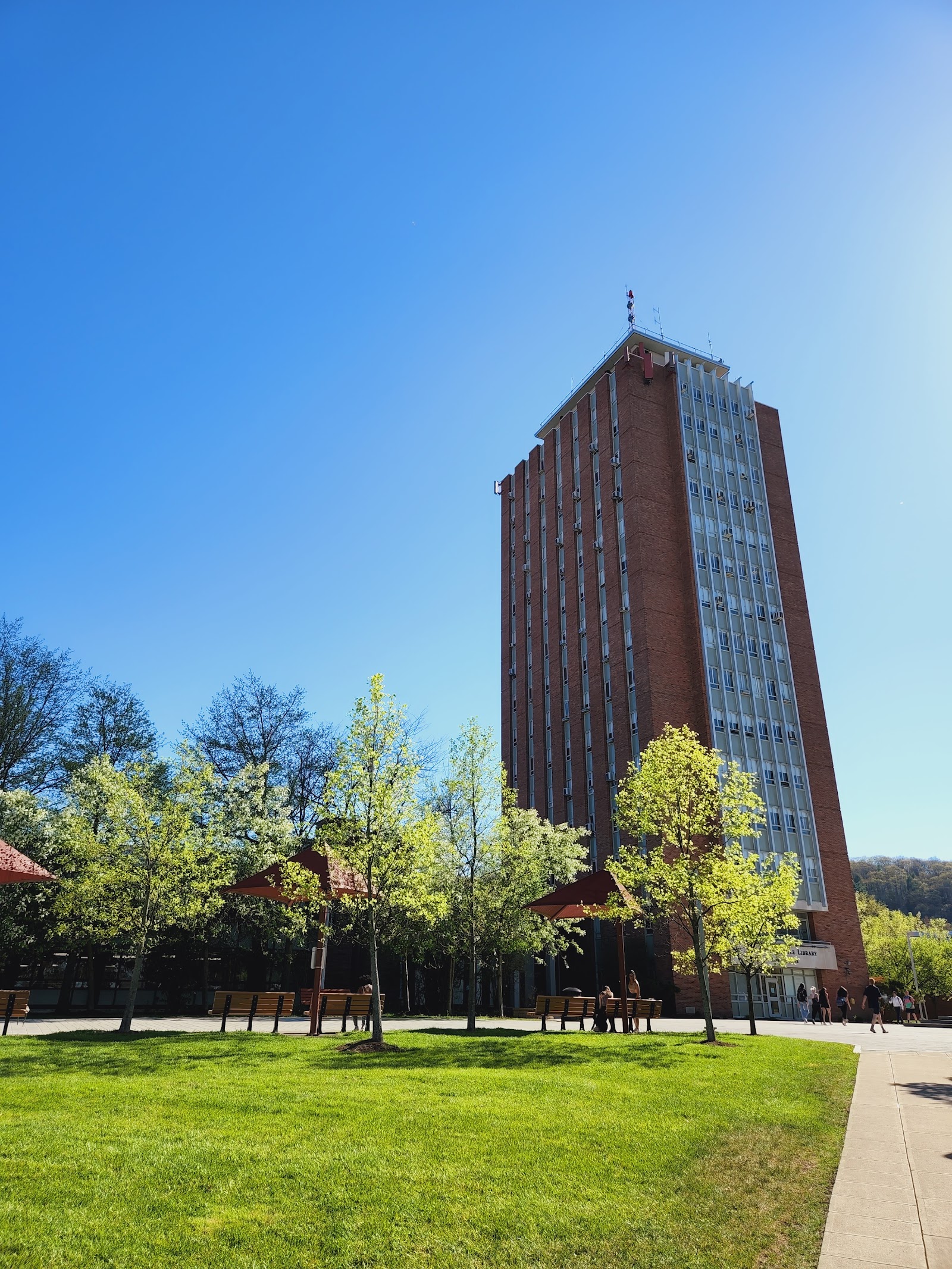


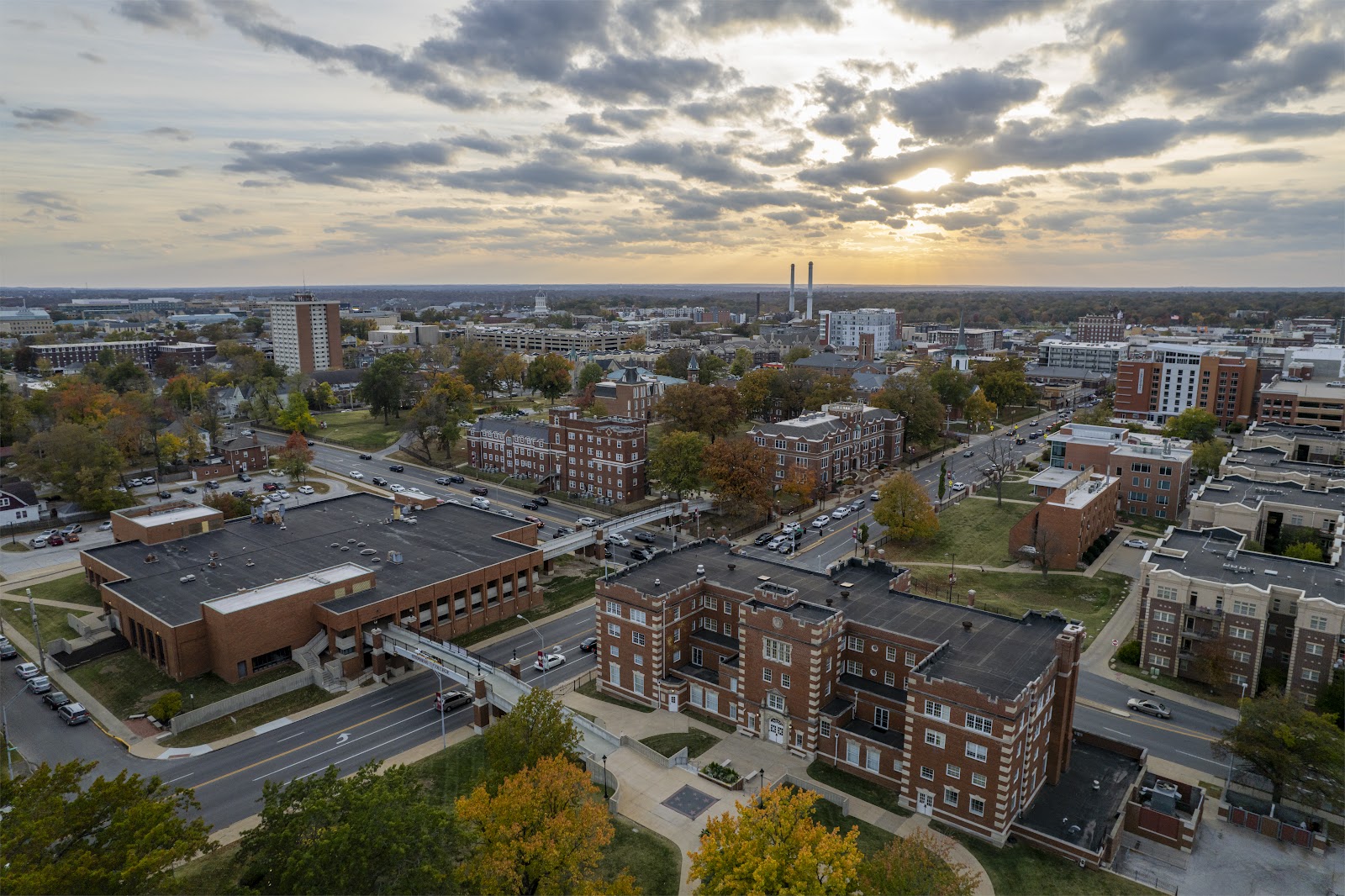
Binghamton University's Decker College of Nursing and Health Sciences occupies the university's Health Sciences Campus in Johnson City, New York, a short distance from the main campus in Vestal. The campus was built out to bring health professions education together in one place, sharing space with the university's pharmacy school and giving nursing students access to simulation labs and interprofessional coursework. As a SUNY institution, Binghamton offers public university tuition alongside the research resources of a doctoral-granting university.
Decker offers a bachelor's degree in nursing for students entering the profession, along with an accelerated track for those who already hold a degree in another field, a completion pathway for licensed registered nurses, and graduate study at the master's and doctoral levels for nurses moving into advanced practice, education, or research. Undergraduate coursework builds through health assessment, pharmacology, pathophysiology, and nursing care across medical-surgical, maternal-newborn, pediatric, psychiatric-mental health, and community health settings, with clinical rotations at hospitals and agencies throughout the Southern Tier. Graduates are prepared to sit for the NCLEX-RN. Compared with private nursing programs in the region, Binghamton pairs public tuition with a full graduate nursing ladder on one campus.
Do you manage this facility? Claim your profile now to suggest edits to this page.
Manage your clinical education on Nursa
Programs
A BSN is a 4-year university RN degree, widely preferred by employers and required for many advanced roles, whose graduates are eligible to take the NCLEX-RN.
An MSN is a 2–3 year graduate degree that prepares RNs for advanced practice, leadership, and specialized roles such as nurse practitioner or nurse educator.
A DNP is the highest clinical nursing degree, taking 2–4 years, preparing nurses for advanced practice, executive leadership, and policy roles—distinct from the research-focused PhD.
A post-graduate APRN certificate is a 12–24 month credential that lets MSN-prepared nurses add or change an advanced practice specialty without earning a second degree.
Address
Manage your clinical education

Pick Up a Job Today
Find per diem PRN job opportunities in your area. High paying CNA, LPN and RN and many more licences are available now.
Join Nursa
Track Your Clinical Placements
Nursa Study helps nursing schools, students, and clinical sites easily coordinate clinical placements.
Learn More