


State University of New York Polytechnic Institute


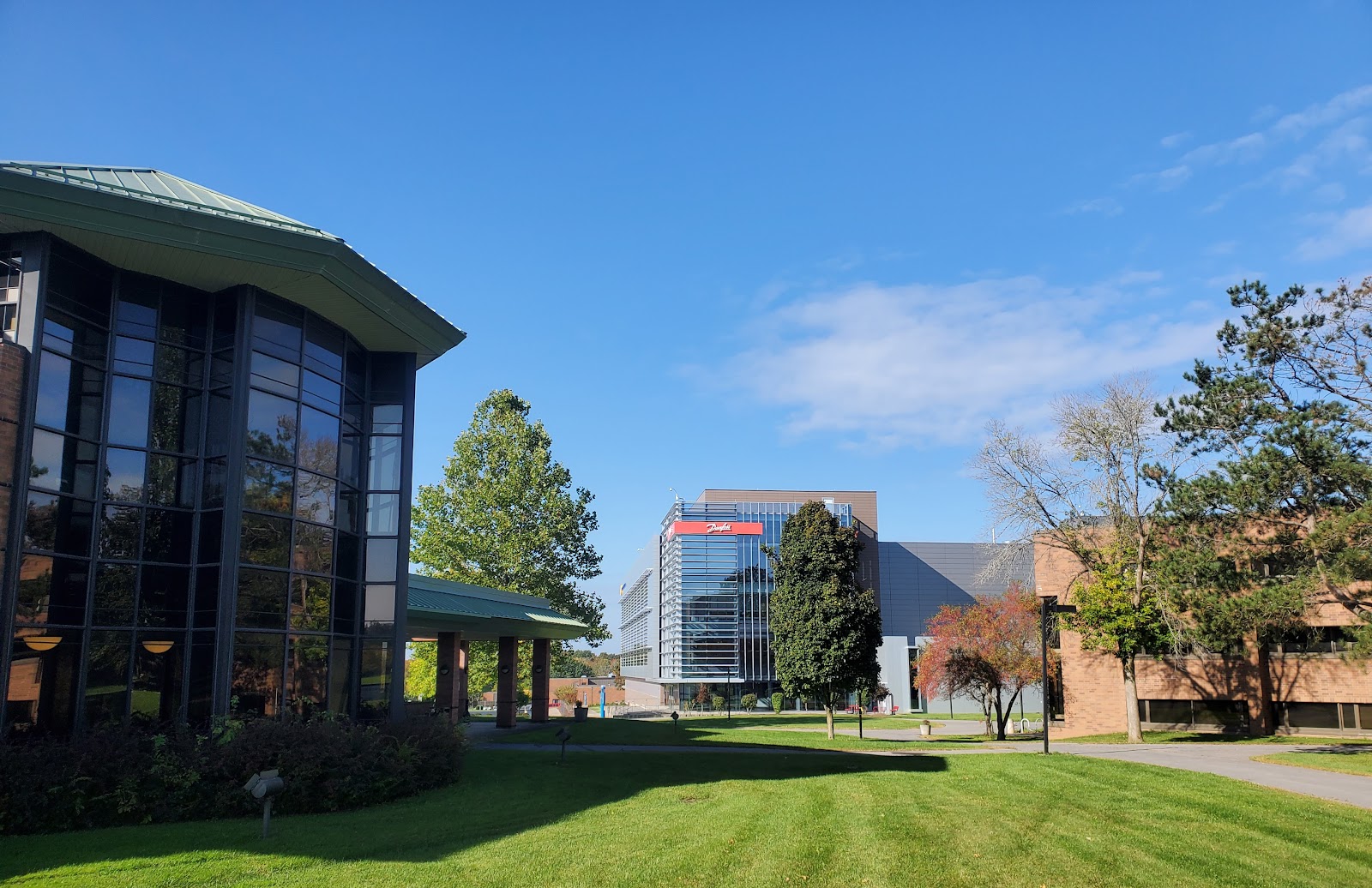


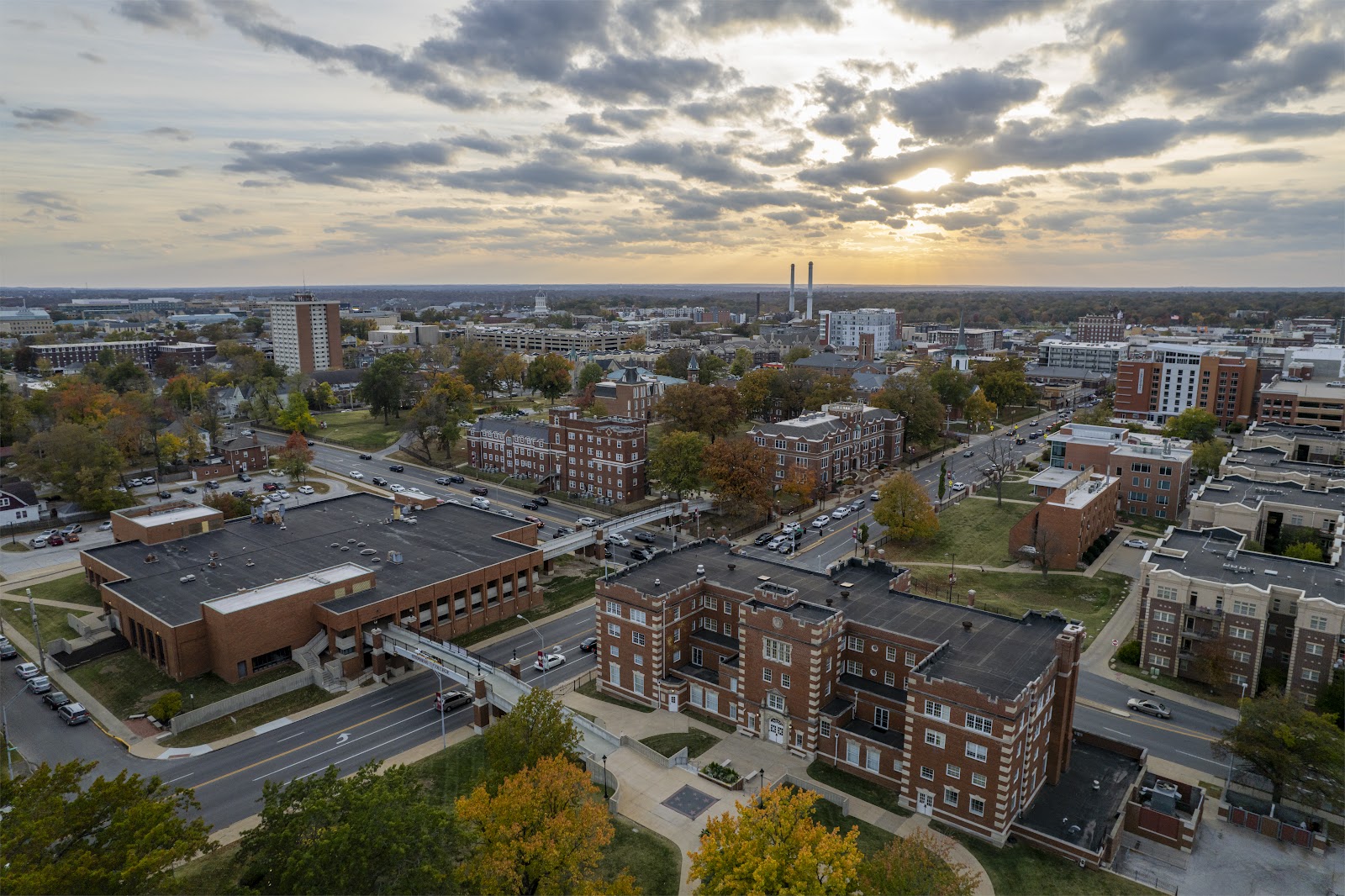
SUNY Polytechnic Institute operates from a campus in Marcy, just outside Utica, New York, in the Mohawk Valley. Founded in 1966 as an upper-division college serving students transferring in with existing credits, it retains that orientation alongside a technology and applied sciences focus, and enrolls undergraduate and graduate students at public tuition rates. Its history as a transfer-oriented institution shapes how programs are structured, with pathways built for students arriving mid-degree rather than starting from the beginning.
Nursing serves registered nurses who already hold licensure, through a bachelor's completion pathway and graduate study for nurses advancing into education, leadership, or advanced practice roles. Coursework builds on existing clinical experience through health assessment, community and population health, nursing research and evidence-based practice, informatics, and professional leadership. Online delivery lets nurses continue working while they study, which matters across a region where employers are spread among Utica, Rome, and surrounding rural counties rather than concentrated in one city. Cohorts stay small enough for consistent faculty contact. For nurses in central New York weighing a degree against stepping back from work, public tuition and flexible scheduling are the practical draws.
Do you manage this facility? Claim your profile now to suggest edits to this page.
Manage your clinical education on Nursa
Programs
A BSN is a 4-year university RN degree, widely preferred by employers and required for many advanced roles, whose graduates are eligible to take the NCLEX-RN.
An MSN is a 2–3 year graduate degree that prepares RNs for advanced practice, leadership, and specialized roles such as nurse practitioner or nurse educator.
A DNP is the highest clinical nursing degree, taking 2–4 years, preparing nurses for advanced practice, executive leadership, and policy roles—distinct from the research-focused PhD.
A post-graduate APRN certificate is a 12–24 month credential that lets MSN-prepared nurses add or change an advanced practice specialty without earning a second degree.
Address
Manage your clinical education

Pick Up a Job Today
Find per diem PRN job opportunities in your area. High paying CNA, LPN and RN and many more licences are available now.
Join Nursa
Track Your Clinical Placements
Nursa Study helps nursing schools, students, and clinical sites easily coordinate clinical placements.
Learn More