

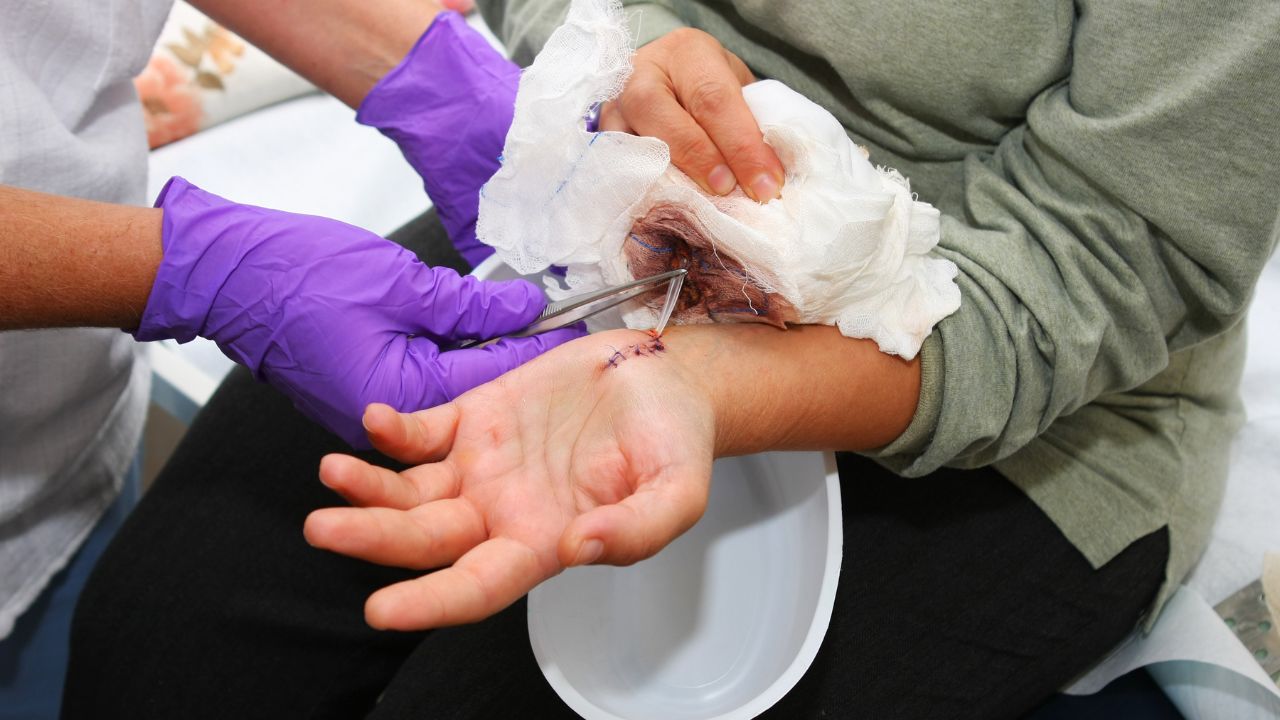
Certified wound ostomy care is more than a clinical specialty—it’s a cornerstone of successful healing, rehabilitation, and patient satisfaction across modern healthcare. This article unveils how certified experts in wound and ostomy management set new standards in safety, innovation, and quality of life.
Discover why investing in this expertise improves outcomes, reduces complications, and ensures every patient receives care that’s both skilled and compassionate.
Expert wound ostomy care: Healing through innovation
Every wound tells a story—a story of injury and the journey to recovery. Certified wound ostomy specialists play a central role in these stories, restoring not just physical integrity but also confidence and hope to people managing chronic wounds or undergoing life-changing ostomy procedures.
This field extends beyond tissue repair; it weaves clinical skill with genuine respect for each individual’s experience. For those living with wounds or stomas, care is not just about medical interventions—it’s about regaining quality of life.
Wound and ostomy care is a unique blend of medical expertise, problem-solving, and compassion for people experiencing some of the most vulnerable moments of their lives.
In this article, readers will find an introduction to wound ostomy care, its historical roots, proven strategies and best practices, the certification journey, as well as fresh perspectives on living with and supporting people with wounds or ostomies.
The dual mission is clear: to restore both health and dignity.
Introduction to wound ostomy care
Wound and ostomy management is the assessment, treatment, and ongoing support of people with acute, chronic, or surgical wounds—and those with stomas, surgically created openings for waste elimination.
Certified wound ostomy professionals address issues ranging from diabetic foot ulcers, burns, and pressure injuries to the adaptation challenges faced by ostomy recipients.
The importance of wound ostomy care cannot be overstated. It reduces infection and pain, speeds healing, and supports independence for people recovering in hospitals, long-term care environments, or their own homes. Professionals in this field prevent complications, minimize pain, and reduce disability.
Wound care vs ostomy care is a crucial distinction:
- Wound care focuses on tissue repair, infection control, pain management, and promoting healing in skin injuries, pressure ulcers, burns, or post-surgical wounds.
- Ostomy care centers on stoma management, education, emotional adjustment, and the lifelong hygiene requirements after bowel or bladder surgery.
Certified experts coordinate care with surgery, nursing, and rehabilitation, keeping patient well-being at the heart of every decision.
A brief history of wound ostomy care
The history of wound ostomy care spans centuries, from primitive herbal pastes to contemporary dressings and surgical breakthroughs. Ancient records detail the use of bandages, honey, and even maggots to fight infection.
In the 19th and 20th centuries, wars accelerated wound care innovation as doctors responded to trauma and infection under urgent, high-pressure conditions.
Ostomy procedures—the creation of stomas for waste diversion—emerged as lifesaving interventions for cancer, injury, and congenital defects.
Surgeons refined techniques over decades, gradually increasing safety and survivability. The mid-1900s saw the introduction of the first ostomy appliances and the development of standardized skin care routines.
Professionalization arrived as ostomy nursing specialties formed in the 1960s and 70s. Associations and certification boards began offering education, peer-reviewed guidelines, and clinical standards. Today, wound ostomy care is at the intersection of nursing, skilled care, plastic surgery, and chronic disease management—ensuring more people have access to expertise.
Understanding wounds and ostomies
A wound is any break in the skin or tissue that exposes the body to risk. Acute wounds—surgical incisions, burns, or lacerations—are expected to heal promptly. Chronic wounds, including diabetic ulcers and pressure injuries, persist for weeks or months and pose greater infection risks.
Ostomies are categorized by site. Types of ostomy procedures are:
- Colostomy: Diverts colon contents to an abdominal stoma.
- Ileostomy: Brings the small intestine through the abdomen for waste output.
- Urostomy: Allows urine to exit the body through a new passage.
Each type requires specialized appliances, skin protection routines, and education. The choice of device and adjustment for individual body shapes are crucial for long-term success and comfort.
Wound management strategies balance a moist wound environment (to assist healing) with infection prevention and exudate control. Key wound care techniques include:
- Thorough wound assessment and photo documentation
- Debridement (removal of dead tissue)
- Use of hydrocolloid or silicone dressings
- Application of negative pressure wound therapy (wound vacuums)
- Bioengineered tissue or grafts for severe or slow-healing wounds
Combining these approaches helps prevent complications and allows for better, faster healing outcomes. In chronic situations, wound care specialists tailor every aspect—from product choice to caregiver training—ensuring long-term safety.
How to become certified in wound ostomy care
Individuals interested in becoming certified in wound ostomy care typically begin with a nursing or allied health background.
Next comes structured coursework, clinical rotations, and completion of wound care certification programs offered by accredited professional bodies. These programs emphasize science, assessment, patient teaching, and hands-on skills.
Typical steps in the wound ostomy certification process include:
- Demonstrating required hours of clinical practice
- Completing approved educational modules or advanced degrees
- Passing comprehensive, proctored examinations
- Renewing credentials at set intervals through continuing education
The benefits of wound ostomy certification go beyond professional pride. Certified practitioners bring credibility, clinical consistency, and access to the latest protocols. Healthcare systems utilize certification to monitor quality, promote evidence-based standards, and support nursing interventions, thereby enhancing patient outcomes.
Globally, certification aligns practices so that care can be measured, compared, and improved through research and data sharing, thereby raising standards for all.
Roles and responsibilities in wound and ostomy care
Wound and ostomy care is a team effort. Each case may require:
- Certified wound ostomy nurses for daily monitoring and direct care
- Surgeons specializing in stoma creation and revisions
- Physical and occupational therapists, who help with movement and life skills
- Dietitians for optimizing nutrition and wound healing
- Social workers for support with adjustment and resources
Core responsibilities include:
- Conducting regular wound and skin assessments
- Applying or changing dressings and stoma bags with precision
- Monitoring for complications, including infection, leakage, or skin irritation
- Teaching individuals and families how to care for stomas at home
- Providing emotional support and connecting people with peer or community resources
Certified wound ostomy specialists bridge acute care and long-term recovery, working closely with home health and hospital units to ensure seamless support across settings. Their relational skills are vital, as living with an ostomy or wound often brings psychological challenges as well as physical ones.
A focus on support for ostomy patients extends to regular follow-up, device adjustments, and adapting instructions for various settings, including hard-to-access communities.
Guidelines and best practices
Reliable and effective wound and ostomy care grows from strong, clear guidelines. Professional groups, such as the Wound, Ostomy and Continence Nurses Society and European Wound Management Association, write guidelines that inform best care practices.
Wound ostomy care guidelines include:
- Accurate assessment: Documenting wound or stoma characteristics at each visit.
- Infection control: Using clean or sterile technique, and promptly addressing early signs of redness, drainage, or fever.
- Dressings and appliances: Selecting dressings and pouching systems to fit changing needs.
- Education: Empowering patients to notice early warning signs.
- Skin care: Using gentle cleaning and specialized barrier creams to protect against breakdown.
Ostomy care tips ensure dignity and comfort:
- Check the skin for irritation with every pouch change.
- Fit appliances carefully to avoid leaks and skin damage.
- Use odor-control products and disposable bags for convenient travel.
- Seek support for questions or device problems before they escalate.
Holistic management encompasses social, psychological, and practical support, in addition to medical details. Rehabilitation professionals, nutritionists, and counselors are recommended in cases that are challenging or chronic.
Adhering to guidelines allows practitioners to minimize hospital readmissions and speed functional recovery.
Living with an ostomy: Human resilience and adaptation
Living with an ostomy transforms routines—but it doesn’t have to limit independence. People adapt by learning how to operate appliances, manage their diets, and approach activities with new confidence.
Ostomy patient experiences typically start with anxiety about changes in body image or lifestyle. With expert guidance, many adapt quickly, finding support in medical teams, family, and peer networks. Online communities and patient groups share advice on traveling with supplies, maintaining skin health, and returning to sports or work.
Common adaptations made by people living with an ostomy include:
- Learning pouching techniques to ensure a secure, comfortable fit
- Adjusting meal timing or food choices based on stoma output
- Planning for outings to reduce stress about appliance changes
Certified specialists are vital to this adaptation—they provide personalized training, encouragement, and troubleshooting, helping individuals regain dignity and rejoin routines that matter most. By sharing positive stories and practical solutions, they inspire resilience and highlight the possibilities after surgery.
Advancements in wound and ostomy care
Today, advancements in wound ostomy care are reshaping how wounds and stomas heal. Technology plays a central role, but clinical insight drives the most meaningful outcomes.
Modern solutions include:
- Smart dressings with embedded sensors that track moisture and infection risk, alerting clinicians remotely.
- Hydrocolloid and silicone-based materials offer better adhesion and skin protection.
- Negative pressure wound therapy, which speeds healing for deep or complex wounds.
- Bioengineered tissues and 3D-printed grafts, now in use for difficult cases and burn recovery.
- Next-generation ostomy appliances, featuring customizable barrier rings, odor filters, and improved user comfort.
- Mobile applications allow patients to report symptoms or seek help instantly.
Artificial intelligence enables faster, more accurate wound assessments and healing predictions. Research continues on antimicrobial dressings and creating the optimal microenvironment for chronic wounds, particularly in burn care and cancer recovery.
Cross-specialty studies connect wound science with neonatology, palliative, and geriatric medicine, ensuring innovations reach every age and setting. These new tools, combined with expert certification, enable personalized care plans and enhanced safety, even in the home or in rural communities.
Education, research, and career development
Following the footsteps of structured neonatology or critical care specialties, wound care certification programs include core coursework, supervised clinical hours, and continuing education. Ongoing research addresses a range of topics, from the microbiome's influence on healing to the latest synthetic dressings and personalized wound closure regimens.
Career pathways in wound ostomy care offer opportunities to specialize further, such as in burn management, pediatrics, or oncology. Professionals must maintain their credentials, pursue ongoing training, and participate in peer review to ensure their knowledge remains current.
Active research explores:
- The role of different wound dressings on healing speed and infection control
- New ways to measure and document wound progression through photography and telehealth
- The benefits of early patient education on stoma management and complication reduction
- The development of eco-friendly products for wound and ostomy use
Global forums and peer-reviewed conferences encourage collaboration, bringing new insights from international experts and the most in-demand nursing specialties. The result is quicker, more responsible adoption of proven techniques and higher patient safety.
The crucial role of certified wound ostomy care
Certified wound ostomy care is more than a specialty—it is a foundation for modern, outcome-driven healthcare. By applying standardized protocols and sharing outcome data, these professionals help reduce readmissions, lower infection risks, and speed up return to normal activities.
Healthcare systems benefit when certified specialists:
- Detect and manage early signs of skin breakdown before they become costly complications.
- Reduce long-term disability for people with chronic disease or after major surgery.
- Instruct care teams and families for better continuity through all levels of care.
- Guide decisions about wound care techniques and products based on the latest evidence.
Certification reflects a commitment to patient-centered service and measurable results. By fostering trust through proven expertise, certified wound ostomy professionals deliver more efficient and safer care for all.
The future of the specialty
Looking ahead, certified wound ostomy care will continue to integrate technology, sustainability, and personalized treatment. Trends shaping the field include:
- Telehealth wound and stoma assessments, reaching patients unable to travel
- Personalized therapy, with dressings and appliances chosen for skin type, allergy risk, and microbial profile
- Miniature wearable sensors that report on healing progress or alert to complications
- Biodegradable dressings and pouches, addressing global calls for less medical waste
Education is expanding to reach more regions, including under-resourced urban and rural communities. Global partnerships are building bridges for knowledge exchange, making best practices and training available far beyond existing urban centers.
The specialty is adapting to the changing needs of an aging population and rising rates of chronic disease. Certified professionals will take on more prominent leadership roles, guiding not only bedside care but also education, policy, and technology development.
Conclusion: Healing expertise that empowers
Certified wound ostomy specialists stand at the frontline of recovery - merging scientific expertise with understanding and empathy. They offer patients the skill, judgment, and moral support needed to regain comfort and autonomy, even after significant surgical or medical events.
Their commitment sets a high bar for evidence, innovation, and patient dignity. To see how certified wound ostomy professionals support healthier, more confident futures, explore the wound care specialty, where the science of skin and stoma meets the art of living well.


